Top 5 Facts about Zebra Tarantula Diet
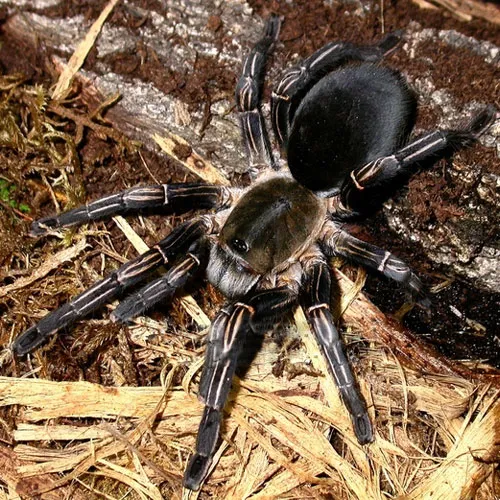
The Zebra Tarantula, a fascinating creature known for its striking black and white striped legs, is a popular pet among arachnid enthusiasts. Understanding their diet is crucial for their health and well-being. These spiders have specific dietary needs in both the wild and captivity. This article explores the top 5 facts about the Zebra Tarantula’s diet, covering their natural feeding habits, nutritional requirements, and tips for feeding them in a captive environment. Proper diet ensures a long, healthy life for your Zebra Tarantula, allowing you to enjoy observing its unique behaviors and characteristics. Learning about their food choices, feeding frequency, and potential dietary issues will help you become a responsible and knowledgeable tarantula owner. Let’s dive into the world of the Zebra Tarantula’s diet and uncover the secrets to keeping these amazing creatures thriving.
What Do Zebra Tarantulas Eat in the Wild?
In their natural habitat, Zebra Tarantulas are opportunistic predators. Their diet consists primarily of insects and other invertebrates they can overpower. This includes a variety of insects like crickets, grasshoppers, beetles, and even smaller spiders. The Zebra Tarantula’s feeding behavior in the wild is driven by their ability to ambush and capture prey. They typically wait in burrows or concealed locations, and then quickly pounce on anything that comes within reach. The diversity of the diet in the wild is important for ensuring that the tarantula receives a wide range of nutrients, which is essential for their overall health and growth. The size of the prey is also a factor, with the tarantula generally selecting prey that is smaller than its own body size, although they are capable of subduing larger insects.
The Primary Diet of Zebra Tarantulas

The foundation of a Zebra Tarantula’s diet in the wild, and even in captivity, is insects. Insects provide essential proteins, fats, and other nutrients that the tarantula needs to survive and thrive. They are voracious eaters, consuming a significant amount of insects relative to their size. The specific types of insects consumed may vary depending on the season and the availability of prey in their environment. They have strong chelicerae (fangs) that they use to inject venom, which paralyzes their prey. This venom not only helps to subdue the prey but also begins the process of breaking down the insect’s body, making it easier for the tarantula to ingest. The diet also includes other invertebrates if they have the chance, but insects remain the primary and most important part of their nutrition.
The Importance of Insects
Insects are absolutely crucial for the Zebra Tarantula’s health. These invertebrates provide a balanced profile of nutrients necessary for growth, molting, and overall health. Different types of insects offer varying nutritional profiles, which is why offering a diverse diet can be beneficial. For example, crickets and roaches are common choices, each offering different levels of protein and chitin (which aids in exoskeleton formation). It is important to ensure that the insects offered are healthy and free from pesticides or other harmful substances. In captivity, it is also possible to ‘gut-load’ insects before feeding them to the tarantula. This involves feeding the insects nutritious foods, thereby enhancing their nutritional value and passing these benefits onto the spider. This is a great way to ensure that your Zebra Tarantula gets the most out of its diet.
Feeding Habits in Captivity
Caring for a Zebra Tarantula in captivity involves carefully replicating their natural dietary needs. This means providing them with appropriate prey items and ensuring the right feeding frequency. The goal is to replicate the conditions they would encounter in the wild. Many keepers choose to feed their tarantulas a steady diet of commercially-raised crickets or roaches, which are readily available and relatively easy to manage. The key to success is to provide them with a diet that meets all their nutritional requirements, allowing them to live a long and healthy life. Keeping the enclosure clean and providing fresh water are also very important aspects of captive care.
Frequency of Feeding

The feeding frequency for Zebra Tarantulas varies based on their age and size. Spiderlings, or young tarantulas, require more frequent feeding, usually every other day or even daily, because they are in a rapid growth phase. As they mature, their feeding schedule can be reduced. Adult Zebra Tarantulas often eat once or twice a week. It is important to monitor your tarantula’s body condition. If the abdomen appears plump, the tarantula is likely getting enough food. If it appears thin, then you can increase the frequency or the size of the prey offered. Each tarantula is an individual, and adjusting the feeding schedule according to their appetite and activity levels is essential.
Appropriate Prey Size
Choosing the right size prey is critical. The general rule is that the prey should be no larger than the size of the tarantula’s abdomen. This prevents the tarantula from being overwhelmed or injured by its prey. Overly large prey can also stress the tarantula and make it more difficult for them to capture and consume. If a tarantula is struggling with a large meal, it might refuse to eat, leading to potential health problems. Monitoring the size of the prey and adjusting it according to the tarantula’s growth stage is an essential part of responsible care. This also helps ensure that the tarantula can successfully subdue its prey without undue effort or risk of injury.
Nutritional Needs of Zebra Tarantulas
Beyond insects, there are some nutritional considerations to keep in mind for a healthy Zebra Tarantula. While insects are the primary food source, there are additional elements that can influence the health of the tarantula. This includes ensuring a good balance of vitamins and minerals, along with access to fresh water. The overall health of your tarantula depends on your awareness of their dietary requirements. Additionally, proper nutrition plays a crucial role in the molting process, which is a key stage in the growth of the Zebra Tarantula. Proper nutrition will increase the chances of a successful molt.
Vitamins and Supplements

While a varied insect diet can provide many essential nutrients, some keepers choose to supplement their tarantulas’ diet. This is often done by gut-loading the feeder insects before feeding them to the tarantula, or by using a vitamin/mineral dusting powder. Gut-loading involves feeding the insects a diet rich in nutrients, which are then passed on to the tarantula when it consumes the insect. Supplementation can be particularly beneficial if you primarily feed your tarantula a limited variety of insects. Always research the proper supplementation to use, since too much can be as detrimental as too little. A balance of calcium and other essential vitamins and minerals supports overall health and aids in the molting process. The key is to ensure that your tarantula has a complete and balanced diet.
Water Availability
Fresh, clean water is essential for a Zebra Tarantula’s health. They obtain water primarily by drinking from a shallow water dish within their enclosure. Providing a constant supply of clean water helps prevent dehydration, which can be detrimental to the tarantula’s overall health and molting process. The water dish should be shallow enough to prevent the tarantula from drowning, and it should be cleaned and refilled regularly to avoid bacterial growth. Water availability is a simple yet vital aspect of tarantula care that cannot be overlooked. Regular monitoring will ensure that your pet has access to fresh water at all times.
Potential Dietary Problems
Even with the best intentions, issues can arise regarding your Zebra Tarantula’s diet. This can range from overfeeding to a lack of appetite. Identifying these problems early and taking appropriate actions is key to maintaining a healthy tarantula. Recognizing the signs of these common issues, and knowing how to address them, is part of being a responsible keeper. It is also important to understand that tarantulas can have periods of decreased appetite for various reasons, such as preparing to molt, and this should not always be cause for concern.
Overfeeding

Overfeeding can lead to several health issues. While it might seem counterintuitive, overfeeding can stress the tarantula, particularly if the prey is too large or the tarantula is not active enough to process the extra food. A plump abdomen is generally a sign of a well-fed tarantula, but excessive plumpness may be problematic. Signs of overfeeding include a distended abdomen, lethargy, and difficulty moving. If you suspect overfeeding, reduce the frequency or size of the meals. It’s always better to err on the side of caution and provide a slightly smaller, more appropriate portion than to overload the tarantula’s digestive system.
Refusal to Eat
A refusal to eat can be a sign of various underlying issues. If your Zebra Tarantula is not eating, it could be preparing to molt, in which case a loss of appetite is completely normal. Other reasons for a tarantula’s refusal to eat include stress from environmental factors, such as improper temperature or humidity, or illness. Examine the enclosure’s environment, and review the tarantula’s behavior. If the refusal persists for an extended period, carefully observe the tarantula for any signs of illness or distress. Consult an experienced tarantula keeper or a veterinarian specializing in exotic animals if you have concerns. It is important to address these concerns quickly to avoid any potential health issues.
Conclusion
Understanding the Zebra Tarantula’s diet is crucial for providing proper care and ensuring its well-being. From knowing the types of insects it eats in the wild to understanding the right feeding frequency in captivity, this guide provides you with a solid foundation of knowledge. By paying attention to their eating habits and providing a well-balanced diet, you can keep your Zebra Tarantula healthy and happy for years to come. Remember to always monitor your tarantula’s behavior, and adjust its diet accordingly. With proper care and attention, you can enjoy the fascinating world of the Zebra Tarantula and appreciate its unique characteristics and behaviors.