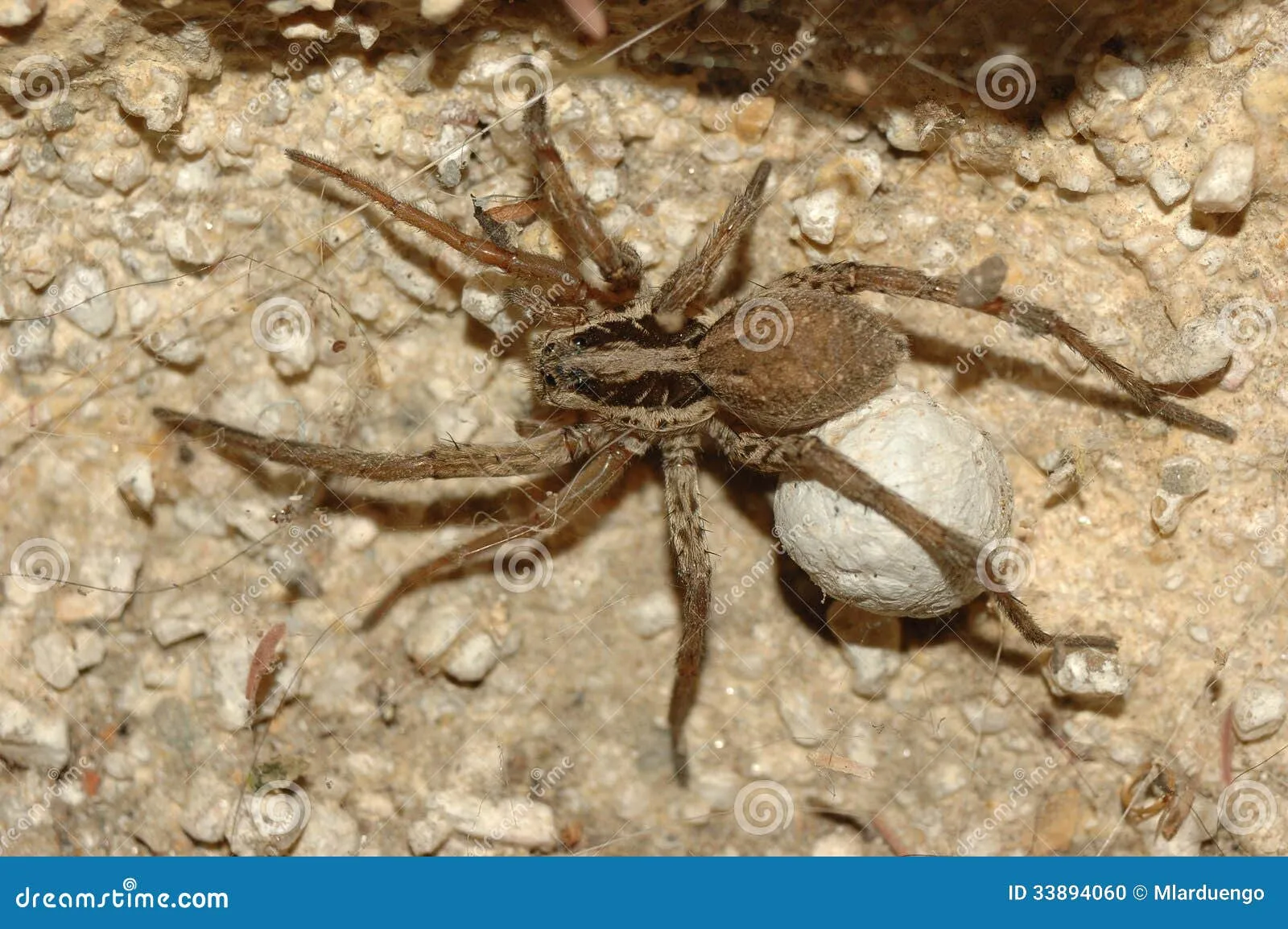
Wolf Spider vs Tarantula Size Comparison
When comparing a wolf spider to a tarantula, size is often the first thing that comes to mind. The size difference can be significant, but it also varies greatly depending on the species. Both wolf spiders and tarantulas exhibit size variations across their different species. Generally, tarantulas tend to be larger than wolf spiders, but there are exceptions. Understanding the typical size ranges is essential for differentiating between the two and appreciating the diversity within these arachnid families. While both are formidable predators, their dimensions significantly influence their hunting strategies and overall impact on their ecosystems. Let’s delve into the specifics of their sizes.
Average Wolf Spider Size
Wolf spiders typically range in size from 1/2 inch to 2 inches in body length. This measurement does not include the leg span, which can add significantly to their overall size. The size of a wolf spider also depends on factors such as its species, age, and environmental conditions. Smaller species might only reach a half-inch, while larger species can grow to impressive lengths. The leg span is a critical factor in perceiving their size; a large wolf spider with an extended leg span can appear quite intimidating, even if its body is not exceptionally long. Their robust bodies and powerful legs enable them to chase down prey effectively.
Giant Wolf Spider Species

There are indeed some wolf spider species that can be considered giant. Certain species, like those found in the Hogna genus, can have body lengths approaching 2 inches, with a leg span that can exceed 3 inches. These larger wolf spiders are often found in specific geographical regions and are adapted to hunt larger prey. While they may not reach the immense sizes of some tarantulas, these giant wolf spiders are still formidable predators. Their substantial size contributes to their effectiveness as hunters, making them capable of taking down larger insects and even small vertebrates.
Average Tarantula Size
Tarantulas, on the other hand, are generally larger than wolf spiders. Their body length can range from 1 inch to over 4 inches, depending on the species. The leg span of a tarantula is a more significant factor in its perceived size, with some species having a leg span that can reach up to 10 inches or more. This size advantage gives tarantulas a considerable presence, making them among the largest spiders in the world. They exhibit a wide range of sizes, with some species being relatively small while others are truly enormous, adding to their diverse appeal.
Tarantula Size Variations
Tarantulas exhibit significant size variations among different species. For example, the Goliath birdeater tarantula is one of the largest spiders in the world, with a leg span that can reach over 11 inches. Other species, like certain dwarf tarantulas, are much smaller, with leg spans of only a few inches. Factors such as the availability of food, climate, and genetics all influence a tarantula’s size. The size variations within tarantula species reflect the diversity of habitats and prey, showcasing the adaptability of these fascinating creatures.
Wolf Spider vs Tarantula Appearance Differences

Beyond size, the appearance of wolf spiders and tarantulas differs in several key ways. These differences in appearance can help in quick identification, even from a distance. Understanding these visual distinctions provides deeper insights into their respective adaptations and behaviors. From the coloration to the presence of certain features, each characteristic plays a role in their survival. Paying attention to these details can enhance your appreciation for the unique qualities of each spider.
Wolf Spider Physical Characteristics
Wolf spiders typically have a more elongated body shape. They are usually covered in brown, gray, black, and tan hairs, often with distinct markings. Their eyes are another distinctive feature. They have a unique eye arrangement with eight eyes, with two large eyes in the front for enhanced vision. This setup is great for spotting prey. They also have strong legs for running and jumping, which is crucial for their active hunting style. Their coloration helps them blend with the environment, enabling them to ambush their prey. The overall appearance of a wolf spider is designed for agility and camouflage, making them highly effective hunters in their natural habitats.
Tarantula Physical Characteristics
Tarantulas, in contrast, often have a bulkier body shape with thicker legs. They are generally covered in dense hairs, with colors ranging from brown and black to vibrant blues, oranges, and reds. Their eyes are smaller and typically clustered together at the front of their cephalothorax. Unlike wolf spiders, tarantulas have two claws at the end of each leg, which help them climb and grip surfaces. They also possess chelicerae, or fangs, that are often larger and more visible. Their overall appearance is designed for a more ambush-style of hunting. Their colors and hair provide camouflage in their specific environments. They are a sight to behold.
Wolf Spider vs Tarantula Behavioral Traits

The behavioral traits of wolf spiders and tarantulas also provide key distinctions. Their hunting strategies, temperament, and overall activity levels differ significantly. Observing these behaviors can give deeper insights into their lives. Understanding how they interact with their environments and each other is critical for appreciating their roles within ecosystems. Their behavioral traits are directly linked to their survival and evolutionary adaptations, making them fascinating subjects for study.
Wolf Spider Hunting Strategies
Wolf spiders are active hunters, often chasing down their prey rather than waiting for it to come to them. They are known for their excellent eyesight, which aids in spotting prey from a distance. They are also fast runners, allowing them to quickly pursue insects and other small creatures. Some wolf spider species dig burrows, while others are more surface-dwelling, but they are all active hunters. Their hunting strategies are characterized by speed, agility, and the ability to adapt to various terrains. They are tenacious and effective predators in their habitats.
Tarantula Hunting Strategies
Tarantulas generally employ a more ambush-style hunting strategy. They are often sit-and-wait predators, hiding in burrows or under cover until prey comes within range. Their dense hairs and camouflaged coloration help them blend with their surroundings. When prey gets close, they quickly lunge out and use their fangs to inject venom. Tarantulas are patient hunters, often spending considerable time in their chosen hiding spots. Their powerful bodies and potent venom make them formidable predators capable of subduing larger prey.
Wolf Spider vs Tarantula Venom and Bite

The venom and bite characteristics of wolf spiders and tarantulas also differ significantly. While both spiders use venom to subdue their prey, the potency and effects on humans vary. Understanding these differences is crucial for safety and assessing the potential risks. The venom composition and delivery methods of both spiders play key roles in their predatory success. They are important factors to consider when comparing these arachnids.
Wolf Spider Venom and Bite Effects
Wolf spiders have venom, but it is generally not considered dangerous to humans. Their bite can be painful, causing localized pain, redness, and swelling. However, severe reactions are rare. The venom is primarily used to paralyze prey, such as insects and other small invertebrates. In most cases, the symptoms of a wolf spider bite will resolve within a few hours or days. While they are not generally aggressive, a wolf spider may bite if threatened or provoked. The bite is a defense mechanism, and the effects are usually mild.
Tarantula Venom and Bite Effects
Tarantula venom is also typically not life-threatening to humans. Their bites can cause localized pain, muscle cramps, and swelling. Some people may experience mild flu-like symptoms. However, tarantulas also have urticating hairs on their abdomen, which they can flick at perceived threats. These hairs can cause skin irritation and itchiness if they come into contact with human skin. The severity of the reaction depends on the species of tarantula, the amount of venom injected, and individual sensitivity. Medical attention is rarely required, but it is always wise to monitor any bite or exposure.
Wolf Spider vs Tarantula Habitat and Lifespan

The habitats and lifespans of wolf spiders and tarantulas also provide interesting contrasts. Their respective environments greatly influence their survival and behavior. The longevity of each spider species varies greatly, impacting population dynamics and ecological roles. Understanding these aspects is critical for a more comprehensive comparison of these arachnids.
Wolf Spider Habitat and Lifespan
Wolf spiders can be found in a wide range of habitats, including grasslands, forests, and even urban environments. They are adaptable and can live in burrows, under rocks, or among leaf litter. Their lifespan typically ranges from one to two years, although some species can live longer. Female wolf spiders carry their egg sacs on their abdomen and protect their young after they hatch, showcasing a degree of maternal care. Their adaptability and relatively short lifespan make them a resilient species in various environments.
Tarantula Habitat and Lifespan
Tarantulas typically live in warmer climates, such as tropical and subtropical regions. They are often found in burrows, under rocks, or in tree hollows. The lifespan of tarantulas is significantly longer than that of wolf spiders. Female tarantulas can live for 10 to 25 years or more, while males typically live for a shorter period. The longevity of tarantulas contributes to their ability to establish large populations in their habitats. Their long lifespans and specific habitat requirements make them more sensitive to environmental changes.
In conclusion, while both wolf spiders and tarantulas are fascinating arachnids, there are key differences in their size, appearance, behavior, and habitat. Generally, tarantulas are larger than wolf spiders, but this can vary by species. Wolf spiders are active hunters with excellent eyesight, while tarantulas often use an ambush approach. Both spiders have venom, though neither is usually life-threatening to humans. Understanding these distinctions helps us appreciate the diversity and unique adaptations of these incredible creatures.