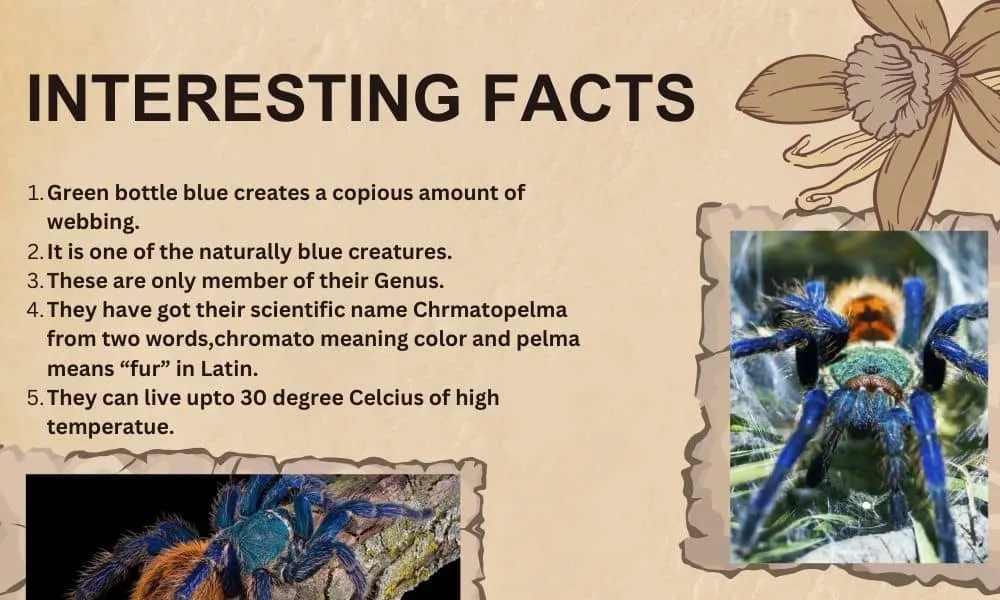
Owning a Green Bottle Blue (GBB) tarantula can be a rewarding experience, but it can be concerning when your vibrant pet refuses to eat. Several factors can contribute to a GBB’s loss of appetite, ranging from environmental conditions to the natural processes of growth and molting. This guide will explore the common reasons why your Green Bottle Blue tarantula might not be eating and provide actionable steps to address these issues, ensuring the health and well-being of your captivating arachnid.
Possible Causes for Your Green Bottle Blue Tarantula’s Lack of Appetite
Understanding the potential causes behind a GBB’s loss of appetite is the first step in resolving the problem. Environmental factors, feeding habits, and the tarantula’s life cycle all play significant roles in their eating behavior. It’s essential to consider a combination of factors to pinpoint the exact reason why your tarantula might be refusing food.
Temperature Issues and Impact on Appetite
Temperature is a critical factor in a GBB’s health and appetite. Tarantulas are ectothermic creatures, meaning their body temperature relies on the surrounding environment. If the enclosure is too cold, their metabolism slows down, and they may lose interest in eating. Conversely, excessively high temperatures can also negatively affect their appetite.
Ideal Temperature Range for GB Blue Tarantulas

Green Bottle Blue tarantulas thrive in a specific temperature range. The ideal temperature for a GBB tarantula is between 75°F to 80°F (24°C to 27°C). Maintaining this range is essential to ensure they remain active and have a healthy appetite. Monitoring the temperature with a reliable thermometer is a good practice.
Consequences of Incorrect Temperatures
If the temperature in the enclosure dips below the ideal range, the tarantula’s metabolism slows down. They become less active and may not feel the need to eat. Conversely, excessively high temperatures can also stress the tarantula, leading to a decreased appetite and potential health complications. Make sure the enclosure is not placed in direct sunlight or near a heat source.
Humidity Levels and Feeding Behavior
Besides temperature, humidity is another crucial environmental factor that influences a GBB’s appetite. Maintaining the correct humidity levels is vital for their overall well-being and willingness to eat. Both too high and too low humidity levels can cause problems.
Optimal Humidity for Green Bottle Blues

The ideal humidity level for a Green Bottle Blue tarantula is between 65% and 75%. This humidity level is necessary for successful molting and maintaining hydration. You can measure humidity with a hygrometer. Proper ventilation is also important to prevent the buildup of excessive humidity, which can lead to mold growth and health problems.
Dehydration and Appetite Loss
Insufficient humidity can lead to dehydration, which can, in turn, affect a tarantula’s appetite. Dehydrated tarantulas may become lethargic and lose interest in food. It’s essential to ensure they have access to a shallow water dish filled with clean water and to maintain proper humidity levels.
Stress and Environmental Factors
Stress can significantly impact a GBB tarantula’s feeding behavior. The environment in which the tarantula lives plays a huge role in its stress levels. Factors like overcrowding, frequent disturbances, and improper enclosure setup can all contribute to stress and a loss of appetite.
Overcrowding and its Effects

Overcrowding in an enclosure can lead to increased stress levels. Tarantulas are solitary creatures, and if kept in cramped conditions, they may feel threatened and become less likely to eat. It’s important to provide adequate space for your GBB tarantula to move around and feel secure. Overcrowding may also increase the risk of cannibalism.
Disturbances from Handling
Frequent handling can also stress a tarantula. While some tarantulas may tolerate handling, others can become easily stressed. Avoid handling your GBB tarantula unless absolutely necessary. Regular handling can disrupt their feeding routine and make them less likely to eat.
Feeding Habits and Prey Preferences
Understanding the natural feeding habits and prey preferences of Green Bottle Blue tarantulas can help you troubleshoot appetite issues. The type, size, and frequency of feeding all play roles in their dietary needs and feeding behavior. Improper feeding practices can lead to problems with their willingness to eat.
Appropriate Prey Size and Type
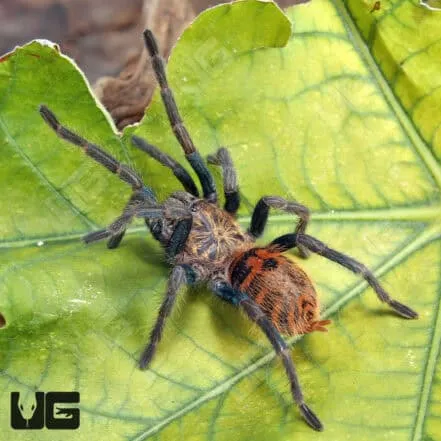
The size of the prey is a critical factor. As a general rule, the prey item should be no larger than the tarantula’s abdomen. Offering prey that is too large can intimidate the tarantula, while prey that is too small may not satisfy its nutritional needs. Variety in the diet is also beneficial to ensure a well-balanced diet.
Prey That Green Bottle Blue Tarantulas Prefer
Green Bottle Blue tarantulas typically prefer insects like crickets, mealworms, and dubia roaches. These prey items are readily available and offer a good source of nutrients. It’s important to gut-load the prey before feeding them to your tarantula, ensuring they are packed with essential vitamins and minerals.
Prey That Green Bottle Blue Tarantulas Avoid
While GBB tarantulas generally accept a variety of prey, some items should be avoided. Wild-caught insects can carry parasites or pesticides, which can harm your tarantula. Avoid feeding them insects that are too large or too hard for them to handle. Additionally, pre-killed prey is sometimes a good option to avoid any possible risks from live prey.
Overfeeding and Its Consequences

Overfeeding can lead to several health problems. Overfed tarantulas may become obese and have a decreased lifespan. The excess food can also cause stress and a lack of interest in eating.
How Often to Feed Your Tarantula
The feeding frequency for a GBB tarantula depends on its age and size. Younger tarantulas may need to be fed once or twice a week, while adult tarantulas can often be fed every one to two weeks. Always adjust the feeding schedule based on your tarantula’s appetite and condition.
Signs of Overfeeding in GB Blue Tarantulas
Signs of overfeeding include a large, plump abdomen, and a lack of interest in food. If your tarantula consistently refuses food or appears excessively large, it might be overfed. Adjust the feeding schedule and reduce the portion size to help them return to a healthy weight.
Molting and Its Impact on Appetite

Molting is a natural process for tarantulas, where they shed their exoskeleton to grow. During molting, a GBB’s appetite may decrease or disappear. This is a normal part of the life cycle, and it’s important to understand what to expect during this process.
Recognizing Pre-Molting Signs
Before molting, a GBB may display several signs. They may become less active, refuse to eat, and may appear dull or darker in color. They might also start constructing a web mat or retreat to a secure hiding spot in preparation for molting. These are all normal behaviors.
Behavioral Changes During Molting
During molting, the tarantula is vulnerable. They will typically lie on their back to shed their exoskeleton. It is very important to avoid any disturbances during this process. Providing a safe and quiet environment will help them molt successfully.
Post-Molting Feeding Habits

After molting, a tarantula will have a soft, new exoskeleton. They will usually not eat for a few days to allow the new exoskeleton to harden. Once they have recovered, their appetite should return, and you can begin offering food again.
Addressing Appetite Issues and Encouraging Feeding
When you’re addressing appetite issues in your Green Bottle Blue tarantula, you need to methodically review the care you give your tarantula. There are several steps you can take to improve their feeding behavior.
Creating a Stress-Free Environment
Minimize disturbances. Avoid handling and ensure the enclosure is placed in a quiet area away from loud noises and excessive vibrations. A secure and stable environment will help reduce stress and encourage eating.
Maintaining Optimal Temperature and Humidity
Regularly monitor the enclosure’s temperature and humidity levels. Make sure they align with the ideal range for Green Bottle Blues, using a thermometer and hygrometer. Proper temperature and humidity are crucial for their overall health and appetite.
Offering a Variety of Prey
Offer a variety of prey items to keep your tarantula interested. You can try crickets, mealworms, and dubia roaches. Make sure the prey items are appropriately sized, no bigger than the tarantula’s abdomen, and gut-load the prey before feeding.
When to Seek Veterinary Advice
If your Green Bottle Blue tarantula continues to refuse food for an extended period despite your best efforts, it’s important to seek professional veterinary advice. A veterinarian specializing in exotic pets can help identify any underlying health issues.
A vet can perform a thorough examination, run diagnostic tests, and provide appropriate treatment. Early intervention is key to ensuring the health and longevity of your GBB tarantula. Don’t hesitate to consult a vet if you have concerns about your pet’s health.
In conclusion, a Green Bottle Blue tarantula’s refusal to eat can be caused by a number of factors. By understanding the possible causes such as temperature, humidity, stress, molting, and feeding habits, you can properly adjust the care you give. Providing a stress-free environment, maintaining optimal conditions, and offering a balanced diet are key to encouraging healthy eating habits. If concerns persist, consulting a vet is the best step to ensure the health and well-being of your GBB tarantula.