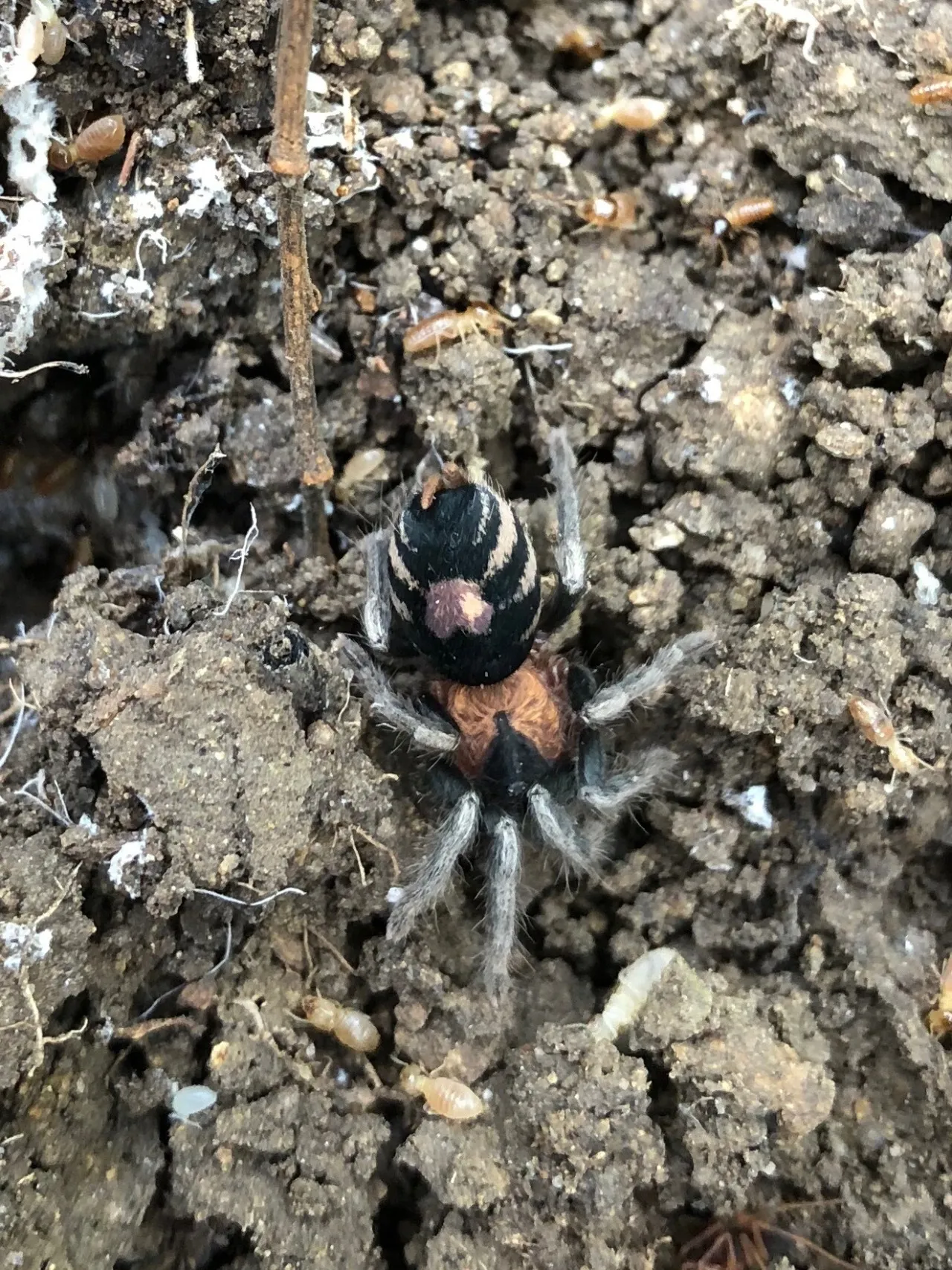
Trinidad Dwarf Tiger Tarantula: Top 5 Facts
The Trinidad Dwarf Tiger Tarantula (Cyrtopus sp. “Trinidad”) is a fascinating arachnid that has become increasingly popular among tarantula enthusiasts. Known for its striking appearance and manageable size, this species offers a unique experience for keepers of all levels. This article dives into five key facts about the Trinidad Dwarf Tiger Tarantula, covering its characteristics, care requirements, and overall appeal. From its distinctive markings to its intriguing behaviors, discover what makes this tarantula so compelling to both novice and experienced keepers.
Size and Appearance
One of the most immediately appealing features of the Trinidad Dwarf Tiger Tarantula is its size. As a dwarf species, these tarantulas typically reach a leg span of around 3 to 4 inches. This compact size makes them ideal for hobbyists with limited space. Their size provides all the fascination of a tarantula without the significant enclosure requirements of larger species. The manageability of their size makes them an excellent option for people new to the hobby, although proper handling is essential.
Coloration and Markings

The Trinidad Dwarf Tiger Tarantula is renowned for its striking coloration and distinctive markings, which is where it gets its name. They typically exhibit a dark brown or black base color, beautifully adorned with vibrant orange or yellow stripes on their legs and carapace. This tiger-like pattern is a defining feature. The contrast in colors enhances their aesthetic appeal, creating an eye-catching display within their enclosure, but also aids in camouflage within their natural environment. The intensity and arrangement of markings can vary slightly, adding to their unique charm and individual appeal.
Temperament and Handling
The temperament of the Trinidad Dwarf Tiger Tarantula is generally considered to be relatively docile compared to some other tarantula species, but this does not mean that they are easily handled pets. They are usually not prone to bolting or displaying aggressive behavior. However, like all tarantulas, they possess the ability to bite, and their venom, while not medically significant to humans, can still cause localized pain and discomfort. It is crucial to handle them with extreme caution, and the general recommendation is to observe and admire them within their enclosures. This approach prioritizes both the safety of the keeper and the well-being of the tarantula.
Defensive Behaviors
When feeling threatened, the Trinidad Dwarf Tiger Tarantula may exhibit several defensive behaviors. These can include raising their front legs in a threat posture, flicking urticating hairs from their abdomen, or even attempting to bite. Urticating hairs, if contacted, can cause skin irritation, so it’s important to avoid provoking the spider. Understanding these behaviors is essential for responsible tarantula ownership, allowing keepers to recognize signs of stress and avoid unnecessary handling or disturbance. Recognizing these behaviors allows keepers to provide a more stress-free environment.
Venom Potency

The venom of the Trinidad Dwarf Tiger Tarantula is considered to be of low potency to humans. A bite from this tarantula is unlikely to cause severe health issues. The effects are typically limited to localized pain, redness, and swelling at the bite site. However, individuals with allergies to insect venom should exercise greater caution and seek medical attention if they experience any adverse reactions. As with any venomous animal, it is always best to avoid being bitten, and safe handling practices are the best defense.
Ideal Enclosure Setup
Creating the right enclosure is crucial to the health and well-being of your Trinidad Dwarf Tiger Tarantula. This involves providing a secure and appropriate habitat that caters to its specific needs. A well-designed enclosure ensures the tarantula’s safety and allows you to observe and appreciate its fascinating behaviors.
Substrate and Hiding Places
A suitable substrate, such as a mix of coconut fiber, peat moss, and vermiculite, should be provided at a depth of at least 2-3 inches to allow for burrowing. These tarantulas are burrowing species. Providing hiding places is vital for reducing stress. Include a piece of cork bark, a half-log, or a pre-made hide. These create a safe space where the tarantula can retreat when feeling vulnerable, promoting its overall well-being and allowing the tarantula to feel secure. The right substrate and hiding places are critical for the tarantula’s mental and physical health.
Temperature and Humidity

Maintaining the correct temperature and humidity levels is critical for the health of your tarantula. The ideal temperature range is typically between 75-80°F (24-27°C). Use a heat mat on the side of the enclosure, or a low-wattage heat lamp, to regulate the temperature. Humidity levels should be kept around 60-70%. Regular misting of the enclosure and providing a shallow water dish can help maintain the appropriate humidity. A hygrometer is a valuable tool for monitoring the humidity levels within the enclosure, ensuring that the environment remains ideal for the tarantula’s health and comfort. These factors are crucial for maintaining the correct conditions.
Feeding Habits
Understanding the feeding habits of the Trinidad Dwarf Tiger Tarantula is essential for ensuring it remains healthy and thriving. These tarantulas are opportunistic feeders, and their diet should be varied to provide all necessary nutrients. The frequency and type of food will vary depending on the spider’s size and age. In general, juvenile tarantulas should be fed more frequently than adults, and adjusting the feeding schedule is a normal part of caring for these animals.
Prey Selection
A diet primarily consisting of insects is suitable for Trinidad Dwarf Tiger Tarantulas. Crickets, mealworms, and roaches are all good choices. The prey items should be appropriately sized, generally no larger than the tarantula’s body. It is essential to avoid feeding wild-caught insects, as they can carry parasites or pesticides that can be harmful to the tarantula. Feeding frequency depends on the spider’s size and how well it is eating; a juvenile may eat 2-3 times a week, and an adult can eat once a week. The size and health of the prey are just as critical as the types of insects being fed.
Molting and Growth

Molting is a natural process for tarantulas and is essential for their growth. During molting, the tarantula sheds its exoskeleton, which allows it to grow larger. Preparing for a molt can be a delicate time; a tarantula will often stop eating and may become reclusive before molting. The frequency of molting decreases as the tarantula ages. Understanding this process is key to providing proper care during this vulnerable time.
Life Cycle and Lifespan
The Trinidad Dwarf Tiger Tarantula has a fascinating life cycle that includes molting, growth, and reproduction. The lifespan of these tarantulas varies; females typically live longer than males. Females can live for up to 10 years. Males, however, generally have a shorter lifespan, often only a few years after reaching maturity. Understanding the life cycle is important for providing the appropriate care at each stage of the tarantula’s life, ensuring its well-being and allowing keepers to enjoy these creatures for years to come.
In conclusion, the Trinidad Dwarf Tiger Tarantula is a captivating species for tarantula enthusiasts of all levels. Their unique appearance, manageable size, and fascinating behaviors make them a popular choice. By providing the right enclosure setup, feeding appropriately, and understanding their temperament, keepers can ensure their Trinidad Dwarf Tiger Tarantula thrives. Their life cycle, including molting and growth, offers a glimpse into the natural wonders of arachnids. These tarantulas will continue to fascinate and provide satisfaction for those seeking a unique pet experience.