Understanding Tevo Tarantula Pro Firmware Updates
The Tevo Tarantula Pro is a popular 3D printer known for its affordability and ease of use, enabling hobbyists and enthusiasts to create complex designs. Like any sophisticated piece of technology, it relies on firmware to function correctly. Firmware is the embedded software that controls the printer’s hardware, from the movement of the print head to the heating of the bed. Regularly updating your Tevo Tarantula Pro’s firmware is crucial for optimal performance, stability, and access to the latest features. This guide provides a quick and easy-to-follow approach to ensure your printer operates at its best. Ignoring firmware updates can lead to a variety of issues that can impact print quality, printer reliability, and overall user experience. Therefore, this guide is a must-read for all Tevo Tarantula Pro owners to ensure they are getting the best from their investment. This guide will clarify why firmware updates are necessary, what they entail, and the simple steps to perform them successfully.
(Image filename tevo-tarantula-pro-firmware-update-main.webp)
Why Firmware Updates Are Important
Firmware updates are essential for several reasons. Firstly, they often include bug fixes that resolve known issues and improve the printer’s stability. These fixes can address problems like erratic movements, temperature fluctuations, or communication errors. Secondly, updates frequently introduce new features or improvements to existing ones. This might include enhancements to the user interface, support for new filament types, or improved print quality algorithms. Finally, firmware updates can enhance the printer’s security and protect it from potential vulnerabilities. Keeping your firmware up-to-date ensures your printer is operating as intended and benefits from the latest improvements. The benefits extend beyond just functionality; they contribute to a more reliable and enjoyable 3D printing experience. The ongoing evolution of the Tevo Tarantula Pro firmware ensures it keeps pace with the advancements in 3D printing technology.
Benefits of Updating Your Firmware

Updating your Tevo Tarantula Pro firmware offers a range of advantages. Performance improvements are a primary benefit, with updates often optimizing the printer’s movements, heating, and overall efficiency. Print quality enhancements are another significant advantage; firmware updates can refine the algorithms that control the printer’s precision, resulting in smoother surfaces, finer details, and fewer printing errors. User experience is also improved, as updates can introduce new features, such as a more intuitive interface, easier calibration processes, and expanded material compatibility. By updating, you ensure your printer remains compatible with the latest slicing software and filament types, which is essential for utilizing the full potential of your 3D printer. The investment in updating firmware is an investment in your machine’s lifespan and the quality of prints. The ability to print with new filaments and take advantage of new slicing features is directly tied to how up to date your firmware is.
Potential Risks of Outdated Firmware
While firmware updates offer considerable advantages, the risks of using outdated firmware can be equally significant. Outdated firmware is susceptible to bugs and operational inefficiencies that are fixed in newer versions. This can lead to print failures, nozzle clogs, or even damage to the printer’s components. Moreover, outdated firmware may not support the latest slicing software or filament materials, limiting your printing capabilities. Security vulnerabilities are also a concern, as older firmware versions may be exposed to hacking or unauthorized access. By keeping your firmware up-to-date, you avoid these problems, ensure your printer is reliable, and protect your investment. The consequences of neglecting updates may range from minor inconveniences to significant print errors or costly hardware repairs. Always prioritize firmware maintenance for optimal performance. Failure to update can mean you can’t take advantage of the latest improvements the Tevo community offers.
Preparing for the Tevo Tarantula Pro Firmware Update
Before starting the firmware update, it’s crucial to prepare properly. This preparation minimizes the risk of complications and ensures a smooth and successful update. The initial steps involve gathering the necessary tools and resources, downloading the correct firmware, and backing up your existing settings. These steps are crucial for safeguarding your printer’s settings and allowing you to revert to a previous state if needed. Careful planning and preparation will make the entire process less stressful and increase your chances of a successful update. You will want to ensure you do everything carefully, as mistakes can cause issues or brick your printer, so preparing well is crucial to the process.
Gathering Necessary Tools and Resources

To update your Tevo Tarantula Pro’s firmware, you’ll need a few essential tools and resources. You’ll require a computer with a USB port to connect to your printer. You’ll also need a USB cable (usually the same cable used to connect the printer to the computer). Download the appropriate firmware flashing software, such as Arduino IDE, which is commonly used for updating the firmware on these types of printers. It’s also essential to have access to the internet to download the latest firmware from the manufacturer’s website or a trusted source. Having these resources readily available saves time and reduces the risk of errors during the update process. Ensure you have a reliable power supply for both your printer and computer to prevent interruptions during the flashing process.
(Image filename tevo-tarantula-pro-firmware-tools.webp)
Downloading the Latest Firmware
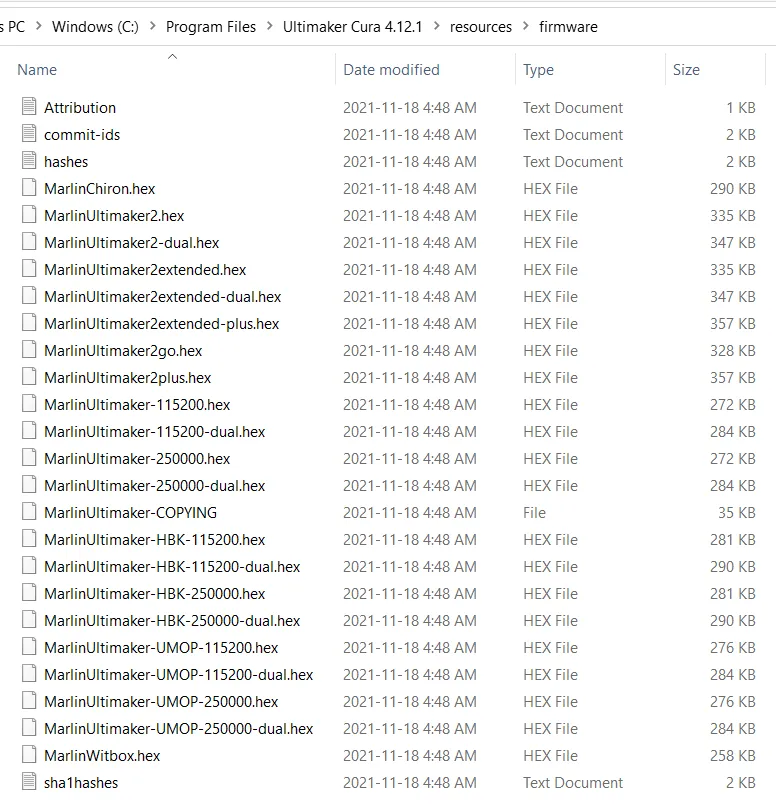
The next step is to download the latest firmware specifically designed for your Tevo Tarantula Pro model. Visit the official Tevo website or a trusted community forum where firmware updates are provided. Make sure to verify the firmware’s compatibility with your specific printer version. Download the firmware file, often in a .hex or .bin format. After downloading the firmware, it’s always a good idea to verify its integrity. Check for the file’s hash (checksum) to confirm it hasn’t been corrupted during the download. You might also find pre-compiled firmware versions, or you may need to compile the firmware yourself using software like Arduino IDE, depending on your comfort level and the provided instructions. Keep the downloaded file in an accessible location on your computer, such as a dedicated folder, for easy access during the update process.
(Image filename tevo-tarantula-pro-firmware-download.webp)
Backing Up Your Current Firmware
Before updating, it’s highly recommended to back up your current firmware settings. This is a vital safety measure that allows you to revert to your previous configuration if the update fails or causes unexpected issues. The process for backing up firmware varies depending on the flashing software you’re using. Typically, the software will have an option to read or download the existing firmware from your printer. Use this feature to save the current settings to your computer. It’s also wise to document your printer’s current settings manually, such as the steps and the Z-offset if you have customized values. Store the backup file and any documented settings in a safe place, such as a separate folder, clearly labeled with the date. This ensures you have a reliable restore point if needed, reducing the chance of losing your settings or facing printer malfunctions.
(Image filename tevo-tarantula-pro-firmware-backup.webp)
Initiating the Firmware Update Process

With the necessary preparations complete, you’re ready to begin the firmware update process. This section guides you through the steps to connect your printer, use the flashing software, and flash the new firmware onto your Tevo Tarantula Pro. Take your time, follow the instructions carefully, and double-check each step to avoid potential issues. Patience and precision are essential for a successful outcome. Ensure that you work in a well-lit and organized area, and ensure you are not distracted during the process.
Connecting Your Tevo Tarantula Pro to Your Computer
Connect your Tevo Tarantula Pro to your computer using the USB cable. Make sure the printer is powered on. The operating system on your computer should recognize the printer as a connected device, although you might need to install drivers if this is your first time connecting the printer. The drivers are often provided by the printer manufacturer or available online. Once the printer is recognized, open the firmware flashing software, such as Arduino IDE. Select the correct board (often named something like “Arduino Mega 2560” or similar) and the correct COM port that your printer is connected to. The COM port number can be found in the Device Manager on your computer. Ensure your printer is securely connected to both the computer and a stable power source to prevent interruptions during the firmware update.
(Image filename tevo-tarantula-pro-firmware-connect.webp)
Using Firmware Flashing Software
Open the firmware flashing software, such as Arduino IDE. Within the software, you’ll need to load the firmware file you downloaded earlier. This is usually done by selecting “File” -> “Open” and browsing to the location of the .hex or .bin file. After the firmware file is loaded, configure the software to the correct settings for your Tevo Tarantula Pro, including the board type and communication port. Once your settings are correct, you can begin the flashing process. Most software has an “Upload” or “Flash” button. Click this button to start the process. Monitor the progress bar and any messages that appear in the software to ensure the update is proceeding smoothly. Keep the printer powered on and connected to the computer during the entire process. The process can take a few minutes.
Step-by-Step Firmware Flashing Instructions

After connecting the printer and preparing the firmware flashing software, follow these step-by-step instructions to flash the firmware onto your Tevo Tarantula Pro. Within the Arduino IDE or similar software, select the correct board type, usually “Arduino Mega 2560” or similar, from the “Tools” -> “Board” menu. Select the correct COM port from the “Tools” -> “Port” menu. Load the firmware file by selecting “Sketch” -> “Upload” or clicking the upload icon (right arrow). The software will then compile and upload the firmware to your printer. During the upload process, the software will display progress indicators and any error messages. Ensure that you are not interrupted during the upload process. After the upload is complete, the software will provide a confirmation message. Disconnect the printer from the computer after the process is completed. At this stage, the printer is ready for use.
Verifying the Firmware Update
After flashing the new firmware, it’s important to verify that the update was successful. This ensures the printer functions as expected and takes advantage of the latest features and fixes. Verification includes checking the firmware version and conducting basic print tests. By ensuring the update was successful, you minimize the risk of future problems.
Checking the Firmware Version
One of the first steps after a firmware update is to verify the new version. Connect your Tevo Tarantula Pro to your computer and open a suitable 3D printing control software, such as Pronterface or Repetier-Host. Alternatively, you can access the printer’s control panel, if available, to view the version number. Send a command to the printer to request the firmware version. Typically, the command is “M115” and can be sent via the software’s console. The printer will respond with details about its firmware, including the version number. Comparing this number to the version you intended to flash will confirm whether the update was successful. Checking the version helps to ensure that the update process was successful and that the printer is running the latest software.
Testing Print Functionality After Update

After confirming the firmware version, test the printer’s print functionality. Start by running a simple test print, such as a small calibration cube or a pre-sliced model. Observe the printer during the printing process to ensure that all axes move smoothly and that the bed and nozzle temperatures are correct. Check for any unusual noises, vibrations, or print quality issues. Pay attention to whether the printer homes properly and whether the filament extrudes consistently. Carefully examine the printed object for any imperfections, such as layer shifting, warping, or stringing. If you notice any problems, consult the troubleshooting section or the printer’s manual for potential solutions. These basic tests will help you confirm that the printer is operating correctly and that the firmware update was successful.
(Image filename tevo-tarantula-pro-firmware-testprint.webp)
Troubleshooting Common Firmware Update Issues
Encountering issues during a firmware update is not uncommon. Several problems can arise, from connectivity issues to flashing errors and print quality problems. Knowing how to troubleshoot these issues can save time and prevent frustration. This section addresses common problems and provides steps to resolve them, ensuring a successful firmware update.
Printer Not Connecting
If your Tevo Tarantula Pro is not connecting to your computer, several issues could be at play. Ensure the USB cable is securely connected to both the printer and the computer. Try a different USB cable, as the original cable may be faulty. Check the device manager on your computer to see if the printer is recognized and if the correct drivers are installed. If the printer isn’t listed, you may need to install the drivers manually. Make sure the COM port selected in your firmware flashing software is the correct one for your printer. Verify that your printer is powered on during the connection attempts. In some cases, restarting your computer and printer can resolve connection issues. Checking these points can often resolve initial problems.
Firmware Flashing Errors

If you encounter errors during the firmware flashing process, take the following steps to troubleshoot. Double-check that you’ve selected the correct board type and COM port in the firmware flashing software. Verify the firmware file’s integrity to ensure it wasn’t corrupted during download. Ensure that the printer is powered on and connected to the computer throughout the entire flashing process, with no interruptions. If you get an error, close the flashing software and restart both your computer and the printer before attempting again. In case the error persists, try a different USB port on your computer, or try to find information related to the error message from the flashing software. Many errors can be fixed through the troubleshooting steps.
Print Quality Problems After Update
After a successful firmware update, you might notice print quality problems, which often indicate the need for recalibration. Begin by re-leveling the print bed, as this ensures that the first layer adheres properly. Adjust the nozzle temperature and bed temperature to optimize the filament’s printing characteristics. Check the belt tension on your printer, since they can cause layer shifts and imprecise movements. Retract the settings in your slicing software and confirm that they are appropriate for your filament. If you made any custom changes to your printer’s settings previously, revisit them, since firmware updates can reset these settings. After making adjustments, rerun a test print to see if the problems have been resolved. Performing these checks ensures you get the best print quality.
Post-Update Configuration and Calibration
After updating your Tevo Tarantula Pro’s firmware and ensuring it’s working correctly, it’s important to configure and calibrate your printer to achieve the best print results. Configuration involves adjusting settings to match your printer’s hardware, while calibration involves fine-tuning various parameters. This section will guide you through the key steps to ensure your printer is set up for excellent prints. Proper configuration and calibration are just as important as the update itself. It can make a huge difference between a usable print and a terrible one.
(Image filename tevo-tarantula-pro-firmware-calibrate.webp)
Calibrating the Bed and Nozzle

Start by calibrating the printer bed to ensure it is perfectly level. Use the printer’s built-in bed leveling feature or manually level the bed using the adjusting screws at each corner. Next, calibrate the nozzle height, often referred to as the Z-offset. This determines the distance between the nozzle and the print bed when printing the first layer. Adjust this setting so the filament adheres properly to the bed, avoiding gaps or excessive squishing. Then, perform temperature calibration for both the nozzle and bed. Ensure that your printer’s thermistors are reading the temperatures accurately and that the set temperatures match the actual temperatures. Calibrating the bed and nozzle ensures that the print begins correctly and that the layers adhere to one another effectively. These steps are critical for print quality.
Configuring Slicer Settings
Configure your slicer settings to match the updated firmware and your specific filament type. Ensure that the printer profile in your slicing software is set up correctly for your Tevo Tarantula Pro model. Pay close attention to settings like layer height, print speed, and infill density. Select the correct filament type and input the recommended printing temperature and bed temperature for that filament. Adjust retraction settings to prevent stringing or oozing. Experiment with these settings, and print test objects to fine-tune the parameters and achieve optimal print quality. Also, it’s useful to save multiple profiles to apply different settings quickly for different filaments. Setting up the slicer correctly helps you achieve the quality you desire and the overall effectiveness of the prints.
Conclusion
Updating the firmware on your Tevo Tarantula Pro is a straightforward process that can significantly improve your 3D printing experience. By following this quick guide, you’ve learned how to prepare for the update, flash the new firmware, verify its installation, and configure your printer for optimal results. Always remember to back up your existing firmware before updating and to take your time to avoid potential errors. Regularly updating your firmware, combined with proper maintenance, allows you to make the most of your 3D printer, resulting in improved print quality, enhanced performance, and access to new features. Enjoy the journey of 3D printing, and happy printing!