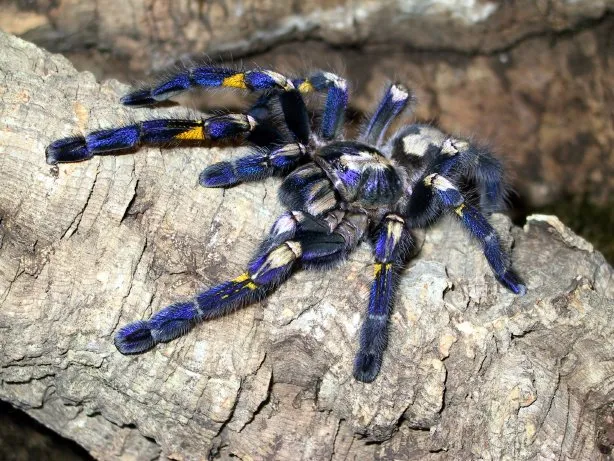
What are Tarantula Spiders
Tarantula spiders are large, hairy spiders belonging to the Theraphosidae family. Known for their impressive size and often intimidating appearance, these arachnids are found in various habitats around the world, primarily in tropical and subtropical regions. They are generally nocturnal hunters, using their fangs to inject venom into their prey. Despite their fearsome reputation, tarantulas are not typically aggressive towards humans and their bites, while painful, are rarely life-threatening. These spiders play an important role in their ecosystems, helping to control insect populations and serving as a food source for other animals. Their diverse species and unique characteristics make them a fascinating subject for both scientists and enthusiasts.
Where Do Tarantula Spiders Live
Tarantulas inhabit a wide range of environments across the globe, adapting to diverse climates and terrains. They are most commonly found in tropical and subtropical regions, including parts of the Americas, Africa, Asia, and Australia. Their habitats vary significantly, from rainforests and grasslands to deserts and even mountainous areas. Some species are terrestrial, living in burrows they dig in the ground, while others are arboreal, residing in trees and shrubs. The specific habitat preferences depend on the species, with factors like temperature, humidity, and the availability of prey influencing their distribution. Understanding their habitat is crucial for conservation efforts and for appreciating their ecological roles.
Tarantula Spiders in India
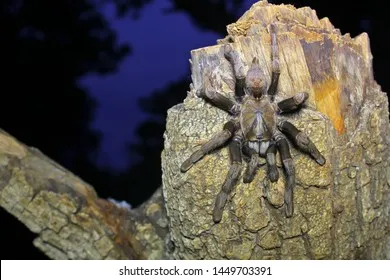
India is home to several species of tarantula spiders, adding to the country’s rich biodiversity. These spiders are primarily found in specific regions with suitable climates and habitats, often in the Western Ghats and parts of Northeast India. Their presence contributes to the ecological balance by controlling insect populations. Indian tarantulas, like their counterparts elsewhere, vary in size, coloration, and behavior, making each species unique. Due to habitat loss and other environmental threats, certain species are facing conservation challenges, highlighting the need for awareness and protective measures to ensure their survival in the wild. The fascination with these creatures also drives the need for the study of their ecological roles and distribution across the Indian subcontinent.
Indian Tarantulas Species
India’s diverse ecosystem supports several distinct tarantula species, each with its unique characteristics. One of the most well-known is the Indian Ornamental Tarantula (Poecilotheria regalis), recognized for its striking pattern and relatively large size. Other notable species include various types of ground-dwelling tarantulas that can be found in different parts of the country. The study of these species reveals fascinating adaptations to their environments, including variations in hunting techniques, burrow construction, and defensive behaviors. These species, due to various ecological factors, are endemic to the Indian region, and conservation efforts are crucial to preserve their presence in the wild, given that the habitats they live in are threatened with increasing habitat loss and environmental changes.
Poecilotheria Regalis The Indian Ornamental Tarantula
The Indian Ornamental Tarantula (Poecilotheria regalis) is a particularly striking species found in India. It is known for its intricate and colorful patterns, featuring a combination of black, white, and yellow markings. This arboreal species prefers to live in tree holes and cracks, using its strong legs and claws to navigate its habitat. They are known for their relatively large size and can be quite formidable in appearance. Despite their intimidating looks, they are not typically aggressive but will defend themselves if threatened. Their popularity in the pet trade highlights the need for responsible practices to protect wild populations and ensure their conservation in their natural habitats, considering they are a species of high interest for many arachnid enthusiasts.
Other Indian Tarantula Species

Beyond the Indian Ornamental, other tarantula species add to India’s diverse arachnid fauna. These can vary in size, coloration, and habitat preferences. Some species are ground-dwelling, constructing burrows in the soil, while others may be found in more sheltered locations. The study of these different species provides insights into their ecological roles and adaptations to their specific environments. The identification and understanding of these species contribute to broader conservation efforts. Their presence highlights the rich biodiversity of India’s ecosystems and the importance of protecting these unique and often-overlooked creatures and their habitats. Further research is continuously uncovering new species and understanding the existing ones.
Tarantula Spiders Diet
Tarantula spiders are primarily carnivorous predators, with their diet consisting mainly of insects and other invertebrates. Their hunting strategies vary depending on the species and habitat. Some tarantulas actively hunt their prey, while others ambush from their burrows or hiding spots. They use their chelicerae, or fangs, to inject venom into their prey, paralyzing and predigesting them. The specific diet of tarantulas can include crickets, roaches, mealworms, and even small vertebrates like lizards and rodents in the case of the larger species. The availability of food sources plays a critical role in their growth, reproduction, and overall health. Maintaining an appropriate diet is also important when keeping them in captivity.
What Do Tarantulas Eat
The diet of a tarantula is quite diverse, but generally revolves around insects and other invertebrates. Common food items include crickets, grasshoppers, mealworms, and roaches, all of which are relatively easy to capture and digest. Larger tarantulas may also prey on small vertebrates like lizards, mice, and even small birds. The size and type of prey depend on the tarantula’s size, age, and species. Tarantulas are opportunistic feeders, eating whatever they can subdue. Their diet needs can also vary throughout their life stages, with younger tarantulas needing smaller, more frequent meals to support their growth. An understanding of their natural diet is essential for anyone who owns or studies tarantulas, as it affects their health and well-being.
How Do Tarantulas Hunt

Tarantulas employ various hunting strategies depending on their species and habitat. Terrestrial tarantulas often wait in or near their burrows, ambushing prey that comes close. They have sensitive hairs on their legs that detect vibrations, alerting them to the presence of potential meals. Arboreal species, on the other hand, may actively stalk their prey on tree trunks or in foliage. Once prey is within reach, they quickly pounce and use their chelicerae to inject venom. The venom paralyzes the prey, allowing the spider to feed without resistance. The hunting behavior is a fascinating aspect of tarantula biology, showcasing adaptations to their environments and their role as effective predators within their ecosystems.
Tarantulas in India Facts
Tarantulas in India present interesting facts, including their habitat, behavior, and conservation status. Many species, like the Indian Ornamental Tarantula, have striking appearances and specific requirements for their survival. Their presence enriches India’s biodiversity, and they play an important role in maintaining the balance of ecosystems. Understanding these spiders involves studying their distribution across the Indian subcontinent, their diets, and their defensive mechanisms. Conservation efforts are crucial to protecting their natural habitats and ensuring their survival in the face of habitat loss and other environmental threats. Research and awareness initiatives are crucial for educating the public and supporting the long-term preservation of these creatures.
Tarantulas Size and Appearance
Tarantulas exhibit a wide range of sizes and appearances, depending on the species. They can range from relatively small sizes, like a few inches in leg span, to significantly large spiders with leg spans exceeding 10 inches. Coloration varies greatly, including hues of brown, black, gray, and even vibrant patterns with red, yellow, and orange markings. Their bodies consist of two main parts: the cephalothorax (head and thorax) and the abdomen. The cephalothorax houses the eyes, fangs, and legs, while the abdomen contains internal organs. The appearance and size of a tarantula can indicate its health, age, and species. Their diverse characteristics make them fascinating subjects for both scientific study and observation.
Tarantula Spiders Defensive Mechanisms
Tarantulas have developed several defensive mechanisms to protect themselves from predators. One common method is their urticating hairs, which are barbed, irritating hairs found on their abdomen. When threatened, they flick these hairs towards the perceived threat, causing skin irritation and discomfort. Another defense mechanism includes their ability to bite, injecting venom through their fangs. While their venom is not typically lethal to humans, it can cause pain, swelling, and other localized symptoms. Certain species also display aggressive postures or make hissing sounds as a warning. These defensive strategies help tarantulas survive in their natural habitats, allowing them to ward off threats and protect themselves.
How Tarantulas Defend Themselves
Tarantulas employ a range of defensive tactics to protect themselves from potential threats. Urticating hairs are a primary defense mechanism, used to irritate and deter predators. The spiders rub their back legs against their abdomen, dislodging these hairs which then become airborne and irritate the skin and eyes of their attackers. Biting is another defensive strategy, with their fangs delivering venom to the attacker. The venom helps to incapacitate prey and can cause local pain and swelling in humans. Some tarantulas also exhibit threatening postures, such as raising their front legs or exposing their fangs, as a warning. These defensive measures are essential for their survival, enabling them to avoid harm and successfully navigate their environment.
Tarantulas as Pets
Keeping tarantulas as pets has gained popularity, especially among those interested in exotic animals. Their relatively low maintenance requirements and captivating behaviors make them appealing to some pet owners. However, owning a tarantula requires proper knowledge and responsibility. It’s essential to provide the correct habitat, including appropriate temperature, humidity, and substrate, as well as a suitable diet. Careful handling is also important to avoid stressing the spider or risking bites. Responsible ownership includes sourcing spiders from reputable breeders, understanding their needs, and being prepared for their long lifespan. The responsible pet ownership, thus, helps to protect the species and ensures the well-being of the animals.
Keeping Tarantulas as Pets in India

Keeping tarantulas as pets in India involves understanding local regulations, and ensuring that the species is legal to own. Finding reputable breeders or suppliers is crucial to acquiring healthy spiders. The environment in the pet’s enclosure must mimic the species’ natural habitat, paying attention to temperature, humidity, and the right type of substrate. Proper feeding, usually with insects, and providing a source of water are critical. It is also essential to understand the spider’s specific needs, behavior, and potential risks. Responsible pet ownership entails a commitment to the spider’s well-being and understanding the responsibilities that come with caring for an exotic pet. Moreover, it’s essential to be aware of and comply with any local laws or regulations concerning the ownership of tarantulas.
Tarantula Spiders Conservation
The conservation of tarantula spiders is essential to protect biodiversity and maintain ecological balance. Several factors threaten tarantula populations, including habitat loss due to deforestation, urbanization, and agricultural expansion. The pet trade, if not managed responsibly, can also impact wild populations. Conservation efforts often involve protecting their natural habitats, implementing sustainable practices, and raising public awareness about the importance of these arachnids. Research on tarantula species and their habitats is crucial for developing effective conservation strategies. It is important to enforce regulations to combat illegal collection and trade and to promote responsible pet ownership. Supporting conservation organizations and participating in educational initiatives can help safeguard these fascinating creatures for future generations.
Are Tarantulas Endangered
While not all tarantula species are classified as endangered, many face threats that could lead to population declines. Habitat destruction and loss are significant concerns, with deforestation and other human activities diminishing the availability of suitable living spaces. Illegal collection for the pet trade can also put pressure on wild populations, particularly for rare or visually striking species. Some species are under consideration for protective measures, while others are listed as vulnerable or near threatened. Monitoring population sizes, protecting habitats, and enforcing conservation regulations are crucial to prevent more tarantula species from becoming endangered. Public awareness and support for conservation efforts are vital to ensuring the survival of these remarkable creatures.