Tarantula Mediterranea Amazing Facts
The Tarantula Mediterranea, often referred to as the Mediterranean tarantula, is a fascinating arachnid that captures the attention of both scientists and enthusiasts alike. This impressive spider, native to the Mediterranean region, showcases a range of unique characteristics and behaviors that set it apart. From its distinctive appearance and habitat preferences to its hunting strategies and reproductive cycles, the Tarantula Mediterranea offers a wealth of interesting facts. This article unveils five amazing facts about this captivating creature, offering a glimpse into its world and shedding light on why it’s so intriguing. Prepare to be amazed by the secrets of the Tarantula Mediterranea, a true wonder of the natural world. The study of these tarantulas helps us understand more about the biodiversity and ecological dynamics of the Mediterranean region, and the importance of preserving their habitats.
Appearance and Identification
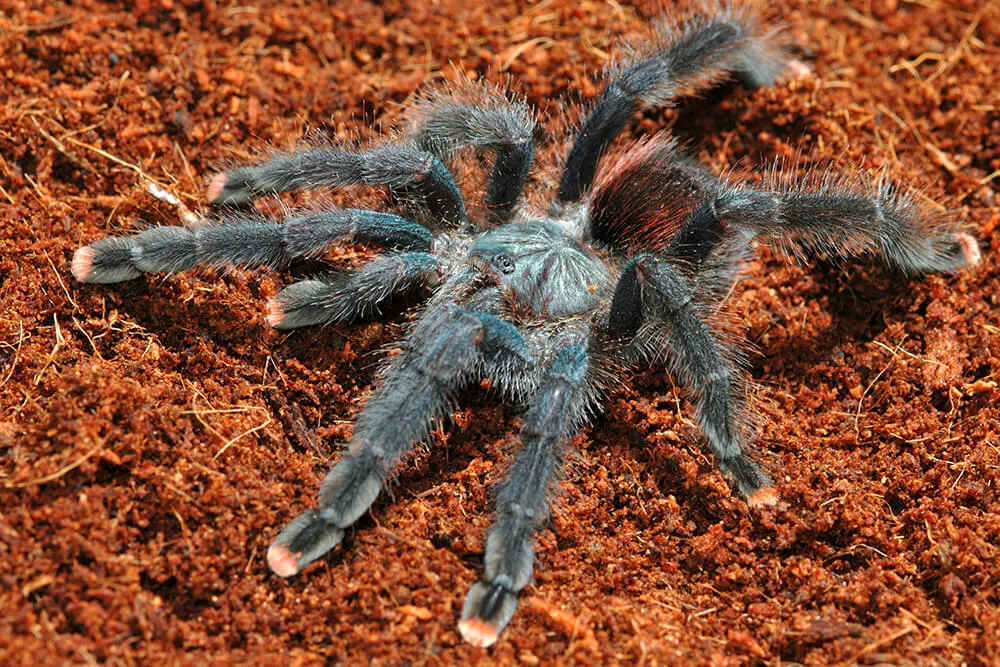
Identifying the Tarantula Mediterranea starts with understanding its physical characteristics. This spider, like other tarantulas, is easily recognizable due to its large size and hairy appearance. The body is divided into two main parts the cephalothorax (the fused head and thorax) and the abdomen. The cephalothorax houses the spider’s eyes, mouthparts, and legs, while the abdomen contains the internal organs. They typically have eight eyes arranged in a specific pattern, aiding in their vision. The legs are covered in fine hairs that help with sensory perception and movement. Knowing these basic features is the first step in differentiating the Tarantula Mediterranea from other spider species. Correct identification is crucial for appreciating its uniqueness and understanding its role in its ecosystem. Accurate identification also helps in conservation efforts by allowing researchers to track its population and habitat.
Distinctive Features

Distinctive features of the Tarantula Mediterranea include its size, which can range from 15 to 20 cm, including leg span, making it one of the larger spiders in its habitat. The presence of urticating hairs, which it flicks off its abdomen as a defense mechanism, sets it apart. These hairs cause irritation upon contact, deterring predators. The chelicerae, or fangs, are another notable feature, used for capturing prey and injecting venom. Coloration plays a vital role in camouflage, with shades of brown and grey blending seamlessly with the surrounding environment. Understanding these distinct features helps in accurate identification and appreciation of the adaptations that allow the Tarantula Mediterranea to thrive in its environment. The study of these features also contributes to a better understanding of tarantula evolution and their diverse adaptations.
Coloration and Size
Coloration in the Tarantula Mediterranea varies, but it typically exhibits shades of brown, grey, and sometimes reddish hues. This coloration serves as effective camouflage, allowing the spider to blend in with its surroundings, such as soil, rocks, and vegetation. The size of the Tarantula Mediterranea is another key identifying factor. The body length can reach up to several centimeters, with a leg span that can extend significantly. These spiders exhibit sexual dimorphism, meaning males and females can differ in size, with females generally being larger. The size and coloration are not just for aesthetics they play crucial roles in survival. The ability to camouflage helps the spider avoid predators and ambush prey. The spider’s size impacts its hunting abilities and overall fitness. Factors such as diet, age, and genetics influence the size and coloration of the tarantula, adding to its diversity.
Habitat and Distribution
The Tarantula Mediterranea’s habitat is primarily concentrated in the Mediterranean region, spanning across Southern Europe, including countries like Italy, Greece, and parts of the Balkans. It typically prefers warm, dry environments, such as grasslands, shrublands, and open woodlands. The spider constructs burrows in the ground, often under rocks or near vegetation, to provide shelter and protection. These burrows offer a stable microclimate, shielding the spider from extreme temperatures and predators. The distribution is influenced by factors such as climate, soil type, and the availability of prey. The range is not continuous, and it can be quite patchy, depending on suitable environmental conditions. Understanding the habitat is crucial for its conservation because habitat loss and degradation pose significant threats to tarantula populations. Protecting these areas is critical for the long-term survival of the Tarantula Mediterranea.
Geographic Range of the Tarantula Mediterranea

The geographic range of the Tarantula Mediterranea is centered around the Mediterranean basin. It includes Southern European countries like Italy, Greece, Albania, and parts of the Balkan peninsula. This range reflects the spider’s adaptation to the climate and landscape of the region. The distribution is not uniform, and local populations can vary widely depending on the availability of suitable habitats. Fragmentation of habitats due to human activities such as agriculture and urbanization poses challenges to its survival, isolating populations and reducing genetic diversity. Conservation efforts focus on protecting and restoring habitats within the known range, ensuring connectivity between populations. Monitoring the geographic range helps in assessing the tarantula’s conservation status and in implementing targeted conservation measures.
Preferred Habitats
Preferred habitats of the Tarantula Mediterranea are characterized by specific environmental features. These spiders favor warm, dry environments such as grasslands, shrublands, and open woodlands. They require well-drained soil, where they can construct their burrows, often under rocks or near vegetation. The presence of suitable prey, such as insects and small invertebrates, is crucial. The availability of sunlight, which helps maintain the soil temperature, is also important. The microclimate within the burrow is relatively stable, providing protection from extreme temperatures and predators. Habitat preferences are essential for understanding the spider’s behavior and conservation needs. Understanding the features will help determine how they adapt to human impact and develop conservation strategies.
Behavior and Lifestyle
The Tarantula Mediterranea exhibits a unique behavior and lifestyle, reflecting its adaptation to the Mediterranean environment. These spiders are primarily nocturnal, meaning they are most active during the night. They spend much of their time in their burrows, emerging to hunt for prey or seek mates. The spider’s hunting strategy involves ambushing prey that comes within reach of its burrow entrance. The social behavior is solitary, with adults typically living alone, except during mating season. The lifestyle is dictated by environmental factors such as temperature, humidity, and food availability. Understanding these behaviors is vital to conserving this species. Awareness and insight into its habits enable a greater level of protection and preservation of its natural habitat.
Hunting and Feeding Habits

Hunting and feeding habits of the Tarantula Mediterranea are critical to its survival. This spider is an ambush predator, meaning it waits for prey to come within striking distance before launching its attack. Its diet primarily consists of insects, such as grasshoppers, beetles, and other small invertebrates. The spider injects venom into its prey through its fangs, which paralyzes and pre-digests it. After the venom takes effect, the tarantula uses its chelicerae to crush the prey and consume the pre-digested fluids. The hunting strategy is influenced by its environment and the availability of prey. The spider’s size and venom potency affect its feeding success. Knowledge of the tarantula’s diet is important for habitat conservation and the assessment of ecosystem health.
Defensive Mechanisms
The Tarantula Mediterranea employs several defensive mechanisms to protect itself from predators. One key defense is its burrow, providing shelter and a retreat from threats. When threatened, the spider can also flick urticating hairs from its abdomen towards the perceived threat. These hairs cause irritation upon contact, deterring predators. The spider’s bite, although not usually fatal to humans, delivers venom and is another defensive measure. Its cryptic coloration helps it to blend with its environment, avoiding detection by predators. These defense mechanisms work in concert to increase the spider’s chances of survival in a challenging environment. Understanding these mechanisms is essential for respecting and conserving this spider, recognizing its role in the ecosystem.
Lifespan and Reproduction
The lifespan and reproduction of the Tarantula Mediterranea are key aspects of its life cycle. Females typically live longer than males, with lifespans that can extend several years. Males often mature faster and die shortly after mating. The reproduction process involves mating rituals, where males attract females and compete for the opportunity to mate. After mating, the female produces an egg sac, protecting the eggs until they hatch. The spiderlings undergo several molts as they grow, eventually reaching adulthood. The lifespan and reproductive patterns vary depending on factors such as habitat, food availability, and environmental conditions. Knowledge of this helps in understanding the spider’s population dynamics and conservation requirements.
Mating Rituals

Mating rituals of the Tarantula Mediterranea are complex and fascinating. Male tarantulas initiate the process by seeking out females, often by detecting pheromones. They engage in a courtship dance, which may involve drumming their pedipalps or tapping their legs to signal their intentions. Males must approach females cautiously to avoid being attacked. Once the male has successfully approached the female, he uses specialized structures on his pedipalps to transfer sperm to the female. The mating process is influenced by various factors, including the age and health of the individuals and environmental conditions. Successfully completing these rituals is essential for reproduction and the continuation of the species. The observation of these rituals enhances our understanding of tarantula behavior and the dynamics of their populations.
Egg Sacs and Spiderlings
The egg sacs and spiderlings of the Tarantula Mediterranea represent the next stage of the life cycle. After mating, the female produces an egg sac, which contains numerous eggs. The egg sac is typically made of silk and serves as a protective casing for the developing eggs. The female carefully guards the egg sac, protecting it from predators and environmental hazards. After several weeks, the eggs hatch, releasing tiny spiderlings. These spiderlings undergo several molts as they grow, gradually developing into adult tarantulas. The number of spiderlings in each egg sac can vary, influenced by the female’s size, age, and health. Understanding the development process is vital for species conservation and monitoring efforts. The success of egg hatching and spiderling survival is essential to population growth.