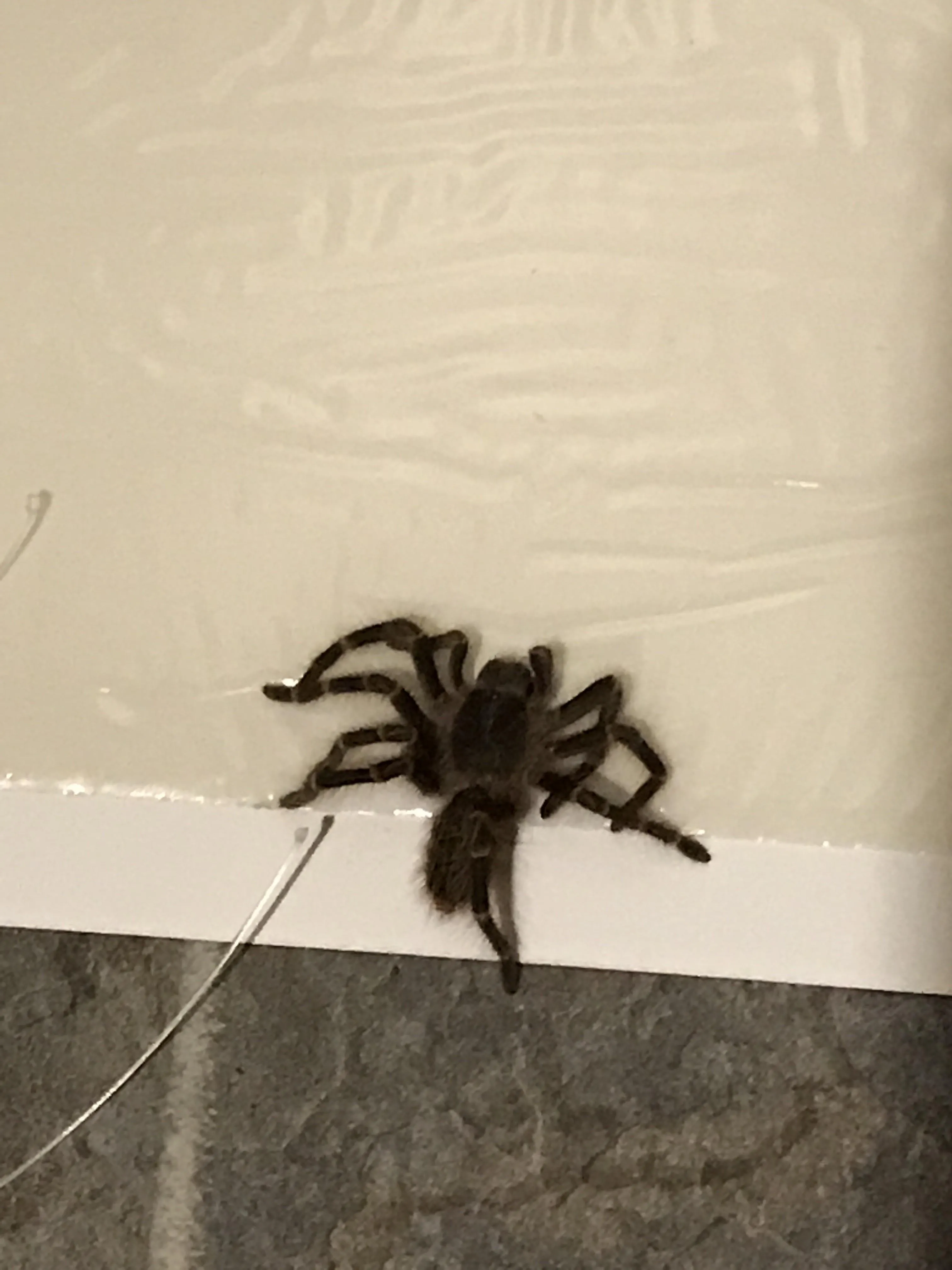
Understanding the Situation
Discovering a tarantula in your house can be a startling experience. Whether you are an arachnophobe or simply caught off guard, it’s essential to approach the situation calmly and with a clear understanding of the next steps. This guide aims to provide you with a practical, step-by-step approach to handle the immediate encounter and prevent future occurrences. By understanding the reasons why a tarantula might be in your home, you can take informed actions to ensure both your safety and the tarantula’s well-being.
Why is There a Tarantula in Your House?
Tarantulas, like many other creatures, enter homes for various reasons. They are often seeking shelter from harsh weather conditions, such as extreme heat or cold, especially during seasonal changes. Another primary motivator is the search for food. Your home might inadvertently offer a buffet of insects and other small invertebrates that tarantulas prey upon. Furthermore, tarantulas might be in search of a mate, particularly during their mating season, leading them to wander into unexpected places. Understanding these motivations can help you proactively address potential entry points and make your home less appealing to these eight-legged visitors.
Common Entry Points for Tarantulas

Tarantulas can find their way into your home through surprisingly small openings. Common entry points include cracks in foundations, gaps around doors and windows, vents, and even utility penetrations like pipes for gas or water. Unsealed crawl spaces, basements, and garages offer easy access, providing direct routes to the warmer, more stable conditions inside your house. Furthermore, overgrown vegetation near the house can provide a bridge for tarantulas to reach the walls and enter through any available cracks or crevices. Identifying and sealing these access points is crucial for preventing future infestations.
Identifying the Tarantula Species
Knowing the tarantula species in your home is important. While most tarantula species are not considered dangerous to humans, some can deliver a painful bite. Observe the spider from a safe distance if possible. Note its size, color, and any distinctive markings. Use online resources, field guides, or consult with a local pest control expert to help with identification. Identifying the species can also provide valuable information about its behavior and potential risks. A picture of the tarantula can also be helpful when consulting an expert.
Top 5 Things to Do Now
Stay Calm and Assess the Situation

The initial reaction to finding a tarantula in your house might be panic, but it’s essential to stay calm. Take a deep breath and assess the situation. Determine the tarantula’s location, its size, and its behavior. Ensure children and pets are away from the area. Evaluate whether you can handle the situation yourself or if you need to call for professional help. Staying calm will allow you to think clearly and make rational decisions, ensuring your safety and the effective management of the situation.
Contain the Tarantula
Once you’ve assessed the situation, your next step is to contain the tarantula. This can prevent it from moving around the house and potentially encountering family members or pets. Use a clear container, such as a large plastic bin or a sturdy glass jar, to trap the spider. Carefully place the container over the tarantula, making sure the opening is facing down to minimize the risk of escape or getting bitten. Then, slide a piece of cardboard or a sturdy piece of paper under the container to seal it, effectively trapping the tarantula inside. This will make it easier to capture and remove the spider safely.
Capture or Remove the Tarantula
With the tarantula contained, you can now proceed with its removal. For capture, carefully slide the cardboard or paper under the container, ensuring the spider is fully inside. Carry the container outside, away from your home, and gently release the tarantula in a safe outdoor location. If you’re uncomfortable handling the container yourself, you can call a friend, family member, or a professional pest control service for assistance. When removing, avoid direct contact with the tarantula and always prioritize your safety.
Inspect and Seal Entry Points

After removing the tarantula, conduct a thorough inspection of your home to identify potential entry points. Look for cracks in the foundation, gaps around doors and windows, and openings around pipes and vents. Seal these openings with caulk, weather stripping, or other appropriate materials. This not only prevents future tarantula intrusions but also helps in controlling other pests and improving energy efficiency in your home. Regular inspections and maintenance are essential to keep your home pest-free.
Consider Professional Help
If you are uncomfortable handling the tarantula, suspect a larger infestation, or are dealing with a particularly aggressive species, consider contacting a professional pest control service. Professionals have the expertise and equipment to safely remove the tarantula and identify any underlying issues that may be attracting them to your home. They can also provide guidance on long-term prevention strategies. Seeking professional help ensures the safe and effective removal of the tarantula, protecting both your family and the spider.
Preventing Future Tarantula Encounters
Making Your Home Less Appealing

To prevent future tarantula encounters, make your home less attractive to them. Reduce the number of insects and other small invertebrates that serve as their food source. Keep your yard and home free of clutter and debris, which can provide hiding places for both tarantulas and their prey. Remove any standing water, as it can attract insects. Ensure that your outdoor lighting does not excessively attract insects at night. By reducing the food supply and hiding spots, you make your home less appealing for tarantulas to inhabit.
Regular Inspections and Maintenance
Implement regular inspections and maintenance routines to keep tarantulas and other pests away. Inspect your home’s exterior and interior periodically, looking for potential entry points. Seal any cracks, gaps, or openings you find. Maintain your yard by keeping the grass mowed and trimming bushes and shrubs away from your home. Clean gutters and downspouts regularly to prevent water accumulation, which can attract insects. By being proactive and conducting routine checks, you can significantly reduce the likelihood of finding a tarantula in your house.
When to Contact a Professional
While many tarantula encounters can be managed with the steps mentioned in this guide, there are instances when professional help is the best course of action. If you are unsure of the tarantula species and its potential danger, it’s wise to seek expert advice. If you suspect a larger infestation, or if you have multiple sightings, it is important to contact professionals. Also, if you are simply uncomfortable with handling the situation yourself, a professional pest control service can safely remove the tarantula and provide valuable insights on preventing future occurrences. Your safety and peace of mind are always the top priorities.