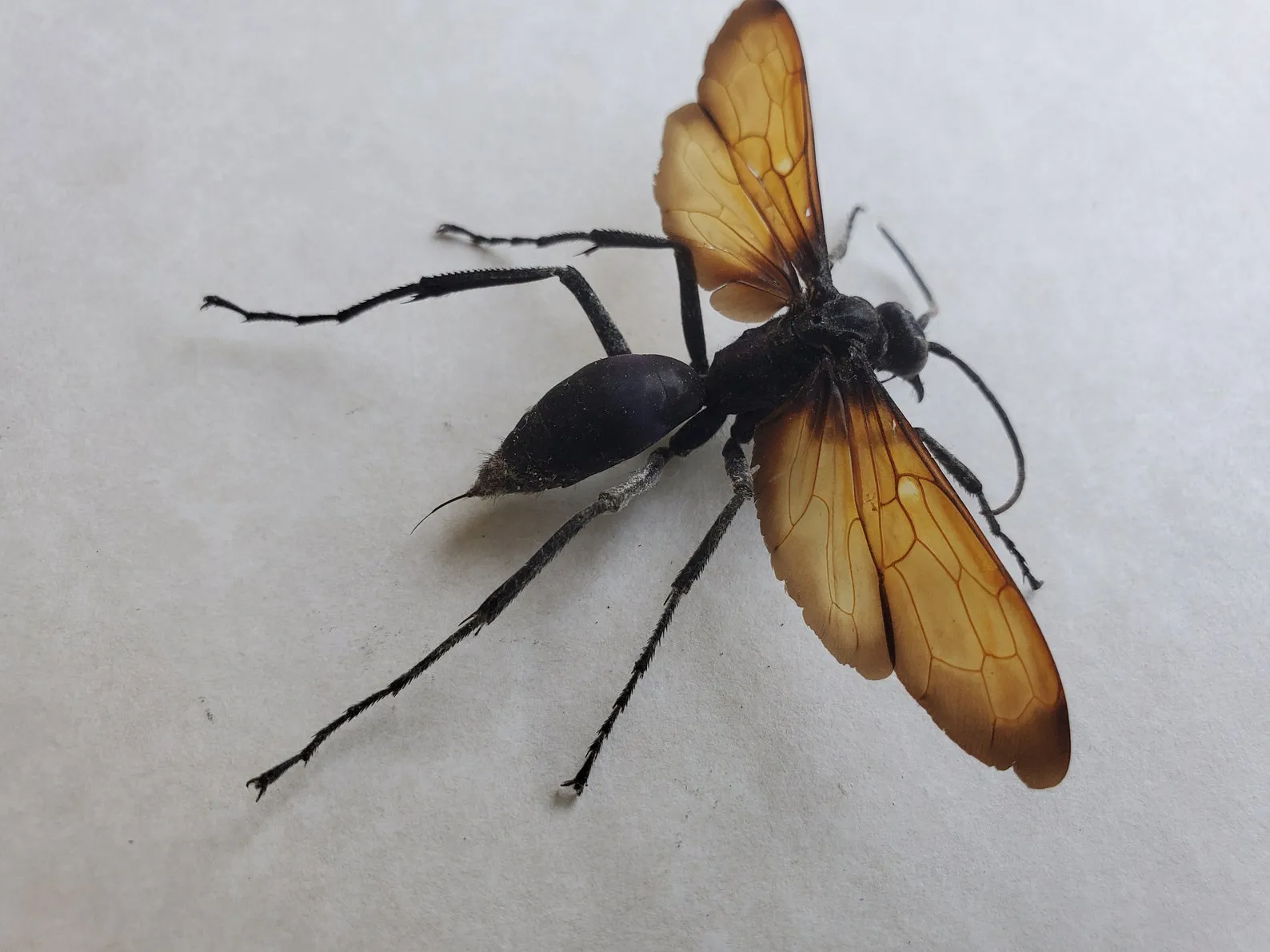
What is a Tarantula Hawk?
The tarantula hawk is a striking insect, a member of the Pompilidae family of spider wasps. It is renowned for its formidable size, vibrant coloration, and, most notably, its exceptionally painful sting. These wasps are not just notable for their sting; they also exhibit fascinating behaviors related to their lifecycle, particularly their unique hunting and parasitic habits. These wasps play a vital role in their ecosystems, controlling tarantula populations and contributing to the biodiversity of their habitats. Their presence serves as an indicator of a healthy ecosystem, highlighting the intricate balance of nature.
Appearance and Characteristics
Tarantula hawks are typically large, with body lengths ranging from 1 to 2 inches. They are easily identifiable by their striking appearance. Most species exhibit a vibrant coloration, with a combination of metallic blue-black bodies and bright orange wings. Some species may have different wing colors, but the contrast between the body and wings is a common trait. The body is robust and built for strength, reflecting their hunting lifestyle. Their legs are long and spiny, aiding in grasping prey and navigating their environments. Antennae are also quite prominent, used for sensing the environment and locating prey.
Habitat and Range

These wasps thrive in various habitats, including deserts, scrublands, and open areas. They are particularly common in the southwestern United States, including states like Arizona, New Mexico, and Texas, as well as parts of South America. Their distribution is closely tied to the presence of tarantulas, their primary prey. The wasps build their nests in the ground, often in sandy or loamy soils, and prefer warm climates. They are well-adapted to arid conditions, with the ability to survive long periods without water, relying on the moisture they obtain from their prey and surrounding environment. They are a testament to resilience in harsh environments, thriving where other insects struggle to survive.
The Tarantula Hawk’s Stinger
The tarantula hawk’s stinger is one of its most remarkable features, and a subject of considerable interest and, occasionally, fear. The stinger is not merely a defensive mechanism; it is a precisely engineered tool for subduing prey and ensuring the survival of the wasp’s offspring. The stinger is connected to venom glands which deliver a potent neurotoxin. This combination of physical structure and chemical composition make the tarantula hawk’s stinger a highly effective and feared weapon in the insect world.
Size of the Stinger
The stinger’s size is relatively large compared to other insects, reflecting the need to penetrate the thick exoskeleton of a tarantula. The stinger itself can measure several millimeters long, a significant length for an insect. This enables the wasp to inject venom deep into the tarantula’s body, ensuring paralysis. The size is a crucial adaptation, providing the necessary reach to effectively immobilize a tarantula, making the hunt successful. The size also contributes to the pain associated with the sting, as the injection site is larger.
Comparison to Other Insects

In comparison to other stinging insects, the tarantula hawk’s stinger is notably larger and more robust than those of bees, wasps, and hornets. The honeybee, for example, has a barbed stinger designed to remain embedded in its victim, which results in the bee’s death. Hornets and yellow jackets have smooth stingers that can be used multiple times. The tarantula hawk’s stinger, like that of other wasps, is not barbed, allowing for repeated stinging. The difference lies in the size and strength, which is matched to the size and defenses of its prey, the tarantula.
The Purpose of the Stinger
The primary purpose of the tarantula hawk’s stinger is to subdue tarantulas, their main food source for their larvae. This hunting behavior is critical for the wasp’s survival. The venom injected during the sting does not kill the tarantula but instead paralyzes it. This paralysis is a key factor in the wasp’s lifecycle, as the paralyzed tarantula serves as a living host for the wasp larva. The stinger, therefore, is a survival tool, allowing the wasp to provide for its offspring by procuring a source of fresh food that can survive for a long time.
Hunting and Paralysis
The tarantula hawk hunts by actively searching for tarantulas, often on the ground or in their burrows. The wasp will engage in a dangerous battle, using its agility and strength to overcome the tarantula’s defenses. The wasp will position itself, and the stinger will be carefully aimed at a nerve center, often a ganglion in the spider’s abdomen. The venom acts rapidly, paralyzing the tarantula almost instantly. The spider, now unable to move, becomes an easy target for the wasp to drag to its nest. The hunting is a testament to the tenacity and efficiency of the tarantula hawk.
Lifecycle and Brood Parasitism

After paralyzing the tarantula, the wasp will drag it to a pre-existing burrow or create its own. The wasp then lays a single egg on the spider’s abdomen. Once the egg hatches, the larva begins to feed on the paralyzed tarantula. The larva consumes the spider slowly, avoiding vital organs to keep the spider alive as long as possible. This parasitic relationship ensures that the larva has a constant supply of fresh food, growing and eventually pupating within the spider’s exoskeleton. The wasp emerges from the tarantula, beginning the cycle again.
The Venom’s Effect
The venom of the tarantula hawk is not lethal to humans, but it is excruciatingly painful. The venom is a potent neurotoxin that primarily affects the nervous system. The sting is known for causing an intense, immediate pain that is often described as one of the most painful insect stings in the world. The pain usually lasts for only a few minutes, but the impact of the experience is lasting, making it a memorable and feared encounter. The effect is more a matter of intense and temporary pain than any long-term damage, but the memory of the sting lingers.
Human Impact and Treatment
While the tarantula hawk sting is rarely life-threatening, the pain is extreme. Encounters with these wasps are relatively uncommon, but when they do occur, it’s essential to know how to respond. The primary concern is mitigating the pain, which can be overwhelming. The focus is on providing comfort and ensuring that the individual is safe and secure. Understanding the effects of the venom and knowing how to care for oneself after being stung is key to a smooth and safe recovery.
What Happens if Stung?

The primary symptom of a tarantula hawk sting is intense, immediate pain. The pain is the most immediate and significant effect. The pain will usually dissipate within a few minutes, but the experience can be shocking. Localized swelling and redness are also common at the site of the sting. In rare cases, some people may experience more severe reactions, such as nausea or dizziness. However, these reactions are very rare. After the initial burst of pain, the symptoms usually subside quickly, but the memory of the sting can linger for a long time.
Treatment and First Aid
There is no specific antidote for a tarantula hawk sting. Treatment primarily focuses on managing the pain. Here are some first aid recommendations: seek a safe location and remain calm, as stress can worsen the sensation of pain. You can also apply an ice pack to the sting site to reduce swelling and soothe the area. Over-the-counter pain relievers like ibuprofen or acetaminophen can help manage the pain. Remove the stinger if visible, but do not squeeze the area, as this could spread the venom. Monitor for any severe allergic reactions, though they are uncommon. Seek medical attention if symptoms worsen or persist.
Precautions and Prevention
Preventing stings is the best course of action. When in areas where tarantula hawks are present, be mindful of your surroundings and wear protective clothing. Avoid wearing brightly colored clothing, as this may attract wasps. Avoid sudden movements if you encounter one, as this may provoke them. If you see a tarantula hawk, maintain a safe distance and avoid disturbing it. Be cautious around potential nesting sites, such as burrows in the ground or exposed areas. Knowing the habits of these wasps, and using common sense will go a long way towards preventing stings.
Tarantula Hawk Myths vs Realities

Tarantula hawks are often subject to myths and exaggerations due to the intensity of their sting and their striking appearance. Understanding the facts about these insects can help dispel misconceptions and promote a more accurate understanding of their behavior and role in the ecosystem. Separating fact from fiction is important to appreciate the tarantula hawk without unnecessary fear.
Debunking Common Misconceptions
One common misconception is that the tarantula hawk’s sting is lethal to humans, which is untrue. While the pain is intense, the venom is not intended to be fatal to humans. The pain is more about immobilizing the prey, the tarantula. Another misconception is that the tarantula hawk is aggressive. While they are capable hunters, they are not inherently aggressive towards humans and will only sting if provoked or threatened. Many people also overestimate the frequency of stings, which are actually relatively rare. Dispelling these myths fosters a more balanced view of the tarantula hawk.
Fascinating Facts
Beyond the stinger and the sting, tarantula hawks exhibit some unique behaviors and adaptations. For example, they have incredibly specialized vision to locate tarantulas, which have very poor eyesight. Their hunting skills are honed through intricate learning and practice. The wasp’s ability to control its prey is another interesting aspect of its survival. The entire lifecycle is adapted to the existence of tarantulas.
The Tarantula Hawk in Popular Culture

The tarantula hawk, due to its formidable reputation, has made appearances in various forms of media. The insect has been featured in documentaries and educational programs, highlighting its hunting behavior and the effects of its sting. It has been mentioned in fictional stories and video games, usually emphasizing the dangerous side of the insect. The presence of the tarantula hawk in popular culture reflects the fascination and awe that people have for the natural world.