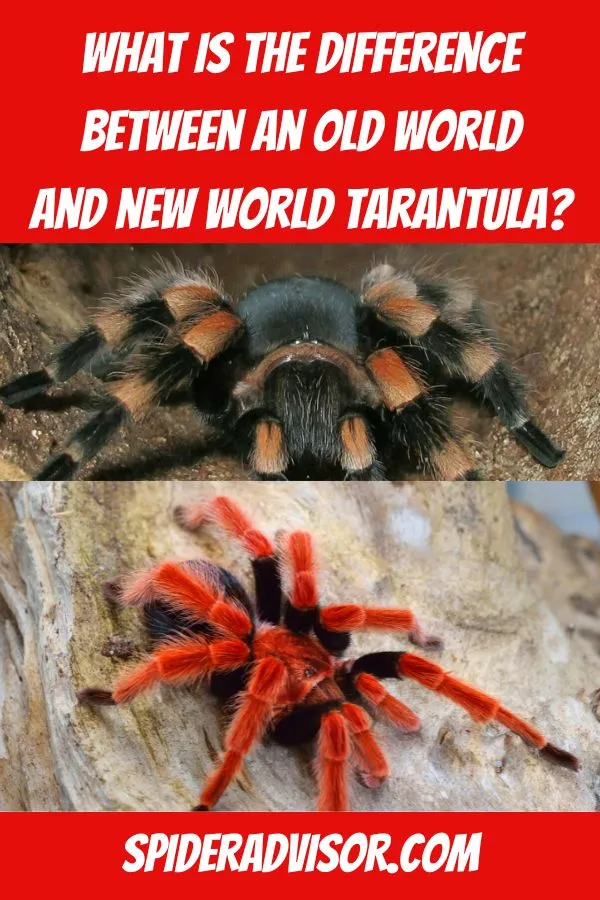
Choosing Your Tarantula
Welcoming a tarantula into your home can be an incredibly rewarding experience. These fascinating creatures offer a unique opportunity to observe and learn about the natural world. However, before you bring a tarantula home, it’s crucial to do your research and prepare adequately. This guide will walk you through the essential steps of tarantula care, from choosing the right species to setting up their habitat and providing proper nutrition. Consider your lifestyle and experience level. Some tarantulas are more docile and beginner-friendly than others. It is important to familiarize yourself with the different species and their specific needs, as their care requirements can vary significantly. Look for reputable breeders or pet stores that prioritize the health and well-being of their animals. Avoid purchasing tarantulas from sources that seem unprofessional or do not provide adequate information about the spider’s origin and care.
Old World vs New World Tarantulas Differences
One of the first distinctions to understand is the difference between Old World and New World tarantulas. This classification refers to their geographical origin, which significantly impacts their behavior and care requirements. New World tarantulas, hailing from the Americas, are generally considered more docile and easier to handle. They possess urticating hairs, which they flick off their abdomens as a defense mechanism, causing irritation if they land on your skin. Old World tarantulas, originating from Asia, Africa, and Australia, are known for being more defensive and possess a more potent venom. They lack urticating hairs, relying instead on their bite as a primary defense. If you’re new to tarantula ownership, it’s usually best to start with a New World species due to their typically milder temperament and less potent venom. Researching the specific species you are interested in is crucial, as individual behaviors can vary, but these general guidelines provide a good starting point for understanding the tarantula world.
Size and Appearance

Tarantulas come in a vast array of sizes, colors, and patterns, adding to their appeal as pets. Their size varies greatly depending on the species, with some reaching a leg span of over 10 inches. The overall appearance of tarantulas is defined by their two main body parts: the cephalothorax (fused head and thorax) and the abdomen. They have eight legs, two pedipalps (used for sensing and manipulating food), and chelicerae (fangs) located near the mouth. The colors can range from the vibrant blues and oranges of some New World species to the more subdued browns and blacks of others. The hairs on their bodies can also have different textures and densities, contributing to their unique look. When choosing a tarantula, consider the size you are comfortable with and the aesthetic appeal of different species. Remember, the size of your tarantula will influence the size of the enclosure needed for them to thrive. The appearance of a tarantula can also be an indicator of its health, so watch for vibrant colors, plumpness, and overall activity.
Temperament and Handling
Temperament is a crucial factor in determining whether a tarantula is a good fit for you. As mentioned earlier, New World tarantulas are generally more docile and less prone to biting, making them a better choice for beginners. However, even these species can be skittish or defensive if they feel threatened. Old World tarantulas are known for their more aggressive nature and should be handled with extreme caution. Handling a tarantula is generally not recommended, especially for inexperienced keepers. Tarantulas are delicate creatures, and rough handling can injure them. Furthermore, a bite from a tarantula, particularly an Old World species, can be painful and may cause other reactions. If you choose to handle your tarantula, do so only when necessary and in a controlled environment, such as over a soft surface. Always be mindful of the spider’s behavior and avoid sudden movements. Remember that each tarantula has its own unique personality. Research the species’ typical behavior before handling.
Habitat Setup for Your Tarantula
Providing the right habitat is fundamental to the well-being of your tarantula. Their enclosure should mimic their natural environment as closely as possible to ensure their physical and psychological health. This includes the size, substrate, decor, temperature, and humidity. The right setup can reduce stress and provide enrichment, allowing your tarantula to thrive. A well-planned habitat will not only keep your tarantula healthy but also make it more enjoyable to observe. Consider the specific needs of your chosen tarantula species and adjust the setup accordingly. This may involve adjusting the height of the enclosure or the type of substrate, depending on the species’ preferences. The goal is to create an environment that meets all of their needs and allows them to exhibit their natural behaviors.
Enclosure Size

The size of the enclosure is vital for the health and well-being of your tarantula. The enclosure should be large enough for your tarantula to move around and feel comfortable. However, it should not be excessively large, as this can make it difficult for the tarantula to find its food and feel secure. A good rule of thumb is to provide an enclosure that is at least three times the tarantula’s leg span in width. The height of the enclosure depends on the species. Terrestrial tarantulas need more floor space, while arboreal species require height for climbing. Ensure the enclosure has a secure lid to prevent escapes. The lid should be well-ventilated to allow for proper airflow and to prevent the buildup of humidity. Avoid using enclosures made of materials that could be toxic to your tarantula, such as certain types of wood or plastic. Consider the growth potential of your tarantula and choose an enclosure that will accommodate its adult size. Having an enclosure that is too small for your spider could lead to stress and health issues.
Substrate and Decor
The substrate is the bottom layer of your tarantula’s enclosure, providing a comfortable surface for them to walk on and burrow in. The appropriate substrate also helps to maintain the correct humidity levels. The best substrate options include coconut fiber, peat moss, and a mixture of both. Avoid using substrates that are toxic or that can mold easily, such as cedar shavings. The depth of the substrate should be sufficient for your tarantula to burrow. For terrestrial species, this means several inches deep. For arboreal species, a shallower layer is sufficient. Decorate the enclosure with items that will enrich the environment and provide hiding places for your tarantula. This can include cork bark, artificial plants, and other non-toxic objects. Ensure that all decorations are securely placed to prevent them from falling and harming your tarantula. Provide a water dish, which should be shallow enough to prevent drowning. Regular cleaning of the enclosure is essential to maintain a healthy environment.
Temperature and Humidity
Temperature and humidity are critical factors for the health and well-being of your tarantula. Most species thrive in temperatures between 75 and 85 degrees Fahrenheit (24 to 29 degrees Celsius). Use a thermometer to monitor the temperature in the enclosure and adjust the heating accordingly. Avoid placing the enclosure in direct sunlight or near a heat source that could overheat it. Humidity levels vary depending on the species. Generally, New World tarantulas require higher humidity than Old World species. Use a hygrometer to measure humidity levels and adjust them as needed. You can increase humidity by misting the enclosure with water regularly. Ensure that the enclosure has adequate ventilation to prevent the buildup of mold and bacteria. Proper temperature and humidity levels will help your tarantula to molt successfully, stay hydrated, and maintain overall health. Check your species’ specific requirements for the ideal temperature and humidity.
Feeding Your Tarantula

Providing proper nutrition is essential for the health and growth of your tarantula. Tarantulas are carnivores, so their diet primarily consists of insects. The type, frequency, and amount of food depend on the species, age, and size of your tarantula. It’s crucial to understand these factors to ensure you’re providing adequate nutrition without overfeeding. Feeding your tarantula correctly can help them to grow well and live a long and healthy life. Consider the natural feeding habits of your tarantula species when planning their diet. Different species will have different preferences and feeding patterns. This understanding allows you to create a feeding schedule that suits their needs.
What to Feed Tarantulas
The primary food source for tarantulas is insects. Crickets, mealworms, and roaches are common and readily available options. You can also offer other insects, such as grasshoppers, waxworms, and superworms, as treats. Avoid feeding your tarantula insects that have been exposed to pesticides or insecticides. Before feeding, it is recommended to gut-load the insects with nutritious food, such as fruits and vegetables, to provide your tarantula with additional nutrients. The size of the insects should be appropriate for your tarantula. They should be no larger than the tarantula’s body. Variety in the diet is important to ensure that your tarantula receives a balanced intake of nutrients. Offer a variety of different insects and feeding times to keep their diet exciting. Ensure you remove uneaten food within a day to prevent the buildup of mold and bacteria. Keeping the enclosure clean is vital for your tarantula’s health.
Feeding Frequency and Amount
The feeding frequency and amount depend on the age and size of your tarantula. Spiderlings, or young tarantulas, should be fed more frequently than adults. Feed spiderlings every other day or even daily, providing them with small insects appropriate for their size. As they grow, you can gradually reduce the feeding frequency. Adult tarantulas typically need to be fed once or twice a week. The amount of food should be adjusted based on the tarantula’s appetite and body condition. A well-fed tarantula will have a plump abdomen. If the abdomen is too large, reduce the amount of food. If it is too small, increase the food amount. Overfeeding can lead to health problems, such as obesity and difficulty molting. Underfeeding, however, can stunt their growth. Keep a regular schedule for feeding to make monitoring their eating habits easier. Watch for signs of stress or changes in their behavior, and adjust the feeding schedule as needed.
Water and Hydration

Access to fresh water is crucial for your tarantula’s health. Provide a shallow water dish that is easily accessible. The water dish should be shallow enough to prevent drowning. Use a water dish that is appropriate for the size of your tarantula. A bottle cap can be suitable for smaller species. The water should be clean and fresh. Replace the water regularly to prevent the buildup of bacteria and algae. Misting the enclosure can also provide hydration, especially for species that prefer higher humidity. Observe your tarantula’s behavior to ensure it is drinking enough water. If the tarantula appears dehydrated or its abdomen seems shrunken, increase the frequency of misting or ensure it has easy access to water. Proper hydration is essential for molting and overall well-being. You must keep the water clean, because it affects the health of the tarantula and keeps it clean.
Health and Common Issues
Tarantulas are generally hardy creatures, but they are still susceptible to certain health problems. Understanding common issues and how to prevent them can help you keep your tarantula healthy and thriving. Regular observation of your tarantula’s behavior and appearance is the best way to detect early signs of illness. Knowing what to look for and how to respond can make all the difference in the long run. Familiarize yourself with common symptoms and potential treatments to give your tarantula the best care. This includes a balanced diet, proper environmental conditions, and a stress-free environment. Regular care helps you spot any changes and give proper attention to your tarantula’s health.
Recognizing a Healthy Tarantula
A healthy tarantula should have a plump abdomen, indicating that it is well-fed and hydrated. The tarantula should be active and alert, moving around its enclosure with ease. The legs should be intact and functioning correctly. The colors should be vibrant and consistent with the species’ natural coloration. Look for a smooth, shiny exoskeleton (the outer covering) that is free of any blemishes or deformities. The tarantula should be eating regularly and drinking water. If you are able to see it, the fangs should be clean and undamaged. Healthy tarantulas generally exhibit natural behaviors like burrowing, web-spinning, and exploring their surroundings. A healthy tarantula will display active behaviors that vary depending on the species and individual personality.
Common Health Problems

Several common health problems can affect tarantulas. Dehydration can result from lack of water, or low humidity. Symptoms include a shrunken abdomen, lethargy, and difficulty moving. Respiratory infections are another common concern, often caused by poor ventilation or excessively humid conditions. Symptoms include laboured breathing and a loss of appetite. Parasites are a possibility, such as mites, which can attach to the tarantula’s body and cause irritation. External injuries can occur from falls or rough handling. Always quarantine new tarantulas to reduce the chance of bringing parasites to your other spiders. If you suspect your tarantula is ill, consult with a veterinarian experienced in exotic animals. It’s essential to keep the enclosure clean and maintain proper environmental conditions to prevent health issues. Early detection and treatment are key to successful outcomes. If your tarantula is showing any concerning symptoms, it’s important to consult with a veterinarian.
Shedding and Molting
Molting is a natural process where tarantulas shed their exoskeleton to grow. Young tarantulas molt frequently, sometimes every few months, while adults molt less often, perhaps once a year or less. During molting, the tarantula will become inactive and may refuse food. It will often lay on its back and gradually wriggle out of its old exoskeleton. It is crucial not to disturb a tarantula during molting, as any interference can be fatal. After molting, the tarantula’s new exoskeleton will be soft and vulnerable. Avoid handling the tarantula for a few days until its new exoskeleton hardens. Provide adequate humidity during the molting process to help the tarantula to shed its old skin. Watch for any signs of difficulty molting, such as the tarantula struggling for an extended period, which may require intervention. If the tarantula is unable to remove the old skin on its own, it can be a serious health risk. If a tarantula is having trouble molting, consulting with a veterinarian or experienced tarantula keeper is recommended. Providing appropriate care will help the tarantula to shed safely and successfully.
Conclusion
Caring for a tarantula is a rewarding experience, providing a unique opportunity to appreciate these fascinating creatures. By following the guidelines in this guide, you can create a healthy and enriching environment for your tarantula to thrive. Remember to research the specific species you choose and adapt your care accordingly. With proper care and attention, you can enjoy the company of your tarantula for many years to come. Always prioritize the well-being of your tarantula and seek expert advice when needed. Enjoy the journey of learning and discovery that comes with owning these amazing animals. The more you understand about your tarantula’s needs, the better you will be equipped to provide the care it deserves.