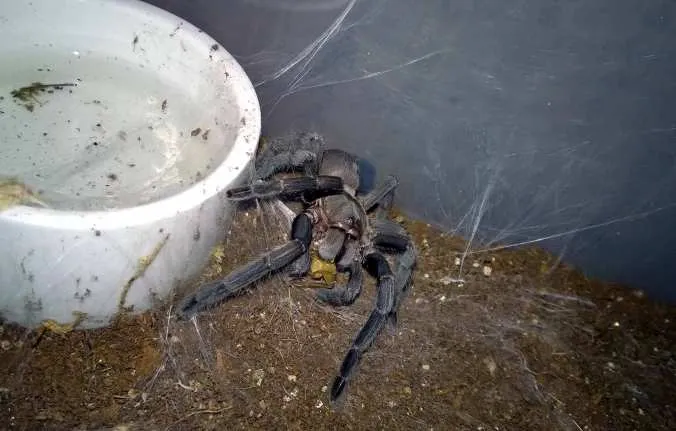
Choosing the Right Tarantula Food
Feeding a tarantula might seem straightforward, but ensuring your pet thrives requires a well-thought-out approach. The right food is essential for a tarantula’s health, growth, and overall well-being. This comprehensive guide will help you understand the best food options, how often to feed, and how to create an optimal feeding environment. Understanding the nutritional needs of your tarantula is the first step. With proper care and attention to detail, you can ensure your tarantula leads a long and healthy life. Let’s explore the world of tarantula feeding and provide the best possible care for your eight-legged friend.
Live Insects as the Primary Food Source
Live insects are the cornerstone of a tarantula’s diet, mimicking their natural feeding habits. They provide essential nutrients and the necessary stimulation for the spider. Crickets, mealworms, and roaches are common choices, each with their advantages and disadvantages. The key is to provide a variety to ensure a balanced diet. It is also essential to source insects from reputable pet stores or breeders to avoid introducing parasites or pesticides into your tarantula’s enclosure. Always make sure the insects are gut-loaded (fed nutritious food before being offered to your tarantula) to maximize the nutritional value for your spider. Remember, a varied diet is key to a healthy tarantula.
Understanding Insect Nutrition

Different insects have different nutritional profiles, affecting your tarantula’s health. Crickets are a good source of protein, while mealworms offer a higher fat content. Roaches, like Dubia roaches, are often considered a superior option because they are high in protein and easy to digest. It’s helpful to research the nutritional content of various insects to make informed choices. Feeding insects a nutritious diet before offering them to your tarantula is crucial. This process, known as gut-loading, enhances the insects’ nutritional value. By gut-loading, you are essentially delivering a pre-digested meal of vitamins and minerals to your tarantula, supporting its overall health and vitality.
Selecting Appropriate Insect Sizes
The size of the insect should always be appropriate for your tarantula. As a general rule, the insect should be no larger than the tarantula’s body length. For spiderlings and young tarantulas, smaller insects like pinhead crickets or small mealworms are best. For adult tarantulas, larger prey, such as adult crickets or appropriately sized roaches, is suitable. Overly large prey can stress or even injure a tarantula, while undersized prey may not provide enough sustenance. Observe your tarantula as it feeds, and adjust the size of the prey accordingly. If your tarantula appears overwhelmed by a particular insect, choose a smaller option. Proper sizing ensures the tarantula’s safety and facilitates efficient feeding, promoting a healthy feeding habit.
Commercial Diets and Supplements
While live insects are the primary food source, some keepers consider supplementing their tarantula’s diet with commercial options or supplements. These are designed to provide additional nutrients or convenience, but they should not replace live prey. Commercial diets are often formulated to meet the nutritional needs of arachnids, and they can offer a balanced combination of vitamins and minerals. Supplements, such as calcium and vitamin powders, are available to boost the nutritional value of insect meals, supporting healthy growth and molting. It is essential to research and select high-quality, reputable products if you choose to include supplements in your tarantula’s diet. Keep in mind that live insects should always be the primary component of the diet, as they also provide the natural hunting and feeding behaviors that stimulate a tarantula.
Pros and Cons of Commercial Options

Commercial diets can offer convenience and a pre-formulated nutritional balance, which can be a plus for busy keepers. They can also be a good option for supplementing a tarantula’s diet. However, commercial options may not offer the same level of stimulation as live prey and might not be as readily accepted by all tarantulas. Some keepers may prefer the natural aspect of feeding live insects, while others value the ease of use and reduced risk of escape. When using commercial options, consider the ingredients, nutritional content, and the tarantula’s acceptance of the food. Always observe your tarantula’s behavior and adjust the diet accordingly. Variety in the diet, incorporating both live prey and, if suitable, commercial options, can provide a well-rounded nutritional profile for your pet.
Supplements for Tarantula Health
Certain supplements can boost your tarantula’s diet, particularly those containing calcium and vitamins. Calcium is vital for healthy exoskeletons and strong molts. Vitamin supplements can help prevent nutritional deficiencies and improve overall health. When using supplements, always follow the manufacturer’s instructions and avoid over-supplementing. Overuse of supplements can lead to health problems. Some keepers dust insects with a calcium and vitamin powder before feeding them to the tarantula. This method ensures the spider gets a dose of the supplement with its meal. Always prioritize a varied diet of live prey and supplement with care. Consulting with an experienced tarantula keeper or a vet familiar with arachnids is recommended for specific supplement advice.
How Often to Feed Your Tarantula
The frequency of feeding depends heavily on your tarantula’s age and size. Spiderlings and juveniles, which are actively growing, typically require more frequent meals. Adults, with slower metabolisms, need less frequent feeding. Overfeeding can lead to obesity and other health problems. Establishing a feeding schedule based on these factors will help you keep your tarantula healthy and well cared for. Monitor your tarantula’s behavior and body condition. If the abdomen appears overly round or swollen, it may be a sign of overfeeding. Adjust the frequency and amount of food provided accordingly. Regularly observe your pet’s eating habits to ensure it is maintaining a healthy weight.
Feeding Frequency Based on Spider Age

Spiderlings require more frequent feedings, often every 2-3 days, to support their rapid growth. Juveniles can be fed once or twice a week, depending on their size and activity level. Adult tarantulas generally only need to be fed once a week or even less frequently, sometimes every 10-14 days. Always tailor the feeding schedule to your tarantula’s specific needs, considering factors like species, individual metabolism, and environmental conditions. During molting, feeding should be stopped, as the spider is vulnerable. After a molt, wait a few days before resuming feeding to allow the new exoskeleton to harden. Carefully monitor the spider’s behavior and adjust the feeding schedule to ensure it is healthy.
Feeding Frequency Based on Spider Size
The size of your tarantula greatly influences the frequency of feeding. Smaller tarantulas and spiderlings require more frequent meals compared to larger adults. Spiderlings and juveniles, being in a crucial growth phase, benefit from more regular feedings, helping them develop properly. Monitor your tarantula’s abdomen size and eating habits to adjust your feeding routine. It is essential to observe your tarantula’s behavior and health. If the abdomen appears plump, reduce the frequency of feedings. Conversely, if the abdomen appears thin, you may need to increase the feeding frequency. Adjusting to the spider’s size helps maintain the right balance.
Recognizing and Responding to Refusal to Eat
Tarantulas, like any pet, may sometimes refuse to eat. This behavior can be stressful for keepers, but it is often a normal part of a tarantula’s life cycle. Identifying the cause of the refusal is critical to ensuring the spider’s well-being. Many factors can contribute to a tarantula refusing food, from the pre-molt cycle to environmental stressors. Understanding the common reasons and learning how to troubleshoot the situation will help you manage your tarantula’s eating habits effectively. Always remain calm and patient. Many instances of food refusal are temporary and resolve on their own. If the refusal persists, seek advice from an experienced tarantula keeper or a vet specializing in arachnids.
Common Reasons for Food Refusal

One of the most common reasons for food refusal is the pre-molt cycle. Tarantulas often stop eating in the weeks leading up to a molt. Other factors include stress from environmental changes, such as temperature or humidity fluctuations. Also, a tarantula may refuse food if it is preparing to mate. Sometimes, the prey may simply not be appealing. Sometimes, a tarantula might refuse food if it is sick or if its enclosure is not suitable, e.g., if the temperature or humidity levels are off. Observing your tarantula’s overall behavior will help you identify the cause of refusal. Keeping a record of your tarantula’s molting cycle and eating habits can assist in identifying potential causes.
Troubleshooting and Solutions
If a tarantula refuses food, first, rule out the pre-molt stage by checking for signs like a darkened abdomen or sluggish behavior. Ensure that the enclosure is set up correctly, with appropriate temperature and humidity levels. If your tarantula has been recently moved or if other environmental changes have occurred, provide a calm and stable environment to reduce stress. Try different types of prey to see if a change in diet sparks an interest. Ensure fresh, clean water is available. If the refusal persists for an extended period, consult with an experienced tarantula keeper or veterinarian. Remember to be patient. Often, the issue resolves itself with time. Focus on creating an optimal environment for your tarantula.
Providing Water for Hydration
Water is essential for a tarantula’s health. It helps with molting and overall hydration. It is crucial to have a reliable water source in the enclosure at all times. Dehydration can be detrimental, so ensuring the water supply is constantly available is a priority. A dehydrated tarantula will show signs like a wrinkled abdomen or a general lack of energy. By maintaining proper hydration, you will help support all the bodily functions of your pet. Always monitor the water source for cleanliness, ensuring the well-being of your tarantula. Provide water to help your tarantula to remain healthy and thrive.
Water Sources and Maintenance

The most common water source is a shallow water dish, typically a small, easily accessible container. You can also use water crystals, especially for spiderlings. Regularly check and refill the water dish to ensure it is always full. Clean the water dish frequently, typically once or twice a week, to prevent the growth of bacteria or algae. Sponges can be used with caution, ensuring they are kept clean and do not pose a drowning hazard. When adding water, use dechlorinated water to avoid introducing harmful chemicals. Provide a shallow dish to prevent accidental drowning, particularly for smaller tarantulas. Maintain a clean and accessible water source to meet your pet’s hydration needs.
Importance of Fresh Water
Providing fresh, clean water is crucial for your tarantula’s health and well-being. Dirty water can harbor bacteria and pathogens, potentially causing illness. Regularly replacing the water prevents the buildup of harmful substances. Fresh water supports healthy molting, as proper hydration aids in the process. Monitor the water quality regularly, looking for any signs of contamination, such as debris or algae. Refilling the water dish ensures the tarantula always has a clean source for drinking. A clean water source ensures your pet is healthy and thriving. Make it a habit to check the water source daily, refreshing as needed, which will help ensure your tarantula remains healthy.
Maintaining a Healthy Feeding Environment
A healthy feeding environment is essential for your tarantula’s well-being. Proper temperature, humidity, and cleanliness are all factors. Keeping the enclosure clean reduces the risk of disease and promotes a stress-free atmosphere. Regularly maintaining the enclosure creates an environment where your tarantula can thrive. A clean and controlled environment is essential to create a healthy and thriving environment for your tarantula. Monitor conditions inside the enclosure and adjust the environment accordingly. Always prioritize cleanliness. Regular cleaning ensures the longevity and good health of your pet.
Temperature and Humidity Considerations

Temperature and humidity play significant roles in a tarantula’s health. Research the specific requirements for your tarantula species. Providing the correct environment can boost your pet’s appetite and ability to digest food. Maintaining the correct levels supports healthy molting and overall vitality. Too high or too low temperature or humidity can stress the tarantula, leading to refusal to eat or health problems. Use a thermometer and hygrometer to monitor conditions. Adjust the environment as needed. Ensure that the setup for your tarantula matches its natural environment. By controlling the temperature and humidity, you create the conditions for successful feeding and healthy development.
Cleaning the Enclosure After Feeding
Cleaning the enclosure after feeding helps maintain a healthy environment. Remove any uneaten prey items promptly. Decaying insects can attract mites or other unwanted pests. Regular removal of food debris helps prevent the spread of bacteria and diseases. Spot-clean the enclosure regularly, removing any waste products, such as uneaten food or fecal matter. Provide an environment where your pet thrives. Maintaining a clean enclosure will keep your tarantula healthy. Regularly inspect the enclosure after feeding, promptly removing any uneaten food to maintain a hygienic environment. Cleaning the enclosure regularly is important for a thriving and healthy pet.
7 Tips for Successful Tarantula Feeding
Feeding tarantulas is a rewarding experience, and these tips will help you succeed: always research the specific needs of your tarantula species. Offer a varied diet of live insects, gut-loading them for enhanced nutrition. Adjust the feeding frequency based on your tarantula’s age, size, and stage. Monitor the abdomen size to prevent overfeeding. Provide fresh, clean water at all times. Maintain the correct temperature and humidity levels. Regularly clean the enclosure to ensure a healthy environment. By following these tips, you can provide the best care for your tarantula. Providing the correct diet, offering the correct environment, and monitoring the behavior will help your tarantula thrive. With proper care and attention, you can ensure your eight-legged friend leads a long and healthy life.