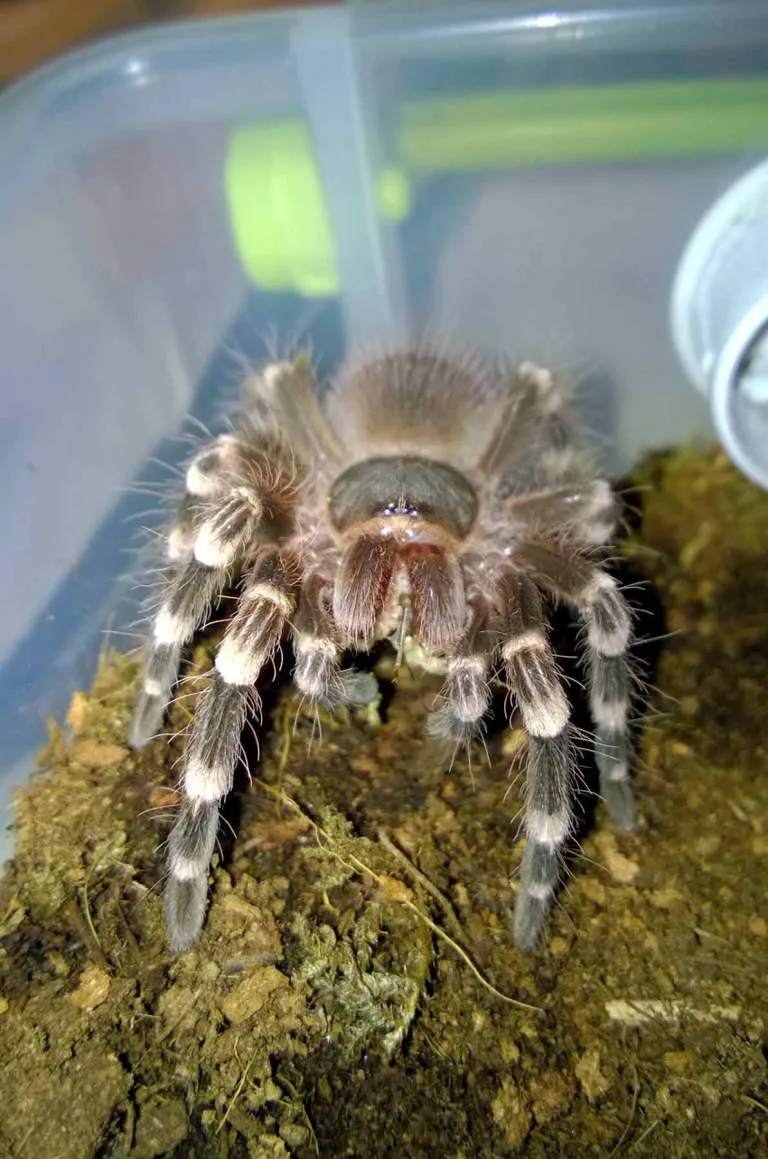
What Factors Influence Tarantula Feeding Frequency?
Understanding how often to feed your tarantula is crucial for its health and well-being. Several factors influence the ideal feeding frequency, making it essential to tailor your approach to your specific pet. These factors include the tarantula’s age, species, size, and metabolism. Ignoring these elements can lead to overfeeding, underfeeding, or other health problems. In this guide, we will delve into each of these factors, providing you with the knowledge you need to create a personalized feeding schedule that keeps your tarantula thriving. By considering these elements, you can ensure your eight-legged friend lives a long, healthy, and fulfilling life. Remember that observation is key, so always watch your tarantula’s behavior and adjust its feeding schedule accordingly to meet its specific needs.
Tarantula’s Age
A tarantula’s age plays a significant role in its feeding requirements. Younger tarantulas, often referred to as spiderlings, have higher metabolic rates and require more frequent feeding to support their rapid growth. As tarantulas mature, their growth slows down, and their feeding needs decrease. It is very important to adjust the feeding schedule accordingly to prevent both underfeeding and overfeeding, which can be detrimental to the tarantula’s health. Proper feeding during different life stages is critical for the overall health and longevity of your tarantula. Regular monitoring of growth and activity levels, will help you determine if any adjustments are needed to provide the optimal nutrition for each stage of life. Feeding schedule is key to the tarantula’s growth.
Tarantula’s Species

Different tarantula species have different feeding needs. Some species are naturally more voracious eaters, while others have slower metabolisms and require less frequent feeding. Researching the specific dietary requirements of your tarantula species is important. Certain species might be prone to obesity if overfed, while others might be more sensitive to periods of fasting. Understanding the natural feeding habits of your tarantula’s species, can help you mimic its natural environment and ensure that you provide it with a suitable diet. This includes understanding what types of prey they consume in the wild. This knowledge will help you to replicate their natural environment, and promote their health.
Tarantula’s Size
A tarantula’s size directly influences its feeding frequency. Larger tarantulas, particularly adult females, require more food to maintain their larger bodies. Smaller tarantulas, even within the same species, may need less. Monitor the size of your tarantula regularly, and adjust the amount of food offered to meet its needs. This helps prevent underfeeding, which can lead to stunted growth and health issues. It is important to make sure your tarantula is getting enough nutrients to support its size, growth, and overall health. Regular monitoring of the tarantula’s size and weight can help determine the appropriate portion sizes and feeding frequency to ensure optimal health and well-being.
Tarantula’s Metabolism
A tarantula’s metabolism is a key factor in determining its feeding needs. Factors such as temperature, humidity, and activity levels influence the speed at which a tarantula burns calories and processes food. A tarantula living in a warmer environment will generally have a faster metabolism and may require more frequent feeding. Similarly, active tarantulas might need more food than less active ones. Monitoring environmental conditions and your tarantula’s activity levels will help you determine if any adjustments are needed to their feeding schedule. A healthy metabolism is crucial for efficient nutrient absorption and overall health, and providing appropriate food supports the tarantula’s metabolic needs.
Feeding Frequency by Tarantula Life Stage

Spiderlings Feeding Schedule
Spiderlings, or very young tarantulas, need to eat frequently to support their rapid growth. During this stage, it is common to feed them small prey items such as flightless fruit flies or pinhead crickets, every other day or even daily. Ensure that the prey is appropriately sized to avoid overwhelming the spiderling. Provide a shallow water dish with fresh water, and remove any uneaten food within 24 hours to prevent mold and mites from growing. Observing the tarantula’s behavior is crucial, as they will typically consume as much as they can handle during this growth phase. Regular monitoring of the spiderling’s abdomen for size is important to prevent any health problems and maintain an adequate growth rate.
Juvenile Tarantulas Feeding Schedule
Juvenile tarantulas are in a stage of rapid growth and require a consistent feeding schedule. At this stage, it is common to feed juveniles every 3 to 7 days. The exact frequency will depend on their species, size, and metabolism. Offer appropriately sized prey items like small crickets or mealworms. You can adjust the feeding schedule based on your tarantula’s appetite and body condition, reducing the frequency if the tarantula appears plump and slowing down if it refuses food. Provide a suitable habitat with proper humidity and temperature, as these factors also influence the tarantula’s metabolism. During the juvenile stage, regular molting and growth are expected. Observe the tarantula for any signs of needing to molt.
Adult Tarantulas Feeding Schedule

Adult tarantulas have slower metabolisms and less frequent feeding needs. During the adult stage, feeding them once every 1 to 3 weeks is common. The frequency depends on the species, size, and the individual tarantula’s health. Offer appropriately sized prey, such as large crickets or roaches. Monitor your tarantula’s body condition, and adjust the feeding schedule accordingly. An adult tarantula can often go for extended periods without food, particularly if it is near a molt. Always ensure the tarantula has access to fresh water. During the adult stage, the tarantula will continue to grow and thrive. Providing a proper and regular feeding schedule is key to maintaining their health.
Choosing the Right Food for Your Tarantula
The type of food you offer your tarantula is as important as the frequency. The prey should be nutritious and appropriately sized for your tarantula. This ensures that your tarantula receives the nutrients it needs for optimal health. Various options can be used, from insects to other invertebrates. Prey items should be gut-loaded with nutritious food before being offered to your tarantula. By providing a diverse and nutritious diet, you ensure the tarantula’s health and overall well-being. Choose the right food source to ensure that the tarantula gets the nutrients it needs.
Mealworms
Mealworms are a convenient and readily available food source for tarantulas. They are easy to obtain from pet stores and offer a good source of protein and nutrients. However, mealworms have a relatively hard exoskeleton, so they are best suited for larger tarantulas that can easily digest them. It is essential to ensure the mealworms are healthy and free of pesticides. Before feeding mealworms, gut-load them with nutritious foods such as vegetables, oats, and commercially available supplements. Mealworms should be offered as part of a varied diet, and not the sole food source. They are great for adding variety and ensuring your tarantula gets enough nutrients.
Crickets

Crickets are a popular food choice for tarantulas due to their high protein content and ease of availability. They are also relatively soft-bodied, making them easier for tarantulas of all sizes to digest. Ensure the crickets you offer are gut-loaded with nutritious foods before feeding them to your tarantula. Crickets are a great source of essential vitamins and minerals. Gut-loading enhances the nutritional value of the crickets. Crickets can also be a source of entertainment for the tarantula, which can improve their physical and mental well-being. However, it is important to monitor the tarantula’s enclosure to make sure all uneaten crickets are removed, as they can stress the tarantula and potentially cause harm.
Roaches
Roaches, such as Dubia roaches, are a nutritious and beneficial food source for tarantulas. They have a high protein content and are easy to breed and maintain. Roaches are soft-bodied, making them easy to digest, and they provide a good balance of nutrients. Before offering roaches to your tarantula, gut-load them with a varied diet, which will increase the nutritional content. Roaches are a good source of nutrients for tarantulas and are a low-maintenance food source. Roaches are also less likely to burrow or hide, making them an ideal option for tarantula feeding. They are also easy to breed at home.
Prey Size and Quantity
Offering the correct prey size and quantity is crucial to prevent overfeeding or underfeeding. The general rule of thumb is to offer prey items that are no larger than the tarantula’s body. For spiderlings, offer prey that is smaller than their body size. For adults, provide a larger prey item. It is important to ensure the tarantula eats all the prey offered, and remove any leftovers within 24 hours to prevent mold or stress. Observe your tarantula to make sure it is eating properly. Adjust the portion size according to the tarantula’s appetite and body condition. Proper portion sizes and amounts help ensure the tarantula’s health. This ensures they are getting enough nutrients without overfeeding.
Observe Your Tarantula’s Behavior

Observing your tarantula’s behavior is key to determining the ideal feeding frequency and overall health. A healthy tarantula will typically be alert and active. It should be able to navigate its enclosure and respond to stimuli. If a tarantula consistently refuses food or appears lethargic, this could be a sign of illness. A tarantula nearing a molt may also refuse food for a few days or weeks. Understanding the nuances of your tarantula’s behavior will help you make informed decisions about its care. You can determine when to adjust its feeding schedule. Consistent observation is a critical part of responsible tarantula ownership. This will contribute to your tarantula’s overall health and well-being.
Signs of Overfeeding
Overfeeding can lead to several health problems, including obesity and a shortened lifespan. Signs of overfeeding include a plump abdomen, which may appear distended. The tarantula might also become less active and less interested in food. If you suspect overfeeding, reduce the frequency or quantity of food offered. Regularly monitor your tarantula’s body condition and behavior. This helps you maintain a healthy feeding schedule. Reduce the feeding frequency to one prey item every two weeks. This will help to prevent overfeeding and ensure the tarantula’s overall well-being.
Signs of Underfeeding
Underfeeding can lead to stunted growth, a weakened immune system, and other health complications. Signs of underfeeding include a shrunken abdomen and sluggish behavior. The tarantula may also appear thin and have difficulty molting. If you suspect your tarantula is underfed, increase the frequency or quantity of food offered. Ensure the tarantula’s diet meets its nutritional requirements. Provide a balanced diet, and watch the tarantula’s health and activity. Correcting underfeeding will help the tarantula thrive. It also supports optimal health. Regular observation and adjustments to its feeding schedule are essential.
Maintaining a Healthy Tarantula

Providing your tarantula with a healthy environment is essential for its well-being. This includes a suitable habitat, proper hydration, and safe handling practices. By paying attention to these details, you can ensure that your tarantula lives a long and healthy life. These factors are interconnected and contribute to the overall health and happiness of your tarantula. You can enhance your tarantula’s life by taking these steps and providing a loving and caring environment. Creating and maintaining a healthy habitat is an essential aspect of tarantula care.
Proper Hydration
Proper hydration is crucial for a tarantula’s health. Ensure that your tarantula always has access to fresh, clean water. Provide a shallow water dish that is easy to access. Change the water regularly to prevent bacteria growth. In addition to a water dish, the humidity level in the enclosure must be appropriate for the tarantula’s species. Maintain the right humidity levels by misting the enclosure regularly and using a substrate that retains moisture. The correct humidity levels are essential for successful molting and overall health. Hydration helps the tarantula regulate body functions. Providing a clean water source and maintaining correct humidity will help to keep the tarantula healthy.
Providing a Suitable Habitat
A suitable habitat is key to a healthy tarantula. The enclosure should be large enough for your tarantula to move around comfortably, with proper ventilation and secure lid to prevent escape. Provide a substrate appropriate for the species, such as coconut fiber or peat moss, and add decorations like hides and climbing structures to enrich the environment. Maintain the correct temperature and humidity levels for your tarantula’s species. Regular cleaning of the enclosure and replacing the substrate as needed will help to create a healthy and stimulating environment. Proper enclosure conditions help to prevent stress and promote the tarantula’s well-being.
Handling Your Tarantula Safely
Tarantulas should be handled with care and caution. While some species are docile, others may be defensive and can bite if they feel threatened. Always approach your tarantula slowly and gently. Avoid sudden movements or loud noises. Handle your tarantula in a safe location. Avoid handling them over hard surfaces. Before handling, wash your hands thoroughly. If you need to move your tarantula, use a container or a soft brush to gently guide it. Handle the tarantula for short periods, and always supervise children when interacting with tarantulas. Safe handling is very important for both your safety and the tarantula’s health. It will help create a safe environment for you and your tarantula.