
The Alluring World of Tarantulas
Tarantulas, with their impressive size and captivating appearance, have fascinated humans for centuries. These large, hairy spiders belong to the Theraphosidae family and are found in various habitats worldwide. While many people harbor a fear of spiders, tarantulas are generally docile and make interesting study subjects or even pets. This article will delve into five amazing facts you probably didn’t know about these remarkable arachnids, exploring their diversity, behavior, and the unique aspects that set them apart from other creatures.
Diverse Tarantula Species
The world of tarantulas is incredibly diverse, with over 900 recognized species. These spiders vary greatly in size, color, and temperament. From the massive Goliath Birdeater, the largest spider in the world by mass, to smaller, more colorful species, there’s a tarantula to capture every arachnophile’s interest. Their adaptations to different environments have led to remarkable variations, making each species unique and fascinating to observe. Understanding the variety among tarantulas is key to appreciating their evolutionary success and the wide range of habitats they occupy.
The Goliath Birdeater

The Goliath Birdeater (Theraphosa blondi) is the largest tarantula species, known for its impressive size and impressive leg span that can reach up to 12 inches. Native to the rainforests of northern South America, this formidable spider is capable of capturing small prey, including birds, though its diet mainly consists of insects and other invertebrates. Despite its name, the Goliath Birdeater rarely preys on birds, the name is due to a historical misunderstanding. Their size and imposing appearance make them a symbol of the tarantula family.
The Chilean Rose Hair
The Chilean Rose Hair (Grammostola rosea) is one of the most popular tarantulas kept as pets. Known for its docile temperament and relatively low maintenance requirements, it’s a favorite among beginner tarantula enthusiasts. This species is native to the arid regions of Chile, exhibiting a beautiful coloration that ranges from brown to pinkish hues. Their manageable size and calm demeanor make them an excellent choice for those new to the world of tarantula ownership. Their popularity has led to widespread availability and a wealth of information on their care.
The Mexican Redknee
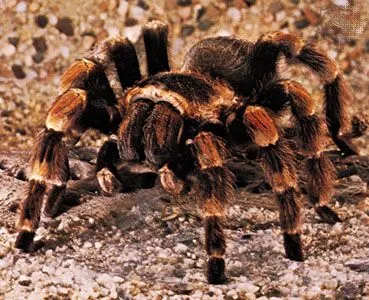
The Mexican Redknee (Brachypelma hamorii), also known as the Mexican Red-kneed Tarantula, is another well-known species, admired for its striking coloration and gentle nature. Its distinctive red and orange markings on the leg joints against the black background make it visually stunning. Native to the Pacific coast of Mexico, the Mexican Redknee is known for its calm behavior and moderate growth rate. They have become popular pets and are relatively easy to care for, adding to their appeal. The beautiful coloration adds a touch of elegance to their presence.
Amazing Facts About Tarantula Behavior
Tarantulas exhibit a range of fascinating behaviors that contribute to their survival and success in diverse environments. From their unique defense mechanisms to their intricate mating rituals, these spiders showcase a complex array of adaptations. Understanding these behaviors provides insights into their lives and helps to dispel misconceptions surrounding them. These behaviors are essential for their survival, allowing them to thrive in various ecological niches. Studying these behaviors offers a deeper appreciation for the intelligence of these creatures.
Tarantulas Are Not Insects
A common misconception is that tarantulas are insects. However, tarantulas belong to the class Arachnida, making them arachnids, not insects. Arachnids have two body segments (cephalothorax and abdomen), eight legs, and no antennae, unlike insects, which have three body segments, six legs, and antennae. This fundamental difference highlights their distinct evolutionary lineage and emphasizes the unique characteristics of tarantulas. This also means they have different methods of eating, breathing, and interacting with their surroundings. Knowing this helps to categorize and study them effectively.
Tarantulas Can Live for Decades
One of the most remarkable facts about tarantulas is their longevity. Female tarantulas can live for an exceptionally long time, often exceeding 20 years in captivity. Male tarantulas, on the other hand, typically have a shorter lifespan, usually living for only a few years after reaching maturity. Factors such as species, diet, and environmental conditions affect lifespan, but the potential for decades of companionship is a significant factor in the appeal of owning a tarantula. This long lifespan is a testament to their resilience and adaptability.
Tarantulas Shed Their Skin

Like all arachnids, tarantulas undergo a process called molting, where they shed their exoskeleton to allow for growth. This process, also known as ecdysis, involves the spider forming a new, larger exoskeleton underneath the old one, then splitting the old one and emerging. Molting can be a vulnerable time for tarantulas, as they are soft and defenseless during this period. The frequency of molting decreases as the tarantula ages, but it is a vital part of their life cycle. They will often retreat to a secluded place before beginning, and the entire process can take several hours.
Tarantula Habitats and Distribution
Tarantulas inhabit a wide variety of environments around the globe, from tropical rainforests to arid deserts. Their adaptability allows them to thrive in diverse climates and ecosystems. The specific habitat of a tarantula species often influences its appearance, behavior, and survival strategies. Understanding their distribution and habitat requirements is crucial for conservation efforts and responsible pet ownership. The range of habitats reflects their evolutionary success and ability to adapt to environmental conditions.
Tarantulas Around the Globe
Tarantulas are found on nearly every continent, with the exception of Antarctica. They are most diverse in the warmer regions of the world, including South America, Central America, Africa, and Southeast Asia. Each region is home to unique tarantula species adapted to the local climate and environmental conditions. Their wide distribution reflects their ability to colonize different ecological niches. Studying their global distribution helps to understand their evolutionary history and the environmental factors influencing their survival.
Adaptations for Survival

Tarantulas possess various adaptations that aid in their survival. These include camouflage, venom, urticating hairs (in some species), and the ability to conserve water in arid environments. These adaptations enable them to avoid predators, capture prey, and thrive in diverse habitats. For example, some tarantulas have specialized hairs on their abdomens that they can flick at predators, causing irritation. Others blend seamlessly into their surroundings. These features contribute to their survival and reproductive success.
Tarantulas in Popular Culture
Tarantulas have long been a source of fascination and fear, making their way into various forms of media. From movies and books to video games and art, these spiders have captured the public’s imagination. Their imposing size, unique appearance, and sometimes intimidating behaviors have made them both popular subjects and symbols of danger. This presence in popular culture reflects their enduring impact on society. They are often used to represent themes of fear, mystery, or the exotic, and continue to spark curiosity.
Tarantulas as Pets
Tarantulas have gained popularity as pets in recent years. Their manageable care requirements, unique appearance, and relatively docile nature make them appealing to many. However, owning a tarantula comes with responsibilities, including providing proper housing, diet, and environmental conditions. Thorough research and preparation are essential for ensuring the well-being of these fascinating creatures. Proper handling, hygiene, and respect for the animal are key aspects of responsible pet ownership. Owning a tarantula can be rewarding, offering a unique perspective on the natural world.
Caring for a Tarantula

Caring for a tarantula involves providing a suitable enclosure, appropriate substrate, and maintaining correct temperature and humidity levels. The enclosure should be large enough for the species, with proper ventilation and secure closure. Regular cleaning and maintenance are essential for preventing diseases and ensuring the tarantula’s health. Understanding the specific needs of your tarantula species is crucial. This includes providing a hiding place, a water dish, and a proper diet. Researching your chosen species will provide you with information for optimal care.
What Tarantulas Eat
Tarantulas are primarily carnivores, feeding on insects and other invertebrates. The diet of a captive tarantula typically consists of crickets, mealworms, and other readily available insects. The size and frequency of feeding depend on the tarantula’s age and species. Providing a varied diet and avoiding overfeeding are essential. Ensuring the prey is gut-loaded with nutritious food helps ensure your tarantula receives a balanced diet. Fresh water must be available at all times. Avoid feeding wild-caught insects due to potential parasites and pesticides.
Conclusion
Tarantulas are fascinating creatures, filled with surprises and unique adaptations. This article has uncovered five amazing facts about these spiders, from their diversity and habitats to their fascinating behaviors. Understanding their characteristics and respecting their place in the natural world allows for a greater appreciation of these often misunderstood arachnids. By learning more about these remarkable animals, we can foster a deeper connection to the natural world and appreciate the beauty and complexity of life on Earth. Whether you’re a seasoned arachnid enthusiast or just curious, tarantulas never fail to amaze.