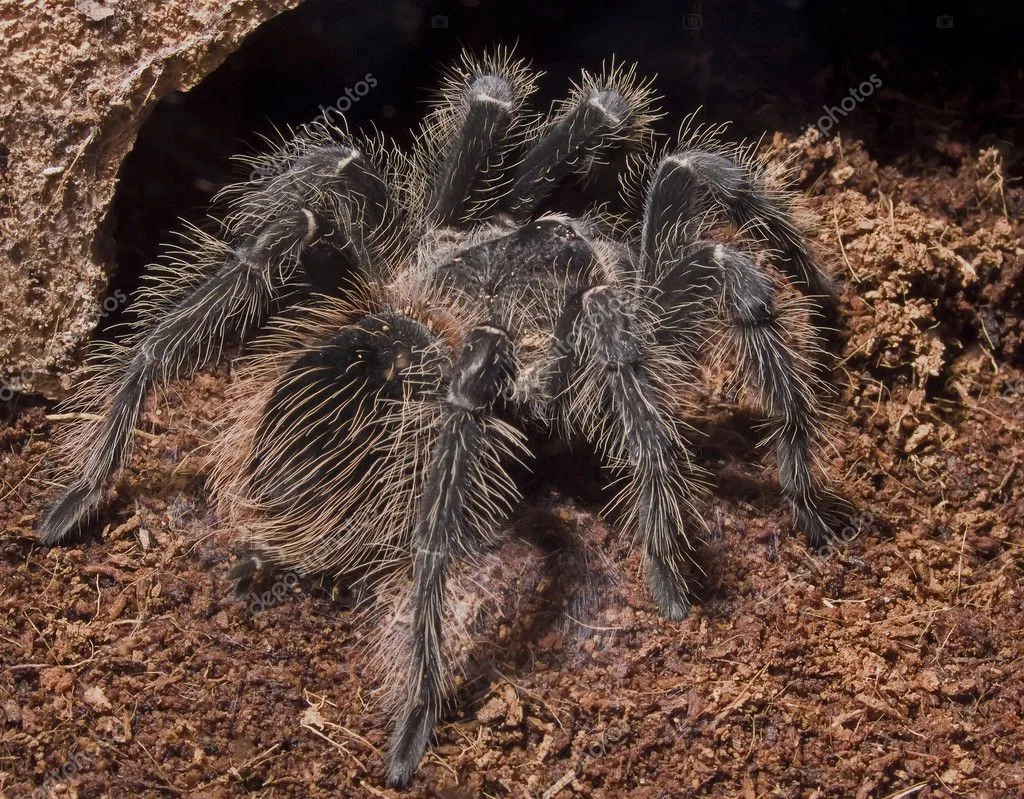
What Is a Bird-Eating Tarantula
Bird-eating tarantulas, despite their name, are not primarily bird eaters. They are large arachnids belonging to the Theraphosidae family. These spiders are native to various regions, including South America, Central America, and parts of North America. Their impressive size, often with a leg span exceeding 10 inches, and formidable appearance have made them a subject of both fascination and fear. While they can and occasionally do consume small birds, their diet primarily consists of insects, other invertebrates, and sometimes small vertebrates like lizards and rodents. Their name is somewhat of a misnomer, stemming from an early illustration that depicted one consuming a hummingbird. The term has stuck, even though birds are not a regular part of their diet, these spiders are formidable predators in their ecosystems.
Where Do Bird-Eating Tarantulas Live
The habitats of bird-eating tarantulas are diverse, varying with the specific species. They are primarily found in tropical and subtropical regions. These spiders typically inhabit burrows in the ground, under rocks, or within the roots of trees. Some species are arboreal, preferring to live in trees. The environment they choose is usually humid and warm, which is ideal for their survival. These spiders are nocturnal hunters, emerging from their shelters at night to hunt for prey. Their geographical distribution includes rainforests, grasslands, and even deserts. The specific location also affects its size and appearance. Understanding their habitat is key to understanding their behavior and role in the ecosystem.
Bird Eating Tarantula Diet & Feeding Habits

As mentioned earlier, the diet of a bird-eating tarantula is not solely composed of birds. Their primary food source is insects, which they ambush and overpower with their powerful fangs and venom. The diet varies depending on the size and the tarantula’s stage of life. Juveniles mostly eat insects such as crickets, mealworms, and small roaches. Adult tarantulas will eat larger prey, including small lizards, mice, and occasionally, small birds. The spider uses its fangs to inject venom into the prey, paralyzing it. The venom also starts to break down the prey’s tissues, making it easier for the spider to consume. They then secrete digestive enzymes over the prey, and suck up the liquefied tissues. This feeding process can take several hours, and they can survive for extended periods without food, especially when they are well-fed.
How Do Tarantulas Catch Birds
While bird-eating tarantulas don’t regularly hunt birds, they are opportunistic predators. If a bird wanders too close to the spider’s burrow or habitat, the tarantula may seize the opportunity. The spider’s large size, strong fangs, and potent venom make it capable of overpowering a small bird. The tarantula will typically ambush the bird, injecting venom to immobilize it. The spider then carries the bird back to its burrow to consume it. The process of catching a bird is a rare event, and it is usually captured only under special circumstances. Their hunting strategy involves waiting and ambushing, relying on their size and venom to take down prey larger than themselves. This dramatic scenario is not the norm, but when it occurs, it showcases the spider’s formidable hunting capabilities.
Bird Eating Tarantula Pictures Amazing Photos
Bird-eating tarantula pictures often capture the dramatic moments of these creatures in their natural habitats. These photos range from close-ups of the spiders themselves to images of them consuming prey. Amazing photos showcase the impressive size and features of the spider. The detail in these pictures reveals the intricate textures of their bodies and the powerful nature of their fangs. Such photographs may also highlight the diverse range of their environments, from lush rainforests to drier grasslands. These photos can be both educational and visually stunning, offering an insight into the life of this remarkable arachnid. Exploring these images provides a visual narrative of the spider’s life and their place in the food chain.
Bird-Eating Tarantula Species A Close Look

Several species are commonly referred to as bird-eating tarantulas. The Goliath birdeater (Theraphosa blondi) is one of the largest spiders in the world, known for its massive size and impressive leg span. Other notable species include the pinkfoot goliath (Theraphosa apophysis), which has a similar stature but slightly different coloring. These spiders are fascinating subjects for study due to their size, their hunting strategies, and their role in the ecosystem. Each species has unique characteristics, from size and coloration to specific habitat preferences. Understanding these differences is critical to appreciating the diversity within the tarantula family. Studying these species provides valuable information about adaptation, evolution, and the ecological roles of these intriguing creatures.
Top Facts About Bird-Eating Tarantulas
Here are some top facts about bird-eating tarantulas
They can live for several years, with females often living longer than males. They have urticating hairs on their abdomen, which they can flick at predators for defense. These spiders are not aggressive, but they will bite if provoked, and their bite is not usually fatal to humans. Their venom is primarily for subduing prey, not for defense against humans.
These facts provide a better understanding of these animals and their place in the ecosystem.
Protecting Yourself from Tarantulas
If you live in an area with bird-eating tarantulas, it is important to take precautions to protect yourself. Avoid handling tarantulas unless you are an experienced handler. If you encounter a tarantula, do not approach or provoke it. If you keep a tarantula as a pet, make sure its enclosure is secure and can prevent it from escaping. Educate yourself about the tarantula’s behavior and potential hazards, and always supervise children and pets around these spiders. If bitten, seek medical attention. Being informed and taking appropriate safety measures is the key to peacefully coexisting with these remarkable creatures and avoiding any potential issues.