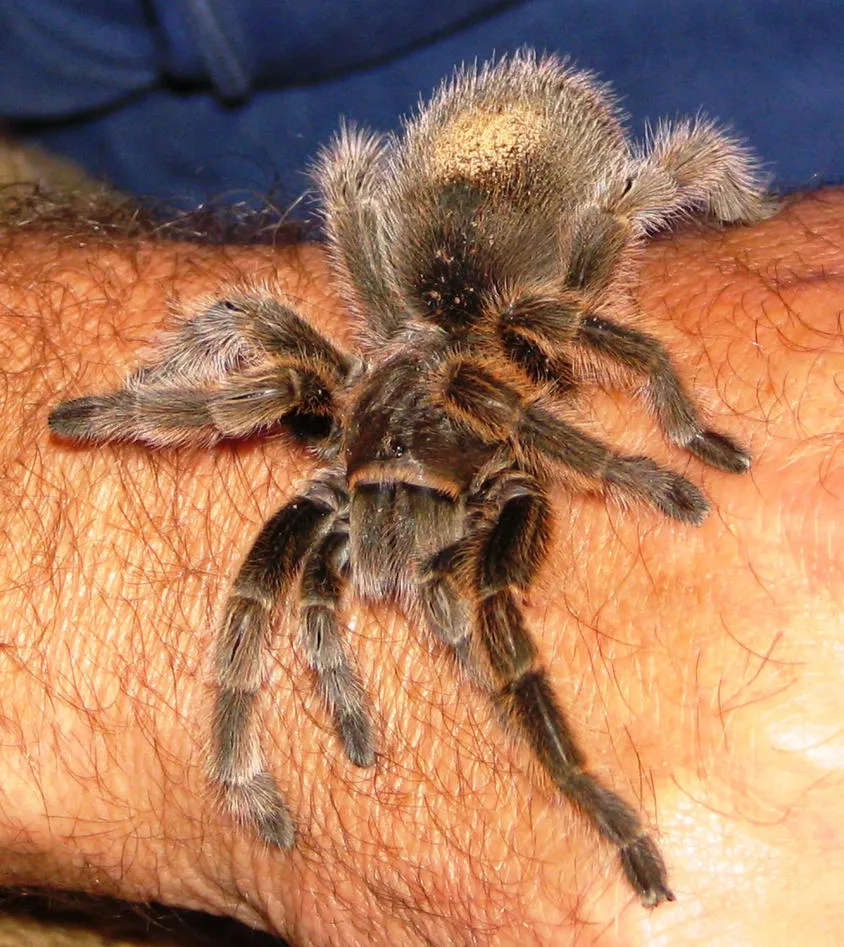
Essential Tarantula Care Tips
Embarking on the journey of tarantula ownership is an exciting endeavor, but it’s crucial to be well-prepared. These captivating creatures require specific care to thrive in captivity. This guide distills the essentials into five key areas, ensuring you provide the best possible environment for your eight-legged friend. From creating the perfect habitat to understanding their unique needs, these tips will set you on the path to successful tarantula keeping. Proper care not only ensures the well-being of your pet but also enhances your enjoyment of this fascinating hobby. By focusing on these fundamental aspects, you’ll be well-equipped to provide a long, healthy, and enriching life for your tarantula.
Creating the Perfect Tarantula Habitat
The habitat is the cornerstone of tarantula care. It’s where your pet will spend the majority of its life, so it must replicate its natural environment as closely as possible. This involves careful consideration of several factors, including the enclosure itself, substrate, temperature, humidity, and the provision of hiding places. A well-designed habitat minimizes stress, encourages natural behaviors, and contributes significantly to the overall health of your tarantula. The goal is to create a comfortable and secure space where your tarantula can thrive, exhibit its natural behaviors, and remain healthy for years to come. Setting up the right environment at the start minimizes potential problems down the line.
Temperature and Humidity Control

Maintaining the correct temperature and humidity levels is paramount for a tarantula’s well-being. Most species thrive in temperatures between 75°F and 85°F (24°C and 29°C). Use a heat mat or a low-wattage heat lamp to achieve this, placing it on the side of the enclosure rather than underneath to prevent overheating and potential burns. Humidity requirements vary by species, but a general range of 60-75% is suitable for many. Monitor humidity levels with a hygrometer and adjust accordingly. Proper ventilation is equally important; ensure adequate airflow to prevent mold and maintain healthy conditions. Regular monitoring and adjustments are key to ensuring a stable and suitable environment for your tarantula.
Substrate Selection and Maintenance
The substrate serves as the tarantula’s flooring, providing a surface for burrowing (for terrestrial species), maintaining humidity, and allowing for a more natural environment. Ideal substrate choices include a mix of coconut fiber, peat moss, and vermiculite. Avoid using materials like sand, which can be abrasive and difficult to clean. The depth of the substrate depends on the species, but generally, provide enough depth to allow for burrowing. Regular maintenance involves removing waste and replacing the substrate as needed. Keep the substrate slightly moist, but avoid making it overly wet, as this can lead to mold and other health issues. A clean, well-maintained substrate contributes significantly to the overall health and comfort of your tarantula. Choosing the correct one is a crucial step to ensure your tarantula’s wellbeing.
Choosing the Right Enclosure
Selecting the right enclosure is the first step toward tarantula care. The enclosure should be appropriately sized for the tarantula’s species and stage of life. Glass or clear plastic terrariums are popular choices, offering good visibility and ventilation. Ensure the enclosure has a secure lid to prevent escapes. The size of the enclosure should allow for sufficient space for the tarantula to move around, burrow, and establish a comfortable living space. Ventilation is key, so choose an enclosure with appropriate airflow to prevent the buildup of moisture and maintain air quality. A well-chosen enclosure provides a secure, safe, and aesthetically pleasing environment for your tarantula.
Proper Feeding and Nutrition

Feeding your tarantula is a fundamental aspect of its care. Tarantulas are carnivores, and their diet primarily consists of insects. The frequency of feeding and the type of prey depend on the tarantula’s size and age. Provide a variety of insects, such as crickets, mealworms, and roaches, to ensure a balanced diet. It’s crucial to remove any uneaten prey after a day or two to prevent them from stressing or harming the tarantula. Always ensure that the prey is gut-loaded (fed nutritious food) before offering it to your tarantula, as this enhances the nutritional value of the meal. A well-fed tarantula is a healthy tarantula, so attention to their dietary needs is critical to their overall wellbeing.
Feeding Frequency and Prey Selection
The feeding frequency varies with age and species. Spiderlings (young tarantulas) generally require more frequent feedings, typically every few days. Adult tarantulas can be fed less often, perhaps once or twice a week. Always adjust the feeding schedule based on your tarantula’s behavior and appetite. Choose appropriately sized prey; the insects should ideally be no larger than the tarantula’s abdomen. Provide a variety of insect species to ensure a balanced diet. Avoid overfeeding, as this can lead to health issues. Observe your tarantula’s eating habits and adjust the feeding schedule as needed. If the tarantula refuses food, it may be in premolt or preparing to shed its skin.
Watering Your Tarantula
Providing a constant source of fresh water is vital for your tarantula’s health. Use a shallow water dish or a bottle cap filled with fresh, clean water. Replace the water regularly to prevent the buildup of bacteria and mold. For smaller tarantulas, you can mist the enclosure lightly to provide water droplets. Ensure that the water source is accessible and doesn’t pose a drowning hazard. Some tarantulas may drink directly from the water dish, while others may prefer to drink water droplets from the enclosure walls. Regular watering is as important as providing food, and it’s essential for your tarantula to stay hydrated and healthy.
Handling and Safety Guidelines

Handling tarantulas should be approached with caution. While most tarantulas are not aggressive, they can bite if they feel threatened. Avoid handling your tarantula unnecessarily, as this can stress them out. If handling is necessary, do so gently and slowly, and always supervise children. Be aware that tarantulas can flick urticating hairs (tiny, irritating hairs) as a defense mechanism, which can cause skin irritation. When handling, keep your movements calm and avoid sudden jerks. Proper handling practices are a balance between enjoying your pet and ensuring its safety. Always respect their space and understand their defensive mechanisms.
Safe Handling Practices
If you choose to handle your tarantula, always wash your hands before and after. Handle the tarantula over a soft surface, such as a bed or a carpet, to minimize the risk of injury if it falls. Avoid startling the tarantula, and never grab it; instead, gently coax it onto your hand. When holding a tarantula, let it walk onto your hand rather than picking it up. Never handle a tarantula if you are distracted or in a hurry. Be mindful of the tarantula’s body language and put it back in its enclosure if it shows signs of stress. Handling should be a calm and controlled activity, focusing on the safety and well-being of both you and your pet. Proper handling techniques help build trust and minimizes the risk of any negative interactions.
Recognizing and Avoiding Bites
Although tarantula bites are not typically life-threatening to humans, they can be painful and cause localized swelling. Bites are usually a result of a tarantula feeling threatened. To avoid being bitten, always be aware of your tarantula’s body language, avoid sudden movements, and never try to handle it if it appears agitated. Some species are more prone to biting than others, so research the temperament of your specific tarantula species. If you are bitten, wash the area with soap and water and monitor for any signs of infection. Consult a doctor if you experience severe symptoms. Prevention through understanding the tarantula’s behavior and practicing safe handling techniques is the best approach.
Understanding Tarantula Molting
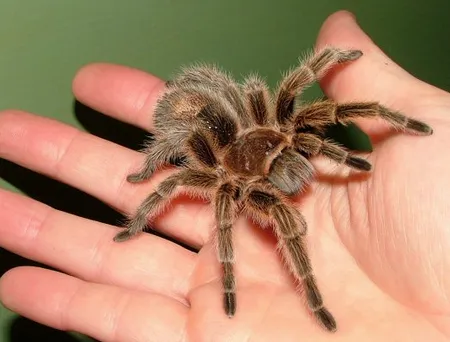
Molting is a natural process where tarantulas shed their exoskeletons to grow. The frequency of molting depends on the tarantula’s age, with younger tarantulas molting more frequently. During molting, the tarantula becomes vulnerable, so it’s essential to provide a safe and undisturbed environment. The molting process can take several hours, and it’s critical to avoid disturbing the tarantula during this time. After molting, the tarantula’s new exoskeleton will be soft and fragile, so avoid handling it until it has hardened. Molting is a sign of healthy growth and is a fascinating aspect of tarantula care. Understanding the molting process allows you to provide the best possible care and support for your pet during this vulnerable time.
What to Expect During Molting
Prior to molting, your tarantula may exhibit changes in behavior, such as refusing to eat, becoming less active, or laying on its back. You might also notice a darkening of the abdomen. During the molting process, the tarantula will split its exoskeleton and slowly emerge from its old skin. It may remain in a vulnerable state for several days after molting, while its new exoskeleton hardens. Do not feed your tarantula until its fangs have hardened and it appears fully recovered. Leave the old exoskeleton in the enclosure, as the tarantula may consume it for nutrients. Being aware of the signs leading up to the molting process prepares you to offer support and minimize stress to your tarantula.
Providing a Safe Molting Environment
During the molting process, create a safe and undisturbed environment. Avoid any disturbances, such as loud noises or sudden movements near the enclosure. Ensure that the enclosure is clean and free from any potential hazards. Maintain the correct temperature and humidity levels. Providing a hide or burrow can also help the tarantula feel secure. Do not attempt to assist the tarantula during molting, as this can cause injury. Patience is key – allow the tarantula to complete the process at its own pace. Providing a safe and stable environment greatly increases the chances of a successful molt.
Tarantula Health and Wellness
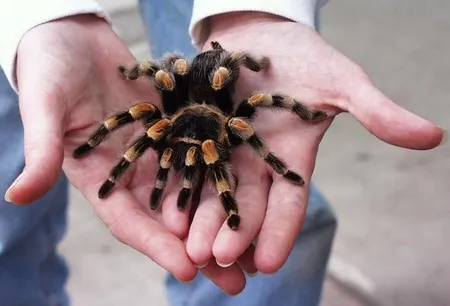
Maintaining the health and wellness of your tarantula is essential for its long-term well-being. Regular observation of your tarantula’s behavior and appearance can help detect any potential health issues early. Providing a clean, stress-free environment, a balanced diet, and appropriate temperature and humidity levels are fundamental to preventative care. Knowing the common health issues and recognizing the signs of illness allows you to provide timely care and seek professional veterinary assistance when necessary. A healthy tarantula is a thriving tarantula, and your commitment to its health is a key element of responsible pet ownership.
Identifying Common Health Issues
Common health issues in tarantulas include parasites, fungal infections, and injuries. Signs of illness include loss of appetite, lethargy, unusual behaviors, and physical abnormalities. Parasites, such as mites, can often be seen on the tarantula’s body. Fungal infections can result from high humidity and poor ventilation. Injuries can occur from falls or encounters with inappropriate cage decor. Be observant of your tarantula’s behavior; any changes warrant investigation. Early detection is crucial to successful treatment. If you notice any signs of illness, consult an experienced veterinarian familiar with exotic pets. Identifying potential issues is the first step in preserving the health of your tarantula.
Preventative Care and Veterinary Assistance
Preventative care involves maintaining a clean, healthy environment, providing a balanced diet, and avoiding stressors. Regular monitoring of temperature and humidity levels is also crucial. While tarantulas generally require minimal veterinary care, it’s essential to find a veterinarian who is experienced in treating exotic pets. Consult a veterinarian if you observe any signs of illness, such as unusual behavior, loss of appetite, or physical abnormalities. Be prepared to provide information about your tarantula’s environment and care routine. Early intervention can often prevent minor issues from developing into serious health problems. Regular observation and preventative care contribute significantly to your tarantula’s longevity and quality of life.