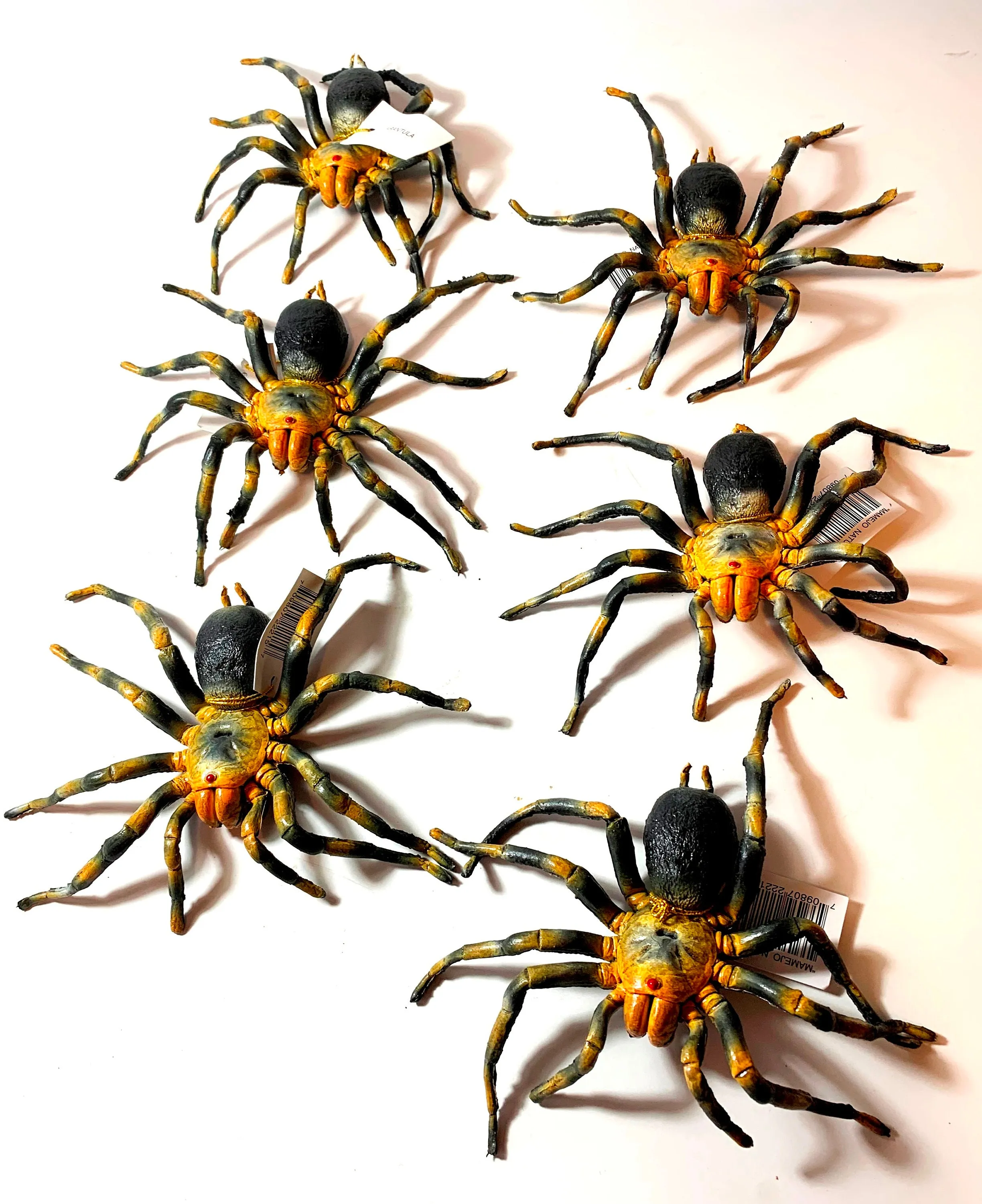
Understanding Tarantulas
Tarantulas, with their impressive size and intriguing behaviors, have become popular pets for many. These fascinating arachnids, members of the Theraphosidae family, offer a unique experience for pet owners willing to learn about their specific needs. However, before bringing a tarantula home, it’s essential to understand what you’re getting into. Proper care is paramount to ensure the tarantula thrives. This comprehensive guide will walk you through everything you need to know to start your journey as a tarantula owner, covering everything from habitat setup and feeding to handling and health concerns. With the right knowledge and dedication, you can enjoy the rewarding experience of owning these amazing creatures. This guide is designed to help you avoid common pitfalls and provide your tarantula with the best possible life.
What are Tarantulas?
Tarantulas are large, hairy spiders known for their impressive size and relatively docile nature, making them manageable pets for some. They come in a variety of colors and sizes, originating from diverse habitats around the world. These spiders are generally nocturnal, spending their days hidden and emerging at night to hunt. They are not insects; they are arachnids, characterized by eight legs, two body segments (cephalothorax and abdomen), and eight eyes. Their size varies greatly depending on the species, ranging from a few inches to over a foot in leg span. They possess fangs used for injecting venom to subdue prey, which primarily consists of insects, but larger species can also consume small vertebrates. While their appearance might seem intimidating, most tarantula species are not highly venomous to humans, although their bites can be painful.
Tarantula Species Overview

Choosing the right tarantula species is a crucial step for new owners. Some species are known for their docility and ease of care, while others may be more defensive or require more specialized environments. Popular choices include the Chilean Rose Hair tarantula (Grammostola rosea), known for its calm temperament and suitability for beginners. The Mexican Red Knee tarantula (Brachypelma hamorii) is another great option, prized for its striking coloration and relatively manageable nature. For more experienced keepers, the Cobalt Blue tarantula (Cyaneopubescens) offers a vibrant appearance but can be more skittish. Researching the specific requirements of different species is essential. Consider factors like size, humidity, temperature, temperament, and venom potency before making your choice. Always source your tarantula from a reputable breeder to ensure you get a healthy specimen and accurate species identification. Always research the specific needs of any tarantula species you’re considering to ensure you can provide appropriate care.
Setting Up a Tarantula Enclosure
Creating a suitable enclosure is fundamental to a tarantula’s well-being. The enclosure provides the spider’s home, offering a safe and comfortable environment. The size, type, and setup depend on the tarantula species and its size. A well-designed enclosure will mimic the tarantula’s natural habitat. It provides space to move, hide, and hunt. A properly set up enclosure will also help regulate temperature and humidity, crucial factors for your tarantula’s health and longevity. Consider all aspects of the enclosure including size, substrate, decorations, and the placement of water and food. The objective is to create a stress-free environment where your tarantula can thrive, eat, and molt successfully. A poorly designed enclosure can lead to stress, poor health, and even premature death.
Choosing the Right Tank
The size of the enclosure is critical. It should be appropriate for the adult size of your tarantula. A good rule is to provide a space that is at least two to three times the tarantula’s leg span in width and length. For terrestrial species, a wider, shorter enclosure is best. For arboreal species, taller enclosures are needed to accommodate climbing. Glass or clear plastic enclosures are preferred. They allow for easy viewing and temperature regulation. Ensure the enclosure has a secure lid to prevent escapes. The enclosure should also have adequate ventilation to prevent the buildup of humidity and the growth of mold. Consider the specific species’ natural habitat when selecting the enclosure size and type. Too small and the tarantula can feel cramped and stressed, too large, and it may have difficulty finding food or feel insecure.
Substrate Selection

The substrate is the bedding material that lines the bottom of the enclosure. It plays a crucial role in maintaining humidity, providing a comfortable environment, and allowing the tarantula to burrow or hide. Coconut fiber (eco earth) is a popular choice because it retains moisture well, is safe, and is readily available. Other options include peat moss, vermiculite, and a mix of these materials. The depth of the substrate should be sufficient for the tarantula to burrow, typically about 2-6 inches depending on the species. Avoid substrates that are toxic or could harbor pests. Regularly monitor the substrate and replace it as needed to prevent mold and bacteria growth. The type of substrate will also vary depending on the species and the humidity needs of your tarantula. Some species require drier environments while others thrive in more humid conditions. You will want to research your species of tarantula to provide appropriate care.
Decorating the Enclosure
Adding decorations enriches the tarantula’s environment, providing hiding places and opportunities for exploration. Cork bark, driftwood, artificial plants, and sturdy hides are excellent additions. These items help the tarantula feel secure and reduce stress. Ensure that decorations are safe and non-toxic. They should not have sharp edges or small parts that the tarantula could get trapped in. The arrangement of the decorations should be considered based on the species and their natural behaviors. Terrestrial species often appreciate a hide placed on the ground. Arboreal species will benefit from climbing structures and elevated hiding spots. Consider the aesthetic appeal of the enclosure, too. A well-decorated enclosure is visually appealing and provides a more naturalistic environment for your pet. Overcrowding the enclosure with decorations should be avoided; the tarantula needs space to move around and hunt.
Temperature and Humidity Control
Maintaining the correct temperature and humidity is essential for the tarantula’s health. Most tarantula species thrive at temperatures between 75-85°F (24-29°C). Use a thermometer to monitor the temperature inside the enclosure. Heat sources, such as heat pads or ceramic heat emitters, can be used to maintain the correct temperature. Place the heat source on the side of the enclosure to create a thermal gradient, allowing the tarantula to regulate its body temperature. Humidity levels should be monitored using a hygrometer. The optimal humidity varies by species, ranging from 60-80% for many common species. To increase humidity, mist the enclosure with water, especially during molting. Ensure the enclosure has proper ventilation to prevent excessive humidity and mold growth. Avoid placing the enclosure in direct sunlight or near drafts, which can affect the temperature and humidity levels. Fluctuations can lead to health problems.
Feeding Your Tarantula

Feeding your tarantula is a straightforward process, but proper techniques are vital for the spider’s health. The diet should consist primarily of live insects, such as crickets, mealworms, and roaches. The size of the prey should be appropriate for the size of the tarantula. It should be no larger than the tarantula’s abdomen. This prevents the tarantula from being overwhelmed by its food and reduces the risk of injury. Fresh, clean water should be provided at all times, typically in a shallow dish. Regular observation of your tarantula’s feeding habits can help identify any health issues or changes in behavior. It’s essential to offer a varied diet, supplemented with vitamins and minerals if necessary. It is also important to clean up any uneaten food promptly to prevent mold and bacterial growth. Overfeeding can lead to obesity, while underfeeding can stunt growth. Finding the correct balance is crucial to your tarantula’s well-being.
What to Feed Tarantulas
A varied diet is crucial for the health and vitality of your tarantula. The primary food source for tarantulas is live insects. Crickets are a popular choice because they are relatively easy to obtain. Mealworms are another common option but should be fed in moderation. They have a tough exoskeleton and can be harder for the tarantula to digest. Roaches, such as dubia roaches, are highly nutritious and considered an excellent food source. Other options include super worms, waxworms, and even small vertebrates for larger species. The insects should be gut-loaded (fed nutritious food) before being offered to the tarantula. This enriches the nutritional value of the prey. Avoid feeding your tarantula insects from outside, as they may carry parasites or pesticides. Remove any uneaten prey after 24 hours to prevent stress or harm to the tarantula.
Feeding Frequency
Feeding frequency depends on the age and size of the tarantula. Spiderlings (young tarantulas) should be fed more frequently, typically every other day. Juvenile tarantulas can be fed every 3-5 days, while adult tarantulas can be fed once a week or every other week. Adjust the feeding schedule based on the tarantula’s appetite and condition. If your tarantula is refusing food, it could be a sign that it is about to molt or that the enclosure conditions are not ideal. Never force-feed a tarantula. Observe its behavior and feeding habits. Provide a variety of prey sizes as the tarantula grows. Monitor the tarantula’s abdomen for signs of being overfed. A plump abdomen indicates a well-fed tarantula. Reduce feeding frequency if the tarantula appears overweight.
Watering Your Tarantula

Providing fresh, clean water is essential. Tarantulas need water to stay hydrated. Water should always be available, typically in a shallow dish that is easily accessible. The dish should be small enough to prevent the tarantula from drowning. The size of the water dish should be proportional to the size of the tarantula. Small tarantulas should have a water dish that is shallow. Large tarantulas can have slightly deeper dishes. Refill the water dish regularly and clean it to prevent the growth of algae and bacteria. In addition to a water dish, some keepers mist the enclosure with water to increase humidity, especially during molting. Make sure the enclosure has adequate ventilation. Prevent excessive moisture buildup.
Handling and Safety
While many tarantula species are relatively docile, handling them should be approached with caution. Tarantulas can bite, and some species have urticating hairs that can irritate the skin. It’s essential to know the risks involved before handling. Handling is not always necessary. It can cause stress to the tarantula. It is often best to observe the tarantula in its enclosure. If you choose to handle your tarantula, proper preparation and awareness are key to ensuring a safe experience for both you and the spider. Never handle a tarantula unless you are calm and confident. Sudden movements can startle the tarantula, and it could react defensively. Always wash your hands before and after handling your tarantula.
Safe Handling Practices
If you choose to handle your tarantula, do so with care and respect. Approach the tarantula calmly and gently. Avoid sudden movements. Encourage the tarantula to walk onto your hand rather than picking it up. You can gently coax the tarantula by placing your hand in front of it. Allow the tarantula to move at its own pace. Handle the tarantula over a soft surface, such as a bed or a carpeted floor, to minimize the risk of injury if it falls. Always be aware of the tarantula’s behavior. If it appears agitated or stressed, it’s best to return it to its enclosure. Handle the tarantula for short periods and avoid over handling. This can stress the tarantula and make it less likely to want to cooperate. Be gentle and avoid squeezing or applying pressure. Observe your tarantula’s signals, and learn to identify signs of stress.
Recognizing Signs of Stress

Tarantulas exhibit various behaviors that can indicate stress or discomfort. Being able to recognize these signs is crucial for the safety and well-being of your pet. Some common signs of stress include: Flicking hairs. Many tarantulas have urticating hairs on their abdomen. Flicking these hairs into the air is a defensive behavior. A defensive posture, where the tarantula raises its front legs and fangs in a threatening display. Rapid movement or erratic behavior indicates that the tarantula is frightened or stressed. Refusing to eat is also a common sign of stress, especially if the behavior persists. The tarantula might also attempt to escape the enclosure if it feels threatened. If you notice any of these signs, it’s best to leave the tarantula alone and ensure that the enclosure conditions are optimal. Reassess the environment to eliminate any potential stressors.
Tarantula Health and Common Issues
Tarantulas are generally hardy creatures, but they can still be susceptible to certain health problems. Recognizing the signs of illness early on is essential for providing proper care and seeking veterinary assistance if necessary. Most common health issues are preventable through good husbandry practices. Providing the correct environment and diet is critical for a healthy tarantula. Regularly inspect your tarantula for any abnormalities or changes in behavior. These observations will alert you to any potential health problems. The best preventative approach is to provide an optimal environment, and avoid stressing the spider. Providing the correct environmental conditions reduces the risk of diseases and injuries.
Recognizing Illness
Several signs may indicate that your tarantula is ill. Look for the following: Lethargy or inactivity. A tarantula that is normally active and then becomes unusually still may be ill. Loss of appetite. Refusing food for an extended period can be a sign of illness, particularly if the tarantula isn’t preparing to molt. Abdominal discoloration or swelling. Changes in the abdomen’s appearance could indicate an internal problem. Difficulty molting. A failed or incomplete molt is a serious issue. This may require intervention. Unusual posture or gait, such as the tarantula having trouble walking. If you observe any of these signs, it is essential to consult an experienced tarantula keeper or a veterinarian. A quick response can improve the prognosis and prevent severe complications.
Molting Process

Molting is a natural process in which tarantulas shed their exoskeleton to grow. The frequency of molting decreases as the tarantula ages. Spiderlings molt more frequently than adults. Before molting, the tarantula may stop eating and become less active. It may also appear pale or dull. During the molting process, the tarantula will lie on its back and slowly work its way out of its old exoskeleton. This can take several hours or even days. It’s critical to avoid disturbing the tarantula during this vulnerable time. After molting, the tarantula’s new exoskeleton will be soft, and it will be very vulnerable. Avoid handling the tarantula. Provide it with plenty of water. The tarantula will regain its strength. It will gradually harden its new exoskeleton over the following days and weeks. Never attempt to assist a tarantula during the molting process, as this can cause serious injury or even death. Allow nature to take its course.
Common Tarantula Problems
Tarantulas, like all pets, can experience health issues. Some common problems include: Parasites. Mites or other parasites can infest tarantulas, causing irritation and health problems. Treat this by quarantining the tarantula and consulting with an expert. Impaction. This occurs when the tarantula cannot pass waste, often due to dehydration or improper diet. Provide adequate water and correct any dietary issues. Injury. Accidents can occur during handling or in the enclosure, especially during molting. Provide a safe environment, and avoid handling the tarantula unless necessary. Urticating hairs. Contact with the urticating hairs can cause skin irritation. Avoid handling species known for this defensive behavior. Mycosis. This is a fungal infection that can occur if the enclosure is too humid or poorly ventilated. Ensure proper environmental conditions and consider antifungal treatments if necessary. Address any issues promptly. Seek expert advice when needed. Many problems can be easily prevented with proper care and attention to detail.
Tarantula Myths
Many myths and misconceptions surround tarantulas, often based on fear or a lack of understanding. Debunking these myths is essential for responsible tarantula ownership. One common myth is that all tarantulas are deadly. While all tarantulas possess venom, most species are not highly dangerous to humans, and their bites are often comparable to a bee sting. Another myth is that tarantulas are aggressive. In reality, most tarantulas are docile. They prefer to avoid confrontation. Many people also believe that tarantulas require a lot of care and are difficult to keep. However, with proper research and preparation, tarantulas are relatively easy to care for and require less attention than many other pets. The notion that tarantulas are dirty or unhygienic is another common misconception. With proper enclosure maintenance, tarantulas are clean pets. Understanding the truth can help dispel fear. They can help you appreciate these fascinating creatures.
In conclusion, caring for a tarantula is a rewarding experience. By understanding their specific needs, creating a suitable habitat, and providing appropriate care, you can ensure your tarantula thrives. This guide has provided you with the information needed to get started, from setting up the enclosure to feeding and handling. Remember, patience, research, and a commitment to your tarantula’s well-being are essential for responsible ownership. Embrace the opportunity to learn and appreciate these amazing arachnids. As you grow as a tarantula keeper, you will discover the many unique qualities that make these creatures such fascinating pets. Happy tarantula keeping!