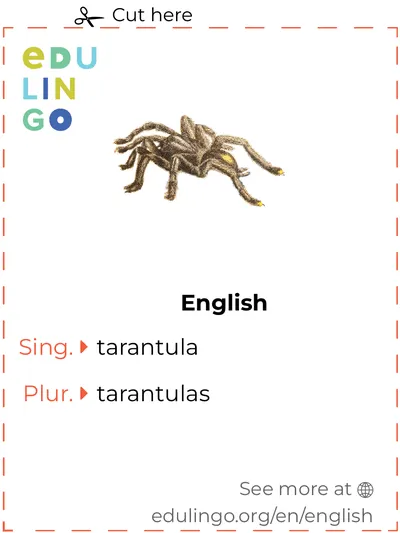
Tarantula Care 101 Amazing Tips
Tarantulas, with their impressive size and diverse appearances, have captured the attention of many pet enthusiasts. However, responsible tarantula ownership requires knowledge and dedication. This comprehensive guide, “Tarantula Care 101 Amazing Tips,” provides essential information to ensure your tarantula thrives. Whether you’re a beginner or have some experience, this guide offers valuable insights into all aspects of tarantula care, from choosing the right species to understanding their unique needs. By following these tips, you can create a comfortable and enriching environment for your fascinating eight-legged friend, promoting its health and well-being and enjoy the rewarding experience of keeping tarantulas.
Choosing the Right Tarantula Species
Selecting the right tarantula species is the first crucial step. Different species have varying temperaments, care requirements, and sizes. Researching different species is essential before making a commitment. Consider your experience level; some species are better suited for beginners than others. Also, consider the tarantula’s origin and natural habitat, this can tell you a lot about its temperament and needs. Some popular beginner-friendly species include the Chilean Rose Hair tarantula (Grammostola rosea) and the Pinktoe tarantula (Avicularia avicularia). These species tend to be less aggressive and have relatively straightforward care needs. Ensure you have adequate space for the adult size of the species you choose, and be prepared to provide the appropriate environment.
Considerations Before Getting a Tarantula
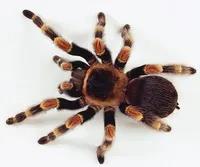
Before acquiring a tarantula, carefully consider the responsibilities involved. Tarantulas can live for many years, and their care requires a long-term commitment. Are you prepared to provide consistent care, including feeding, cleaning, and maintaining their enclosure? Research local laws and regulations regarding tarantula ownership, some areas may have restrictions. Ensure you have a safe, secure location for the enclosure, away from direct sunlight, drafts, and other hazards. Also, educate yourself about the tarantula’s specific needs, this can involve learning about substrate, humidity, and temperature requirements. Prepare financially for the initial setup costs, including the enclosure, substrate, and other necessary supplies. It is important to understand that tarantulas are not social creatures and should be kept alone, to avoid potential cannibalism or stress.
Understanding Tarantula Behavior
Understanding tarantula behavior is essential for providing proper care and avoiding potential problems. Tarantulas are generally solitary creatures. They spend most of their time in burrows, under rocks, or in hides. Observe your tarantula’s behavior to recognize signs of stress or illness. A tarantula that is constantly hiding, refusing food, or exhibiting erratic movements might be experiencing stress. Learn the specific defensive behaviors of your tarantula species. Many tarantulas have urticating hairs on their abdomen, which they can flick towards potential threats. Be aware of this defense mechanism and avoid handling your tarantula unnecessarily. Also, tarantulas can bite if they feel threatened, though their bites are generally not life-threatening to humans, they can be painful. Always wash your hands after handling anything in the enclosure to avoid the spread of any potential bacteria.
Setting Up the Perfect Tarantula Enclosure
Creating the perfect enclosure is critical for a tarantula’s well-being. The enclosure should provide a safe, secure, and comfortable environment that mimics the tarantula’s natural habitat. Choose an enclosure size appropriate for the tarantula’s species and size, bigger is almost always better. A secure lid is crucial to prevent escape, and the enclosure should be escape-proof. Place the enclosure in a location away from direct sunlight, drafts, and excessive noise. Decorate the enclosure with appropriate substrate, hiding places, and possibly some climbing structures, depending on the species. Maintain the correct temperature and humidity levels for the specific species. The enclosure should be easy to clean and maintain, allowing you to remove uneaten food, shed exoskeletons, and other waste to prevent the buildup of harmful bacteria.
Enclosure Size and Substrate

The size of the enclosure is paramount to the health and well-being of your tarantula. A cramped enclosure can cause stress and inhibit natural behaviors. Research the adult size of your tarantula species and choose an enclosure that is appropriately sized. As a general rule, the enclosure should be at least three times the tarantula’s leg span in width and length. The height depends on the species, terrestrial species require less height than arboreal species. The substrate is another crucial element in the enclosure. The substrate provides a place for the tarantula to burrow, hide, and regulate humidity. The best substrate choices include a mixture of peat moss, coconut fiber, vermiculite, and sphagnum moss. Ensure the substrate is deep enough for the tarantula to burrow if it is a burrowing species. Avoid substrates that are toxic or that retain too much moisture, like sand.
Temperature, Humidity and Lighting
Maintaining the correct temperature and humidity levels is critical for your tarantula’s health. Research the specific temperature and humidity requirements for your tarantula species. Use a thermometer and hygrometer to monitor these levels regularly. Most tarantulas thrive in temperatures between 75-85°F (24-29°C). Provide a heat source if necessary, such as a low-wattage heat lamp or a heating pad placed on the side of the enclosure. Humidity levels vary depending on the species, but a general range is between 60-80%. Mist the enclosure with water regularly to maintain humidity levels, and provide a shallow water dish for drinking and for humidity. Tarantulas do not require special lighting, however, a regular day-night cycle is beneficial. Avoid direct sunlight, which can overheat the enclosure. Consider using a low-wattage LED light if you want to illuminate the enclosure for viewing.
Feeding Your Tarantula The Right Way
Proper feeding is essential for a tarantula’s health and growth. Tarantulas are carnivores and primarily eat insects. The appropriate food varies depending on the tarantula’s size and species. Crickets, mealworms, roaches, and other insects are common food items. Ensure the insects are properly gut-loaded before feeding them to your tarantula to provide essential nutrients. Offer the tarantula food appropriate for its size, avoid offering insects that are too large or too small. Remove any uneaten food after 24 hours to prevent mold and other infestations. Observe your tarantula’s feeding habits. A tarantula that refuses food might be preparing to molt or might be experiencing stress. Do not overfeed your tarantula; overfeeding can lead to health problems. Provide a shallow water dish filled with fresh water at all times.
Types of Food and Feeding Schedule

The type of food you offer your tarantula will vary depending on its species and size. Small tarantulas, such as spiderlings, can eat small crickets, fruit flies, or pre-killed pinhead crickets. Larger tarantulas can consume larger crickets, mealworms, superworms, and even small cockroaches. Always ensure the insects are healthy and free from pesticides. A varied diet is beneficial, so consider rotating different types of insects. The feeding schedule depends on the tarantula’s age and metabolism. Spiderlings typically need to be fed every other day, while adults can be fed once or twice a week. Adjust the feeding schedule based on the tarantula’s appetite and growth rate. Monitor your tarantula’s abdomen; it should be plump after a meal but not excessively swollen. Reduce feeding frequency when a tarantula prepares to molt.
Watering and Hydration
Providing adequate hydration is vital for tarantula health. Tarantulas require access to fresh water at all times. Provide a shallow water dish with fresh, clean water, and refill it regularly. The water dish should be shallow enough to prevent the tarantula from drowning. Some tarantulas also drink water droplets from the enclosure walls, so misting the enclosure can help provide moisture. Never use tap water unless it has been dechlorinated. Use bottled water or let tap water sit for 24 hours to allow chlorine to dissipate. Monitor the water dish for cleanliness and refill it as needed. If the water dish becomes contaminated with substrate or other debris, clean and replace it immediately. During molting, tarantulas often require more water to stay hydrated and to aid in the molting process, so be sure to mist the enclosure more frequently during this period.
Essential Tarantula Care Tips
Besides the basics, there are several essential tips to ensure your tarantula thrives. These tips involve handling, recognizing health issues, and providing a supportive environment. Proper handling, maintaining cleanliness, and understanding the molting process are key elements of responsible tarantula care. By incorporating these tips, you can increase the chances of your tarantula’s longevity and overall well-being. Remember, responsible tarantula ownership is about providing the best possible care to ensure these amazing creatures flourish in their captive environment. By dedicating time and effort, you can create a rewarding experience for you and your eight-legged pet.
Handling and Safety Precautions

Handling tarantulas should be approached with caution. While some tarantulas are docile, others are easily startled and may bite or flick urticating hairs. Avoid handling your tarantula unnecessarily, handling stresses them. If you must handle your tarantula, do so close to the ground or over a soft surface to minimize the risk of injury if it falls. Before handling, wash your hands thoroughly to remove any scents or substances that could irritate your tarantula. Always supervise children around tarantulas and educate them on the proper handling and safety procedures. Be aware of the tarantula’s defensive behaviors, and avoid startling or provoking it. Be mindful of the urticating hairs, which can cause skin irritation if they come into contact with your skin or eyes. If bitten, seek medical attention immediately.
Recognizing and Addressing Health Issues
It is important to be able to recognize potential health problems in your tarantula. Regularly observe your tarantula for any unusual behaviors or physical changes. Some signs of illness include loss of appetite, lethargy, unusual postures, or swelling. If you notice anything concerning, research the symptoms and determine the likely cause. Common health issues include parasites, mites, fungal infections, and injuries. If you suspect a health problem, consult with a veterinarian experienced in exotic pets. Maintaining proper enclosure conditions and providing a balanced diet can help prevent many health issues. Maintain a clean enclosure by removing uneaten food, shed exoskeletons, and other waste to prevent the buildup of harmful bacteria. Early detection and treatment are essential for the best possible outcome.
Molting and What to Expect
Molting is a natural process for tarantulas where they shed their exoskeleton to grow. Molting is a vulnerable time for tarantulas. Before molting, your tarantula will typically stop eating, become less active, and may create a web mat or lie on its back. The molting process can take several hours or even days, depending on the species and the tarantula’s size. During this time, avoid disturbing your tarantula. Provide extra humidity, and do not feed it until after the new exoskeleton has hardened. After molting, the tarantula’s new exoskeleton will be soft and vulnerable. It will take a few days for the exoskeleton to harden fully. Avoid handling your tarantula until its fangs have hardened. Also, it is common for tarantulas to eat their old exoskeleton, as it provides valuable nutrients. After molting, the tarantula’s colors may appear brighter, and it may grow in size.
Common Mistakes to Avoid

Avoiding common mistakes is crucial for successful tarantula care. One common mistake is providing an enclosure that is too small or inadequately ventilated. Overfeeding can lead to health problems, while underfeeding can stunt growth. Failing to research the specific needs of your tarantula species is another major mistake. Neglecting to maintain proper temperature and humidity levels can also be detrimental to your tarantula’s health. Avoid handling your tarantula unnecessarily, as this can cause stress. Using harsh chemicals or cleaning agents in the enclosure can be toxic to your tarantula. Also, failing to quarantine new tarantulas before introducing them to an existing collection can lead to the spread of parasites or diseases. By avoiding these common mistakes, you can provide your tarantula with the best possible care and enhance the chances of it living a long and healthy life.