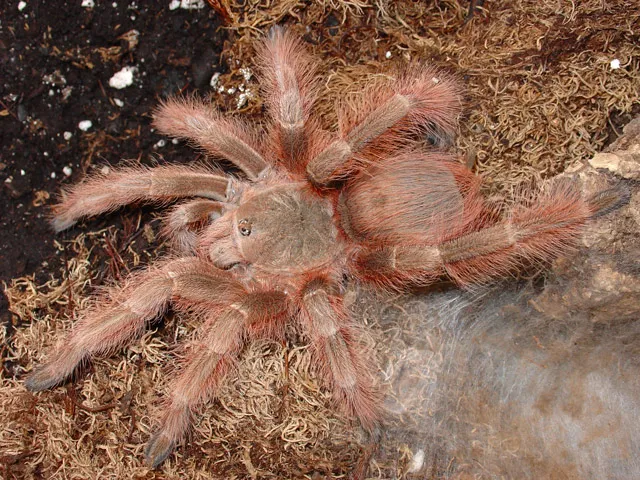
Top 5 Facts About Tarantulas in Canada
Tarantulas, those captivating and often misunderstood arachnids, have a fascinating presence in the Canadian ecosystem. While not as widely recognized as in warmer climates, these large, hairy spiders are an integral part of certain Canadian habitats. This review delves into the world of Canadian tarantulas, providing key facts, addressing common misconceptions, and highlighting the importance of their conservation. Prepare to be amazed by these eight-legged wonders and discover why they deserve our respect and protection. This article uncovers top facts and much more.
What are Tarantulas?
Tarantulas are large, hairy spiders belonging to the Theraphosidae family. They are known for their impressive size, ranging from a leg span of a few inches to over 10 inches in some species. These arachnids are typically nocturnal hunters, using their fangs to inject venom that paralyzes their prey. Their bodies are covered in fine hairs, which serve sensory and defensive functions. They are often associated with tropical and subtropical regions, but surprisingly, some species have adapted to colder climates, including parts of Canada. They are invertebrates and are related to other arachnids such as scorpions and spiders.
General Tarantula Characteristics

Tarantulas are characterized by their large size, hairy bodies, and powerful fangs. They possess eight legs, two chelicerae (mouthparts with fangs), and two pedipalps, which are used for sensing and manipulating prey. Their coloration varies widely depending on the species and habitat, ranging from browns and blacks to vibrant blues and oranges. Tarantulas molt their exoskeletons as they grow, shedding their outer layer to reveal a new, larger one. This process can take several hours, during which they are vulnerable to predators. They also have spinnerets at the rear of their abdomen to produce silk to build webs and create nests
Tarantula Habitats
Tarantulas inhabit a variety of environments, including burrows, trees, and even human dwellings. They are found in tropical, subtropical, and temperate regions around the world. Some species prefer arid environments, while others thrive in humid forests. In Canada, tarantulas are typically found in grasslands, open woodlands, and areas with sandy or loamy soil, which are suitable for burrowing. They are very adaptable to their habitats, and that explains why they are still around. They create homes based on the environments that they live in.
Tarantulas in Canada
While Canada is not known for its abundance of tarantulas compared to warmer regions, several species can be found in specific areas. These spiders have adapted to the colder climate and have specific habitat preferences. Their presence is an indicator of the health of the ecosystem they inhabit. They are a vital part of their particular environments. Understanding the distribution and behavior of these Canadian tarantulas is essential for their conservation and appreciation.
Common Canadian Tarantula Species

The most common tarantula species in Canada is the Epeira, often found in the southern parts of the country. These tarantulas are typically brown or black and have a leg span of up to 4 inches. Other species, like the Tigrosa, may also be encountered, although they are less frequently observed. Each species has unique characteristics, including variations in size, color, and behavior. These spiders are also a vital part of their environments. They contribute to the ecosystems they live in.
Where to Find Tarantulas in Canada
Canadian tarantulas are primarily found in the prairie provinces, including Alberta, Saskatchewan, and Manitoba. They prefer open grasslands, where they can burrow in the soil. They are also found in some parts of British Columbia, often in areas with suitable soil conditions. These spiders are rarely seen due to their nocturnal habits and secretive nature, making sightings a special experience. The Canadian tarantula species can be found in a couple of different areas.
Tarantula Behavior and Biology
Tarantulas are solitary creatures, except during mating season. They are nocturnal hunters, primarily feeding on insects, small invertebrates, and sometimes even small vertebrates. They use their venom to subdue their prey, which is then digested outside the body. The spiders are ambush predators, waiting patiently for their prey to come within striking distance. They are also capable of producing silk, which they use to line their burrows, create traps, and protect their eggs. Their behavior is determined by the environments they live in.
Diet and Feeding Habits

Tarantulas have a varied diet that depends on their size and the availability of prey in their habitat. They primarily feed on insects like crickets, grasshoppers, and beetles. Larger tarantulas may also consume small vertebrates such as mice, lizards, and small birds. They ambush their prey and use their fangs to inject venom, which immobilizes the prey. The spider then uses enzymes to digest the prey externally before consuming the resulting liquid. They are very effective hunters and have adapted well to different environments.
Life Cycle and Reproduction
Tarantulas go through a series of molts as they grow, shedding their exoskeleton to accommodate their increasing size. The life cycle includes mating, egg-laying, and the development of spiderlings. The males usually die shortly after mating, while females can live for several years, some even decades. The females lay eggs in a silken egg sac, which they protect until the spiderlings hatch. The lifespan of Canadian tarantulas varies depending on the species and environmental factors. They have a life cycle that is similar to other spiders.
Tarantula Conservation and Concerns
The conservation of tarantulas in Canada is essential for maintaining the health of the ecosystem. Habitat loss, climate change, and the illegal pet trade pose significant threats to their populations. Protecting their habitats and promoting sustainable practices are critical for their survival. Raising public awareness about the importance of tarantulas can also help to reduce misconceptions and encourage conservation efforts. These spiders are a vital part of their environment and protecting them is key.
Threats to Tarantula Populations

The main threats to Canadian tarantula populations include habitat loss due to urbanization and agricultural expansion, climate change leading to changes in their suitable environment, and the illegal pet trade, which can remove them from their natural habitats. Pesticide use can also impact their food sources. Furthermore, human activities, such as road construction and deforestation, can fragment their habitats, making it difficult for them to find mates and resources. It is key to know about all of these threats.
Conservation Efforts
Conservation efforts include habitat protection, creating protected areas, and educating the public about the importance of tarantulas. Supporting sustainable land management practices and reducing pesticide use can also help. Research projects aimed at studying tarantula populations and their habitats are crucial. Additionally, supporting organizations dedicated to wildlife conservation and habitat restoration can make a significant difference in protecting these fascinating creatures. More and more, the conservation efforts are improving.
Tarantulas and Humans
Tarantulas often evoke fear and fascination in humans. While some people are scared of these spiders, others find them intriguing and keep them as pets. It’s crucial to understand their behavior and biology to dispel misconceptions and promote responsible interactions with these arachnids. Respecting their natural habitats and avoiding unnecessary disturbance is key. They also provide several benefits to humans and contribute to the ecosystem.
Are Tarantulas Dangerous?

Tarantulas are not generally considered dangerous to humans. Their venom is not as potent as that of some other spiders, and bites are usually comparable to a bee sting. However, they can bite if they feel threatened, and some individuals may experience allergic reactions. It is important to handle them with care and avoid provoking them. Their bites are rare. They are not aggressive animals and do not actively seek out human contact.
Tarantula Ownership and Care
Keeping a tarantula as a pet requires knowledge and responsibility. They need a suitable enclosure with appropriate temperature, humidity, and substrate. They should be fed a diet of insects, and fresh water should always be available. It is important to research the specific needs of the species you are considering. Responsible pet ownership includes providing a safe and enriching environment and respecting the animal’s natural behaviors. If keeping one, you have to make sure to be prepared.
In conclusion, tarantulas in Canada, while not as commonly encountered as in warmer regions, are a vital part of their ecosystems. Understanding their behavior, habitats, and the threats they face is crucial for their conservation. By dispelling misconceptions, supporting conservation efforts, and promoting responsible interactions, we can ensure that these amazing creatures continue to thrive in the Canadian landscape. Appreciate the beauty of the tarantula and do your part to protect them and their habitats.