Top 5 Tarantula Breeds for Beginners
Embarking on the journey of tarantula ownership can be an incredibly rewarding experience. These fascinating creatures, with their intricate behaviors and unique personalities, offer a captivating glimpse into the world of arachnids. For beginners, however, selecting the right tarantula breed is crucial to ensure a positive and manageable experience. This guide highlights the top 5 tarantula breeds that are ideally suited for those new to tarantula care, offering a combination of manageable care requirements, docile temperaments, and captivating aesthetics. Choosing the right tarantula lays the foundation for a successful and enjoyable experience, setting the stage for a rewarding journey into the world of these amazing creatures and providing the opportunity to learn and appreciate their unique characteristics. Remember, careful research and understanding of each species’ needs are essential for ensuring the health and happiness of your new pet.
Understanding Tarantulas Before You Start
Before diving into specific breeds, it’s essential to understand the general characteristics of tarantulas. These arachnids are not insects; they belong to the spider family. They are known for their large size, hairy bodies, and eight legs. Tarantulas are typically nocturnal hunters, and they primarily feed on insects, although larger species may occasionally consume small vertebrates. They are known for their docile nature, however, they can bite if provoked or feel threatened, and some species possess urticating hairs that can cause skin irritation. Understanding these fundamental aspects is the first step towards becoming a responsible tarantula owner. Remember that tarantulas are generally solitary creatures and should be housed individually to prevent conflict and potential injury. With the right knowledge and care, tarantulas can make fascinating and engaging pets.
What to Consider Before Buying a Tarantula

Several factors should be considered when choosing a tarantula for the first time. Careful consideration of these factors ensures you choose a tarantula that suits your lifestyle and experience level. It also helps to create a safe and enriching environment for the tarantula. Evaluating these aspects thoroughly will help make a well-informed decision, leading to a rewarding experience. Prioritize tarantulas that have a reputation for being more docile, as these are easier to handle and less likely to bite. Also, consider the size of the tarantula, as it affects the required enclosure size. Choose a species with a moderate growth rate so you can comfortably manage its needs. Be sure to dedicate yourself to learning about the specific requirements of your chosen species before bringing it home.
Temperament and Handling
Temperament is a critical factor to consider. Some tarantula breeds are known for their docile nature, making them easier to handle and less likely to bite. Others may be more skittish or defensive. When choosing a beginner tarantula, opt for a species known for its calm demeanor. Handling tarantulas should always be done with caution. It’s best to avoid handling them altogether, particularly when starting out, as it can stress the spider and potentially lead to a bite. If you decide to handle your tarantula, do so over a soft surface and avoid sudden movements. It’s important to note that each tarantula has its own personality, so even within a docile species, there can be variations.
Size and Growth Rate
Tarantulas come in a wide range of sizes, from smaller species that reach only a few inches in leg span to giants that can span over 10 inches. The size of the tarantula will dictate the size of the enclosure required. Beginners should start with species that are moderate in size, as they are easier to manage. Growth rates also vary among different species. Some tarantulas grow rapidly, while others grow more slowly. A slower growth rate can be beneficial for beginners, as it gives them more time to learn and adapt to the tarantula’s needs before it requires a larger enclosure. Consider the adult size and growth rate of the tarantula when making your selection, and make sure you are prepared to provide adequate space and care as it grows.
Lifespan and Care Requirements

Tarantulas have varying lifespans, with females typically living much longer than males. Some species can live for over 20 years, while others may only live for a few years. Understanding the lifespan of a tarantula is crucial, as it represents a long-term commitment. Care requirements also differ among species. Some tarantulas are relatively low-maintenance, while others require specific humidity levels, temperatures, and substrate. Beginners should choose species with care requirements that are easier to meet, such as those that are more tolerant of variations in temperature and humidity. Make sure you research the specific needs of any tarantula you are considering, as providing the right environment is essential for its health and well-being.
Top 5 Tarantula Breeds for Beginners
1. Chilean Rose Hair Tarantula
The Chilean Rose Hair Tarantula (Grammostola rosea) is often recommended as a beginner tarantula. They are known for their docile temperament and relatively low maintenance requirements. These tarantulas are generally slow-moving and less likely to bite or display defensive behaviors. Their attractive appearance, with their reddish-brown hairs, makes them visually appealing. They are also relatively hardy and can tolerate a wider range of environmental conditions compared to other species. Their ease of care and calm disposition make them an excellent choice for first-time tarantula keepers. They are typically medium-sized, reaching a leg span of about 5-6 inches.
Characteristics of Chilean Rose Hair

Chilean Rose Hair tarantulas are known for their gentle nature, making them a popular choice for beginners. They are generally calm and slow-moving, and their docile temperament reduces the likelihood of bites. They possess a beautiful appearance characterized by their reddish-brown hairs and sturdy build. These tarantulas are also relatively long-lived, with females potentially living for over 20 years. They are also quite hardy, tolerating moderate variations in temperature and humidity, which makes them easier to care for compared to more sensitive species. They typically grow to a moderate size, making them manageable for most owners. These characteristics combine to create a fantastic pet tarantula for beginners.
Caring for a Chilean Rose Hair
Caring for a Chilean Rose Hair tarantula involves providing a suitable enclosure, appropriate substrate, and proper feeding and hydration. A 10-gallon tank is typically sufficient for an adult. Provide a substrate such as a mixture of coconut fiber and peat moss. Maintain a moderate humidity level and provide a water dish for hydration. Feed them insects, such as crickets or mealworms, a few times a week. The Chilean Rose Hair does not need any special care. They are easy to care for. They are the best tarantula for beginners.
2. Mexican Red Knee Tarantula
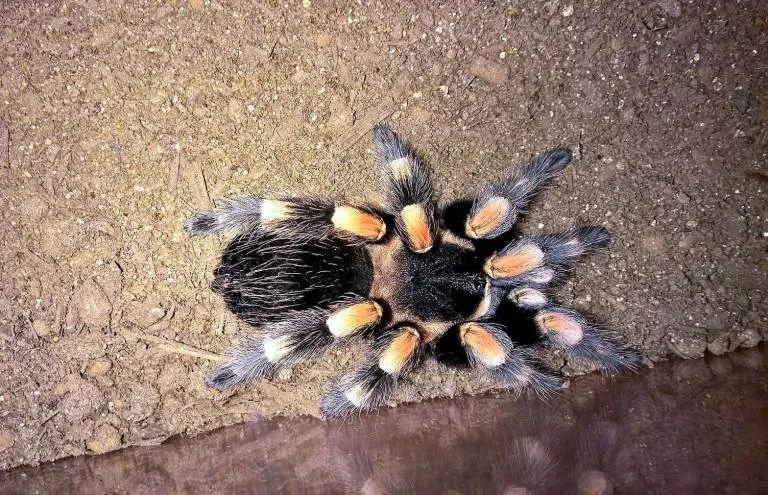
The Mexican Red Knee Tarantula (Brachypelma hamorii) is another popular choice for beginners due to its striking appearance and relatively docile temperament. They are known for their beautiful coloration, with distinct black and orange bands on their legs. They are also known to be quite docile, although they may kick off urticating hairs if they feel threatened. This species is generally easy to care for, making it a good option for those new to tarantula ownership. Their captivating beauty and calm demeanor contribute to their popularity. They typically reach a leg span of 5-6 inches.
Characteristics of Mexican Red Knee

Mexican Red Knee tarantulas are recognized for their striking appearance and overall gentle nature. The striking coloration, with black and orange bands on their legs, is what makes them so attractive. They tend to be quite docile, making them easier to handle compared to more defensive species. While they may kick off urticating hairs as a defense mechanism, their temperament is generally considered to be calm. They are typically long-lived, with females living for up to 25 years. These characteristics make the Mexican Red Knee a popular choice for beginners.
Caring for a Mexican Red Knee
Caring for a Mexican Red Knee tarantula is similar to caring for a Chilean Rose Hair. A 10-gallon tank is typically sufficient for an adult. They thrive in a substrate of coconut fiber or peat moss. Maintain a moderate humidity level and provide a shallow water dish. Offer insects, such as crickets or mealworms, a few times a week. These tarantulas prefer a terrestrial environment, so provide plenty of floor space. Be mindful of their potential to kick off urticating hairs, and take precautions when cleaning their enclosure or handling them.
3. Pinktoe Tarantulas
Pinktoe tarantulas (Avicularia genus) are known for their arboreal lifestyle, meaning they spend most of their time in trees. They’re also known for their unique pink toe pads. They are generally considered to be a good choice for beginners. However, they have specific humidity and ventilation needs compared to terrestrial tarantulas. They are known for their quick movements. They are also very beautiful and colorful. They are more delicate than the previous breeds. They usually reach a leg span of around 5 inches.
Characteristics of Pinktoe Tarantulas

Pinktoe tarantulas stand out due to their arboreal lifestyle and distinct pink toe pads. Their pink toe pads add a touch of unique visual appeal. Their arboreal habits mean they require vertical space in their enclosure. These spiders are generally considered to be more delicate than other species. They also require high humidity and plenty of ventilation. They’re known for being somewhat skittish, which can be a challenge for beginners. Their beauty and unique requirements make them a rewarding but slightly more advanced choice for beginners compared to terrestrial species.
Caring for Pinktoe Tarantulas
Caring for Pinktoe tarantulas requires an arboreal setup with a tall enclosure. They also need high humidity and good ventilation. Use a substrate such as coconut fiber and provide branches or cork bark for climbing. Mist their enclosure regularly to maintain humidity. Feed them insects, such as crickets or small roaches. Be careful when handling them, as they can be quick to move and may jump. Proper care ensures the Pinktoe thrives and displays its vibrant beauty. Provide them with plenty of vertical space for climbing.
4. Curly Hair Tarantula
The Curly Hair Tarantula (Tliltocatl albopilosus) is known for its docile nature, which makes it an ideal choice for beginners. They are recognized for their distinctive curly hairs. They are also relatively low-maintenance in terms of care. They are known for their calm behavior and hardiness. These tarantulas are generally easy to handle, and they are less likely to bite. They are also known for their beautiful appearance, with the distinctive curly hairs adding to their charm. They typically reach a leg span of 5-6 inches.
Characteristics of Curly Hair Tarantula

Curly Hair tarantulas are characterized by their docile nature and unique appearance. Their docile temperament makes them easy to handle. Their distinctive curly hairs covering their bodies provide a captivating appearance. They are generally hardy and tolerant of a wide range of environmental conditions. Their easy care requirements and gentle demeanor make them a great option for new tarantula keepers. Their gentle nature, combined with their interesting look, contributes to their widespread popularity.
Caring for Curly Hair Tarantula
Caring for a Curly Hair tarantula is relatively straightforward. A 10-gallon tank is usually adequate for an adult. Use a substrate such as coconut fiber or peat moss. They require moderate humidity and a shallow water dish. Feed them insects, such as crickets or mealworms, a few times a week. They are generally easy to care for, which makes them a good choice for beginners.
5. G. pulchra Tarantula
The Brazilian Black Tarantula (Grammostola pulchra) is known for its striking, all-black coloration. They are generally known for their docile temperament. They are not known for being skittish or aggressive. They are generally considered to be easy to care for. They are also slow-growing, giving owners more time to get accustomed to their needs. These tarantulas possess a calm demeanor and a stunning appearance, making them an excellent selection for beginners. They usually reach a leg span of about 6 inches.
Characteristics of G. pulchra Tarantula
The Brazilian Black Tarantula is characterized by its stunning all-black appearance and calm temperament. This all-black coloration makes them instantly recognizable. They are generally docile and easy to handle. They are also known for their slow growth rate, which makes them ideal for beginners. Their simple care requirements add to their suitability. These characteristics combine to create a captivating and manageable pet tarantula.
Caring for G. pulchra Tarantula
Caring for the Brazilian Black Tarantula involves providing a suitable enclosure, substrate, and diet. A 10-gallon tank is often sufficient for an adult. They need a substrate of coconut fiber or peat moss. Maintain a moderate humidity level and provide a water dish. They can be fed insects, such as crickets and mealworms, a couple of times per week. Their overall simplicity in terms of care makes them an excellent choice for novice owners.
Essential Tips for Beginner Tarantula Owners
Creating the Right Enclosure
Setting up the proper enclosure is essential for your tarantula’s well-being. Select an appropriately sized enclosure based on the species’ adult size. Provide a suitable substrate such as coconut fiber, peat moss, or a mixture of both. Ensure adequate ventilation to prevent mold and maintain the correct humidity level. Include hiding places, such as cork bark or artificial plants, to provide security. Ensure the enclosure is escape-proof and has a secure lid to prevent any accidental escapes. These details are crucial to create a safe and comfortable habitat for your tarantula.
Feeding and Hydration
Feeding and hydration are crucial aspects of tarantula care. Feed your tarantula a diet of insects, such as crickets, mealworms, or roaches. The frequency of feeding varies depending on the tarantula’s size and age. Provide a shallow water dish with fresh water to ensure it stays hydrated. Observe your tarantula’s feeding habits and adjust the amount of food as needed. Always remove any uneaten food to prevent mold growth. These simple but essential steps ensure your tarantula gets the nutrition and hydration it needs to thrive.
Handling and Safety
Handling tarantulas should be done with caution. Handle them only when necessary, and always do so over a soft surface. Avoid sudden movements or dropping the tarantula, as this can cause stress or injury. Some tarantulas possess urticating hairs, which can cause skin irritation. Avoid direct contact with these hairs by washing your hands after any interaction with the tarantula or its enclosure. If you are bitten by a tarantula, remain calm, wash the bite area with soap and water, and seek medical advice. Prioritizing safety helps to ensure a positive experience for both you and your tarantula.
Common Mistakes to Avoid
Avoid common mistakes to ensure your tarantula’s health and happiness. Do not overcrowd the enclosure. Avoid overfeeding, which can lead to health problems. Do not handle the tarantula excessively, as this can cause stress. Always provide adequate ventilation and maintain the correct humidity level. Avoid using harsh chemicals or cleaning agents in the enclosure. By avoiding these common mistakes, you can create a safe and thriving environment. Always research any species’ specific requirements.
Conclusion
Choosing the right tarantula breed is the first step towards a rewarding experience. The Chilean Rose Hair, Mexican Red Knee, Pinktoe, Curly Hair, and G. pulchra tarantulas are all excellent choices for beginners. By understanding the general characteristics of tarantulas, considering important factors, and providing proper care, you can enjoy the unique experience of tarantula ownership. Remember to always research the specific needs of your chosen species and consult with experienced keepers. With the right knowledge and care, you can create a thriving and fascinating environment for your new pet. Enjoy the journey and embrace the captivating world of tarantulas!