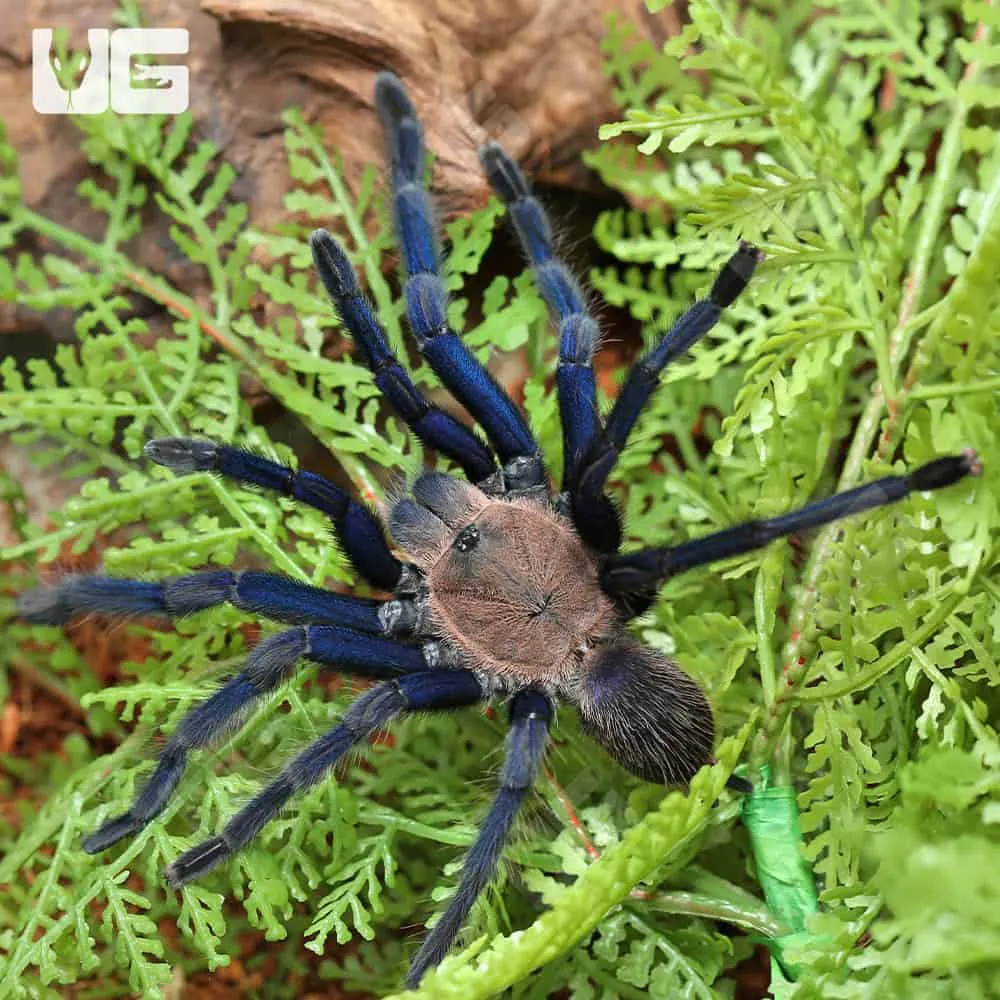
Understanding the Sarawak Blue Tarantula
The Sarawak Blue Tarantula (Chilobrachys natanicharum) is a captivating and increasingly popular species within the tarantula hobby. Known for its striking blue coloration and relatively docile temperament, this tarantula originates from the humid rainforests of Sarawak, Malaysia. This care guide provides comprehensive information for both novice and experienced keepers, ensuring your Sarawak Blue thrives. Understanding the specific needs of this species is paramount to providing a healthy and enriching environment for your eight-legged friend. Proper care involves creating a suitable habitat, offering a balanced diet, and recognizing potential health issues, all of which contribute to the tarantula’s longevity and well-being. With the right knowledge and dedication, you can successfully keep and enjoy this fascinating species.
Origin and Habitat
In its natural habitat, the Sarawak Blue Tarantula thrives in the humid, tropical rainforests of Sarawak, Malaysia. These tarantulas are terrestrial, meaning they live primarily on the ground. They typically burrow or create nests in the leaf litter and under rocks, seeking shelter from predators and the elements. The rainforest environment provides a consistent temperature and high humidity level, essential for their survival. Replicating these conditions in captivity is crucial for their health and longevity. The natural habitat also influences their feeding habits, as they primarily consume insects found in the forest floor and surrounding vegetation. Mimicking their natural environment will help your Sarawak Blue Tarantula feel secure and thrive.
Appearance and Characteristics

The Sarawak Blue Tarantula is famous for its stunning blue coloration, particularly noticeable in juveniles and young adults. This vibrant hue often appears on the legs and carapace, making it a visually striking species. Adults can grow to a leg span of approximately 5-6 inches, making them a medium-sized tarantula. They possess a robust build and are covered in fine hairs, which they use for sensory input. While generally docile, they can exhibit defensive behaviors, such as raising their front legs or flicking urticating hairs, if threatened. Their behavior is generally calm, making them a suitable choice for keepers who appreciate observing tarantula behavior without constant interaction. Always handle them with care and respect their personal space.
Setting Up the Perfect Enclosure
Creating a suitable enclosure is fundamental to the health and happiness of your Sarawak Blue Tarantula. The setup should mimic their natural habitat and provide the necessary elements for survival and well-being. The enclosure needs to offer appropriate space, substrate, humidity, and temperature. A well-designed enclosure not only ensures the tarantula’s comfort but also allows you to observe its behavior and monitor its health. Thoughtful planning and careful selection of materials are essential. A comfortable environment will reduce stress and support a long, healthy life for your tarantula, allowing it to display its natural behaviors and beauty.
Choosing the Right Enclosure Size
The size of the enclosure is a critical factor in the well-being of your Sarawak Blue Tarantula. A good rule of thumb is to provide an enclosure that is at least three times the tarantula’s leg span in width and length. For an adult, a 10-gallon tank or a similarly sized terrarium is generally sufficient. The enclosure should be well-ventilated to prevent the buildup of excessive humidity and potential mold growth. It’s essential to avoid enclosures that are too large, as this can make it difficult for the tarantula to find food and feel secure. Always choose an enclosure that is escape-proof, as these tarantulas are excellent climbers. Consider the adult size of the tarantula and plan accordingly, providing space for burrowing and exploration.
Substrate and Decoration

The substrate serves multiple purposes, including providing a base for burrowing, maintaining humidity, and offering a natural environment. A mixture of peat moss, coconut fiber, and a small amount of vermiculite is an excellent choice. The substrate should be deep enough to allow the tarantula to burrow – at least 4-6 inches deep. Decorations such as cork bark, artificial plants, and a water dish can enhance the enclosure and offer hiding places. The decorations should be placed securely to avoid the risk of the tarantula getting trapped or injured. Regularly monitor the substrate for mold and remove any uneaten food to prevent contamination. Keeping the substrate clean and appropriately moist is key to maintaining a healthy environment.
Temperature and Humidity
Maintaining the correct temperature and humidity is critical for the health and well-being of your Sarawak Blue Tarantula. The ideal temperature range is between 75-85°F (24-29°C). A heating pad placed on the side of the enclosure can help maintain the required temperature, but make sure the temperature is not too hot. Humidity should be kept between 70-80%. This can be achieved by lightly misting the enclosure once or twice a week, especially during the dry season. A hygrometer is essential for monitoring humidity levels. Proper ventilation is also important to prevent mold and mildew. Regular monitoring and adjustment of these environmental factors will ensure that your tarantula thrives in its enclosure, emulating its natural habitat.
Feeding Your Sarawak Blue Tarantula
Proper feeding is essential for maintaining the health and growth of your Sarawak Blue Tarantula. A well-balanced diet, along with an appropriate feeding schedule, ensures that your tarantula receives all the nutrients it needs to thrive. Offering the correct food items and portion sizes is essential for avoiding overfeeding and related health issues. Observing your tarantula’s feeding habits can also provide valuable insight into its overall health. Always remove any uneaten food within 24 hours to maintain a clean enclosure and prevent the growth of mold or mites. A well-fed tarantula is a happy tarantula, so pay close attention to its dietary needs.
What to Feed

The Sarawak Blue Tarantula primarily feeds on insects. Crickets, mealworms, and roaches are excellent choices and readily available at most pet stores. The size of the prey should be appropriate for the tarantula; it should be no larger than the tarantula’s body. Offer a variety of insects to ensure a balanced diet. It is also important to gut-load the insects with nutritious food before feeding them to your tarantula. This practice enhances the nutritional value of the prey and provides your tarantula with essential vitamins and minerals. Avoid feeding wild-caught insects, as they may carry parasites or pesticides. Always ensure that the insects are free from any harmful chemicals before feeding them to your tarantula.
Feeding Frequency
The feeding frequency depends on the tarantula’s age and size. Spiderlings and juveniles should be fed 2-3 times a week, while adults can be fed once a week or every other week. Observe your tarantula’s feeding behavior to adjust the feeding schedule as needed. A tarantula that is refusing food might be preparing to molt or experiencing other health issues. Always remove uneaten food within 24 hours to prevent the build-up of mold or mites in the enclosure. Ensure that fresh water is always available, as hydration is essential for healthy molting and overall well-being. Adjust the feeding schedule according to your tarantula’s appetite and growth stage.
Watering and Hydration
Clean water is vital for the health of your Sarawak Blue Tarantula. Always provide a shallow water dish with fresh, clean water. The dish should be shallow enough to prevent the tarantula from drowning, especially for smaller specimens. The water should be changed regularly to prevent the growth of bacteria and algae. In addition to the water dish, you can mist the enclosure lightly once or twice a week to maintain the correct humidity levels, especially in drier environments. Regular misting helps to keep the tarantula hydrated and facilitates successful molting. Ensure that the enclosure has good ventilation to prevent excessive humidity and mold growth. Adequate hydration is crucial for the tarantula’s overall health and survival, so provide water at all times.
Handling and Safety

Handling a Sarawak Blue Tarantula requires caution and respect for the animal. While generally docile, tarantulas can bite if they feel threatened. It’s important to understand the risks and take appropriate precautions before interacting with your tarantula. Understanding the tarantula’s behavior and body language will also help you gauge its mood and avoid unnecessary stress. Safety should always be your top priority. Educating yourself about the species’ defensive mechanisms will aid in preventing potential injuries and building a more positive relationship with your tarantula.
Is Handling Necessary
Handling a Sarawak Blue Tarantula is generally not necessary for its well-being. In fact, frequent handling can cause stress and potentially lead to bites or defensive reactions. If you choose to handle your tarantula, do so with extreme care and only when necessary, such as for enclosure maintenance or health checks. Allow the tarantula to crawl onto your hand rather than trying to pick it up. Always keep your movements slow and deliberate to avoid startling the tarantula. Be aware that even docile tarantulas can be unpredictable and react defensively if they feel threatened. Handling should always be brief and gentle to minimize stress.
Safety Precautions
If you choose to handle your Sarawak Blue Tarantula, take certain safety precautions. Avoid handling the tarantula if you are nervous or unsure. Always wash your hands thoroughly before and after handling. Handle the tarantula over a soft surface, such as a bed or a carpet, to minimize the risk of injury if it falls. Be mindful of the tarantula’s urticating hairs. These fine hairs can be flicked off the abdomen and cause skin irritation. If the tarantula does flick hairs, avoid rubbing your eyes or touching your face, and wash the affected area with soap and water. Always be patient and respectful of the tarantula’s needs and behaviors, and never force it to do anything it does not want to do.
Common Health Issues
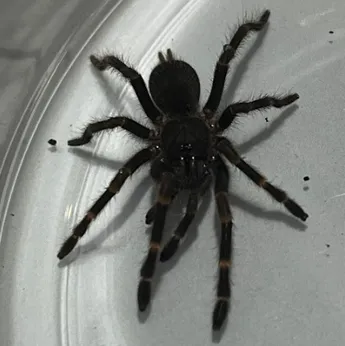
Like all living creatures, Sarawak Blue Tarantulas can experience health issues. Understanding these potential problems and how to address them is crucial for responsible tarantula ownership. By recognizing the signs of illness and taking prompt action, you can help ensure that your tarantula lives a long and healthy life. Regular observation of your tarantula’s behavior and appearance is key to identifying any health concerns early on. Prevention is the best medicine, so providing a suitable environment and a balanced diet is essential to minimize the risk of health issues. If you notice anything unusual, it is always best to consult with a veterinarian experienced in exotic animal care.
Moulting
Moulting is a natural process in which tarantulas shed their exoskeletons to grow. It is a sign of a healthy and growing tarantula. During the moulting process, the tarantula will often become inactive and may refuse food. Provide a slightly higher humidity level during this time. Avoid disturbing the tarantula during its moult. The process can take several hours or even days, depending on the size of the tarantula. After moulting, the tarantula’s new exoskeleton will be soft and vulnerable, so it is important to avoid handling it until the exoskeleton hardens completely. Once the exoskeleton has hardened, you can resume feeding your tarantula. Monitor the tarantula carefully during and after the moult for any signs of injury or complications.
Parasites and Diseases
Tarantulas are generally hardy creatures, but they can be susceptible to certain parasites and diseases. Mites can be a common problem, especially in enclosures with poor ventilation or excessive humidity. Signs of a mite infestation include tiny moving specks on the tarantula’s body, especially around the book lungs. Isolate the affected tarantula and thoroughly clean the enclosure. Other diseases can result from poor husbandry or contaminated food. Look for signs of lethargy, loss of appetite, or unusual behaviors. If you suspect your tarantula is ill, consult a veterinarian experienced in exotic animal care as soon as possible. Early detection and treatment are key to preventing serious health problems. Always quarantine new tarantulas to prevent the spread of potential diseases or parasites.
In conclusion, keeping a Sarawak Blue Tarantula can be a rewarding experience. By following these guidelines, you can create a thriving environment for your tarantula, ensuring its health, well-being, and your enjoyment. Remember that responsible tarantula ownership includes providing a suitable habitat, a balanced diet, and regular monitoring of your pet’s health. Always research and be prepared to provide the best care possible. With dedication and proper care, you can enjoy the beauty and fascinating behavior of this amazing species for years to come. Enjoy the journey of caring for your Sarawak Blue Tarantula!