What Makes a Tarantula Safe?
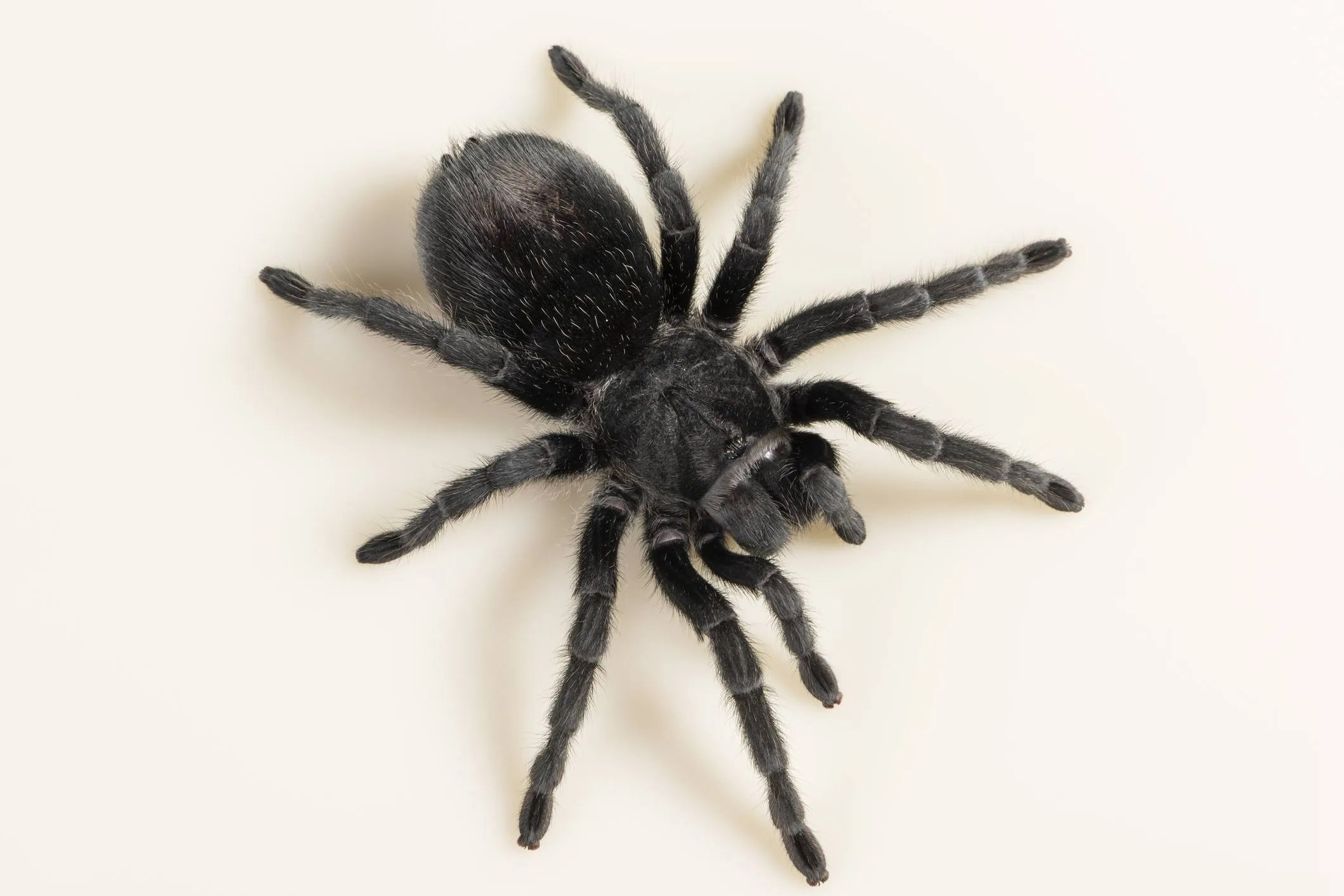
Choosing a tarantula as a pet can be an exciting venture, but it’s crucial to prioritize safety, both for yourself and the well-being of the tarantula. Several factors contribute to a tarantula’s safety rating, making some species better suited for beginners than others. Understanding these aspects will help you make an informed decision and ensure a positive experience. Generally, a ‘safe’ tarantula exhibits a combination of characteristics that minimize the risk of bites, venom reactions, and defensive behaviors. These factors range from temperament and venom potency to the tarantula’s natural defenses.
Temperament and Behavior
A tarantula’s temperament is arguably the most significant factor in its safety. Docile tarantulas are less likely to bite, even when startled or handled. Some species are known for their calm demeanor and willingness to retreat rather than attack. On the other hand, some tarantulas are more defensive and may readily bite or exhibit other defensive behaviors like kicking urticating hairs. Researching the typical behavior of a tarantula species is key before acquiring one. Look for species known for their calm nature and tolerance of handling, keeping in mind that individual tarantulas can still vary in temperament.
Venom Potency

While all tarantulas are venomous, the potency of their venom varies greatly. The venom of most tarantula species is not considered medically significant to humans, meaning it’s unlikely to cause serious health issues. Bites from these tarantulas typically result in localized pain, redness, and swelling, similar to a bee sting. However, some species have more potent venom, which may cause more severe reactions. It’s important to be aware of the potential effects of a bite and to seek medical attention if you experience any allergic reactions or unusual symptoms.
Defensive Mechanisms
Besides biting, tarantulas have other defensive mechanisms. Some species possess urticating hairs, which they flick off their abdomens as a defense mechanism. These hairs can cause intense itching and irritation upon contact with skin or eyes. Other species may also display threat postures, such as rearing up or raising their front legs. Understanding these defenses is important when interacting with tarantulas, as it allows you to anticipate their behavior and take appropriate precautions to avoid triggering a defensive response. Always approach a tarantula calmly and avoid sudden movements.
Top 5 Safest Tarantulas for Beginners
Here are five tarantula species that are generally considered safe for beginners, keeping in mind that individual temperaments can vary. These species are known for their docile nature, relatively mild venom, and manageable care requirements. Always research each species thoroughly before acquiring one, and ensure you have the appropriate setup and supplies.
The Pinktoe Tarantula (Avicularia avicularia)

Pinktoe tarantulas are a popular choice for beginners due to their vibrant colors and docile temperament. These arboreal tarantulas are relatively small, reaching about 5-6 inches in leg span. They are known for their gentle nature and are less likely to bite compared to other species. Their venom is mild, and their defensive behaviors are often limited to fleeing or flicking hairs, making them a safe choice for those new to tarantula ownership. Always provide an escape route as needed.
Appearance and Habitat
Pinktoe tarantulas are known for their distinctive pink toes and iridescent blue, green, or purple hues on their carapace. They thrive in a humid environment and require an arboreal setup with vertical space for climbing. Provide plenty of foliage, such as artificial plants or cork bark, for hiding and web-building. A shallow water dish and regular misting help maintain humidity levels.
Temperament and Care
Pinktoes are generally calm and less prone to biting. They are often described as skittish and prefer to escape rather than fight. Their care is moderately easy, requiring a humid environment and regular feeding. Offer a varied diet of insects, such as crickets, roaches, and mealworms. Maintain a temperature between 75-85°F (24-29°C).
The Chilean Rose Hair Tarantula (Grammostola rosea)

The Chilean rose hair tarantula is another excellent choice for beginners. They are docile, hardy, and relatively slow-moving, making them easy to handle. Their venom is mild, and their defensive behaviors are usually limited to flicking hairs. Their calm temperament and manageable care requirements make them a popular choice for novice tarantula keepers.
Appearance and Habitat
Chilean rose hair tarantulas are brown with a rose-colored patch of hairs on their carapace, giving them their name. They are terrestrial tarantulas and do well in a simple setup with a hide, a water dish, and substrate. They prefer a dry environment, so avoid excessive humidity. A temperature between 70-80°F (21-27°C) is ideal.
Temperament and Care
These tarantulas are known for their docile nature and are usually not aggressive. They are relatively slow-moving and tolerate handling better than many other species. Their care is straightforward; they require a dry environment, regular feeding, and a secure enclosure. Feed them appropriately sized insects like crickets and mealworms. Avoid overfeeding.
The Curly Hair Tarantula (Tliltocatl albopilosus)

Curly hair tarantulas are another great option for beginners. These tarantulas are known for their calm temperament and distinctive curly hairs. They are relatively hardy and easy to care for, making them a good choice for those new to tarantula keeping. While their venom is mild, it is still advised to approach them carefully.
Appearance and Habitat
Curly hair tarantulas have a dark brown body covered in characteristic curly hairs. They are terrestrial tarantulas and do well in a simple setup with a hide, a water dish, and substrate. They prefer a slightly more humid environment than the Chilean Rose Hair, so keep the substrate lightly moist. Maintain a temperature between 70-80°F (21-27°C).
Temperament and Care
Curly hair tarantulas are docile and slow-moving. They are generally not aggressive and are known to be relatively tolerant of handling. Their care is simple; they require a humid environment, regular feeding, and a secure enclosure. Feeding them appropriately sized insects such as crickets and mealworms is fine.
The Mexican Red Knee Tarantula (Brachypelma hamorii)

The Mexican red knee tarantula is a beautiful and popular species. They are relatively docile and have a striking appearance with their black and red coloration. While they can be a bit more skittish than some other beginner species, their calm temperament and manageable care requirements make them a good choice for intermediate beginners. Their venom is mild and is not a huge threat to humans.
Appearance and Habitat
Mexican red knee tarantulas are known for their striking black and red coloration, particularly on their leg joints. They are terrestrial tarantulas and require a setup with a hide, a water dish, and substrate. They prefer a dry environment with a temperature between 70-80°F (21-27°C).
Temperament and Care
Mexican red knee tarantulas are generally docile, but can be skittish and are more likely to flick hairs. Their care is relatively straightforward, requiring a dry environment, regular feeding, and a secure enclosure. Feed them appropriately sized insects like crickets and mealworms. Handle with caution due to their potential to flick urticating hairs.
The Desert Blonde Tarantula (Aphonopelma chalcodes)

Desert blonde tarantulas are a great choice for those who are looking for a low-maintenance and docile pet. They are native to the southwestern United States and are known for their golden coloration and calm temperament. They are a good option for beginners, especially if they want a tarantula that’s a little different from the typical species.
Appearance and Habitat
Desert blonde tarantulas have a beautiful golden-brown coloration. They are terrestrial tarantulas and require a setup with a hide, a water dish, and substrate. They prefer a dry environment, so it is important to keep the substrate dry to prevent mold. Maintain a temperature between 70-80°F (21-27°C).
Temperament and Care
Desert blonde tarantulas are known for their calm temperament and are generally not aggressive. They are slow-moving and typically do not flick hairs or bite. Their care is very easy; they need a dry environment, regular feeding, and a secure enclosure. They can be fed appropriately sized insects like crickets and mealworms. They are perfect for beginners because of their low-key nature.
Caring for Your New Tarantula
Once you’ve chosen a tarantula species, it’s essential to provide proper care to ensure its health and safety. Proper care involves creating a suitable habitat, providing appropriate food and water, and handling your tarantula with caution. Understanding these elements will contribute to both your enjoyment and the well-being of your tarantula.
Enclosure Setup
The enclosure should be appropriate for the tarantula’s size and species. It should provide enough space for the tarantula to move around and have a secure lid to prevent escape. The enclosure should also include a substrate, a hide, and a water dish. Consider the species’ requirements for humidity and temperature when setting up the enclosure.
Feeding and Hydration
Tarantulas should be fed a diet of appropriately sized insects, such as crickets, roaches, and mealworms. The frequency of feeding depends on the tarantula’s size and age. Always remove any uneaten food within 24 hours. Provide fresh water in a shallow dish at all times. The water dish should be checked regularly to ensure it is clean and full.
Handling and Safety
Handle your tarantula with caution, if at all. Some tarantulas are more tolerant of handling than others. Always approach a tarantula slowly and avoid sudden movements. Handle your tarantula over a soft surface, such as a bed or a carpet, to prevent injury if it falls. Wash your hands thoroughly before and after handling your tarantula. Remember to always respect the animal and avoid any actions that may cause it stress or fear. If you are bitten or experience any allergic reaction, seek medical attention immediately.
Conclusion
Choosing a tarantula as a pet can be a rewarding experience for beginners, provided that you do your research and prioritize safety. The species listed here are generally considered safe due to their docile temperament, relatively mild venom, and manageable care requirements. Always remember to provide proper care, and understand the risks involved. With careful selection and responsible ownership, you can enjoy the fascinating world of tarantulas.