Rossea RCF Tarantula: 5 Amazing Facts!
The Rossea RCF tarantula, a captivating arachnid, has become a popular choice among tarantula enthusiasts. Known for its striking appearance and relatively docile temperament, this species offers a rewarding experience for both novice and experienced keepers. This article delves into five amazing facts that highlight what makes the Rossea RCF tarantula so special. From its unique coloration to its fascinating life cycle, discover why this tarantula is a remarkable creature. Prepare to be amazed by the world of the Rossea RCF tarantula. Whether you’re a seasoned tarantula keeper or just starting your research, these facts will undoubtedly spark your interest and appreciation for this captivating species. Learning about the Rossea RCF tarantula’s distinct traits and behaviors provides insight into what makes them so fascinating.
What is a Rossea RCF Tarantula?
The Rossea RCF tarantula, scientifically known as Grammostola rosea, is a terrestrial tarantula native to the arid regions of Chile, Bolivia, and Argentina. The term ‘RCF’ refers to ‘Red Color Form’, indicating the distinct reddish hues that often appear on their legs and carapace. These tarantulas are relatively docile compared to other species, making them a favorite among beginner tarantula keepers. They are known for their robust build and longevity, often living for over 20 years. This hardy species adapts well to captivity, given proper care and attention. The Rossea RCF tarantula is a part of the Grammostola genus, which is known for its calmer temperament and suitability for pet ownership. Understanding the background of these tarantulas is the first step towards proper care.
Appearance and Characteristics of Rossea RCF Tarantulas

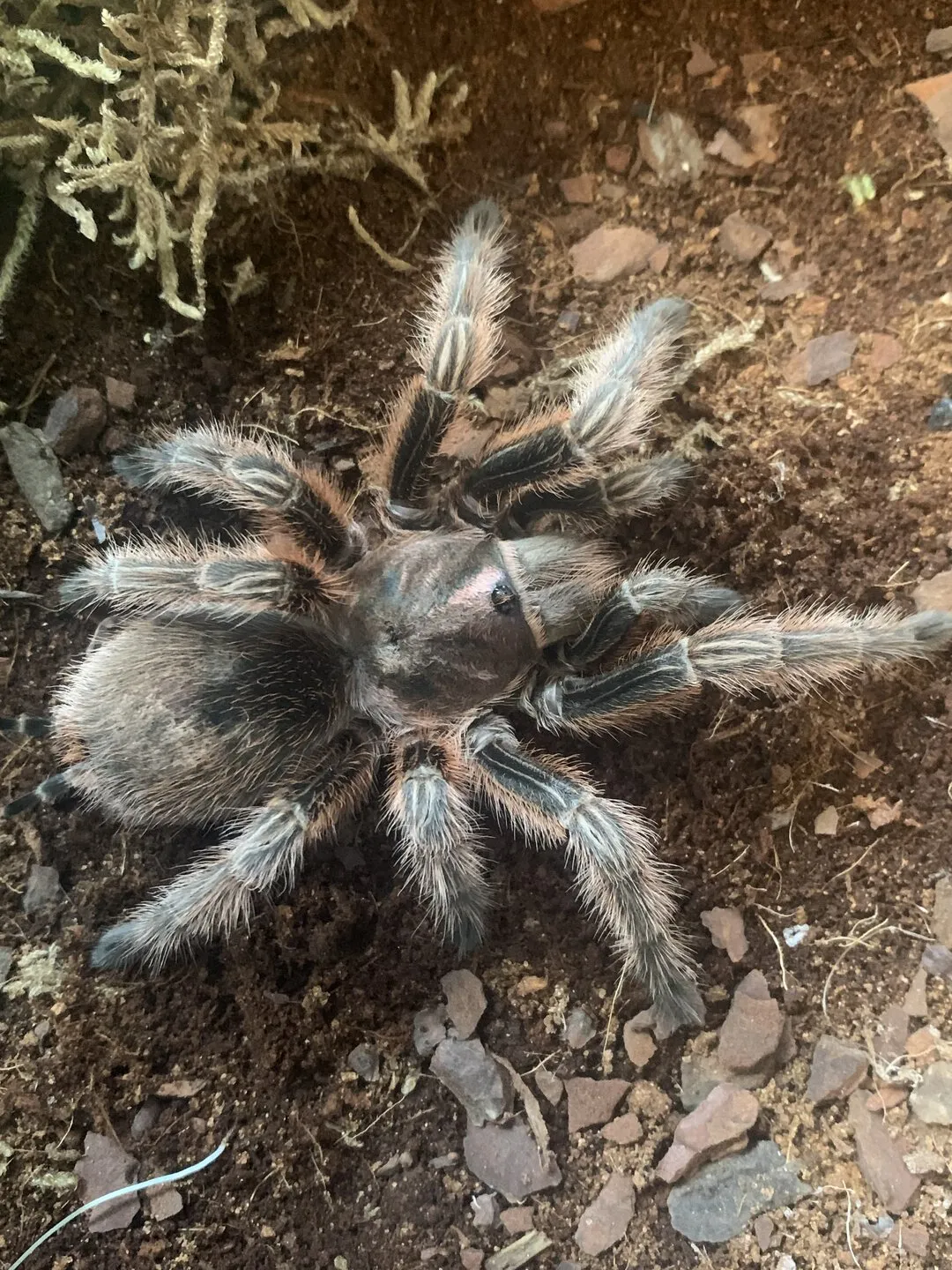
Rossea RCF tarantulas are visually stunning creatures. Their bodies are covered in hairs, which give them a fuzzy appearance. The overall coloration can vary, but they are typically a mix of brown, tan, and reddish hues. The ‘Red Color Form’ designation highlights the reddish coloration often present on their legs and carapace. Their chelicerae (mouthparts) are strong and used for both feeding and defense. These tarantulas have eight eyes, though their vision is not highly developed, and they rely more on vibrations and sensory hairs to navigate their environment. Their bodies are divided into two main parts: the cephalothorax (head and thorax combined) and the abdomen. The cephalothorax houses the eyes, mouthparts, and legs, while the abdomen contains vital organs and reproductive structures. Understanding the physical aspects is important for identifying health issues.
Size and Lifespan
Rossea RCF tarantulas have a moderate size, with females typically reaching a leg span of about 5-6 inches. Males are generally smaller. These tarantulas are known for their longevity, with females often living for 20 years or more, while males have a shorter lifespan, typically around 5-7 years. The size and lifespan of a Rossea RCF tarantula vary based on its genetics, diet, and living conditions. Providing an appropriate environment, along with proper nutrition, contributes to their overall health and lifespan. Regularly monitoring their growth and health is essential for ensuring they live a long and healthy life. Comparing their size with others in the Grammostola genus highlights their typical traits.
Coloration and Markings
The coloration of a Rossea RCF tarantula is a blend of earthy tones, often with the defining reddish hues on their legs and carapace. The intensity of the red can vary, with some specimens exhibiting more vibrant coloration than others. Their abdomens may have a pattern of darker markings. The overall appearance can also change with each molt, as the tarantula sheds its exoskeleton and reveals a new, often brighter, layer. Paying attention to these color changes helps to ensure your tarantula is healthy. Coloration can also indicate age and overall health. Different genetic factors can lead to variations in the coloration of Rossea RCF tarantulas, which gives them individual characteristics.
Where Do They Come From?

Rossea RCF tarantulas originate from the arid and semi-arid regions of South America. Their native habitat spans across countries such as Chile, Bolivia, and Argentina. They are adapted to survive in dry climates. Their geographical range significantly influences their behavior and needs. The tarantulas have specific adaptations to deal with these environmental conditions, which makes understanding their origin crucial for providing proper care. By replicating their natural habitat, you can make the tarantulas feel safer and healthier. The study of the tarantula’s origins is fundamental to their well-being.
Native Habitat and Distribution
In their natural habitat, Rossea RCF tarantulas are found in burrows or beneath rocks and logs, providing shelter from the harsh elements. Their distribution primarily covers the drier regions of Chile, Bolivia, and Argentina. These tarantulas are adapted to survive with limited access to water. They thrive in environments with moderate temperatures and low humidity. Understanding these details is essential for creating an environment that fulfills their basic needs. The type of soil, availability of shelter, and other local factors also impact their distribution. Maintaining a suitable environment can make them feel more comfortable.
Basic Needs for Rossea RCF Tarantula
Caring for a Rossea RCF tarantula involves providing a suitable environment that meets their basic needs. This includes a secure enclosure, appropriate substrate, and a consistent source of food and water. The enclosure should be appropriately sized. The substrate should maintain humidity while still allowing for burrowing. Constant access to fresh water and a diet consisting of insects such as crickets and mealworms are essential. Additionally, a proper temperature gradient is needed to ensure their health. Regular maintenance is required to clean and maintain their habitat, and also check for possible illnesses. Ensuring these needs are met helps the tarantula thrive in captivity. Providing this care indicates how seriously you take their welfare.
Feeding Habits and Dietary Needs

Rossea RCF tarantulas are opportunistic eaters. In captivity, they primarily feed on insects. Crickets, mealworms, and roaches are suitable options, providing essential nutrients for growth and energy. The frequency of feeding depends on the tarantula’s age and size, with juveniles needing more frequent meals than adults. Uneaten food should be removed to avoid mold and bacterial growth. Providing a variety of food options ensures a balanced diet. Monitoring their feeding habits can help detect any health issues. Proper feeding is a cornerstone of their well-being. The type of food you provide will affect their overall health.
Suitable Enclosure and Environment
A suitable enclosure is crucial for housing a Rossea RCF tarantula. A ten-gallon tank is often sufficient for juveniles, with adults needing larger enclosures to accommodate their size. The enclosure should have a secure lid to prevent escape. The substrate should be deep enough. A water dish should always be available. Providing a hide, such as a piece of cork bark or a hollow log, provides the tarantula with security. Maintaining proper temperature and humidity levels is also vital. The enclosure should be placed in a stable and quiet location. The best enclosure setup helps the tarantula live a long and happy life.
Temperament and Behavior
Rossea RCF tarantulas are generally known for their docile temperament, making them a favorite among tarantula keepers. They are less likely to bite compared to other species, often preferring to flick hairs (urticating hairs) as a defense mechanism. However, individual tarantulas can vary in temperament. Understanding their behavior is crucial for safe handling. They are mostly active at night and spend most of their time hiding. When threatened, they may exhibit defensive postures. The environment they are in also affects their behavior. Knowing their tendencies will help you avoid startling them. Observing these characteristics can help you have a better appreciation of them.
Handling and Interaction Guidelines

While Rossea RCF tarantulas are generally docile, handling should be approached with caution. Always handle them close to the ground. Never attempt to handle a tarantula if you are stressed or anxious. Wash your hands before and after handling to prevent the transfer of oils or chemicals. Be gentle and avoid sudden movements. If the tarantula shows signs of stress, such as raising its front legs or flicking hairs, gently place it back in its enclosure. Be aware of their defensive behaviors and handle them only when necessary. Frequent handling may also stress them out. Handling should be performed with utmost care. If in doubt, leave the tarantula alone.
Common Health Issues and Prevention
Like all tarantulas, Rossea RCF tarantulas are susceptible to certain health issues. Overfeeding can lead to obesity. Dehydration can occur if they don’t have access to fresh water. Parasites and mites can also be a concern if the enclosure isn’t properly maintained. Regularly inspect the tarantula and its enclosure. Ensure proper temperature and humidity levels. Quarantine new tarantulas to prevent the spread of diseases. Recognizing the signs of illness early on. If you suspect a health problem, consult an experienced tarantula keeper or a veterinarian. The best way to keep them healthy is through preventive care.
Molting and Growth
Molting is a natural process where tarantulas shed their exoskeleton to grow. This is a vulnerable time for them. During molting, tarantulas may lose their appetite. They may also lie on their backs. The molting process can take several hours. Do not disturb the tarantula during molting. After molting, the tarantula’s new exoskeleton will be soft and fragile. It will take a few days for the exoskeleton to harden. Providing a humid environment and leaving the tarantula undisturbed during this period will contribute to a successful molt. The molting process indicates the tarantula’s growth. Molting frequency depends on the tarantula’s age.
Breeding and Reproduction

Breeding Rossea RCF tarantulas can be a rewarding experience for experienced keepers. It involves carefully selecting mature male and female specimens. The breeding process usually involves introducing the male to the female’s enclosure. Courtship behaviors may occur. The female may or may not accept the male. If successful, the female will produce an egg sac. The eggs require specific incubation conditions. Spiderlings will hatch and grow. Breeding them in captivity requires a strong understanding of their needs. Successful breeding is a complex process.