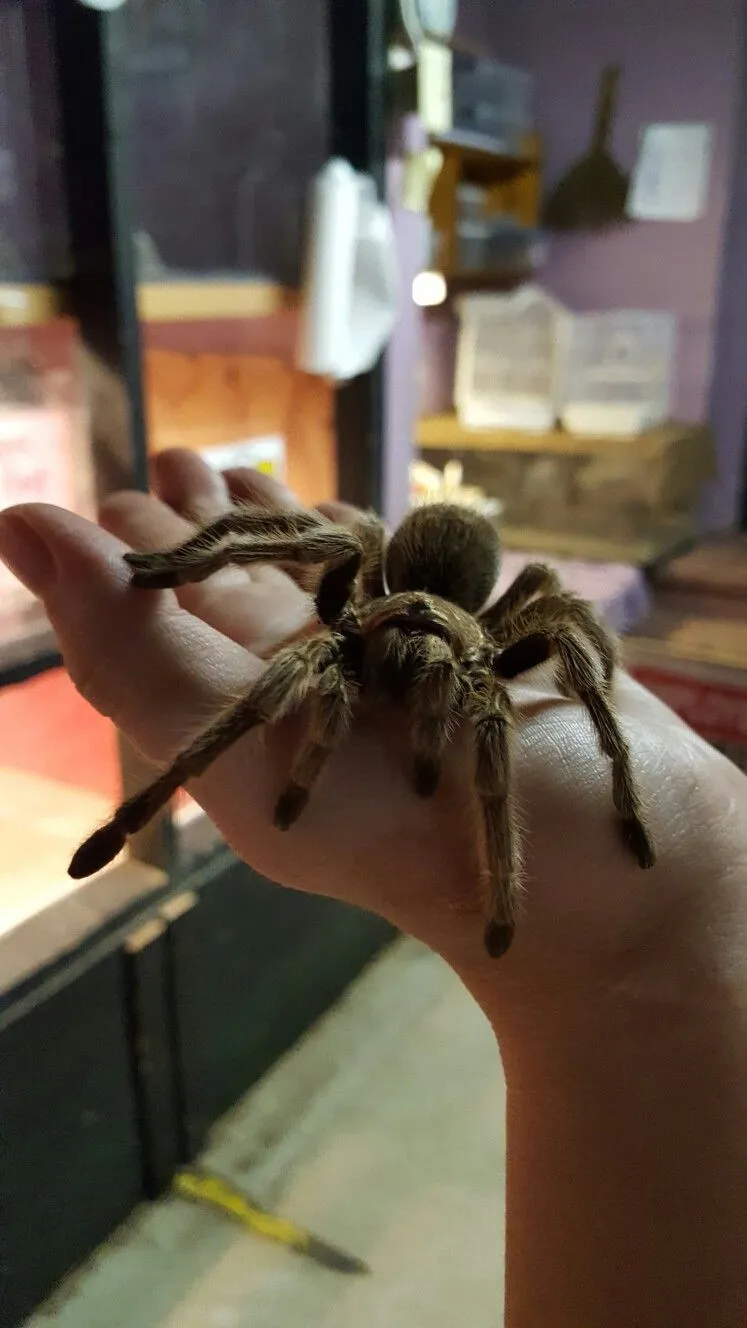
What is Rose Hair Tarantula Venom?
Rose Hair Tarantulas, scientifically known as Grammostola rosea, are popular pets, prized for their docile nature and striking appearance. However, like all tarantulas, they possess venom. Understanding this venom, its composition, and its effects is crucial for responsible pet ownership and for anyone curious about these fascinating creatures. While the idea of tarantula venom might sound intimidating, it’s essential to distinguish between the fear-inducing image often portrayed in media and the reality of this creature. This article delves into the specifics of Rose Hair Tarantula venom, providing essential information about its nature, potential risks, and safety precautions. It aims to debunk myths and provide a clear, factual understanding of this aspect of Rose Hair Tarantulas.
The Composition of Rose Hair Tarantula Venom
Tarantula venom is a complex cocktail of proteins, peptides, enzymes, and other compounds designed primarily to immobilize or subdue prey. The exact composition varies between different tarantula species, but the primary components are usually neurotoxins. In Rose Hair Tarantulas, the venom is relatively mild compared to that of some other tarantula species. The specific proteins found in the venom work by disrupting the nervous system of their prey, causing paralysis. This allows the tarantula to consume its meal more easily. Research into tarantula venom continues, as scientists explore its potential applications in medicine and other fields. The study of these compounds offers insights into a wide range of biological processes.
Venom’s Role in the Tarantula’s Life

For Rose Hair Tarantulas, venom serves primarily as a hunting tool. They use it to subdue insects and small animals they consume. The venom quickly paralyzes the prey, making it easier for the tarantula to capture and eat. Aside from hunting, the venom also plays a role in defense. If a Rose Hair Tarantula feels threatened, it may bite as a last resort, injecting venom to deter potential predators. This defense mechanism is part of their survival strategy in the wild. The venom’s purpose is to incapacitate rather than kill instantly, giving the tarantula time to feed or escape. Understanding the role of venom helps to appreciate the Rose Hair Tarantula’s place in its ecosystem.
Can Rose Hair Tarantula Venom Kill Humans?
The short answer is no, Rose Hair Tarantula venom is not typically lethal to humans. While a bite can be unpleasant, the venom is not potent enough to pose a significant threat. Compared to other venomous animals, the venom of a Rose Hair Tarantula is considered mild. However, this does not mean that bites are completely harmless, it is important to consider the other factors. It is also crucial to be aware of the potential for allergic reactions. The venom does cause pain and localized symptoms, but death is exceptionally rare. This understanding helps in managing expectations and ensures pet owners and enthusiasts have realistic expectations.
Severity of a Rose Hair Tarantula Bite
The severity of a Rose Hair Tarantula bite is generally low. Most bites result in localized pain, similar to a bee sting. Swelling, redness, and itching at the bite site are common. The intensity of the symptoms can vary depending on the individual’s sensitivity and the amount of venom injected. In rare cases, more severe reactions can occur, particularly if the person is allergic. Overall, the bite is not considered life-threatening. When the tarantula bites it will only inject a small amount of venom that will cause mild to moderate pain. These bites are not considered to be dangerous and you don’t need to rush to a hospital.
Symptoms of a Rose Hair Tarantula Bite

Typical symptoms of a Rose Hair Tarantula bite include immediate pain at the bite site, often described as a sharp or stinging sensation. Redness and swelling around the area are also common. Itching and warmth may also be present. In some individuals, the symptoms may extend beyond the bite site, causing muscle cramps or general discomfort. More serious reactions, such as difficulty breathing or severe swelling, could indicate an allergic response, and in those cases, medical attention should be sought immediately. Fortunately, severe reactions are very rare. For most people, symptoms will subside within a few hours or days, with no long-term effects.
First Aid for a Rose Hair Tarantula Bite
If bitten by a Rose Hair Tarantula, the first step is to remain calm. Wash the bite area with soap and water. Apply a cold compress to reduce swelling and pain. Over-the-counter pain relievers, such as ibuprofen or acetaminophen, can help manage discomfort. Monitor the bite site for signs of a more severe reaction, such as difficulty breathing or increased swelling. Seek medical attention if such symptoms develop. Most bites can be treated at home with basic first aid measures. Avoid scratching the bite, as this can increase the risk of infection. Keeping the bite area clean and dry promotes healing. If concerned, consult a healthcare professional for guidance.
Are Rose Hair Tarantulas Aggressive?
Rose Hair Tarantulas are generally known for their docile and gentle nature, making them popular choices for beginner tarantula keepers. They are not typically aggressive and prefer to retreat or defend themselves rather than attack. These tarantulas are often described as calm and easy to handle. However, like any animal, their behavior can vary depending on the individual tarantula, environmental factors, and how they are handled. The majority of Rose Hair Tarantulas will only bite if provoked, such as feeling threatened or being mishandled. Owners should understand the individual tarantula they own. Proper handling and understanding the tarantula’s body language are crucial for maintaining safety.
Factors Influencing Tarantula Aggression
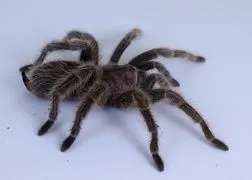
Several factors can influence the aggression of a Rose Hair Tarantula. Stress is a major contributor, and stress can be caused by improper housing conditions, such as a lack of hiding places, incorrect temperature or humidity levels. Frequent or rough handling can also stress a tarantula, increasing the likelihood of a defensive bite. Additionally, the tarantula’s individual personality plays a role; some tarantulas are naturally more defensive than others. The tarantula’s feeding schedule and overall health also contribute to its behavior. A well-fed, healthy tarantula is less likely to be aggressive. By managing these factors, owners can create a more relaxed environment for their pet.
Handling and Interacting with Rose Hair Tarantulas
When handling a Rose Hair Tarantula, approach it with caution and respect. Always handle the tarantula over a soft surface, in case it falls. Avoid sudden movements and try to be as gentle as possible. It’s best to allow the tarantula to walk onto your hand of its own accord, rather than forcing it. Watch for signs of stress, such as a raised defensive posture. If the tarantula seems agitated, it’s best to leave it alone. Always wash your hands before and after handling to ensure hygiene. The goal is to create a positive interaction. Never force the tarantula to be handled. It’s crucial to remember that tarantulas are delicate and can be easily injured.
Rose Hair Tarantula Safety Tips
Ensuring the safety of yourself and your Rose Hair Tarantula is paramount. Proper housing, responsible handling, and an understanding of the tarantula’s behavior are all critical aspects of safe ownership. By following simple guidelines, you can enjoy your pet while minimizing risks. Prioritize the well-being of both yourself and your tarantula. This includes providing the right environment, handling with care, and respecting the animal’s needs. This approach enhances the overall experience of keeping a Rose Hair Tarantula.
Safe Housing for Rose Hair Tarantulas

Provide your Rose Hair Tarantula with a secure and appropriate enclosure. The enclosure should be large enough for the tarantula to move around comfortably, with sufficient ventilation. A secure lid is essential to prevent escapes. The enclosure should include substrate, such as coconut fiber, to provide a comfortable environment and allow the tarantula to burrow. Provide a hide, such as a piece of cork bark, where the tarantula can retreat. Maintain the appropriate temperature and humidity levels for the species. Regularly clean the enclosure to maintain good hygiene. A well-maintained enclosure supports the tarantula’s health and well-being.
Proper Handling Techniques for Tarantulas
Before handling your tarantula, observe its behavior and mood. Avoid handling during molting, as the tarantula is more vulnerable during this time. When handling, do so gently, allowing the tarantula to walk onto your hand rather than grabbing it. Keep your movements slow and deliberate to avoid startling the tarantula. Handle the tarantula over a soft surface, like a bed or a carpet, to minimize the risk of injury if it falls. Always wash your hands before and after handling. Do not handle the tarantula frequently. Handling should be kept to a minimum to reduce stress and promote a good relationship.
5 Key Facts About Rose Hair Tarantula Venom
Fact 1 The Venom is Mild

The venom of a Rose Hair Tarantula is considered to be mild. It is not potent enough to cause severe harm to humans. While a bite can be painful, the symptoms are usually localized and resolve within a short period. The main components of the venom are designed to subdue prey, not to cause serious harm to larger animals like humans. Understanding that the venom is mild helps alleviate fear and promotes informed pet ownership. Keep in mind that the potency of the venom varies across tarantula species.
Fact 2 Allergic Reactions are Possible
Although Rose Hair Tarantula venom is mild, allergic reactions are still possible. Some individuals may have a sensitivity to the venom’s components, leading to more severe symptoms. These symptoms could include excessive swelling, difficulty breathing, or other signs of an allergic response. Anyone who experiences such symptoms after a bite should seek medical attention immediately. Although rare, allergic reactions highlight the importance of being aware of potential sensitivities. Always be prepared for any possible health reaction. It’s a good idea to have a basic understanding of allergy symptoms.
Fact 3 Bites are Rare
Rose Hair Tarantulas are not aggressive and bites are rare, especially when handled properly. These tarantulas typically only bite as a last resort when they feel threatened or are mishandled. The likelihood of being bitten can be greatly reduced by providing a suitable environment and handling them with care and respect. Understanding the tarantula’s behavior and avoiding actions that might provoke them is crucial. Being informed and taking precautions minimizes the chances of a bite. Proper handling techniques and a stable environment reduce stress on the tarantula.
Fact 4 Medical Attention is Usually Not Needed
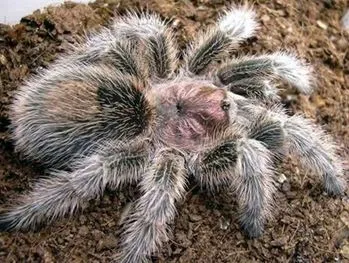
For most Rose Hair Tarantula bites, medical attention is not necessary. The symptoms are usually mild enough to be treated at home with basic first aid. This includes washing the bite area, applying a cold compress, and taking over-the-counter pain relievers if needed. However, if you experience severe symptoms such as difficulty breathing or excessive swelling, seek immediate medical help. The typical bite is like a bee sting. It is essential to remain calm and monitor the bite area for any signs of a severe reaction. When in doubt, consult a medical professional to obtain the right guidance.
Fact 5 The Tarantula’s Defense Mechanism
The Rose Hair Tarantula’s venom, while not highly potent, is a key component of its defense mechanism. The venom is injected through fangs and is used to subdue prey and deter potential predators. In addition to biting, Rose Hair Tarantulas also have other defensive strategies, such as flicking urticating hairs from their abdomen. This dual approach makes the tarantula a very effective survivalist in its natural environment. Understanding these defense mechanisms helps in respecting the animal’s boundaries. Knowing how the tarantula protects itself provides a better appreciation of its behavior.