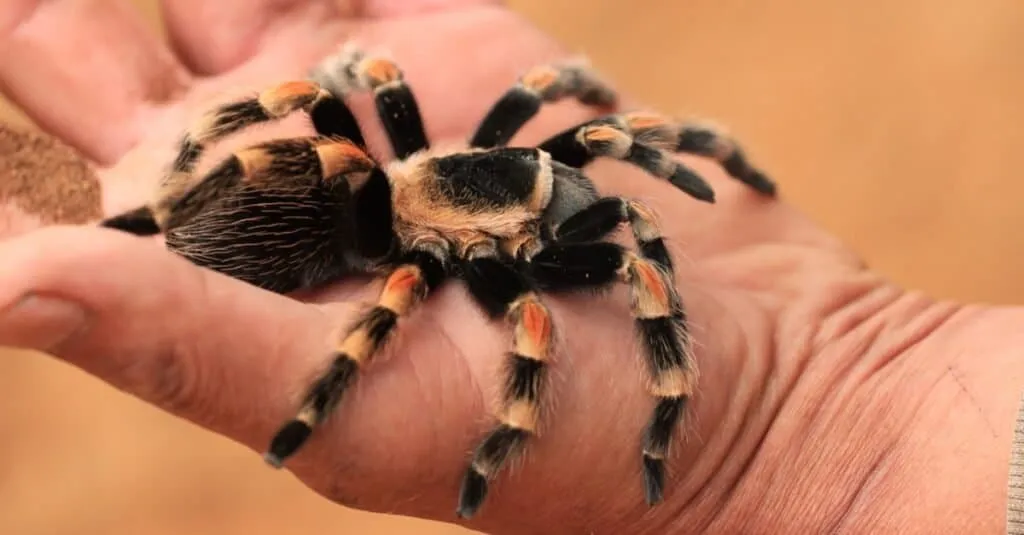
Top 5 Care Tips for Red Knee Tarantula Slings
Caring for a Red Knee Tarantula sling can be a rewarding experience. These fascinating creatures, with their striking red and black markings, are relatively docile and make excellent pets for those interested in arachnids. However, their small size and specific needs require careful attention. This guide will provide you with the top 5 care tips to ensure your Red Knee Tarantula sling thrives, covering essential aspects from enclosure setup to safe handling practices. Understanding these fundamentals is crucial for the health and well-being of your new pet. With the right care, your Red Knee Tarantula sling can grow into a beautiful and fascinating adult.
Proper Enclosure Setup
The enclosure is your sling’s home and a critical element in their care. A well-designed enclosure provides security, regulates the environment, and facilitates natural behaviors. The right setup will make your sling feel safe and reduce stress, contributing to its overall health. It’s important to select the right size, substrate, and ventilation to create a comfortable habitat. Neglecting the enclosure setup can lead to issues like poor molting, dehydration, and even death. Investing time and effort in creating the perfect habitat is an investment in your sling’s future.
Choosing the Right Enclosure

For Red Knee Tarantula slings, a small, secure enclosure is necessary. A clear, plastic container with a secure lid is often ideal. The container should be appropriately sized to prevent the sling from feeling overwhelmed; too large of an enclosure can make it difficult for the sling to find its food and water. The enclosure should be escape-proof, as slings are masters of squeezing through small gaps. Consider a container that is at least three times the leg span of your sling. Ensure there are no sharp edges or potential hazards that could injure your tarantula. A well-chosen enclosure provides a safe and comfortable environment for your sling.
Substrate Selection and Depth
The substrate is the material that lines the bottom of the enclosure. For Red Knee Tarantula slings, a substrate that retains moisture and allows for burrowing is crucial. A mix of coconut fiber, peat moss, and a small amount of vermiculite is often recommended. The substrate depth should be at least twice the leg span of the sling, allowing it to burrow and feel secure. Avoid using substrates that are too dusty or contain sharp particles. The substrate also helps to maintain humidity levels, which is essential for your sling’s health. Regularly check the substrate for mold or excessive moisture and replace it as needed. Image of the red knee tarantula sling inside the enclosure.
Ventilation and Airflow
Proper ventilation is essential to prevent the buildup of mold and maintain healthy humidity levels. The enclosure should have adequate ventilation without causing excessive airflow that could dry out the habitat. Small holes on the top and sides of the enclosure are usually sufficient. Avoid placing the enclosure in direct sunlight or near a heat source, as this can lead to rapid temperature fluctuations. Good ventilation also reduces the risk of respiratory problems. Monitor the enclosure for condensation; excessive condensation can be a sign of poor ventilation. Image of a red knee tarantula sling enclosure with proper ventilation.
Feeding Your Sling

Feeding is one of the most exciting aspects of caring for a Red Knee Tarantula sling. Slings have high metabolic rates and need regular meals to grow and develop. Providing the right type of food and adjusting the feeding frequency based on the sling’s size and appetite is essential. Observe your sling’s behavior during feeding to ensure it’s eating properly and not showing signs of stress. A healthy sling is a growing sling, and proper nutrition is the foundation of its health. Feeding is a key part of the bonding process, and observing your sling eat is a source of fascination.
Choosing the Right Food
The primary food source for Red Knee Tarantula slings is insects. Small, live insects such as flightless fruit flies, pinhead crickets, and small mealworms are suitable choices. The insects should be no larger than the sling’s body. It’s important to gut-load the insects with nutritious food before feeding them to your sling. Gut-loading involves feeding the insects high-quality food, such as vegetables and commercial insect food, a few hours before feeding them to your sling. This ensures your sling receives essential nutrients. Avoid feeding wild-caught insects, as they may carry parasites or pesticides. Image of the red knee tarantula sling eating a cricket.
Feeding Frequency and Size
The feeding frequency depends on the sling’s size and age. Younger slings should be fed every other day, while older slings can be fed less frequently, about two to three times a week. Remove any uneaten food within 24 hours to prevent mold growth. Observe your sling’s abdomen; a slightly rounded abdomen indicates a well-fed tarantula. If the sling refuses food, it might be preparing to molt, so avoid feeding it until it molts. Adjust the size of the prey as the sling grows. Overfeeding can be as harmful as underfeeding, so monitor your sling closely. Image of different size food options next to a sling.
Water and Humidity

Maintaining proper hydration and humidity levels is critical for the health of a Red Knee Tarantula sling. Tarantulas absorb water through their book lungs, which are specialized respiratory organs. Dehydration can lead to serious health problems, including difficulties with molting and even death. Regular monitoring and maintenance of humidity levels and a clean water source are essential for the well-being of your sling. The right humidity levels will help ensure your sling’s overall health and successful molting.
Providing a Water Source
Always provide a shallow water dish with fresh, clean water. The water dish should be small enough to prevent the sling from drowning. Use a cotton ball or a sponge in the water dish to provide a safe drinking surface. Regularly check the water dish and replace the water to prevent contamination and ensure the sling has access to fresh water. Clean the water dish at least once a week. Providing a constant water source is an important aspect of maintaining the health of your sling. Image of the red knee tarantula sling drinking water.
Maintaining Humidity Levels
Red Knee Tarantula slings require a specific humidity range to thrive, usually between 65% and 75%. You can maintain humidity by lightly misting the enclosure with water every few days, ensuring that the substrate is damp but not waterlogged. Avoid misting the sling directly. Use a hygrometer to monitor the humidity levels. Adequate ventilation is also essential for preventing mold. If the humidity is too low, the sling may have difficulty molting. If the humidity is too high, it can lead to mold growth. Image of the red knee tarantula sling with the humidity measurement equipment.
Temperature and Heating
Temperature plays a crucial role in the metabolism and activity of a Red Knee Tarantula sling. Maintaining the correct temperature range allows them to digest food properly, molt successfully, and remain active. Providing the correct temperature is a crucial aspect of their well-being. Too low, and they may become sluggish and stop eating; too high, and it can be dangerous. Regular monitoring and control of temperature are essential. The right temperature, combined with the correct humidity, is key to a healthy sling.
Ideal Temperature Range
The ideal temperature range for Red Knee Tarantula slings is between 75°F and 85°F (24°C and 29°C). Use a thermometer to monitor the temperature within the enclosure. Avoid placing the enclosure near direct sunlight, radiators, or drafty areas. Temperature fluctuations can be detrimental to their health. If the temperature in your home is consistently below 75°F, you may need to provide supplemental heating. Ensure the temperature remains consistent throughout the day and night. Image of a thermometer measuring the temperature.
Heating Methods
If supplemental heating is necessary, a low-wattage heat mat placed on the side of the enclosure is a safe and effective option. Avoid placing the heat mat directly under the enclosure, as this can cause the substrate to dry out excessively. Ensure the heat mat is regulated by a thermostat to prevent overheating. Another option is to use a ceramic heat emitter, but this method can dry out the enclosure. Always monitor the temperature carefully and provide a temperature gradient within the enclosure, so the sling can move to areas with different temperatures. Never use heat lamps, as they can dry out the enclosure and potentially harm the sling. Image of a heat mat setup.
Handling and Safety

While Red Knee Tarantulas are generally docile, handling should be approached with caution. Slings are delicate and can be easily injured if mishandled. It’s best to avoid handling them unless absolutely necessary. Prioritizing the sling’s safety is essential, and taking the correct precautions will minimize the risk of injury to both the sling and yourself. Observe your sling closely, and if it appears stressed or defensive, avoid handling it altogether. Always wash your hands before and after interacting with your sling, and never use scented soaps or lotions.
When to Handle
Generally, it’s best to avoid handling Red Knee Tarantula slings. However, there may be rare instances when handling is necessary, such as when moving the sling for enclosure maintenance or medical care. If you must handle your sling, do so with extreme care. Never handle a sling that appears stressed or defensive. Handling should only be done in a controlled environment with soft surfaces to prevent injury if the sling were to fall. The safety of the sling must always come first. Recognize that slings are fragile, and handling can cause stress, which can affect their health.
Safe Handling Procedures
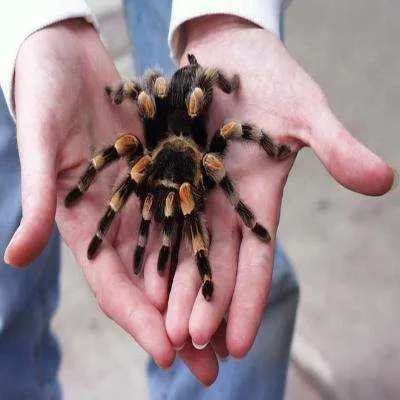
If you must handle your Red Knee Tarantula sling, do so gently and slowly. Use a soft brush to gently encourage the sling onto your hand or a container. Avoid sudden movements that might startle the sling. Always handle the sling over a soft surface, such as a bed or a low table, to minimize the risk of injury if it falls. Be aware of the tarantula’s behavior, and put it back into its enclosure immediately if it shows signs of stress, such as raising its front legs or flicking hairs. Always wash your hands after handling your sling. Image of the red knee tarantula sling on a hand.
Caring for a Red Knee Tarantula sling is a rewarding experience that requires dedication and attention to detail. By following these top 5 care tips, you can provide your sling with a healthy and enriching environment, allowing it to thrive and grow into a beautiful adult tarantula. Remember to always prioritize the sling’s well-being by providing a proper enclosure, proper feeding, proper water/humidity, appropriate temperature, and practicing safe handling. Enjoy the fascinating world of Red Knee Tarantula slings!