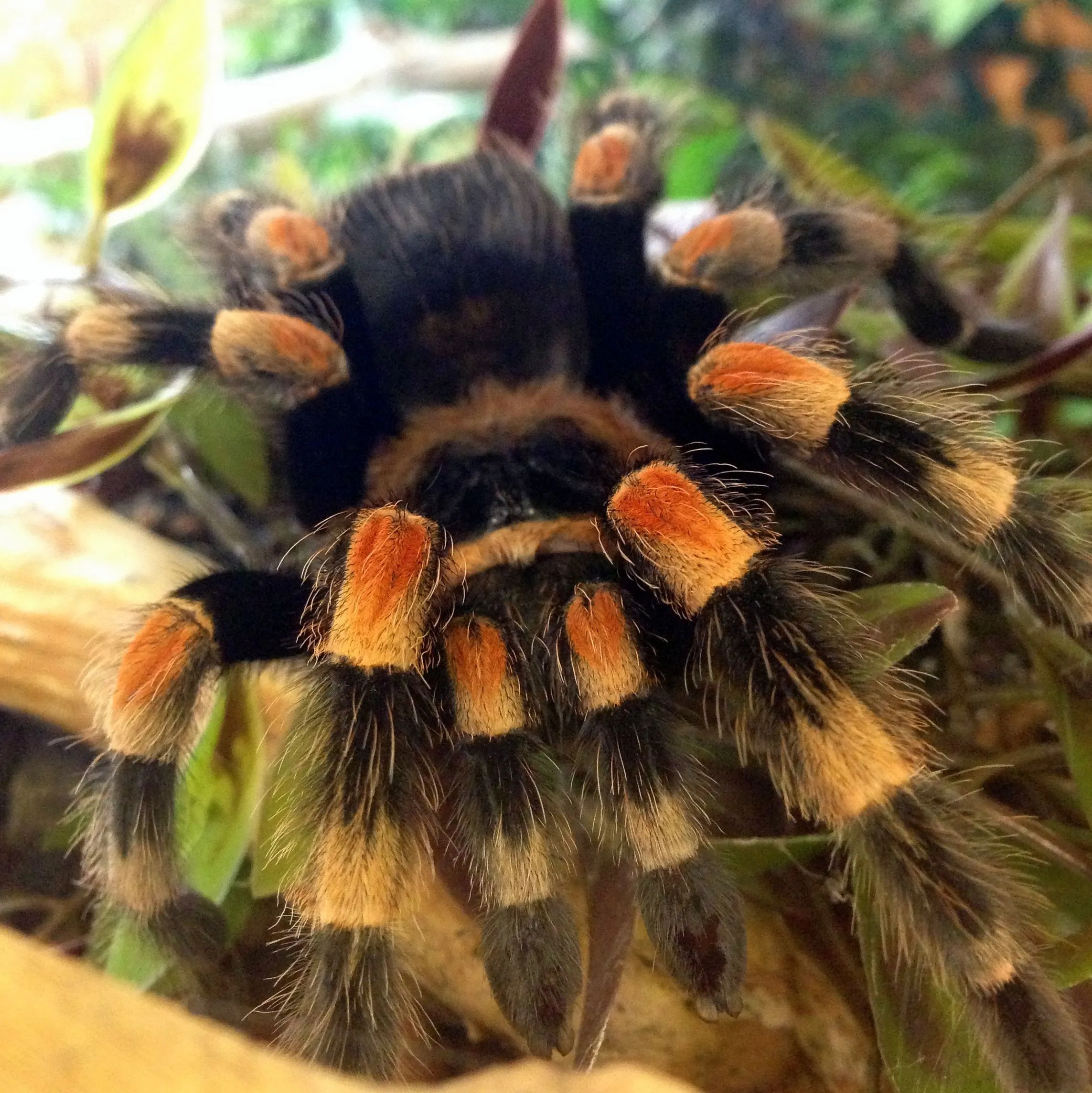
What are Mexican Red Knee Tarantulas?
The Mexican Red Knee Tarantula (Brachypelma hamorii), a captivating arachnid, has become a popular choice among reptile enthusiasts. Native to the arid scrublands and deserts of Mexico, these spiders are celebrated for their striking appearance, relatively docile temperament, and manageable care requirements. Their striking coloration, featuring black bodies contrasted by vibrant red-orange bands on their legs, adds to their appeal. As a terrestrial species, they primarily dwell on the ground, constructing burrows or utilizing natural shelters like rocks and logs. Known for their longevity, they can live for many years, making them a long-term commitment. Their fascinating behavior, coupled with their visual appeal, makes them a highly sought-after pet.
Factors Influencing Red Knee Tarantula Cost
Several factors influence the cost of a Mexican Red Knee Tarantula, affecting both the initial purchase price and the ongoing expenses of ownership. Understanding these variables is crucial for anyone considering bringing one of these spiders into their home. The cost can vary significantly based on these key elements. Furthermore, the price of the tarantula itself is just the beginning. Additional costs, such as enclosure setup, substrate, feeding, and veterinary care, must be considered to ensure the well-being of your pet. Proper planning and research are essential to provide the appropriate environment and care. Being informed about these factors will allow potential owners to make an informed decision about the commitment and expense of caring for this unique pet.
Size and Age

The size and age of the tarantula significantly impact its price. Spiderlings, or young tarantulas, are generally less expensive than larger, more mature specimens. This is due to their smaller size and the extended period needed for them to grow. As the tarantula matures, its value typically increases, especially as it approaches adulthood. Adult females, being capable of producing offspring, often command a higher price. The age of the tarantula affects not only its cost but also its lifespan. The longer the tarantula has already lived, the shorter its remaining lifespan. Furthermore, larger tarantulas require larger enclosures and more food, which leads to higher overall costs.
Morphs and Color Variations
Although Mexican Red Knee Tarantulas are known for their distinct coloration, certain color variations or morphs can influence the price. While the typical red knee exhibits a specific pattern and hue, subtle differences or rarer color expressions may be more valuable. These unique color variations can be the result of selective breeding. The demand for such unusual specimens can drive up their market price. Moreover, the rarity of a particular morph can significantly increase its cost. Collectors and enthusiasts often seek out these unique tarantulas, making them a premium item within the hobby. When considering these variants, it is important to research the lineage and authenticity to ensure you are getting a genuine morph.
Origin and Source
The origin and source of the tarantula also play a role in its price. Tarantulas bred in captivity by reputable breeders are often more expensive than those collected from the wild. Captive-bred tarantulas are generally healthier, as they are not exposed to parasites or diseases found in the wild. They are also less stressed and better acclimated to a captive environment. Breeders invest significant time and resources in raising and caring for these spiders, which reflects in their higher prices. Furthermore, the ethical considerations surrounding the tarantula’s origin are important. Purchasing from a reputable breeder ensures that the tarantula is not sourced from an environment that may be detrimental to the species. Researching the breeder’s practices and reputation can help inform your purchase.
Health and Condition

The overall health and condition of the tarantula are primary factors influencing its cost. A healthy tarantula with no signs of illness or injury will always be valued higher. Look for a tarantula that is active, alert, and displays appropriate feeding behaviors. Check for any visible signs of parasites, mites, or other health issues. A tarantula that has recently molted is often a sign of good health and growth, adding to its appeal. The seller should be transparent about the tarantula’s health history and provide guarantees if necessary. Investing in a healthy tarantula upfront can save on veterinary costs and ensure the tarantula’s long-term well-being. Be prepared to walk away if the tarantula appears unwell or neglected.
Supply and Demand
As with any market, the principles of supply and demand influence the price of Mexican Red Knee Tarantulas. When there is a high demand for these spiders and a limited supply, the price will likely increase. Conversely, if there is a surplus of tarantulas or a decline in demand, prices may drop. Seasonal variations, such as breeding seasons, may also affect supply. Certain morphs or sizes may be more or less available at different times of the year. Staying informed about current market trends, by researching online forums, pet stores, and breeders, can help buyers get the best value. Recognizing the peak seasons for breeding, when there might be an increased supply, can potentially influence the time of purchase.
Additional Costs of Owning a Red Knee Tarantula
Besides the initial purchase price, owning a Mexican Red Knee Tarantula entails several ongoing expenses. These additional costs can accumulate over the tarantula’s lifespan and should be considered before bringing a tarantula home. These recurring costs cover various aspects of care and include setup, maintenance, and potential health requirements. Proper planning and budgeting for these expenses is critical to ensure the tarantula thrives in a healthy environment. Some key areas where costs are expected include enclosure setup, substrate and habitat materials, food and supplies, and, potentially, veterinary care. These costs can differ from tarantula to tarantula.
Enclosure Setup

Setting up an appropriate enclosure for a Mexican Red Knee Tarantula is a significant initial expense. The enclosure should be adequately sized to accommodate the tarantula’s adult size and growth. A suitable enclosure should provide enough space for the tarantula to move around, burrow, and feel secure. Necessary items include a secure glass or plastic terrarium, a lid to prevent escape, and appropriate ventilation. The enclosure setup also requires additional accessories, such as a water dish, hiding places like cork bark or artificial plants, and a thermometer and hygrometer to monitor temperature and humidity levels. Proper enclosure setup not only ensures the tarantula’s safety but also helps maintain its well-being. The initial cost depends on the size of the enclosure and the quality of the accessories.
Substrate and Habitat
The substrate, or bedding, for a Red Knee Tarantula also adds to the ongoing costs. The substrate serves multiple purposes, including providing a comfortable surface for the tarantula to move on, allowing it to burrow, and helping to maintain the necessary humidity levels. Suitable substrate options include coco fiber, peat moss, or a mix of both. These materials need to be replaced regularly to keep the enclosure clean and prevent the buildup of bacteria or mold. The cost of the substrate depends on the chosen material and the size of the enclosure. Over time, the cumulative expense of substrate replacement becomes a part of the overall cost of care. The frequency of replacement will depend on the size of the enclosure, type of substrate, and how well the enclosure is maintained.
Feeding and Supplies
Feeding a Mexican Red Knee Tarantula requires a consistent supply of live insects, primarily crickets, mealworms, or roaches. The size of the tarantula dictates the size and frequency of the feedings. Spiderlings and juveniles need smaller, more frequent meals, while adults eat less often. The cost of live insects can vary depending on the supplier, location, and the quantities purchased. Buying in bulk may be more cost-effective. Additional supplies, such as feeding tongs, insect food, and water, will also add to the expense. A well-planned feeding schedule and sourcing of supplies can help manage the overall cost of feeding. Furthermore, the tarantula’s appetite will change with age, so be prepared to adjust your feeding schedule accordingly.
Long-Term Care and Considerations

Owning a Mexican Red Knee Tarantula is a long-term commitment, and several factors contribute to the overall costs of care throughout its lifespan. These factors include health considerations, such as the need for veterinary care, and the investment involved in maintaining a suitable environment for the tarantula. Planning for these long-term expenses is crucial for responsible ownership. Consistent and attentive care helps ensure that your tarantula remains healthy and content. A long-term care approach also involves understanding the specific requirements of the tarantula during different life stages. Adequate resources and consistent effort result in a rewarding experience for both the owner and the pet.
Health and Veterinary Costs
While Mexican Red Knee Tarantulas are generally hardy, they can still experience health problems that may require veterinary attention. Specialized veterinary care for tarantulas is not always readily available, and costs can vary. Unexpected health issues, such as parasites or injuries, will necessitate professional care. Routine veterinary checkups may not be standard, but consultation with a veterinarian who specializes in exotic pets can be beneficial. Preparing for potential veterinary expenses is critical for providing the best care for your tarantula. Proper research into the availability and cost of veterinary care in your area will provide an informed budget.
Lifespan and Investment
Mexican Red Knee Tarantulas can live for a considerable amount of time, which also impacts the overall investment in their care. Female tarantulas can live for up to 20-30 years, which means many years of providing care, food, and a suitable habitat. The cost of owning the tarantula accumulates over its lifetime. The initial purchase price is just the beginning. Continuous costs for enclosure maintenance, substrate, feeding, and potential veterinary care need to be factored in. Consider the long-term financial responsibility, ensuring that you are prepared to provide consistent care for the duration of the tarantula’s life. The long lifespan, however, also means that the initial investment in the tarantula and its setup is spread out over many years.