Pink Toe Tarantula vs Rose Hair Which is Right for You?
Choosing your first tarantula can be an exciting but daunting task. The pink toe tarantula (Avicularia avicularia) and the rose hair tarantula (Grammostola rosea) are two of the most popular choices for beginner tarantula keepers. Both species are relatively docile and easy to care for, making them excellent options for those new to the hobby. However, they have distinct characteristics that make them unique. This article provides you with the top 5 facts to help you decide which species is the best fit for you, covering their appearance, temperament, care requirements, and lifespan. Understanding the differences can help you make an informed decision and ensure you provide the best possible environment for your new eight-legged friend.
Pink Toe Tarantula Appearance
The pink toe tarantula is known for its striking appearance, which is where it gets its common name. They are arboreal tarantulas, meaning they spend most of their time in trees. They possess a graceful and delicate build, with slender legs and a vibrant coloration that contrasts beautifully against their surroundings. Their appearance is one of the first things that captures the attention of potential keepers, making them a visually appealing choice.
Distinctive Features

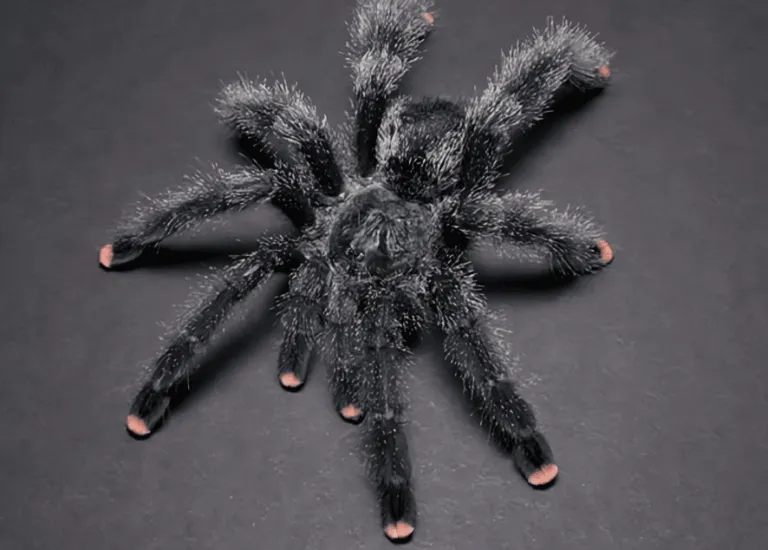
The pink toe tarantula’s most distinctive feature is undoubtedly its pink or reddish-pink feet, which provide a stark contrast to its otherwise dark body. These vibrant pads are not only visually appealing but also serve a practical purpose, aiding in gripping branches and surfaces in their arboreal habitat. Furthermore, their bodies are often a metallic grey or black color, with a hairy texture that adds to their unique appearance.
Pink Toe Tarantula vs Rose Hair Color
Unlike the rose hair tarantula, which is primarily brown and tan in color, the pink toe tarantula offers a more colorful display. The pink toes are the most prominent feature, but their bodies often display iridescent hues in certain lighting, adding depth and visual interest. This makes them a standout choice for those who appreciate a tarantula with a more vibrant and exotic appearance. Their coloring also helps them blend in with their arboreal environment.
Rose Hair Tarantula Appearance
The rose hair tarantula, on the other hand, presents a more understated yet equally attractive appearance. These terrestrial tarantulas are known for their robust build and a color palette that ranges from light brown to a deep reddish-brown. They offer a more classic tarantula look, which is often favored by those who appreciate a more grounded and less flashy aesthetic. Their appearance is indicative of their terrestrial lifestyle.
Distinctive Features

The rose hair tarantula’s most defining feature is its coloration, which often resembles the color of rose petals, hence the name. Their bodies are covered in hairs that give them a soft, plush appearance. Their legs are sturdy and well-suited for walking on the ground, and they have a generally stockier build compared to the more slender pink toe. Their coloration helps them blend in with their natural habitat in the arid regions of South America.
Pink Toe Tarantula vs Rose Hair Size Comparison
In terms of size, both tarantulas reach a moderate size. The rose hair tarantula tends to grow slightly larger than the pink toe, with females often reaching a leg span of up to 5-6 inches, while the pink toe usually reaches around 4-5 inches. However, size can vary based on individual genetics and care conditions. Both are relatively manageable sizes for keeping as pets, making them suitable for a range of enclosures.
Temperament Comparison
Temperament is a crucial factor to consider when selecting a tarantula. Both the pink toe and the rose hair tarantula are known for being relatively docile, but there are subtle differences in their behavior that may influence your choice. Understanding the temperaments can help you manage the tarantulas safely and handle them if you choose to.
Pink Toe Tarantula Temperament

Pink toe tarantulas are generally considered to be skittish. They are fast and agile, often preferring to retreat into their hide or web when disturbed. They are not typically aggressive but may flick urticating hairs as a defense mechanism. It is important to handle them with caution and respect their need for security. They are best observed rather than handled frequently.
Rose Hair Tarantula Temperament
Rose hair tarantulas are known for their docile nature. They are often more tolerant of handling, though it is still recommended to handle them minimally. They are less likely to run or flick hairs compared to other species. They are known to be generally more calm and predictable, making them an excellent option for those new to tarantula keeping. However, individual temperament can vary.
Pink Toe Tarantula vs Rose Hair Handling
If you are interested in handling your tarantula, the rose hair is generally a better choice due to its more relaxed temperament. However, it is important to remember that tarantulas are not designed for handling and should be handled as a last resort. Always approach handling with caution and respect the tarantula’s space. The pink toe’s skittish nature means handling is not recommended and is better enjoyed from a distance. Always wash your hands before and after handling to prevent the spread of any possible irritants.
Care Requirements

Both pink toe and rose hair tarantulas are relatively easy to care for, but they have different habitat and environmental needs. Proper care is essential for the health and well-being of any tarantula. Replicating their natural environments is key to their health, feeding schedule, and overall lifespan.
Pink Toe Tarantula Habitat
Since they are arboreal, pink toe tarantulas require a vertically oriented enclosure. A tall enclosure with plenty of climbing space, such as cork bark or branches, is ideal. They need a substrate that retains some humidity, such as coconut fiber. Maintaining a humidity level of 70-80% is crucial, achieved by misting the enclosure regularly. Good ventilation is also important to prevent mold growth. Keeping these needs met is essential for their happiness.
Rose Hair Tarantula Habitat
Rose hair tarantulas require a terrestrial setup. A wider enclosure with a shallow substrate of coconut fiber or peat moss is suitable. They prefer a drier environment with humidity levels around 60-70%. A water dish should always be available. Rose hair tarantulas do not require a lot of space to thrive and prefer a more simple setup with a hide or burrow. Maintain the substrate for a clean and healthy environment.
Pink Toe Tarantula Feeding

Feeding pink toe tarantulas is straightforward. They primarily eat insects such as crickets, roaches, and mealworms. Feed them 2-3 times a week when young and reduce frequency as they mature. Always remove uneaten prey to prevent stress on the tarantula. Water should be available at all times, either through a shallow water dish or by misting the enclosure.
Rose Hair Tarantula Feeding
Rose hair tarantulas have similar feeding requirements. Feed them 1-2 times a week. They enjoy the same insects as pink toes. Ensure fresh water is always available. Adjust feeding frequency based on the tarantula’s size and appetite. Regular feeding is essential for their health and promotes molting.
Pink Toe Tarantula vs Rose Hair Lifespan
Lifespan is an important consideration for any pet. Both pink toe and rose hair tarantulas have relatively long lifespans, but there are differences. Their longevity depends on their sex, with females living considerably longer than males.
Pink Toe Tarantula Lifespan

Female pink toe tarantulas can live for 10-12 years, while males typically live for 3-5 years. Provide proper care and conditions to maximize their lifespan. Provide a stable and stress-free environment to extend your tarantula’s life and happiness.
Rose Hair Tarantula Lifespan
Female rose hair tarantulas can live for an impressive 20-25 years, while males live for around 5-7 years. Their long lifespan makes them a long-term commitment. Proper care and a good environment are critical for achieving their maximum lifespan. Be prepared for a long-term relationship with your pet.
Pink Toe Tarantula vs Rose Hair Which is Better?
The “better” tarantula depends on individual preferences and experience. If you like the look of a more colorful tarantula and want a more active and visually interesting pet, the pink toe may be a good choice, but remember they are best observed. If you are looking for a docile, easy-to-care-for tarantula that is more tolerant of handling, the rose hair tarantula is an excellent option. Consider your lifestyle, experience level, and the level of interaction you desire before making your final decision. Ultimately, both species offer a rewarding experience for the dedicated tarantula keeper. Do your research, and enjoy your new pet!