Understanding Pet Tarantula Feeding
Feeding your pet tarantula is a fundamental aspect of responsible tarantula ownership. It’s not just about tossing in a cricket; it’s about understanding the needs of these fascinating creatures and providing them with a diet that supports their health, growth, and overall well-being. This guide will walk you through everything you need to know, from the types of food tarantulas eat to how often you should feed them and how to troubleshoot any feeding problems that may arise. This knowledge will ensure your tarantula thrives in its habitat.
Why Proper Feeding is Crucial
Proper feeding is absolutely critical for your tarantula’s survival and quality of life. A well-fed tarantula is more likely to be active, exhibit natural behaviors, and live a long, healthy life. Conversely, a malnourished tarantula can experience stunted growth, weakened immune systems, and a shorter lifespan. Understanding the nutritional requirements of your tarantula species and providing a balanced diet is key to your pet’s health. Consistent feeding, suitable food choices, and appropriate portion sizes contribute directly to your tarantula’s vitality.
Impact on Tarantula Health and Growth

The food you provide directly influences your tarantula’s growth and overall health. A diet deficient in essential nutrients can lead to slow growth, poor molting, and an increased susceptibility to diseases. The type of food will influence the frequency of molting as well. Conversely, a balanced diet supports healthy molts, robust growth, and a strong immune system. Providing the right food at the right time helps your tarantula thrive and reach its full potential, demonstrating the importance of nutrition in the life cycle of these arthropods. Pay attention to the body condition of your tarantula to make adjustments in diet accordingly.
Common Feeding Mistakes to Avoid
Several feeding mistakes can negatively impact your tarantula’s health. Overfeeding can lead to obesity and make it difficult for the tarantula to molt, while underfeeding can cause malnourishment. Feeding your tarantula prey that are too large can stress the tarantula and pose a danger. Failing to remove uneaten food can lead to the growth of mites and other pests in the enclosure, risking the health of the tarantula. Also, feeding your tarantula food that has been exposed to pesticides is extremely dangerous, and can be fatal. Always be mindful of the food’s origin and any potential health risks.
What Do Tarantulas Eat
In their natural habitats, tarantulas are opportunistic predators, feeding primarily on insects. As pets, they require a diet that mimics their natural food sources. The most appropriate food choices for your tarantula are readily available, affordable, and easy to manage. Understanding the dietary needs of your tarantula is the first step in providing for its needs. This means knowing what they eat and how to provide them with a steady food source. Ensure you offer a diverse and balanced diet.
Live Insects as Primary Food

Live insects are the cornerstone of a tarantula’s diet. They provide the essential protein and nutrients that your tarantula needs to thrive. The movement of live prey stimulates the tarantula’s hunting instincts and provides mental enrichment. Crickets, mealworms, and roaches are popular choices for tarantula food because they are readily available and relatively easy to care for. Buying live insects from a reputable pet store ensures they are healthy and free from parasites, which could be harmful to your tarantula.
Types of Insects
A variety of insects can be used as tarantula food. Crickets are a common and readily available choice, offering a good source of protein. Mealworms are also popular, although they have a lower nutritional value and can sometimes be difficult for smaller tarantulas to catch. Roaches, such as dubia roaches, are another excellent option, as they are high in protein and easier to manage than crickets. Other insects, such as grasshoppers and locusts, can be offered as a treat but should not form the basis of the diet. It’s important to research the nutritional profiles of different insects.
Size Matters Choosing the Right Insect
The size of the insects you feed your tarantula is crucial. A general rule is to offer insects that are no larger than the tarantula’s body length (excluding the legs). Insects that are too large can stress the tarantula and may even injure it. Smaller tarantulas, such as spiderlings, require smaller prey, like fruit flies or pinhead crickets. As your tarantula grows, you can gradually increase the size of the insects you offer. It is better to give a tarantula several smaller meals than a single, large one.
Other Feeding Options

While live insects are the primary food source, other options can supplement a tarantula’s diet. These options provide variety and can be useful in certain situations. However, it is important to maintain a core diet of live insects for optimal health.
Supplementing with Pre-killed Insects
Pre-killed insects can be offered as a supplement, especially if your tarantula is a picky eater or if live insects are difficult to obtain. They’re also a good option for feeding newly molted tarantulas, which are more vulnerable. Ensure the insects are freshly killed and not exposed to any harmful chemicals. However, pre-killed insects may not stimulate the tarantula’s hunting instinct as effectively as live prey. It is better to use pre-killed insects occasionally, and not as the primary food source.
Nutritional Supplements
While a balanced diet of live insects is generally sufficient, nutritional supplements can sometimes be beneficial. Calcium and vitamin supplements can be added to the insects by gut-loading them before feeding them to your tarantula. Gut-loading involves feeding the insects a nutritious diet before offering them to the tarantula, which passes the nutrients on. However, supplements should be used judiciously and are not a substitute for a varied diet. Consult with a veterinarian or experienced tarantula keeper to determine if supplements are needed for your specific tarantula species.
How Often to Feed Your Tarantula

The frequency of feeding your tarantula depends on several factors, including its age, species, and metabolism. Overfeeding can lead to problems, so it’s important to feed your tarantula based on its specific needs. Younger tarantulas and those that are actively growing require more frequent feeding than adults. Observing your tarantula and adjusting the feeding schedule accordingly is important. The goal is to provide sufficient nutrition without overfeeding, and this will vary between specimens.
Feeding Frequency Based on Age
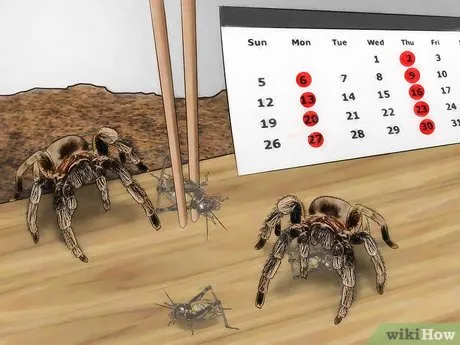
Spiderlings and juvenile tarantulas generally need to be fed more frequently than adults. Spiderlings may need to be fed every other day, or even daily, depending on their size and growth rate. Juvenile tarantulas can be fed two to three times per week. Adult tarantulas, however, can often be fed once a week or even less frequently. Adult tarantulas are more tolerant of periods of starvation. As a general rule, feed your tarantula as much as it will eat within 24 hours, then remove any leftover food.
Feeding Frequency Based on Species
Different tarantula species have different metabolic rates and feeding habits. Some species, such as fast-growing terrestrial species, may require more frequent feedings than others. Research the specific needs of your tarantula species to determine the appropriate feeding frequency. Arboreal species might have different requirements than terrestrial species. Consider their natural habitat and feeding patterns when determining the best feeding schedule. Some species may also go through periods of fasting, especially before a molt.
Observing Your Tarantula’s Appetite

The best way to determine the appropriate feeding frequency is to observe your tarantula’s appetite. If it readily eats the food you offer, you can maintain the current feeding schedule. If it consistently refuses food, it may be an indication that you are feeding too frequently. You may also notice that it is about to molt. Reduce the feeding frequency if your tarantula is not eating regularly. Over time, you will learn to recognize your tarantula’s feeding cues and be able to adjust the schedule accordingly. This also will take into account the health of the tarantula.
Setting Up the Feeding Environment
Creating the right feeding environment is crucial for a successful feeding experience. The enclosure should be properly maintained with clean, fresh water. This involves taking measures to make sure the enclosure is ready for feeding, and doing so safely. This also involves setting up the environment in a way that makes it easier for your tarantula to hunt and feed. The tarantula should be in a relaxed state, so it will be less likely to become stressed, and more likely to feed. All of this helps the tarantula get the nutrition it needs.
Preparing the Enclosure for Feeding
Before feeding your tarantula, ensure the enclosure is clean and free of any hazards. Remove any uneaten food from previous feedings. Make sure there is a fresh water source available. If you are using a water dish, ensure it is shallow enough to prevent your tarantula from drowning. Provide adequate ventilation to prevent the buildup of humidity and mold. The enclosure should also be at the correct temperature and humidity for the species. Always handle your tarantula gently when providing food.
Removing Uneaten Prey

Uneaten prey should be removed from the enclosure within 24 hours to prevent the insects from stressing your tarantula or, in some cases, harming it. Insects that are left uneaten can also introduce mites or other parasites into the enclosure, posing a health risk. It’s important to monitor the enclosure after each feeding and remove any uneaten insects. Use a pair of tongs or tweezers to safely remove the insects. Regular maintenance of the enclosure ensures a healthy environment for your tarantula.
Troubleshooting Feeding Problems
Sometimes, tarantulas may refuse to eat, which can be a cause for concern. There are several reasons why this might happen, ranging from natural behavior to environmental issues. It’s important to know what to do and how to respond when these issues occur. Understanding the potential causes and how to address them can help you ensure your tarantula’s health and well-being. If you notice your tarantula isn’t eating, don’t panic; instead, assess the situation and take the appropriate steps.
Tarantula Refusal to Eat
Tarantulas can sometimes refuse to eat, and this can be due to several factors. One common reason is that the tarantula is preparing to molt. In this case, refusal to eat is normal and should not be a cause for concern. Other reasons for refusing to eat include stress, environmental changes, or illness. If your tarantula consistently refuses food, it’s important to assess its overall health and environment. Observe its behavior and look for any signs of illness or stress. It’s also important to consider the time of year or the tarantula’s stage in its life cycle, such as a pre-molt period.
Possible Causes and Solutions

If your tarantula is not eating, there are several things you can check. First, check the temperature and humidity of the enclosure, as these factors can affect appetite. Ensure that the enclosure is clean and free of any stressors, such as loud noises or excessive handling. Offer a variety of insects to see if your tarantula is simply picky. If your tarantula is preparing to molt, leave it alone and do not offer any food. If the refusal continues, consult with an experienced tarantula keeper or a veterinarian specializing in exotic pets. They can provide guidance and help to determine the underlying cause and solutions for the feeding issue.
Molting and Feeding
Molting is a natural process in which tarantulas shed their exoskeleton to grow. During this period, they usually stop eating. You’ll know your tarantula is preparing to molt when it becomes less active, and may refuse food. Do not offer any food during this period. Molting tarantulas are vulnerable and can be easily injured. After molting, the tarantula’s new exoskeleton is soft, and they may not be able to eat immediately. Wait a few days for the exoskeleton to harden before offering food. If your tarantula refuses to eat after molting, it may still be stressed or there may be another underlying problem. Make sure to assess it.
Water and Hydration
Water is just as essential to a tarantula’s well-being as food is. Hydration is vital for their health and molting process. Access to fresh, clean water should always be available. Dehydration can cause serious health problems. The correct hydration level is directly connected to your tarantula’s ability to feed and grow.
Importance of Fresh Water
Fresh water is essential for your tarantula’s hydration. Tarantulas absorb water through their mouthparts and the surface of their bodies. Without water, they can become dehydrated, which can lead to serious health issues. Always provide a clean water source, and replace the water regularly to prevent the growth of bacteria and mold. The water should be clean and readily accessible for your tarantula at all times. Be aware of the hydration levels in your tarantula’s environment to adjust the water source as needed.
Providing Water Dish or Sprays
There are several ways to provide water for your tarantula. A shallow water dish is a simple and effective option. Ensure the dish is shallow enough that the tarantula can easily access the water without risk of drowning. Another option is to mist the enclosure with a spray bottle, providing water droplets that the tarantula can drink. The frequency of misting depends on the species and the humidity requirements. Ensure the enclosure is not overly damp. Both methods offer essential hydration for the tarantula.
In conclusion, providing the right feed for your pet tarantula is essential to their health. Following the guidelines outlined in this guide will help make sure your tarantula thrives. By understanding their dietary needs, providing the right environment, and addressing any feeding issues, you can enjoy a rewarding experience of tarantula keeping.