Pentaloris Tarantula Habitat Setup
Setting up the right habitat is crucial for the health and well-being of your Pentaloris tarantula. A properly designed enclosure provides the necessary environment for your tarantula to thrive, allowing it to feel secure and exhibit its natural behaviors. This guide will walk you through the essential components of a suitable habitat, from enclosure size to temperature and humidity control, ensuring your Pentaloris tarantula lives a long and healthy life. Proper habitat setup minimizes stress, which is vital for a tarantula’s overall health. Creating a comfortable environment from the start is an investment in your pet’s well-being, leading to a more enjoyable and rewarding experience for both you and your Pentaloris tarantula.
Enclosure Size
The size of the enclosure is paramount. A general guideline is to provide an enclosure that is at least three times the tarantula’s leg span in length and width. For a juvenile Pentaloris tarantula, a smaller enclosure, such as a 5-gallon tank, is suitable. As the tarantula grows, you will need to upgrade to a larger enclosure, such as a 10 or 20-gallon tank. The enclosure should always have a secure lid to prevent escapes. A too-large enclosure can stress a juvenile tarantula, so start appropriately. Remember that while tarantulas do not need a lot of space, they do appreciate enough room to move around and feel comfortable. Consider the eventual adult size of your Pentaloris when choosing the enclosure.
Substrate Selection
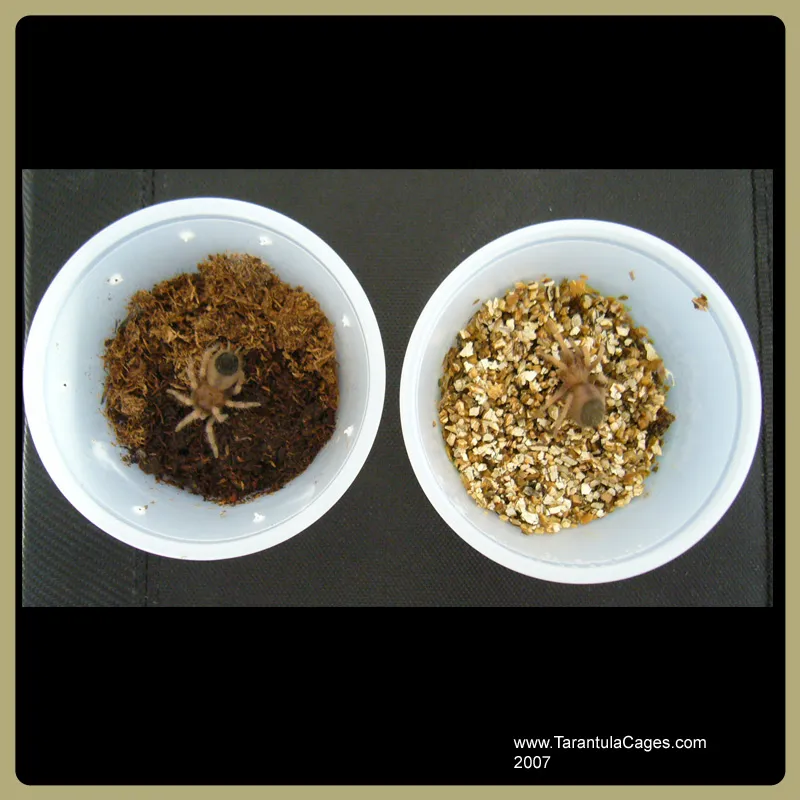
The substrate, the material that lines the bottom of the enclosure, plays a vital role in maintaining humidity and providing a natural environment for your Pentaloris tarantula. Suitable substrate options include a mixture of coco fiber, peat moss, and vermiculite. This blend retains moisture well, allowing you to maintain the proper humidity levels. Avoid substrates like cedar or pine shavings, as they can be toxic to tarantulas. The substrate should be deep enough for the tarantula to burrow if it chooses. A depth of 4-6 inches is typically sufficient. Ensure the substrate is kept slightly moist but not soggy. The proper substrate will encourage natural behaviors, like burrowing, and provide a secure environment.
Decorating the Habitat
Adding decor to the enclosure not only makes it aesthetically pleasing but also enriches the tarantula’s environment. Provide a hide, such as a piece of cork bark or a half log, where your tarantula can retreat and feel secure. Artificial plants can also be added for decoration and to provide additional cover. Make sure any decorations are securely placed to prevent them from falling and potentially injuring the tarantula during a burrowing activity or in a molt. A shallow water dish is also a must, though it should not be so deep that the tarantula could drown. Decor can also help to maintain humidity, with live plants also assisting with a more natural environment for your Pentaloris tarantula. Keep it simple and safe.
Temperature and Humidity
Maintaining the correct temperature and humidity levels is critical for your Pentaloris tarantula’s health. The ideal temperature range is between 75-85°F (24-29°C). You can use a heat lamp or a heat pad placed on the side of the enclosure to achieve this. Avoid placing the heat source directly under the enclosure, as this can cause the substrate to dry out quickly. The humidity level should be around 60-70%. You can monitor humidity using a hygrometer. To maintain humidity, mist the enclosure with water a few times a week, depending on the substrate and ventilation. Proper temperature and humidity promote healthy molting and overall well-being. Ensure consistent environmental control for optimal care.
Feeding Your Pentaloris Tarantula

Providing the correct diet is essential for the growth and health of your Pentaloris tarantula. Tarantulas are opportunistic predators, and their diet should consist primarily of insects. The frequency and type of food will vary depending on the tarantula’s age and size. A balanced diet ensures that your tarantula receives all the necessary nutrients. Overfeeding can be as detrimental as underfeeding, so pay close attention to your tarantula’s appetite and adjust accordingly. The food should be appropriately sized for the tarantula and should not pose a risk of injury. Regularly checking and cleaning up any uneaten food will help maintain a healthy environment for your pet.
What to Feed
The primary food source for Pentaloris tarantulas should be insects. Suitable options include crickets, mealworms, dubia roaches, and appropriately sized earthworms. Varying the diet can provide a better balance of nutrients. Avoid feeding insects that have been exposed to pesticides. Pre-killed insects are a safer option, particularly for smaller tarantulas, as they prevent any risk of the insect biting or injuring the tarantula. Always ensure the insects are gut-loaded, meaning they have been fed a nutritious diet before being offered to your tarantula. This provides the tarantula with more nutritional value. A varied and balanced diet is key to keeping your Pentaloris tarantula healthy.
Feeding Frequency
The feeding frequency depends on the tarantula’s age and size. Spiderlings (young tarantulas) should be fed 2-3 times per week. Sub-adults can be fed once or twice a week. Adults generally only need to be fed once every 1-2 weeks. Observe your tarantula’s abdomen; if it appears plump and round, it may not need to be fed as frequently. Adjust the feeding schedule based on the tarantula’s appetite and the size of its abdomen. Avoid overfeeding, as this can lead to health problems. Also, do not feed your tarantula if it is in premolt (preparing to shed its exoskeleton). Removing uneaten food within 24 hours helps prevent mold and mites from developing in the enclosure. Remember to adjust the amount of food based on the size of the prey and the tarantula’s needs.
Watering and Hydration

Water is essential for the health and well-being of your Pentaloris tarantula. Provide a shallow water dish with fresh, clean water at all times. The water dish should be shallow enough to prevent the tarantula from drowning. Refill the water dish regularly, at least every other day, to ensure a constant supply of clean water. You can also mist the enclosure lightly with water, especially if humidity levels are low, but do not over-mist. Over-misting can make the substrate too wet. Hydration is critical for proper molting and overall health. Clean the water dish regularly to prevent bacteria buildup. Providing fresh, clean water is a fundamental aspect of tarantula care.
Molting and Growth
Molting is a natural process where tarantulas shed their exoskeleton to grow. Understanding the molting process and providing the right care during this time is vital. Molting is a sign that your tarantula is growing, and it’s a critical time for it. It’s essential to avoid disturbing your tarantula during a molt. Provide a stress-free environment to ensure successful molting. Regular observation of the tarantula can help you recognize the signs of an upcoming molt, allowing you to provide the necessary care and support.
Recognizing Pre-Molting Signs
Several signs indicate that your Pentaloris tarantula is about to molt. The tarantula may stop eating and become less active. Its abdomen may appear darker than usual or slightly swollen. You may notice that the tarantula has created a web mat in its enclosure, where it will molt. Sometimes, the tarantula might appear duller in color. Be patient during this period; do not disturb the tarantula, and refrain from feeding it. These signs indicate that the tarantula is preparing to shed its old exoskeleton. Recognizing these signs allows you to adjust your care accordingly, providing a safe and stress-free environment.
Caring for a Molting Tarantula

During a molt, it is essential to leave the tarantula undisturbed. Do not handle the tarantula or try to assist it in any way. Ensure the enclosure has the proper humidity levels, which aids in the molting process. After the molt, the tarantula’s fangs and exoskeleton will be soft. Wait several days, sometimes a week or two, before offering food, allowing the new exoskeleton to harden fully. Provide fresh water, and maintain the correct temperature and humidity levels. Provide plenty of cover and avoid sudden movements or loud noises that could cause the tarantula stress. If the molt seems to be taking an abnormally long time, consult an experienced tarantula keeper or veterinarian. Proper care during molting is crucial for your tarantula’s health and development.
Handling and Safety
Handling a Pentaloris tarantula should be approached with caution. While they are generally not aggressive, they can bite if provoked, and their urticating hairs can cause skin irritation. Understanding tarantula behavior and practicing safe handling techniques is paramount. Minimizing handling is best, as it can be stressful for the tarantula. If handling is necessary, it should be done carefully and with the tarantula’s well-being as the top priority. Always be aware of the tarantula’s movements and body language.
Safe Handling Practices
If you must handle your Pentaloris tarantula, do so with great care. Handle the tarantula near a soft surface, such as a bed or a carpet, to minimize the risk of injury if it falls. Gently encourage the tarantula to walk onto your hand, rather than trying to pick it up. Avoid sudden movements that could startle the tarantula. Always wash your hands thoroughly before and after handling your tarantula to prevent the spread of any potential pathogens or contaminants. Be mindful of the urticating hairs; avoid touching the tarantula’s abdomen. Avoid handling the tarantula immediately after feeding or when it’s in premolt. Handling should be kept to a minimum to reduce stress and the risk of accidents.
Understanding Tarantula Behavior

Understanding tarantula behavior can help you interact with your Pentaloris tarantula safely and provide a better environment for it. Tarantulas are generally solitary creatures and do not enjoy being handled. They may flick urticating hairs as a defense mechanism. If your tarantula is agitated, it may raise its front legs, which is a defensive posture. Learning to recognize these behaviors can help you avoid being bitten or triggering a defensive response. Provide a stable, consistent environment to minimize stress. Keep the enclosure away from loud noises and excessive vibrations. Observe your tarantula’s behavior over time to understand its personality and needs. A calm tarantula is a healthy tarantula.
Common Pentaloris Tarantula Health Issues
While Pentaloris tarantulas are relatively hardy, they can be susceptible to certain health issues. Being aware of potential problems and how to prevent and treat them is essential for maintaining your tarantula’s health. Proper care and a clean environment are the best ways to prevent most health issues. Regular observation and attention to the tarantula’s overall condition will help you identify any problems early, increasing the chances of successful treatment. Always consult a veterinarian or experienced tarantula keeper if you notice anything unusual about your pet.
Parasites and Diseases
Tarantulas can be affected by parasites like mites, which can infest the tarantula’s body and enclosure. Mites can often be identified as small, moving spots on the tarantula or in the substrate. Another potential problem is fungal infections, which can occur if humidity levels are too high or the enclosure is not clean. Keep a clean enclosure, inspect your tarantula regularly for mites, and maintain appropriate humidity levels. You might need to isolate the tarantula and treat it with a mite control product. Contacting a specialist for advice will help to resolve these health issues. Prevention is the best medicine, so maintaining a clean and healthy environment will significantly reduce the risk of these problems.
Preventative Care
Preventative care is essential for keeping your Pentaloris tarantula healthy. Regularly clean the enclosure, removing any uneaten food and waste. Maintain the correct temperature and humidity levels. Ensure the tarantula receives a varied and balanced diet. Quarantine any new tarantulas or insects before introducing them to the existing enclosure. Monitor your tarantula for any signs of illness or distress, such as lethargy, loss of appetite, or unusual behavior. Contact a veterinarian or experienced tarantula keeper if you have any concerns. By following these preventative measures, you can significantly reduce the likelihood of health problems and ensure your Pentaloris tarantula lives a long and healthy life.
Conclusion
Caring for a Pentaloris tarantula can be a rewarding experience. By following the guidelines in this care sheet, you can provide a safe, healthy, and enriching environment for your tarantula. Remember to research and learn as much as possible about tarantula care and be prepared to adapt your approach based on the specific needs of your pet. Regularly observe your tarantula’s behavior and health to identify any potential problems early on. Enjoy the unique experience of owning and caring for these fascinating creatures.