What is a New Tarantula Species?
In the realm of arachnids, the discovery of a new tarantula species is always a significant event. Tarantulas, known for their imposing size and often vibrant coloration, are a diverse group of spiders belonging to the family Theraphosidae. A “new” species implies that this particular type of tarantula hadn’t been officially recognized or scientifically documented before. This could be because it was previously mistaken for another species, it inhabited a remote region that was never explored, or it possesses unique characteristics that distinguish it from all other known tarantulas. The identification of a new species is typically based on a combination of morphological features (physical characteristics), genetic analysis, and behavioral observations. Each new discovery enriches our understanding of biodiversity and the complex tapestry of life on Earth, showcasing the intricate relationships within ecosystems. These new tarantulas also offer researchers fresh opportunities to explore evolutionary relationships, behavior, and even the potential applications of their venom and other biological properties.
Where was it Discovered?
The location of a new tarantula species’ discovery is often as fascinating as the creature itself. Many new tarantula species are found in areas with high biodiversity, such as tropical rainforests, arid deserts, or mountainous regions. These areas are frequently underexplored, harboring countless undiscovered species. Expeditions might involve researchers venturing into remote jungles, navigating difficult terrains, and employing various methods to locate these elusive creatures. It is often the case that the location of the discovery provides invaluable information about the tarantula’s habitat, diet, and potential threats. The specific location can also provide clues about the species’ evolutionary history. These discoveries are crucial for highlighting the importance of habitat preservation and the pressing need to protect these unique environments. The details of the discovery location provide critical data for conservation efforts and ecological research.
Habitat and Distribution of the New Species

Understanding the habitat and distribution of a newly discovered tarantula species is critical for conservation efforts. The habitat refers to the specific environment where the tarantula lives, including factors like temperature, humidity, vegetation, and the presence of other organisms. Distribution, on the other hand, refers to the geographic area where the species can be found. New tarantula species may have very restricted distributions, only existing in a single valley or a small portion of a forest, making them particularly vulnerable to environmental changes. The habitat can vary significantly, from burrowing in the earth to living in trees. The characteristics of the habitat dictate essential aspects of the tarantula’s life, from how it hunts for food, to building its shelter. Studying its distribution pattern can help scientists understand how the tarantula evolved and adapted to its environment. Detailed habitat and distribution information are essential tools for assessing the species’ conservation status, and for creating effective strategies to protect its survival.
Physical Characteristics
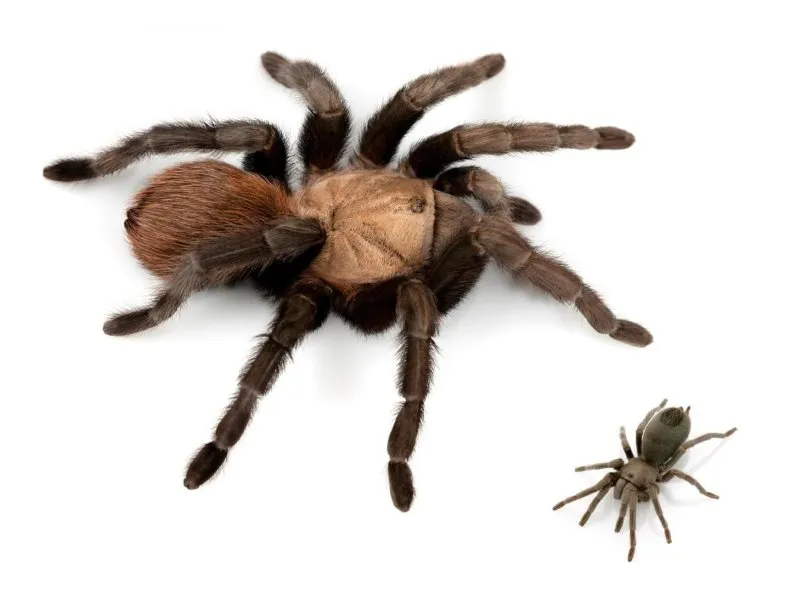
The physical characteristics are what set a new tarantula species apart. These include the size, shape, coloration, and specific features of the spider. Scientists meticulously examine aspects like the leg span, body length, and the presence of any unique hairs or patterns. The coloration of a tarantula can range from vibrant blues, oranges, and reds to more subdued browns and blacks, offering insights into their camouflage and defensive strategies. Specialized features, such as the presence of urticating hairs (used for defense) or unique structures on the pedipalps (used for mating), are also examined. These physical attributes are not just visually striking; they are crucial for scientific identification and classification. Every characteristic provides valuable data that scientists use to differentiate a new species from others. Each unique attribute is carefully documented, often through detailed photographs and measurements, to develop a comprehensive understanding of the new tarantula. These details are important in assessing the species’ phylogenetic relationships and role within its environment.
Size and Appearance
Size and overall appearance are among the first things noticed when studying a new tarantula species. The size of the tarantula can vary significantly depending on the species, ranging from smaller ones with a leg span of just a few inches, to giants that can reach over ten inches. Along with size, researchers carefully examine the shape of the body and the proportions of the legs and other appendages. The appearance involves not just the physical structure, but also details like the texture of the exoskeleton, presence of hairs, and any unique markings. The shape of the chelicerae (mouthparts) and the structure of the spinnerets (used to produce silk) are also important for the species’ identification. These features can provide insights into the tarantula’s feeding habits and how it interacts with its environment. Detailed observations on these physical characteristics will set the species apart and help scientists distinguish it from existing species.
Coloration and Markings

Coloration and markings provide essential identifying features for tarantulas. The color of a tarantula’s body, legs, and carapace (the top part of the cephalothorax) can vary greatly, ranging from solid hues to intricate patterns. The patterns can include stripes, spots, or unique designs. The coloration often serves several purposes, including camouflage, a warning signal, or a role in attracting mates. The colors can change with the tarantula’s age, sex, or even environmental conditions. Markings such as the arrangement of hairs or the presence of specific patterns on the abdomen are also significant. The color patterns on these spiders are meticulously documented by scientists, who take photographs and make detailed descriptions to help in the identification of new species. Unique color variations can assist in understanding the species’ relationship to the surrounding environment and provide additional clues about its behavior and survival strategies. Studying the color and markings provides valuable insights into the tarantula’s adaptation and evolution.
Behavior and Habits of the New Tarantula
The behavior and habits of a new tarantula species are a fascinating aspect to study. These observations can offer clues about its life cycle, how it hunts, how it interacts with other organisms, and how it reproduces. The behavior can be quite varied, ranging from being primarily nocturnal or diurnal, to displaying aggressive or docile tendencies. Researchers watch the tarantula’s hunting methods, which might involve ambush predation or active pursuit. How it builds its burrow or web (if applicable) is another important behavioral trait. Mating rituals, including the displays of courtship and any unique behaviors related to reproduction, are also carefully examined. These observations can reveal information about the species’ social behavior. This includes understanding its interactions with others of its kind, and whether it displays any collaborative behavior. By studying the behavior, we gain valuable insights into how the tarantula survives and thrives in its environment.
Diet and Feeding
Understanding the diet and feeding habits of a new tarantula is essential to comprehend its ecological role. Tarantulas are carnivorous, and their diet typically consists of insects, other arthropods, and sometimes even small vertebrates like lizards or mice. The specific prey items can differ significantly between species and are often influenced by the tarantula’s size, habitat, and the availability of food. The feeding strategy also varies; some tarantulas are ambush predators, waiting patiently for prey to come within striking distance, while others actively hunt. Scientists observe the tarantula’s hunting methods and analyze any remains of prey found in or around its burrow to determine what it eats. Feeding habits are important in order to understand the food chain of the habitat. This analysis can reveal the tarantula’s role in the ecosystem. The diet analysis will also show how it affects the health of the species.
Defensive Mechanisms

Tarantulas possess various defensive mechanisms to protect themselves from predators. One common defense is the use of urticating hairs, which are small, barbed hairs located on the abdomen. When threatened, the tarantula can flick these hairs towards its attacker, causing irritation and discomfort. Some species also have the ability to bite, injecting venom as a defense. Observing these defensive strategies is crucial for understanding how the tarantula survives in its environment. The spider’s speed, size, and ability to camouflage are all important defense mechanisms. Examining these behaviors helps scientists understand the evolutionary adaptations that help the spider survive. The study of defensive mechanisms reveals how these spiders have adapted to threats from their environment, including understanding their relationship with predators.
Conservation Status and Threats
Assessing the conservation status of a new tarantula species is a critical step. The process involves evaluating its population size, distribution, and any threats it faces. The threats can be diverse, including habitat loss due to deforestation, human activities, or climate change. The pet trade can also pose a significant threat, as tarantulas are often collected for sale. Identifying these threats helps in determining the species’ vulnerability and if conservation efforts are needed. The International Union for Conservation of Nature (IUCN) is a primary authority that categorizes species based on their risk of extinction. By evaluating these details, conservationists can create effective strategies for managing and protecting the tarantula. The goal is to preserve the species and its environment.
Why is this New Species Important?
The discovery of a new tarantula species holds significant importance for various reasons. It expands our knowledge of biodiversity and the intricate ecosystems on Earth. Each new discovery highlights how much there is still to learn about the planet’s life. These new species give scientists new tools to study evolutionary relationships, providing fresh insights into how different species are related. The discovery can also inspire public interest in nature and conservation. These spiders can serve as bioindicators, showing how healthy an ecosystem is. The new species could also be used for different research, helping discover new chemicals for medications. Finally, these discoveries emphasize the need for habitat protection and conservation, ensuring the survival of these incredible creatures. The discovery of new tarantula species reminds us of the vast and largely unexplored wonders of the natural world.
How Can We Protect New Tarantula Species?

Protecting new tarantula species requires a multifaceted approach involving conservation efforts, habitat preservation, and public education. The most immediate step is to protect the habitat where the species lives, creating and enforcing protected areas. Combating habitat loss by promoting sustainable forestry and reducing the impact of agriculture is very important. Regulating the pet trade and discouraging the collection of wild tarantulas can also help. Funding research to understand the tarantula’s needs is vital. Public education plays a very important role in conservation. Educating people about the importance of biodiversity and the threats facing tarantulas is essential for garnering support. By working together, we can ensure that these incredible creatures survive and thrive. Each effort, from habitat protection to public awareness, contributes to a brighter future for these fascinating spiders and the ecosystems they inhabit.