What are Missouri Tarantulas?
Missouri, despite not being the first place that comes to mind for exotic wildlife, is home to fascinating creatures, including the Missouri tarantula. These large, hairy spiders are a significant part of the state’s biodiversity, captivating both arachnophobes and enthusiasts alike. Understanding these creatures involves exploring their characteristics, habitat, and behavior, as well as separating fact from fiction regarding their potential danger to humans. The following explores five amazing facts about Missouri tarantulas, providing insights into their lives and dispelling common misconceptions, starting with the basics of what they are and where they live.
Appearance and Characteristics
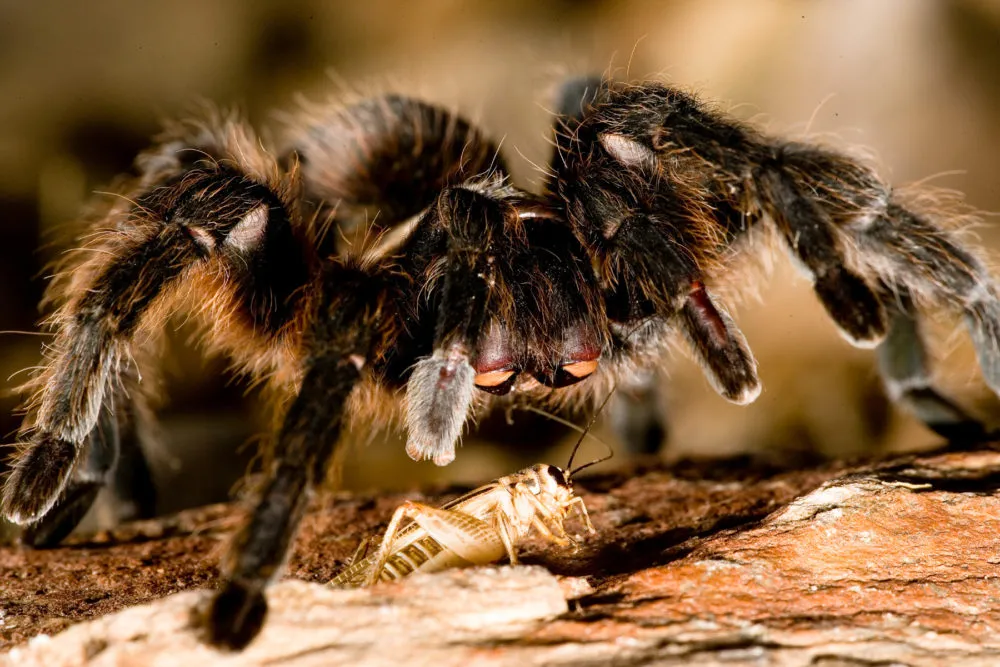
Missouri tarantulas, like all tarantulas, are easily recognizable due to their size and hairy appearance. They typically have a body length ranging from 1.5 to 3 inches, with a leg span that can reach up to 5 inches or more. Their bodies are covered in dense hairs, which serve multiple purposes, including sensory perception and defense. The coloration of Missouri tarantulas varies, often featuring shades of brown, black, and sometimes reddish hues. This coloration provides camouflage, allowing them to blend in with their surroundings. The presence of large fangs is another distinctive characteristic, used for capturing and subduing prey. It is fascinating to observe these creatures in their natural environment to truly appreciate their unique features and adaptations.
Habitat and Geographic Range

These spiders are primarily found in the southwestern regions of Missouri, thriving in habitats that offer suitable shelter and prey. They prefer areas with loose soil where they can create burrows, which serve as their homes and protection from predators and the elements. These burrows are often found in grasslands, open woodlands, and even along the edges of agricultural fields. The geographic range of Missouri tarantulas is somewhat limited within the state, but they are an essential part of the ecosystem in their specific areas. Their presence indicates a healthy environment, and they play a crucial role in controlling insect populations. Understanding their habitat is crucial for appreciating their role in nature and for conservation efforts.
Amazing Fact 1: Venom vs. Poison
One of the most important facts to understand about Missouri tarantulas is the difference between venom and poison. These terms are often used interchangeably, but they have distinct meanings. Poison is something that is harmful when ingested, inhaled, or absorbed through the skin, while venom is injected into a victim through a bite or sting. Tarantulas possess venom, not poison. This is a crucial distinction because it highlights how tarantulas deliver their toxins. They do not have the ability to spray or release a poisonous substance; instead, they inject venom directly into their prey or, defensively, into perceived threats. This mechanism of action is what makes their bite potentially harmful, though rarely fatal to humans.
The Nature of Tarantula Venom
Tarantula venom is a complex mixture of enzymes, proteins, and other compounds designed to immobilize and begin the digestion of prey. The composition of the venom varies slightly between species, but the primary effect is to cause paralysis and tissue damage in the prey. In the case of Missouri tarantulas, their venom is not considered highly potent to humans. The venom is primarily designed to subdue insects, small rodents, and other invertebrates. When a human is bitten, the effects are often localized to the bite area. The venom can cause pain, redness, and swelling, but serious reactions are rare. Understanding the nature of the venom helps to appreciate the tarantula’s hunting strategies and the potential risks associated with a bite.
Effect of Venom on Humans

While Missouri tarantula venom is not highly dangerous to humans, a bite can still be unpleasant. The effects typically include localized pain, which can be sharp and intense, accompanied by redness, swelling, and itching at the bite site. Some individuals may experience muscle cramps or minor systemic symptoms such as nausea or headaches. Allergic reactions are possible, although rare. In the event of a bite, it is advisable to clean the area thoroughly with soap and water, apply a cold compress to reduce swelling, and seek medical attention if symptoms worsen or if any signs of a severe allergic reaction occur. The vast majority of bites result in mild, temporary discomfort, and the focus should be on proper wound care and observation.
Amazing Fact 2: Are Missouri Tarantulas Poisonous?
A common misconception is that tarantulas are poisonous. As previously mentioned, this is inaccurate. Poison is something that causes harm when ingested or touched, while tarantulas deliver venom through a bite. The term ‘poisonous’ is therefore not applicable to these spiders. This clarification is important because it changes the perception of the risk associated with tarantulas. The real concern is their venom, not a substance that could be harmful through mere contact. This distinction helps to foster a more accurate understanding of these creatures and reduces unnecessary fear. It is important to rely on scientific accuracy when assessing the potential danger of any wildlife.
Mythbusting Tarantula Poison
The myth that tarantulas are poisonous persists due to general confusion between venom and poison. Popular culture and a lack of scientific knowledge contribute to this misunderstanding. People often assume that any animal that can cause harm must be poisonous. However, the fact is that tarantulas inject venom, a substance that is delivered through fangs, not through touch or ingestion. The focus should always be on understanding the actual mechanisms of harm, not on perpetuating inaccurate information. By addressing this myth, we can appreciate tarantulas for what they are and dispel unfounded fears. Proper education is a powerful tool to reduce misunderstandings about the natural world.
Common Misconceptions

Besides the poison myth, other misconceptions about tarantulas exist. Many believe that all tarantula bites are deadly, which is far from the truth. The venom is rarely life-threatening to humans. Another misconception is that tarantulas are aggressive and constantly looking to bite. In reality, these spiders are generally docile and prefer to avoid conflict. They will usually only bite if they feel threatened, such as when they are mishandled or cornered. Finally, the assumption that tarantulas are difficult to care for is also common. While they do have specific needs, they are relatively low-maintenance pets for those who are prepared to care for them properly. Addressing these common misconceptions helps to build a more accurate picture of these fascinating arachnids.
Amazing Fact 3: Behavior and Temperament
Missouri tarantulas are generally not aggressive creatures. They tend to be rather shy and reclusive, preferring to remain hidden in their burrows or under cover. Their temperament is largely influenced by their instinct to survive. When faced with a potential threat, their first reaction is usually to flee. They will attempt to escape rather than engage in a confrontation. This makes them less dangerous than many people assume. Understanding their natural behavior provides insight into how they react to different situations and why they are not as aggressive as some other spiders. Recognizing their timid nature reduces the fear associated with encountering them in their natural habitat.
Defensive Mechanisms
When escape is not possible, Missouri tarantulas have other defense mechanisms. One such mechanism is the use of urticating hairs. These are tiny, barbed hairs located on their abdomen that they can flick toward a perceived threat. These hairs cause irritation and itching, which can deter predators. Another defense mechanism is the threat posture, where the spider raises its front legs and fangs, signaling a warning. While they can bite as a last resort, they primarily rely on these less aggressive defensive behaviors. The use of multiple defenses reflects their need to survive while minimizing the risk of injury to themselves. By understanding these defensive measures, one can appreciate their intelligence.
How They React to Threats

The reaction of a Missouri tarantula to a threat depends on the perceived level of danger. If the threat is relatively minor, the spider may simply retreat into its burrow or seek cover. When the threat is more persistent or direct, the tarantula may adopt a defensive posture, raising its front legs and fangs. This serves as a warning and a deterrent. Biting is usually reserved as a last resort, when the spider feels cornered or cannot escape. Human interaction can be seen as a threat, and a tarantula may bite if it is handled roughly or feels trapped. Observing these behavioral responses allows for a better understanding of these creatures and how to interact with them safely.
Amazing Fact 4: Diet and Feeding Habits
Missouri tarantulas are primarily carnivores, with their diet consisting mainly of insects and other invertebrates. They are ambush predators, meaning they wait in their burrows or hidden locations until prey comes close enough to be captured. Their diet can include crickets, grasshoppers, beetles, and even small rodents or other small creatures that wander too close to their burrow. They use their fangs to inject venom, which immobilizes the prey, and then they inject digestive enzymes, breaking down the body. Their feeding habits highlight their role as a natural insect control agent in their ecosystem, playing a crucial role in regulating the populations of various insects. Understanding their dietary habits offers insight into their hunting strategy and role within the food chain.
What do Tarantulas Eat?
The diet of Missouri tarantulas is quite varied, depending on the availability of prey in their habitat. The main components of their diet are insects. Crickets, grasshoppers, and beetles form the base of their food sources. However, as they grow, they can consume larger prey, including small rodents or even small lizards. Their eating habits are tied to their size and the opportunities available in their environment. Young tarantulas may feed on smaller insects, while adults are able to hunt larger prey. This dietary flexibility ensures their survival in the dynamic conditions of their ecosystem. This ability to adapt their diet is important to the ongoing survival of the species.
Hunting Strategies

Missouri tarantulas are ambush predators, exhibiting a patient and strategic approach to hunting. They often position themselves at the entrance of their burrows, waiting for prey to come within striking distance. They have sensory hairs on their legs that detect vibrations in the ground, signaling the presence of potential prey. Once a suitable target is identified, the tarantula quickly emerges from its hiding place, uses its fangs to inject venom, and secures its meal. Their hunting strategy highlights their adaptation to their environment. The effectiveness of this strategy indicates their successful role as predators within their ecosystem. The speed and precision in which they hunt further showcases their unique characteristics.
Amazing Fact 5: Conservation Status
The conservation status of Missouri tarantulas is generally considered to be of ’least concern’. They do not face any significant immediate threats that would place them on the endangered or threatened species lists. However, like many other wildlife species, they are susceptible to environmental changes. Habitat loss due to development and agricultural practices, the use of pesticides, and climate change can all impact their populations. Conservation efforts often focus on protecting their natural habitats and educating the public about these spiders. Understanding these threats provides insight into how human activities impact tarantulas and highlights the importance of conservation strategies.
Threats to Tarantula Populations
Various factors can pose threats to Missouri tarantula populations. Habitat loss is a significant concern, as the destruction of their natural habitats reduces the availability of suitable areas for burrowing and hunting. Pesticides can also harm tarantulas directly, as they can be affected by the toxins and/or through the reduction of their food sources. Climate change presents another potential threat, altering their habitat and affecting the availability of prey. Increased temperatures and altered precipitation patterns can be detrimental to the survival of these spiders. The threats highlight the importance of environmental conservation to sustain Missouri tarantula populations.
Conservation Efforts

Several conservation efforts can help protect Missouri tarantulas. These efforts include the preservation of their habitats through the establishment of protected areas, and the promotion of sustainable land management practices that minimize the impact on their natural environment. Education and outreach programs play a crucial role in raising awareness about these spiders and dispelling misconceptions. Citizen science initiatives can also contribute by monitoring populations and collecting data on their distribution. By working to mitigate threats and promoting conservation, we can protect these fascinating creatures for future generations, ensuring that Missouri tarantulas continue to thrive within their natural habitats. Protecting these species is of great importance for the natural balance.