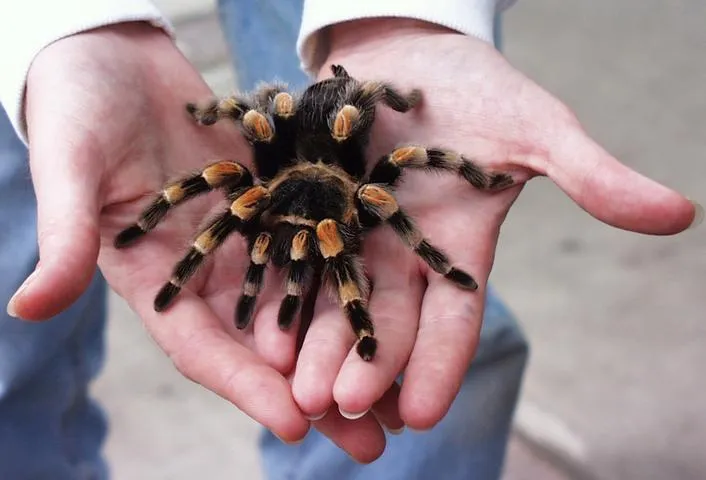
What is the Mexican Red Knee Tarantula?
The Mexican Red Knee Tarantula, scientifically known as Brachypelma hamorii, is a captivating and popular pet tarantula. Native to the Pacific coast of Mexico, this species is renowned for its striking appearance and relatively docile temperament, making it a favorite among both novice and experienced arachnid enthusiasts. Their lifespan can extend up to 20 years for females, which is a significant commitment, so prospective owners should be fully aware of the long-term responsibilities. These tarantulas are terrestrial, meaning they spend most of their time on the ground, and they are known for their beautiful coloration, with vibrant red-orange markings on their leg joints contrasting with their dark bodies. Understanding their natural habitat is crucial for replicating their needs in captivity to ensure a healthy and stress-free environment.
Understanding the Scientific Name
The scientific name, Brachypelma hamorii, provides valuable insight into this tarantula’s classification. ‘Brachypelma’ refers to the genus, while ‘hamorii’ is the species name, often honoring a key figure in the discovery or study of the species. The use of scientific names ensures clear and universal communication among scientists and enthusiasts worldwide, avoiding confusion caused by common names that may vary by region. The ‘hamorii’ species was once considered to be Brachypelma smithi but was later reclassified through genetic and morphological analysis. Knowing the scientific name helps to ensure that you are getting the correct species and can accurately research and understand its specific care requirements, including habitat, diet, and behavior. Correct identification is critical for providing the proper environment and promoting the tarantula’s well-being.
What Makes Them So Popular?

Several factors contribute to the Mexican Red Knee Tarantula’s popularity as a pet. Their striking appearance, featuring bold red-orange markings on their leg joints against a dark body, makes them visually appealing. Their relatively docile nature, compared to some other tarantula species, makes them easier to handle and observe, and they are less prone to defensive behaviors such as biting. Additionally, their manageable size, reaching up to six inches in leg span, and their moderate care requirements make them a great choice for many. They are also known to be relatively long-lived, particularly females, offering a long-term commitment for owners who are prepared to provide the necessary care and dedication. These factors make the Mexican Red Knee a captivating choice for those interested in keeping a tarantula.
Housing Your Mexican Red Knee Tarantula
Providing an appropriate habitat is crucial for the health and well-being of your Mexican Red Knee Tarantula. This includes the right size, substrate, and environmental conditions to mimic their natural environment. A well-designed enclosure will not only provide a comfortable home for your tarantula, but also enhance its ability to thrive, showing its natural behaviors, and remaining stress-free. Investing time and effort in the right housing setup is an investment in the longevity and happiness of your pet. The goal is to create a balanced ecosystem within the enclosure that meets all their needs and makes them feel safe and secure.
Choosing the Right Enclosure
Selecting the correct enclosure size is vital for your Mexican Red Knee Tarantula’s comfort and safety. A good rule of thumb is to provide an enclosure that is at least three times the tarantula’s leg span in width and length, allowing ample room for movement and burrowing. For a fully grown adult, a 10-20 gallon tank or a similar-sized terrarium is generally recommended. Ensure the enclosure has a secure lid to prevent escapes, as these tarantulas are adept climbers. The enclosure should also have good ventilation to prevent the build-up of humidity and mold, which can be harmful to the tarantula. Avoid enclosures that are too tall, as a fall from a significant height can injure your tarantula. A well-suited enclosure is essential for the tarantula’s well-being and makes their habitat easy to maintain.
Substrate and Decor

The substrate should be several inches deep to allow the tarantula to burrow, a natural behavior for them. A mixture of coco fiber, peat moss, and a bit of vermiculite is often ideal, as it retains moisture well while allowing for proper drainage and aeration. Avoid substrates that are too dusty or can cause irritation. Decorate the enclosure with items that mimic the tarantula’s natural habitat, such as a hide, pieces of cork bark, or artificial plants. These provide shelter and security, reducing stress. Make sure any decor is securely placed and won’t fall on the tarantula. Always ensure the habitat provides a varied and enriching environment that supports both the physical and psychological health of your tarantula.
Maintaining the Right Environment
The environment inside the enclosure is important for the long-term health of your Mexican Red Knee Tarantula. Maintaining the correct temperature and humidity is crucial. Regular cleaning is also necessary. Spot clean the enclosure weekly by removing any uneaten food and waste. It’s also important to avoid harsh chemicals or strong cleaning agents, as these can be harmful to your tarantula. The goal is to create a safe, stable, and clean environment.
Temperature and Humidity Levels
Mexican Red Knee Tarantulas thrive in temperatures between 75-85°F (24-29°C). A heat lamp or under-tank heater can be used to maintain these temperatures, but it is essential to monitor them with a thermometer to prevent overheating. The humidity level should be kept at around 60-70%. Regular misting of the enclosure with dechlorinated water, about once or twice a week, helps maintain the necessary humidity. Make sure to monitor the conditions with both a thermometer and a hygrometer, so you can make the necessary adjustments. Proper temperature and humidity levels are essential for their health, promoting proper molting and overall well-being. Too much humidity can lead to mold and mites, while too little can cause problems with molting.
Feeding Your Tarantula

A proper diet is critical for your Mexican Red Knee Tarantula’s health and longevity. Feeding your tarantula requires understanding the correct food items, feeding frequency, and ensuring that they have access to clean water. Careful attention to these details will support their growth and overall health. Overfeeding can lead to obesity, while underfeeding can cause deficiencies. Always provide fresh water and remove any uneaten food to maintain a clean and healthy enclosure environment. A balanced diet and proper feeding schedule are essential to ensure your tarantula’s well-being and growth.
What to Feed
The primary diet for Mexican Red Knee Tarantulas consists of insects. Crickets, mealworms, and roaches are commonly used as food sources. Ensure the insects are gut-loaded with nutritious food, such as vegetables or commercial insect feed, for at least 24 hours before feeding them to your tarantula. This enhances the nutritional value of the insects. Avoid feeding wild-caught insects, as they might carry parasites or pesticides that can harm your tarantula. The size of the prey should be appropriate for the tarantula’s size; it should be smaller than the tarantula’s body length, which allows for easier consumption. Monitor your tarantula after feeding, and remove any uneaten prey within 24 hours to prevent stress and potential harm to the tarantula.
Feeding Frequency
The frequency of feeding depends on the tarantula’s age and size. Spiderlings and juveniles should be fed more frequently, typically two to three times a week, while adult tarantulas can be fed less often, usually once a week or every other week. Adjust the feeding schedule according to your tarantula’s appetite and condition. Observe the tarantula’s abdomen; if it appears large and plump, it might not need to be fed as often. If the tarantula refuses to eat, it could be in pre-molt, and you should not force-feed it. Always provide a fresh water source and keep the enclosure clean and well-maintained.
Watering Your Tarantula

Clean, fresh water is crucial for the health of your Mexican Red Knee Tarantula. Provide a shallow water dish that is always accessible. The dish should be shallow enough to prevent the tarantula from drowning but large enough for the tarantula to easily drink from. You may also mist the enclosure periodically to increase humidity, but make sure to avoid excessive moisture, which can lead to mold or fungal growth. Always use dechlorinated water to prevent the harmful chemicals from the tap water. Regularly clean and refill the water dish to ensure the tarantula always has access to clean water, which is essential for hydration and overall health.
Handling and Safety
While Mexican Red Knee Tarantulas are generally docile, handling should be approached with caution and respect for the animal’s well-being. It’s essential to understand the potential risks and follow safe handling practices. Handling should be done with extreme care, and it’s always best to minimize handling, especially for beginners. Always make sure to wash your hands before and after handling your tarantula to prevent the spread of bacteria. Avoid handling the tarantula when it’s in pre-molt or shows signs of stress.
When to Avoid Handling
There are several instances when handling should be strictly avoided. During the pre-molt phase, when the tarantula is preparing to shed its exoskeleton, it is very vulnerable, and any stress can be detrimental. Avoid handling your tarantula if it appears agitated, defensive, or shows any signs of stress, such as raising its front legs or flicking hairs. Newly molted tarantulas are also extremely fragile. Similarly, avoid handling after feeding. If you must handle your tarantula, do so gently and keep it close to the ground to prevent falls, which could cause serious injury. Always prioritize the tarantula’s safety and comfort.
Recognizing Signs of Stress

Knowing how to recognize signs of stress is crucial for responsible tarantula ownership. A stressed tarantula might exhibit several behaviors, including flicking hairs from its abdomen, raising its front legs in a defensive posture, or rapidly moving around the enclosure. It might also refuse to eat, retreat into its hide, or become generally lethargic. If your tarantula displays these behaviors, it is important to immediately reduce any stressors, such as handling, and ensure the enclosure is correctly set up with optimal temperature, humidity, and a sense of security. Providing a calm and stable environment is crucial to minimize stress and ensure its well-being.
Common Health Issues
Like all pets, Mexican Red Knee Tarantulas can be susceptible to certain health issues. Knowing these potential problems can help you recognize and address them early, and can lead to better health. Common problems include injury, issues during molting, and parasitic infections. It’s essential to understand the causes of these issues, how to prevent them, and when to seek professional veterinary advice. Proactive care and observation can help keep your tarantula healthy and happy.
Moulting Process
Molting is a natural and essential process for tarantulas, where they shed their exoskeleton to grow. During this time, the tarantula will often stop eating and may become lethargic, and some tarantulas will also create a web mat, which is a sign they are preparing to molt. It’s essential to maintain high humidity during this period to assist the process. Never attempt to help a tarantula molt; intervention can easily cause injury. After molting, the tarantula will be vulnerable for a few days while its new exoskeleton hardens. Avoid handling it during this time and resume feeding a week after molting to ensure the exoskeleton has completely hardened. The molting process is a sign that the tarantula is healthy and growing.
Preventing Common Problems

Prevention is key when it comes to maintaining your tarantula’s health. Ensure the enclosure is clean, with regular spot cleaning and substrate changes. Maintaining the correct temperature and humidity levels helps to prevent respiratory problems. Provide a varied diet of gut-loaded insects and monitor the tarantula for any signs of illness, such as changes in behavior or appearance. Always avoid handling your tarantula if there are any signs of illness. Regular observation and prompt action can prevent many common health issues and keep your tarantula happy and healthy. A proactive approach to care will pay off in the long run.
Conclusion
Caring for a Mexican Red Knee Tarantula can be a rewarding experience, offering a unique opportunity to observe and learn about these fascinating creatures. By understanding their needs, providing the right environment, and practicing responsible handling, you can ensure your tarantula thrives. Remember, consistency in care is crucial for their health and well-being. The information provided in this guide is designed to help you, but it’s always a good idea to consult with experienced tarantula keepers or a veterinarian familiar with exotic animals for further guidance. With proper care, your Mexican Red Knee Tarantula can live a long and fulfilling life, becoming a captivating and cherished part of your home.