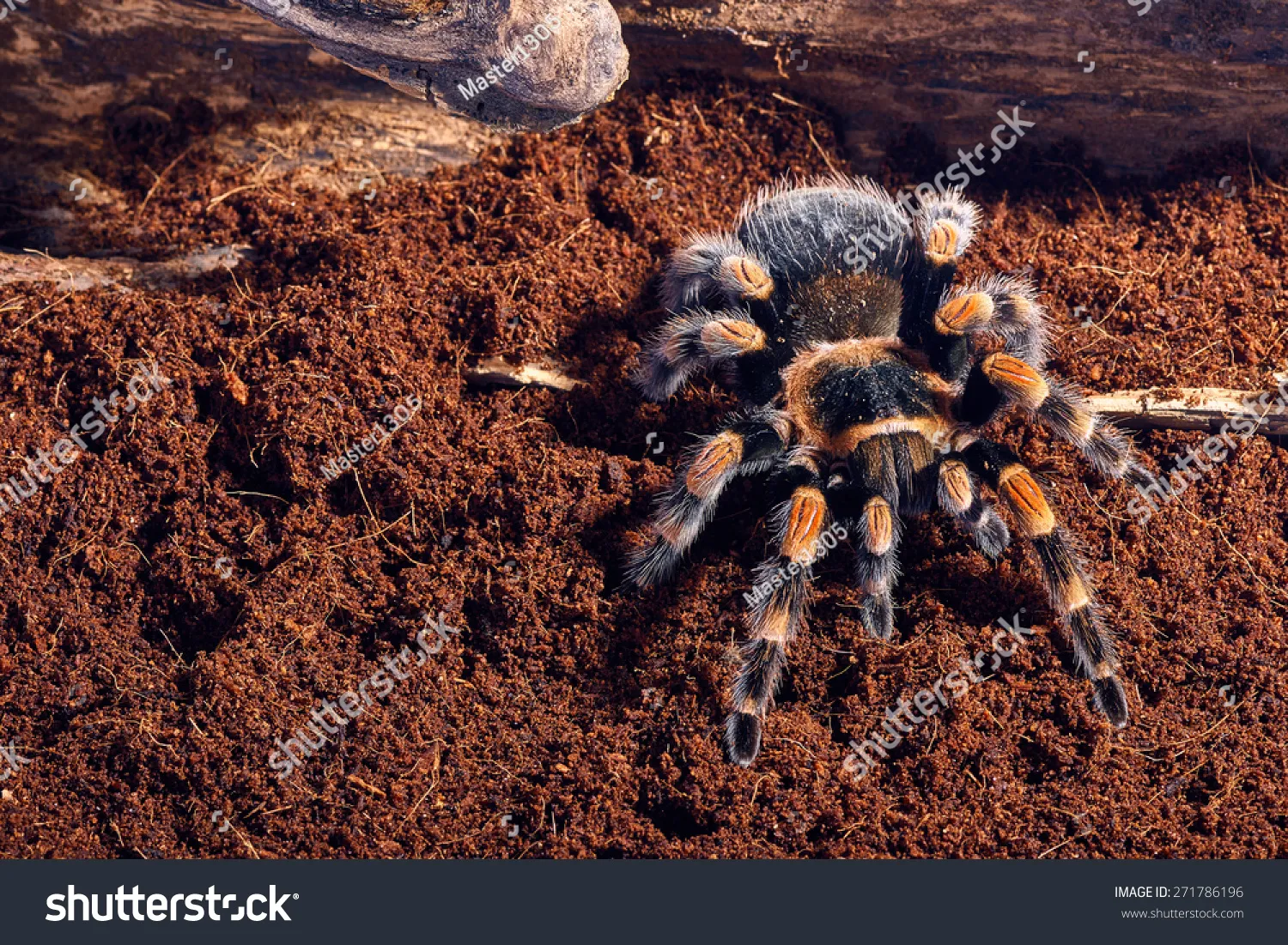
What is a Mexican Red Knee Tarantula (Brachypelma hamorii)?
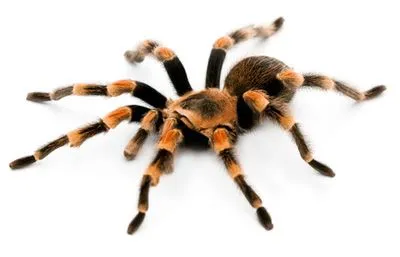
The Mexican Red Knee Tarantula, scientifically known as Brachypelma hamorii, is a captivating and popular pet tarantula. Recognized for its striking coloration, this arachnid boasts black legs adorned with vibrant red-orange bands, a characteristic that gives it its common name. Native to the arid scrublands and tropical deciduous forests of the Pacific coast of Mexico, these spiders are known for their docile temperament, making them a favorite among both novice and experienced tarantula keepers. Their relatively long lifespans, with females living up to 20-30 years and males around 5-10 years, further adds to their appeal as a long-term companion. This care guide provides the necessary information for providing a healthy and enriching environment for your Mexican Red Knee Tarantula.
Origin and Habitat of the Mexican Red Knee Tarantula
Understanding the natural habitat of the Mexican Red Knee Tarantula is crucial for replicating the conditions they thrive in captivity. These tarantulas are endemic to the Pacific slopes of the Sierra Madre del Sur mountain range in Mexico. They are typically found in burrows, often under rocks, logs, or within the dense vegetation of their environment. The climate in these regions is characterized by distinct wet and dry seasons. During the wet season, humidity levels are higher, and food sources are abundant. The dry season, on the other hand, sees a decrease in both humidity and food availability, which influences the tarantula’s activity and feeding habits. Recreating these conditions, including appropriate temperature, humidity levels, and a suitable substrate that allows for burrowing, is essential for the well-being of your pet.
Creating the Perfect Mexican Red Knee Tarantula Enclosure

Setting up the right enclosure is the cornerstone of successful tarantula care. The enclosure should provide a secure, comfortable, and enriching environment that mimics the tarantula’s natural habitat. It’s important to consider aspects such as size, ventilation, substrate, and décor. A well-designed enclosure not only supports the tarantula’s physical needs but also promotes its psychological well-being. A stressed tarantula is more prone to health issues and may exhibit undesirable behaviors. By paying close attention to the setup details, you can significantly enhance the quality of life for your Mexican Red Knee Tarantula.
Enclosure Size and Type
The size of the enclosure should be appropriate for the tarantula’s size, with larger tarantulas needing more space. A general rule of thumb is to provide an enclosure that is at least three times the tarantula’s leg span in width. For juvenile tarantulas, a smaller enclosure may be suitable, as it can help them feel more secure. Glass or acrylic enclosures are commonly used. Glass is sturdy and provides excellent visibility, while acrylic is lighter and can be easier to handle. Ventilation is crucial; the enclosure should have sufficient airflow to prevent the buildup of excess humidity and mold. Ensure the enclosure has a secure lid to prevent escape and protect your tarantula.
Substrate and Decor for Your Tarantula
The substrate serves as the flooring for the enclosure and plays a vital role in maintaining humidity and providing a suitable environment for burrowing. A mix of peat moss, coconut fiber, and vermiculite is a popular choice, offering good moisture retention and allowing the tarantula to dig and create a burrow. The depth of the substrate should be sufficient to allow the tarantula to burrow comfortably, typically several inches. Decor such as cork bark, driftwood, and artificial plants can be added to provide hiding places and enrich the environment. Avoid sharp objects that could potentially harm the tarantula. The substrate should be spot-cleaned regularly to remove any uneaten food or waste.
Temperature and Humidity Requirements

Maintaining the correct temperature and humidity levels is critical for the health of your Mexican Red Knee Tarantula. The ideal temperature range is between 75°F and 85°F (24°C and 29°C). A heat lamp or a heat mat placed on the side of the enclosure can provide supplemental heat, but ensure that the heat source doesn’t directly touch the enclosure to avoid burns. Humidity levels should be maintained between 60% and 70%. This can be achieved by lightly misting the enclosure with dechlorinated water a few times a week, or as needed. Use a hygrometer to monitor the humidity levels accurately. Proper ventilation is important to prevent mold growth while maintaining humidity. Avoid placing the enclosure in direct sunlight, as it can overheat.
Feeding Your Mexican Red Knee Tarantula
Feeding your Mexican Red Knee Tarantula appropriately is crucial for its growth, health, and overall well-being. Tarantulas are opportunistic predators and require a diet consisting primarily of live insects. It is essential to understand the dietary needs, the types of insects to feed, and the frequency and quantity of feeding to keep your tarantula healthy and thriving. Overfeeding can lead to health issues, while underfeeding can cause stress and hinder growth. A balanced diet, complemented by access to fresh water, is the key to a happy and healthy tarantula.
Choosing the Right Food
The primary food source for Mexican Red Knee Tarantulas should be live insects. Crickets, mealworms, dubia roaches, and locusts are all excellent choices. Varying the diet can provide a more balanced nutrition. The insects should be gut-loaded before feeding. This process involves feeding the insects nutritious food, such as fresh vegetables and commercial insect food, to enhance their nutritional value. The size of the insects should be appropriate for the tarantula’s size. As a general guideline, the prey should be no larger than the tarantula’s body length. Avoid feeding insects that are too large, as they can pose a risk to the tarantula.
Feeding Frequency and Amounts

The feeding frequency depends on the tarantula’s age and size. Spiderlings and juveniles need to be fed more often than adults. Spiderlings should be fed about every other day, while juveniles can be fed every three to four days. Adult Mexican Red Knee Tarantulas typically require feeding every five to seven days. The amount of food should be adjusted based on the tarantula’s appetite. If the tarantula consistently refuses food, this could indicate that it is about to molt or that the environmental conditions are not optimal. Remove any uneaten food within 24 hours to prevent mold and mites. Provide fresh water at all times, either in a shallow water dish or through misting the enclosure.
Water and Hydration
Access to fresh water is essential for hydration. Provide a shallow water dish in the enclosure. The water dish should be shallow enough to prevent the tarantula from drowning but large enough to allow the tarantula to drink comfortably. Replace the water regularly to keep it clean and fresh. You can also mist the enclosure lightly a few times per week, especially during the dry season, to maintain adequate humidity. This also allows the tarantula to drink water droplets. Always use dechlorinated water to prevent any potential harm from chlorine or chloramine.
Handling and Interaction with Your Tarantula
While Mexican Red Knee Tarantulas are known for their relatively docile temperament, they are not generally considered handleable pets. Handling tarantulas should be done with extreme caution and only when necessary, as it can stress the spider and pose a risk to both the tarantula and the handler. Understanding their behavior and practicing safe handling practices is critical for their well-being and your safety.
Understanding Tarantula Behavior

Tarantulas exhibit a variety of behaviors that can indicate their mood and well-being. A tarantula that is in a defensive posture will raise its front legs, exposing its fangs, and may flick urticating hairs. This is a clear sign that the tarantula feels threatened and should be left alone. A tarantula that is not eating or is hiding excessively may be about to molt. Before molting, tarantulas often become less active. A healthy tarantula will typically be active, exploring its enclosure, and readily eating. The spider should retreat to its burrow to feel secure and safe. Observe your tarantula’s behavior regularly to understand its needs and any signs of stress or illness.
Safe Handling Practices
If handling is necessary (such as when cleaning the enclosure or moving the tarantula), always do so with care and caution. Use a soft brush to gently guide the tarantula into a container. Avoid picking up the tarantula directly, as this can startle it and increase the risk of a bite or a fall. Always handle the tarantula over a soft surface, such as a bed or the floor, to minimize the risk of injury if it falls. Wash your hands thoroughly before and after handling to prevent the spread of any potential contaminants. Remember that tarantulas can be unpredictable, and bites, while not usually medically significant, can be painful. Always prioritize the tarantula’s safety and well-being over handling.
Common Health Issues and Care
Keeping your Mexican Red Knee Tarantula healthy involves understanding common health issues, recognizing the signs, and knowing how to respond. Regular observation of your tarantula’s behavior, feeding habits, and overall appearance is vital for detecting any potential problems early. The most common health issues include problems with molting, injuries, and parasitic infections. Providing proper care and maintenance of the enclosure can help to prevent many of these issues. A proactive approach to health care can ensure that your tarantula lives a long and healthy life.
Shedding and Molting
Molting is a natural process where tarantulas shed their exoskeletons to grow. During this time, the tarantula will usually stop eating and may retreat to its burrow. The pre-molt phase can last from a few weeks to a few months. The tarantula will often lay on its back during the molting process. Do not disturb the tarantula during this vulnerable time. After molting, the tarantula will be soft and vulnerable for a few days. Avoid handling or feeding the tarantula until its new exoskeleton hardens. Provide extra moisture in the enclosure to assist in the molting process. Improper humidity and other stressors can make the molting process difficult, or even deadly, for the tarantula.
Identifying and Treating Health Problems
Recognize the signs of health problems, such as loss of appetite, lethargy, unusual behaviors, or physical abnormalities. Parasites and mites are common. Mites are small, often red or brown, and can be seen crawling on the tarantula or its enclosure. Infestations can cause stress and discomfort. If you notice mites, remove and replace the substrate. You can also consult with a veterinarian familiar with tarantulas for appropriate treatments. Injuries, such as broken legs or damaged fangs, can occur. Seek advice from a veterinarian experienced in tarantulas. Ensure that the enclosure is free from hazards that could lead to injuries. Preventative care and early detection are essential for treating health problems effectively.
Breeding Mexican Red Knee Tarantulas (Advanced)
Breeding Mexican Red Knee Tarantulas is an advanced topic that requires a thorough understanding of tarantula behavior and care. It is not recommended for beginners. Successful breeding involves several key steps, including sexing the tarantulas, introducing the male and female, the mating process, and caring for the eggsac and spiderlings. Breeding tarantulas can be a rewarding but challenging endeavor.
Sexing Your Tarantula

Sexing a tarantula is crucial for breeding, as you need to identify both a male and a female. The most reliable method is to examine the exuvia (molted exoskeleton). Males typically have modified pedipalps that resemble boxing gloves. They also have spurs on their front legs. Females do not have these features. Examining the underside of the abdomen can also help. The presence of a spermatheca (a pouch for storing sperm) in females is another key indicator. This process requires patience and experience and may require a magnifying glass to view the details.
The Mating Process
The mating process involves introducing a mature male to a receptive female. The female’s behavior will determine if she is receptive. It is important to be extremely careful to prevent the female from seeing the male as food. The male will typically approach the female cautiously, drumming his legs to attract her attention. If the female is receptive, she will allow the male to mate. The male will deposit his sperm web and the female will collect it with the help of her pedipalps. After mating, it is recommended to separate the male from the female to prevent the female from eating him. The female will then lay her eggs and create an eggsac.
Conclusion
Caring for a Mexican Red Knee Tarantula can be a rewarding experience for those who are prepared to provide the necessary care and attention. By following this care guide, you can ensure a healthy and enriching environment for your tarantula. Remember that patience, observation, and attention to detail are essential for the well-being of your pet. Always prioritize your tarantula’s safety and well-being. If you have any concerns or questions about your tarantula’s health or care, seek advice from an experienced tarantula keeper or a veterinarian with expertise in exotic animals. With the right care, your Mexican Red Knee Tarantula can thrive for many years to come, offering a fascinating glimpse into the world of arachnids.