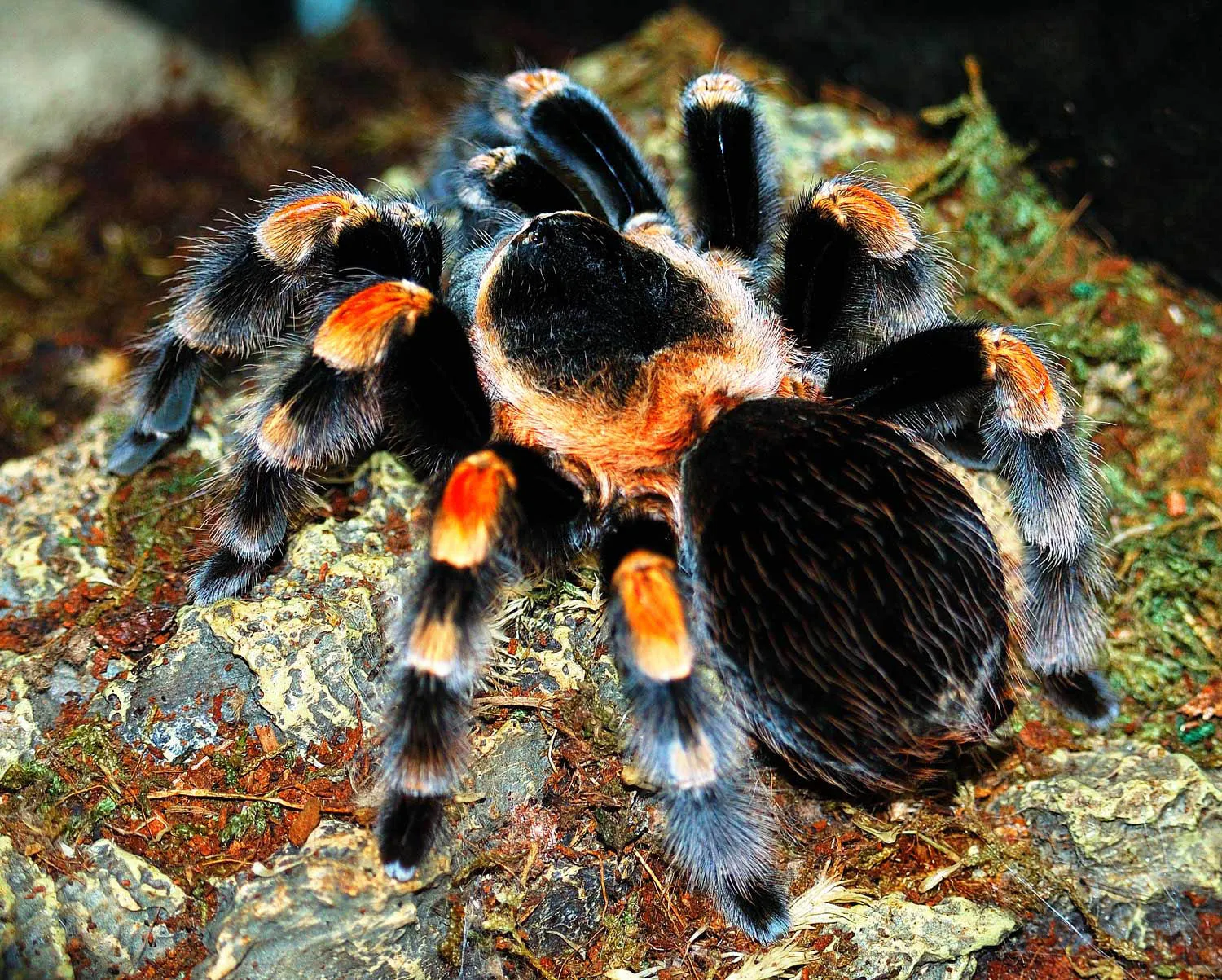
What is the Mexican Red Knee Tarantula
The Mexican Red Knee Tarantula (Brachypelma hamorii), a captivating arachnid native to the arid scrublands and tropical forests of the Pacific coast of Mexico, has become a beloved pet among tarantula enthusiasts. Known for its docile temperament and striking appearance, this species is an excellent choice for both novice and experienced keepers. These spiders are relatively long-lived, making them a rewarding companion for many years. Their vibrant coloration and engaging behaviors add a unique touch to any home. Understanding the specific care requirements, including habitat, feeding, and handling, is crucial to ensuring the well-being and longevity of your Mexican Red Knee Tarantula. These fascinating creatures offer a unique window into the world of invertebrates, providing an intriguing and low-maintenance pet experience for those willing to learn and dedicate themselves to their care.
Appearance and Characteristics
The Mexican Red Knee Tarantula is easily identifiable by its distinct coloration and robust build. The carapace, the upper shell of the cephalothorax, is a rich, dark brown color, often with a subtle metallic sheen. The legs are a striking combination of black and vibrant orange-red bands, which give the tarantula its common name. Their bodies are covered in fine hairs, which provide sensory input and aid in their defense mechanisms. Females are generally larger than males, with females reaching a leg span of up to 6 inches or more. Males typically possess smaller bodies, and their pedipalps (small appendages near the mouth) often have a modified appearance when mature, used for mating. Their size and appearance make them a truly impressive sight, and their docile nature contributes to their popularity as pets.
Lifespan and Growth

One of the appealing aspects of owning a Mexican Red Knee Tarantula is its relatively long lifespan. Females can live for an impressive 20 to 30 years, while males typically have a shorter lifespan, often around 5 to 10 years. The growth rate varies depending on factors such as feeding frequency, temperature, and overall care. These tarantulas go through a process called molting, where they shed their exoskeleton to grow. During molting, the tarantula is particularly vulnerable and requires a safe and undisturbed environment. Young tarantulas molt more frequently than adults. Their growth is a gradual process and a direct result of a proper diet and comfortable living conditions. The extended lifespan makes this species a commitment, but also offers a rewarding and long-term companionship opportunity.
Setting Up the Perfect Habitat
Creating the right habitat is crucial for the health and happiness of your Mexican Red Knee Tarantula. This involves selecting the appropriate enclosure, providing suitable substrate, and maintaining optimal temperature and humidity levels. The right environment will mimic their natural habitat and create a stress-free environment. A well-designed enclosure allows for the tarantula to thrive, exhibit natural behaviors, and gives you an opportunity to observe this fascinating species. By following these guidelines, you can provide your pet with a safe and enriching home.
Choosing the Right Enclosure
The size of the enclosure should be appropriate for the size of your tarantula. A good rule of thumb is to provide an enclosure that is at least three times the leg span of the tarantula in width and length. Juvenile tarantulas can be housed in smaller containers, such as deli cups, with adequate ventilation. As they grow, upgrade to a larger terrarium or enclosure. Glass or acrylic terrariums with secure lids are ideal. Ensure the enclosure has ample ventilation to prevent the buildup of humidity. Avoid enclosures with sharp edges or features that could pose a risk to the tarantula. The enclosure must be escape-proof to ensure the tarantula’s safety.
Substrate and Decor

The substrate is an essential part of the tarantula’s enclosure, providing a surface for burrowing, retaining moisture, and creating a natural environment. A mix of substrate materials is recommended. The ideal substrate includes a mix of coconut fiber, peat moss, and a small amount of vermiculite. The substrate layer should be deep enough for the tarantula to burrow, around 4-6 inches deep. Decorations, such as cork bark, artificial plants, and hideouts, should be added to give the tarantula places to hide and feel secure. These additions will also make the enclosure more visually appealing. Ensure the decorations are non-toxic and won’t pose a risk to the tarantula.
Temperature and Humidity
Maintaining the correct temperature and humidity levels is vital. The ideal temperature range for a Mexican Red Knee Tarantula is between 75-85°F (24-29°C). A heat mat placed on the side of the enclosure (never underneath) can help maintain the desired temperature. Humidity levels should be kept around 60-70%. Humidity can be regulated by lightly misting the enclosure every few days, but be sure to avoid over-saturation, which can lead to mold growth. Monitor temperature and humidity using a reliable thermometer and hygrometer. The correct conditions prevent illness and promote a thriving and comfortable living situation for your tarantula.
Feeding Your Mexican Red Knee
Providing a balanced diet is essential for the health and growth of your Mexican Red Knee Tarantula. They are opportunistic feeders, meaning they will eat almost any insect they can overpower. A consistent feeding schedule, with the right type of food, will allow the spider to thrive. Proper nutrition will ensure that your tarantula lives a long and healthy life. Remember that tarantulas have specific requirements, and understanding them will allow you to be a successful owner.
What to Feed

The primary diet of a Mexican Red Knee Tarantula consists of live insects. Crickets, mealworms, and roaches are popular choices. Ensure the insects are gut-loaded with nutritious food before feeding them to your tarantula. Gut-loading involves feeding the insects high-quality food for 24-48 hours before feeding them to the tarantula, thus passing on the beneficial nutrients. Avoid feeding your tarantula insects that have been exposed to pesticides. Variety is key. You may supplement their diet with occasional treats, such as small pieces of pre-killed pinky mice for adult tarantulas. Always remove uneaten food to prevent the buildup of mold and other issues.
Feeding Frequency
The feeding frequency varies depending on the age of the tarantula. Spiderlings and juveniles should be fed 2-3 times per week. Adult tarantulas can be fed every 1-2 weeks. Adjust the feeding schedule based on the tarantula’s appetite and body condition. Overfeeding can lead to obesity and health problems. If the tarantula refuses to eat, it may be preparing to molt, so do not be alarmed. Always observe the tarantula’s behavior and body condition to adjust the feeding schedule accordingly.
Water and Hydration
Providing a constant source of fresh, clean water is crucial. Use a shallow water dish that is easily accessible. The water dish should be shallow enough to prevent the tarantula from drowning, especially for juveniles. Change the water regularly, at least once a week, to prevent bacteria and mold growth. Some keepers also provide a small, damp sponge or cotton ball in the enclosure to help maintain humidity. Always ensure access to fresh water is available. This essential element is vital to your tarantula’s overall health and well-being.
Handling and Safety

Handling a Mexican Red Knee Tarantula should be approached with caution and respect. While this species is generally docile, they can still bite if provoked. Careful handling practices are the best way to ensure both your safety and the safety of your tarantula. Always be mindful of the tarantula’s behavior and body language.
Safe Handling Practices
It is recommended that you handle your tarantula only when necessary, such as for enclosure maintenance or relocation. Always handle the tarantula over a soft surface, such as a bed or the floor, to minimize the risk of injury if it falls. Avoid sudden movements and loud noises, as these can startle the tarantula. Never try to grab the tarantula or force it to move. Use a soft brush or a gentle nudge to encourage the tarantula to move if necessary. Handling should be brief and stress-free.
Recognizing Stress Signals
Pay close attention to your tarantula’s behavior. A stressed tarantula may exhibit several signals. If the tarantula is flicking its legs, raising its front legs, or showing its fangs, it is likely feeling threatened. Never attempt to handle a tarantula that is displaying these behaviors. A stressed tarantula may also hide in its burrow or refuse to eat. The tarantula will bite in defense if it is scared, and while the venom of a Mexican Red Knee Tarantula is not lethal to humans, the bite can still be painful. Always put the tarantula’s well-being first.
Common Health Issues and Solutions

Like all pets, Mexican Red Knee Tarantulas can experience health problems. Being able to recognize potential issues and knowing how to deal with them is essential for proper care. A proactive approach and regular observation of your pet will increase the likelihood of a long and healthy life. With proper care, most health issues are preventable.
Molting and What to Expect
Molting is a natural process where the tarantula sheds its exoskeleton to grow. Before molting, the tarantula will typically become lethargic and stop eating. The tarantula will often flip onto its back during the molting process. It is crucial to avoid disturbing the tarantula during this vulnerable time. Once the molt is complete, the new exoskeleton will be soft and vulnerable, and the tarantula should not be handled for several days. Provide fresh water and allow the tarantula time to rehydrate. The molted exoskeleton can also be kept, to track the spider’s growth.
Parasites and Diseases
While Mexican Red Knee Tarantulas are generally healthy, they can be susceptible to certain health issues. Mites are a common parasite that can infest the tarantula and its enclosure. Regular cleaning of the enclosure and quarantine of new additions can help prevent mite infestations. Fungal infections can also occur if the humidity levels are too high. If you notice any signs of illness, such as lethargy, loss of appetite, or unusual behavior, consult with a veterinarian specializing in exotic animals. Early detection and treatment are vital for a full recovery. A clean, well-maintained enclosure is the best way to prevent diseases and keep your pet tarantula happy and healthy.
Breeding Mexican Red Knees

Breeding Mexican Red Knee Tarantulas requires specialized knowledge and dedicated care. It is not recommended for novice keepers. Successful breeding involves understanding the intricacies of tarantula reproduction and providing the ideal conditions for mating and raising spiderlings. Breeders often work with experienced breeders and research thoroughly before attempting the process.
Identifying Male and Female Tarantulas
Determining the sex of a Mexican Red Knee Tarantula is essential for breeding. Males typically have a smaller body size and longer legs than females. The most reliable way to determine the sex is by examining the tarantula’s molt. The presence of a spermatheca, a receptacle for sperm, on the underside of the molt indicates a female. The presence of small hooks on the male’s front legs, used for holding the female’s fangs during mating, is another distinguishing characteristic. With experience and careful examination, it can be easier to identify the sex of your tarantula.
The Mating Process
The mating process involves introducing a mature male to a receptive female. This should be done under close supervision, as the female may try to attack the male. The male will typically approach the female with caution, drumming his pedipalps and legs to signal his intentions. If the female is receptive, she will allow the male to mate. After mating, the male should be removed from the enclosure to prevent him from being attacked and eaten. The female will then lay eggs and spin an egg sac.
Caring for Spiderlings
Once the egg sac hatches, the spiderlings will need specialized care. They should be kept in a separate enclosure with adequate ventilation, substrate, and a shallow water dish. Spiderlings should be fed small, flightless fruit flies or pinhead crickets. Provide adequate humidity and temperature to support growth. The spiderlings will molt multiple times as they grow, and they should be monitored for any signs of illness or stress. Raising spiderlings requires patience, dedication, and a thorough understanding of their specific needs. Raising spiderlings is a rewarding experience, but it also requires careful attention to the smallest details.