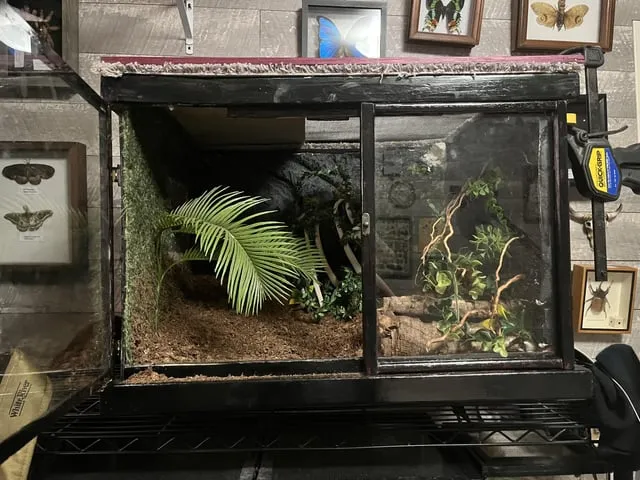
Choosing the Right Large Tarantula Tank
Setting up a large tarantula tank is an exciting venture for any arachnid enthusiast. The right enclosure is crucial for the health and well-being of your eight-legged friend. A well-designed tank provides not only a home, but also a controlled environment where your tarantula can thrive. This guide offers everything needed to create the perfect habitat, considering factors like size, material, and ventilation, ensuring the comfort and safety of your pet. Begin with the basics and carefully consider the specific needs of the tarantula species you intend to house. Properly preparing for the arrival of your tarantula helps to ensure that the transition into its new home goes smoothly, promoting its overall health and longevity.
Tank Size Considerations
The size of the tarantula tank is paramount. It should be proportional to the tarantula’s size, allowing ample space for movement, burrowing (if the species is terrestrial), and a suitable thermal gradient. A tank that is too small can restrict the tarantula’s activity and stress it, while a tank that is too large may make it difficult for the tarantula to find food and feel secure. Always research the adult size of your tarantula species to determine the appropriate tank dimensions. Consider the tarantula’s lifestyle and habits, as arboreal species require more vertical space for climbing, while terrestrial species need more floor space for roaming and burrowing. It’s generally better to err on the side of a larger tank, as this provides more flexibility for decorating and allows the tarantula to grow comfortably.
Material Matters Glass vs. Acrylic

The choice between a glass or acrylic tank is essential for any large tarantula tank. Both materials have advantages and disadvantages. Glass tanks are durable, scratch-resistant, and provide excellent visibility. However, they can be heavier than acrylic tanks and may not retain heat as efficiently. Acrylic tanks are lighter, offer superior insulation, and can be molded into various shapes. Acrylic also has a high clarity, though it can be prone to scratching. Consider your budget, the ease of cleaning, and the specific needs of your tarantula. Many keepers prefer acrylic for its insulation properties, which can help maintain stable temperatures and humidity levels. Ultimately, the best choice depends on your personal preferences and the particular species of tarantula you’re keeping. Inspect the tank regularly for any damage, regardless of the material.
Ventilation Requirements
Proper ventilation is crucial for preventing mold growth and maintaining a healthy environment inside the large tarantula tank. Ventilation helps regulate humidity, removes stale air, and prevents the buildup of harmful gases. The amount of ventilation needed varies depending on the tarantula species and the climate where you live. Generally, a tank should have ventilation holes or a mesh top that allows for adequate airflow. Ensure the ventilation is secure to prevent the escape of the tarantula and the entry of unwanted pests. Avoid placing the tank in direct sunlight or near heat sources to prevent excessive heat buildup, which can be dangerous. Regularly inspect the ventilation openings for any obstructions and clean them if necessary. A well-ventilated tank promotes the overall health and well-being of your tarantula, creating a more comfortable habitat.
Creating the Perfect Substrate
The substrate serves as the foundation of your large tarantula tank. It provides a surface for the tarantula to walk on, burrow in (for many species), and helps maintain humidity. Choosing the right substrate is essential for creating a comfortable and healthy environment. The substrate should be non-toxic, retain moisture, and be appropriate for the specific needs of your tarantula species. The depth of the substrate is also important, as it allows the tarantula to burrow or create a secure environment. A well-chosen substrate contributes significantly to the overall well-being of your pet, encouraging natural behaviors and providing a safe, enriching environment.
Substrate Types and Their Benefits

Several substrate options are available for a large tarantula tank, each with its own benefits. Common choices include coconut fiber (coco coir), peat moss, vermiculite, and a mixture of these materials. Coconut fiber is a popular choice because it retains moisture well, is readily available, and resists mold growth. Peat moss also holds moisture and provides a slightly acidic environment that some tarantulas prefer. Vermiculite is excellent for retaining moisture and creating humidity. A combination of these substrates can create a more diverse and beneficial environment. Avoid substrates like sand, which can be too abrasive and may not hold moisture well. The ideal substrate will depend on the specific requirements of your tarantula species. Research the best substrate for your tarantula’s needs before setting up its enclosure.
Maintaining Substrate Humidity
Maintaining the correct humidity level is vital for your tarantula’s health, especially during molting. You can monitor humidity using a hygrometer placed inside the tank. To increase humidity, mist the substrate with dechlorinated water, and provide a water dish. The frequency of misting depends on the substrate type and the humidity needs of your tarantula species. Avoid over-misting, which can lead to mold growth. Good ventilation, as discussed earlier, helps to balance humidity levels and prevent issues. Regularly check the substrate for dryness or mold, adjusting your watering schedule accordingly. A properly maintained humidity level helps your tarantula shed its exoskeleton successfully and prevents dehydration. Consistent monitoring and adjustments ensure a comfortable and healthy habitat for your pet.
Adding Essential Tank Decor
Decorating your large tarantula tank not only enhances its aesthetic appeal, but also provides enrichment for your tarantula. The right décor offers hiding places, promotes natural behaviors, and helps the tarantula feel secure. Careful selection and placement of décor can create a more stimulating and comfortable environment, improving your tarantula’s quality of life. Incorporating natural elements like wood, plants, and rocks can mimic its natural habitat and reduce stress. Creating a stimulating environment also allows you to observe your pet’s behaviors more closely, promoting a deeper connection with your tarantula.
Hiding Places and Enrichment

Tarantulas are naturally shy creatures and require secure hiding places. Providing these is crucial for their well-being. Cork bark, artificial caves, and sturdy plants are all excellent options. Ensure the hiding places are large enough for your tarantula to retreat into and feel safe. Adding enrichment items such as sturdy branches or artificial plants can encourage exploration and provide opportunities for web-building. Avoid sharp objects that could injure your tarantula. Always make sure all décor items are securely placed to prevent them from falling and potentially harming your pet. Thoughtfully chosen décor helps create a secure and enriching environment, reducing stress and promoting natural behaviors.
Water Dish and Placement
A shallow water dish is essential in the large tarantula tank. It provides a constant source of fresh water, which is crucial for hydration. The dish should be shallow enough to prevent the tarantula from drowning, especially for smaller species or young tarantulas. Ceramic dishes or shallow plastic containers are often used. Place the water dish in a secure location where it is easily accessible to the tarantula but away from direct heat sources. Regularly clean the water dish to prevent the growth of bacteria and algae. Using distilled or dechlorinated water is recommended. Providing a clean and easily accessible water source is vital for maintaining your tarantula’s health and well-being, contributing to its overall hydration and health.
Lighting and Heating
Proper lighting and heating are crucial elements of a well-designed large tarantula tank. While tarantulas do not require specific lighting for metabolic processes like some reptiles, providing a regular light/dark cycle is beneficial for their natural behaviors. Heat is necessary to maintain a suitable temperature gradient within the enclosure. Creating and maintaining the right temperature and light conditions ensures the tarantula’s well-being and supports its overall health and behavior. Monitoring these factors regularly is crucial for ensuring the habitat is suitable and promoting the health of your pet.
Ideal Temperature and Humidity Levels

The ideal temperature and humidity levels vary depending on the tarantula species. Research the specific needs of your tarantula. Generally, most species thrive in temperatures between 75-85°F (24-29°C). Use a thermometer to monitor the temperature inside the tank. Humidity levels should be appropriate for your tarantula’s native environment. This is usually between 60-80% humidity, but some species require more or less. A hygrometer is useful for monitoring humidity levels. Maintaining consistent temperature and humidity is essential for your tarantula’s health, molting, and overall well-being. Make adjustments to heating and humidity control as needed to maintain the correct environment.
Choosing the Right Lighting
While tarantulas do not need specialized lighting, providing a regular light cycle is beneficial. This can be achieved with a simple LED or fluorescent light on a timer. Avoid using bright or intense lights, as these can stress the tarantula. A low-wattage bulb or a light with a soft glow is sufficient. The light cycle should mimic natural day and night, providing 12 hours of light and 12 hours of darkness. The placement of the light should not create excessive heat. If you need additional heat, a ceramic heat emitter (CHE) connected to a thermostat is often recommended. The right lighting conditions support your tarantula’s natural behaviors and contribute to its overall health.
Feeding Your Tarantula in its Tank
Feeding your tarantula is one of the most important aspects of its care, directly impacting its health and well-being. Providing the appropriate food and ensuring it is readily available within the tank is crucial. Understanding the dietary needs, the frequency, and the proper prey size are important for the overall success of your tarantula’s environment. Consistent feeding practices ensure the tarantula receives the necessary nutrients, promotes healthy growth, and supports their natural behaviors. Monitoring the feeding habits provides insight into your tarantula’s health, allowing for prompt adjustments as needed.
Feeding Frequency and Prey Size

The feeding frequency and prey size depend on the age and size of your tarantula. Spiderlings and juvenile tarantulas should be fed more frequently, possibly twice a week, while adult tarantulas can be fed once a week or every other week. The size of the prey should be appropriate for your tarantula. The general rule is that the prey should be no larger than the tarantula’s abdomen. Suitable prey items include crickets, roaches, mealworms, and other insects. Always offer a variety of prey to provide a balanced diet. Pre-kill crickets or roaches before offering them to avoid any potential harm to the tarantula. Be mindful of your tarantula’s appetite and adjust feeding frequency as needed. Observing your tarantula’s feeding habits provides critical information about its overall health and well-being.
Removing Uneaten Food
It is important to remove any uneaten prey from the large tarantula tank within 24 hours. Leaving uneaten food in the tank can lead to mold growth and attract unwanted pests. Regularly inspect the tank for any leftover prey items. If crickets or roaches are not eaten, remove them promptly to prevent them from bothering your tarantula or potentially harming it. Removing uneaten food helps maintain a clean and healthy environment, reducing the risk of health issues. Ensure that the tank is cleaned regularly to prevent the accumulation of waste. This practice helps to maintain a hygienic environment, crucial for the overall well-being of your tarantula.
Maintaining Your Large Tarantula Tank
Regular maintenance is crucial for creating and maintaining a healthy environment in your large tarantula tank. Consistent cleaning and proper humidity control will help your pet thrive. A well-maintained tank reduces the risk of disease and promotes the overall well-being of your tarantula. This includes cleaning, water management, and consistent monitoring of the environmental conditions. Establishing a consistent maintenance routine ensures that the environment remains optimal for your pet.
Cleaning and Spotting Waste

Spot cleaning is an essential part of maintaining your large tarantula tank. You should remove any visible waste, such as uneaten food, molted exoskeletons, and fecal matter, regularly. This helps prevent the buildup of harmful bacteria and mold. Use a pair of tongs to remove waste. A complete substrate change should be done periodically. The frequency of the substrate change will depend on the substrate type and the size of the tank. Typically, you can change the substrate every few months or as needed. Always wash your hands thoroughly before and after handling the tank to prevent contamination. Regular cleaning and waste removal contribute to a healthy and hygienic environment for your tarantula.
Watering and Humidity Control
Watering and humidity control are essential aspects of large tarantula tank maintenance. Use a hygrometer to monitor the humidity levels. Mist the tank as needed to maintain the appropriate humidity for your tarantula species. Ensure proper ventilation to prevent the buildup of excessive moisture, which can lead to mold growth. Check the water dish daily and refill it with fresh, clean water. Dechlorinated or distilled water is recommended. Adjust your watering and misting schedule based on the humidity levels and the substrate. This practice provides the required conditions for a healthy and thriving habitat, contributing to the overall welfare of your tarantula.
In conclusion, setting up and maintaining a large tarantula tank requires careful planning and diligent care. By choosing the right tank, providing the correct substrate, decor, lighting, and heating, and maintaining consistent humidity and cleanliness, you can create a thriving environment for your tarantula. Remember to always research the specific needs of your tarantula species. With proper care and attention, you can enjoy the fascinating world of tarantulas and ensure the health and happiness of your pet.