Understanding the Calisoga Longitarsus
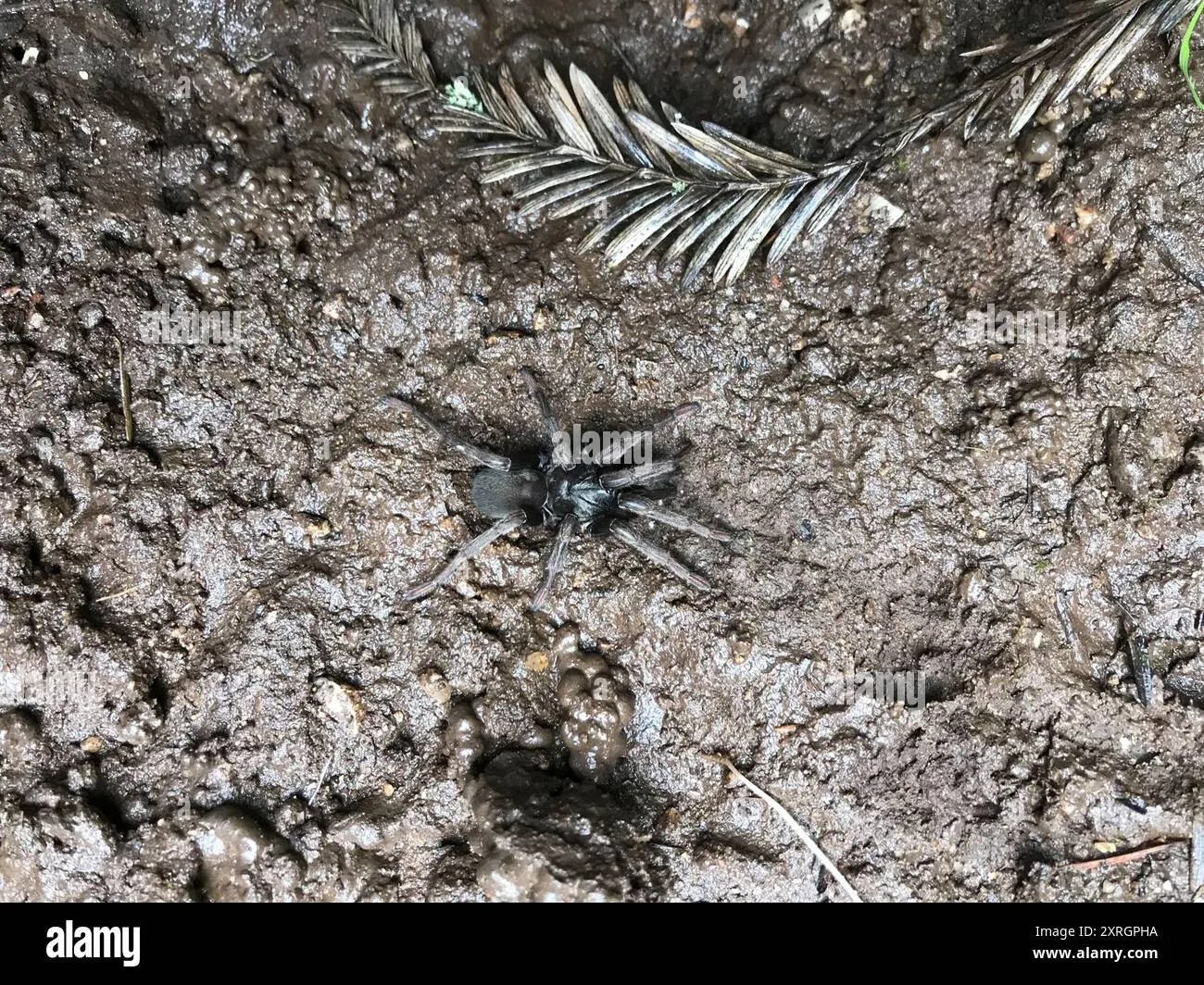
The Calisoga Longitarsus, often referred to as the false tarantula, is a fascinating arachnid that captures the attention of both nature enthusiasts and those simply curious about the creatures sharing our environment. Understanding this spider is the first step toward spotting it quickly. These spiders, while resembling tarantulas in some aspects, possess unique characteristics that set them apart and offer clues for rapid identification. This guide will provide you with the essential knowledge to recognize and appreciate the Calisoga Longitarsus in its natural habitat, making it easier than ever to spot this intriguing species.
What is the Calisoga Longitarsus
The Calisoga Longitarsus belongs to the family Nemesiidae, and it’s a type of ground spider. This family includes several species that are often mistaken for tarantulas due to their size and appearance. However, the Calisoga Longitarsus does not possess some of the key characteristics that define true tarantulas. It’s crucial to know its background to accurately spot one. These spiders are typically found in the western United States, where they thrive in various habitats. They are primarily nocturnal hunters, spending their days in burrows or under rocks, making them somewhat elusive. Their presence contributes significantly to the local ecosystem, playing a role in controlling insect populations. Understanding their place within the ecosystem helps us appreciate their importance.
Distinguishing Features
Size and Appearance
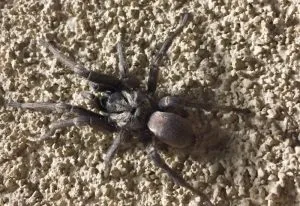
One of the initial clues for identifying a Calisoga Longitarsus is its size and general appearance. These spiders are relatively large, with a body length that can reach up to 2 inches, excluding the legs. Their bodies are typically covered in hairs, which gives them a somewhat fuzzy appearance. Compared to true tarantulas, they are often smaller and have a more slender build. The overall impression is of a robust spider, capable of swift movements and effective hunting. The size and build are critical factors when observing the spider in its natural environment. Observing the spider’s overall build helps distinguish it from other species that may share the same habitat, improving the speed of identification.
Coloration and Markings
The coloration of the Calisoga Longitarsus can vary, but they generally exhibit a dark brown to black body. This coloring often provides camouflage, blending seamlessly with the soil and leaf litter of their habitats. Some individuals may have lighter markings or patterns on their bodies or legs, offering additional clues for identification. The presence or absence of these markings is vital when trying to spot the species quickly. Unlike some tarantulas with vibrant colors, the Calisoga Longitarsus typically presents a more subdued palette, which aids in their stealth and survival. It is essential to document any color variations when identifying the species, as it contributes to a complete understanding of the individual and the species as a whole.
Behavior and Habitats

Where They Live
Calisoga Longitarsus primarily inhabit the western regions of the United States. They prefer areas with specific environmental conditions. These spiders thrive in environments with loamy soil, making it easier for them to construct their burrows. They are commonly found in grasslands, woodlands, and even suburban areas where suitable habitats are available. Recognizing their preferred habitats can significantly increase your chances of spotting them. The presence of rocks, logs, and other debris provides them with shelter, and they also create burrows in the ground. Understanding the types of locations where they are most likely to be found helps focus your search efforts. You will likely find them in areas with ample insect prey, contributing to their survival.
Their Common Behaviors
Calisoga Longitarsus are primarily nocturnal, meaning they are most active at night. They typically spend the day in their burrows or under protective cover, emerging to hunt when darkness falls. They are ambush predators, waiting patiently for prey to come within striking distance. This behavior is a crucial element in spotting them because it influences the best times and methods for observation. During mating season, males are known to roam in search of females, potentially increasing the chances of observing them above ground. Their diet consists of various insects, including crickets, beetles, and other invertebrates. This knowledge can provide insight into the spider’s environment and where to focus your search efforts.
Identifying Calisoga Longitarsus

Key Characteristics to Look For
Spotting a Calisoga Longitarsus quickly depends on recognizing certain key characteristics. The overall size and shape, as discussed earlier, are critical. Additionally, the presence of a distinct carapace (the shell-like structure covering the front part of the body) is important. The arrangement and size of the eyes can offer identifying clues, as spiders have specific eye patterns. The presence and size of the pedipalps (small appendages near the mouth) also play a role in identification. These features, when combined with the spider’s behavior and habitat, help confirm your observation. Careful attention to these details significantly aids in distinguishing the false tarantula from other similar species. Observation in its natural habitat can give you the best insights.
Body Shape and Structure
The body shape and structure provide essential clues. Calisoga Longitarsus, like other spiders, have two main body segments — the cephalothorax (fused head and thorax) and the abdomen. The cephalothorax is typically covered by a carapace, which can offer additional information for identification. The abdomen is usually oval-shaped and may be covered in hairs. The overall structure can differ slightly depending on the individual’s age and gender. The presence of specific structures, such as the spinnerets used for producing silk, can also assist in confirming the identification. Comparing the body structure to reference materials can enhance the speed and accuracy of identification, especially when combined with other features.
Leg Span and Length

Leg span and length are vital characteristics when identifying Calisoga Longitarsus. Measuring the leg span, from the tip of one leg to the opposite leg, helps assess the overall size of the spider. The legs are typically long and hairy, aiding in both movement and sensory perception. Compared to true tarantulas, the legs of the Calisoga Longitarsus may appear less robust. Paying attention to the leg structure, including the presence of spines and the overall proportions, helps differentiate this species from others. It is essential to estimate or measure the leg span to evaluate its size accurately, using it as a quick reference point when identifying it in the field. The legs’ length and appearance can aid in confirming the species.
Comparing to Other Species
Differences from True Tarantulas
Understanding the differences between Calisoga Longitarsus and true tarantulas is crucial for accurate identification. While both may appear similar at first glance, several key features distinguish them. True tarantulas often have more robust bodies, denser hair coverage, and distinct leg proportions. They also typically have urticating hairs, which are specialized hairs that can be released as a defense mechanism. Calisoga Longitarsus does not have urticating hairs. Habitat is another key difference; true tarantulas may occupy different niches compared to the Calisoga Longitarsus. Familiarizing yourself with the distinguishing features of each spider type significantly improves your ability to spot the Calisoga Longitarsus quickly and correctly.
Similar Spider Species

Several other spider species may resemble the Calisoga Longitarsus, necessitating careful observation. Other members of the Nemesiidae family may share physical characteristics. These spiders typically inhabit similar environments, increasing the chances of encountering them. Paying attention to the specific details, such as eye arrangement, leg proportions, and overall body shape, can help differentiate them. Consulting identification guides and comparing observed features to known species’ descriptions is essential. Accurate species identification involves a careful analysis of various features, allowing you to quickly determine whether you are viewing a Calisoga Longitarsus or a different but closely related spider.
Quick Tips for Identification
Best Times to Spot Them
The best times to spot Calisoga Longitarsus are typically at dusk or during the night. As nocturnal hunters, they are most active when the sun has set. This is when they emerge from their burrows or protective shelters to hunt. During mating seasons, males may also be seen during the day as they search for mates. Consider weather conditions; a warm, humid night often encourages spider activity. Being patient and observant is crucial, allowing you to detect any movement or signs of their presence. Timing your observations based on the spider’s known activity patterns greatly increases the probability of spotting them.
Ideal Locations for Observation
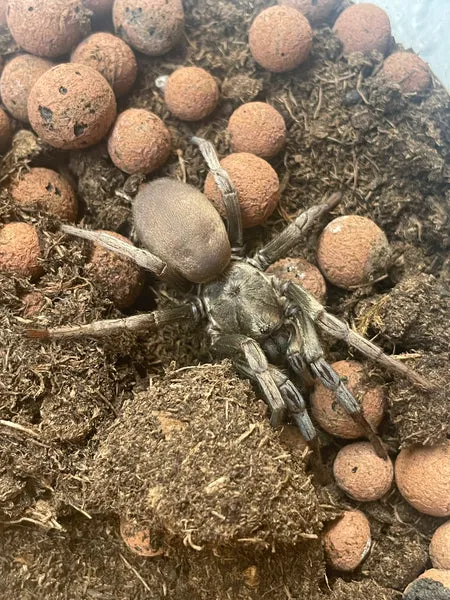
The ideal locations for observing Calisoga Longitarsus are areas matching their preferred habitats. Look for environments with loose soil, such as grasslands, woodlands, and disturbed areas with plenty of cover. Focus on areas where they can construct burrows easily. Inspecting the base of rocks, logs, and other debris is also helpful, as these provide shelter and potential hunting grounds. Since the species spends the majority of its time in burrows, look for the presence of silk webs or small holes. Careful observation in their known habitats will give you the best chance of spotting them quickly and successfully. Knowing their habitat helps in narrowing the search area.
Common Misconceptions
Calisoga Longitarsus and Human Interaction
It is vital to understand that the Calisoga Longitarsus is not aggressive and is rarely encountered by humans. They are more likely to flee than to attack. The spider’s venom is not considered medically significant to humans, which is another common misconception. While they might bite if provoked, the effects are typically mild, causing minimal harm. Therefore, the primary risk is in misidentification with a more dangerous species. Approaching them with respect is essential. Their natural behavior is to avoid confrontation with larger creatures. Understanding the species’ natural temperament can reduce any fears, allowing a more positive interaction.
Are They Dangerous

The Calisoga Longitarsus is not considered a dangerous spider to humans. Their venom is mild and is unlikely to cause significant health issues. Bites are rare and usually result from accidental encounters or deliberate provocation. Identifying the potential hazards is the first step to protecting yourself. Although not harmful, it’s always wise to observe these spiders from a distance and to refrain from handling them. Avoiding unnecessary contact and exercising caution will ensure a safe encounter. The focus should be on observation and appreciation rather than direct interaction. This careful approach allows for enjoyment and respect for these fascinating creatures.