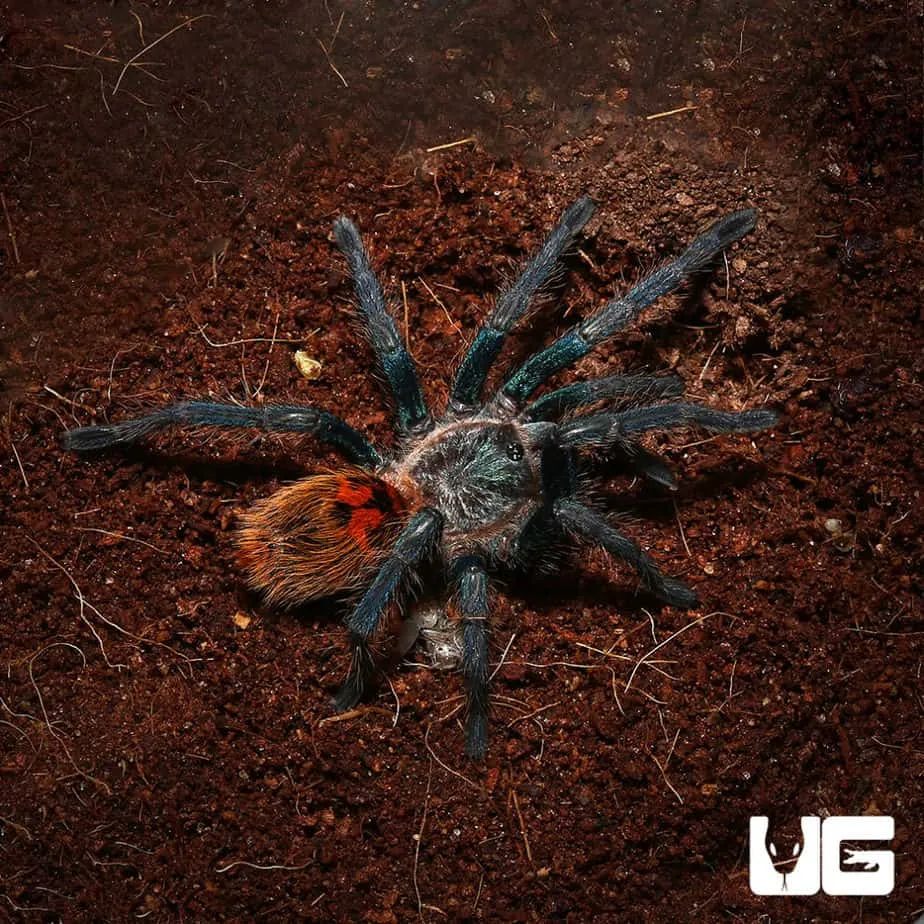
Green Bottle Tarantula Overview
The Green Bottle Tarantula (Chromatopelma cyaneopubescens) is a captivating spider species that has gained significant popularity among arachnid enthusiasts. Known for its vibrant coloration and intriguing behaviors, this tarantula offers a unique and rewarding experience for those interested in keeping exotic pets. Native to the coastal regions of northern Venezuela and parts of Trinidad, the Green Bottle Tarantula showcases a blend of beauty and fascinating traits that set it apart. Its striking appearance, combined with a manageable temperament compared to some other tarantula species, makes it a sought-after choice for both novice and experienced keepers. Understanding the basics of this species is the first step toward appreciating its charm and ensuring its well-being.
Appearance and Identification
As the name suggests, the Green Bottle Tarantula is immediately recognizable by its remarkable coloration. The carapace, or the upper shell of the cephalothorax, boasts a metallic, iridescent green hue that shimmers under various lighting conditions. The legs are typically a vibrant orange or reddish-orange, contrasting beautifully with the green carapace. The abdomen is usually a dark color, often with a pattern of lighter hairs. This combination of colors makes this tarantula a stunning specimen, often described as one of the most beautiful tarantulas in the world. The size of the Green Bottle Tarantula also contributes to its allure. Females can grow to a leg span of up to 6 inches, while males are typically slightly smaller. This size, coupled with their striking colors, makes them an impressive sight in any collection. Proper identification is crucial to ensure the correct care and environment is provided.
Habitat and Natural Range

In the wild, Green Bottle Tarantulas are native to the coastal dry forests of northern Venezuela and parts of Trinidad. Their natural habitat consists of arid and semi-arid environments, where they create elaborate webs. They are primarily arboreal, meaning they spend most of their time in trees and bushes. The spiders typically construct their webs among the branches, using them to ambush prey. They thrive in areas with moderate humidity and temperatures, and their lifestyle is well-adapted to the challenges of their environment. Understanding their natural habitat is essential for providing the best possible care in captivity. This includes recreating conditions like temperature gradients, appropriate humidity levels, and suitable enclosure designs that allow for web-building and arboreal behavior. Mimicking their natural environment will help in ensuring the tarantula’s health and happiness.
Top 5 Facts About Green Bottle Tarantulas
Fact 1 — Striking Colors
As mentioned earlier, the Green Bottle Tarantula is famous for its striking and vibrant colors. The metallic green carapace and the contrasting orange legs immediately catch the eye, making them one of the most visually appealing tarantulas available. The intensity of the colors can vary slightly depending on the tarantula’s age, sex, and overall health. These colors serve no particular purpose; they are just nature’s artwork on display. The coloration is a significant factor in their popularity among tarantula enthusiasts and is a key reason for their high demand in the pet trade. The beauty of this tarantula is definitely a major selling point, and the unique appearance makes it a conversation starter and a fascinating addition to any collection.
Fact 2 — Arboreal Lifestyle

Unlike many other tarantula species that are terrestrial or burrowing, the Green Bottle Tarantula is primarily arboreal. This means they prefer to live in trees, bushes, and other elevated structures. They are skilled climbers and build elaborate webs to create a home in the branches. In captivity, this arboreal nature needs to be considered when setting up their enclosure. The tank should be taller than it is wide, providing plenty of vertical space for climbing and web-building. Providing branches, cork bark, and other climbing structures will encourage natural behaviors and make the tarantula feel more secure. This lifestyle also influences their hunting strategies, as they often wait in their webs to ambush passing prey.
Fact 3 — Fast Growth
Green Bottle Tarantulas are known for their relatively fast growth rate compared to other tarantula species. They reach maturity more quickly, allowing keepers to observe them through their various life stages in a shorter timeframe. This rapid growth is an attractive feature for many enthusiasts, as it means you can witness their transformation from a small spiderling to a full-grown adult relatively quickly. The growth rate is influenced by factors such as feeding frequency, temperature, and overall care. Proper diet and a suitable environment are essential to support healthy and efficient growth. This fast growth also means they molt more frequently during the early stages of their lives, which is a fascinating process for any spider keeper.
Fact 4 — Venom Potency
The venom of the Green Bottle Tarantula, while not lethal to humans, is considered to be moderately potent. A bite from this tarantula can cause localized pain, muscle cramps, and swelling at the bite site. It’s similar to a bee sting, though individual reactions can vary. It is important to take safety precautions when handling the Green Bottle Tarantula. Avoid direct handling whenever possible, and use tools such as tongs and a long-handled enclosure brush to manage the spider safely. While bites are uncommon, being prepared and understanding the potential effects of a bite is essential for responsible tarantula ownership. Always wash the bite area with soap and water and seek medical attention if symptoms worsen or if an allergic reaction occurs.
Fact 5 — Lifespan

Green Bottle Tarantulas have a relatively long lifespan, making them a long-term commitment for any keeper. Females can live for 10 to 15 years or even longer under optimal care conditions, which is a significant amount of time for a pet. Males, on the other hand, typically have a shorter lifespan, usually living for around 3 to 5 years. This difference in lifespan is common in tarantula species. The longevity of the Green Bottle Tarantula makes it an excellent choice for those seeking a pet that will be a companion for many years. A well-maintained environment, appropriate feeding, and proper handling will all contribute to extending their lifespan and ensuring that they live healthy and fulfilling lives.
Green Bottle Tarantula Care Tips
Enclosure Setup
Setting up the right enclosure is crucial for the well-being of your Green Bottle Tarantula. Because they are arboreal, the enclosure should be taller than wide, providing ample vertical space for climbing and web-building. A 10-gallon tank or a similarly sized enclosure is usually sufficient for an adult. The enclosure should have good ventilation to prevent mold and maintain proper humidity levels. Provide a substrate that retains moisture, such as a mix of coco fiber and peat moss. Include climbing structures like cork bark, branches, or artificial plants. A shallow water dish should always be available for drinking. Maintaining a temperature between 75-85°F (24-29°C) and a humidity level of 60-70% is ideal for this species. Regularly cleaning the enclosure and removing any uneaten food will help maintain a healthy environment for your tarantula.
Feeding and Diet

Feeding your Green Bottle Tarantula is a straightforward process. These tarantulas are opportunistic feeders and will readily consume a variety of insects. Crickets, roaches, mealworms, and other commercially available insects make excellent food sources. The frequency of feeding depends on the tarantula’s age and size, as well as its metabolism. Spiderlings should be fed more often, about 2-3 times a week, while adults can be fed once a week or every other week. Overfeeding should be avoided, as it can lead to obesity and other health problems. Provide the insects with a gut-loading diet before feeding them to your tarantula to enhance the nutritional value. Always remove uneaten food after 24 hours to prevent the build-up of mold and potential harm to the tarantula. Monitoring the tarantula’s abdomen for signs of fullness is a good indicator of whether it has been fed adequately.
Handling and Safety
Handling a Green Bottle Tarantula should be done with extreme caution. While they are generally not aggressive, they can bite if they feel threatened or startled. Direct handling is generally discouraged due to the risk of bites and the potential stress it can cause the spider. When maintenance is needed, use long tongs or a soft brush to move the tarantula from the enclosure, if necessary. Always be aware of the tarantula’s position and behavior. If it appears agitated or defensive, leave it alone. Never put your hand directly into the enclosure. If a bite does occur, wash the area with soap and water and monitor for any adverse reactions. Keep in mind that the venom is not lethal but can cause localized pain and discomfort. Always prioritize your safety and the well-being of your Green Bottle Tarantula.
Common Health Issues
Like all pets, Green Bottle Tarantulas can be susceptible to certain health issues. Common problems include mites, fungal infections, and dehydration. Maintaining a clean and properly humidified environment is crucial for preventing these issues. Mites can infest the tarantula and its enclosure, so quarantine any new additions before introducing them to your established collection. Fungal infections are common in excessively humid or poorly ventilated enclosures. Dehydration can result from a lack of access to water, or a dry environment. Regular monitoring of your tarantula is necessary. Watch for behavioral changes, loss of appetite, or any unusual signs, such as the presence of pests or mold. Seeking advice from an experienced arachnid keeper or a veterinarian familiar with tarantulas is crucial if any health concerns arise. Proper care and preventative measures are the best way to maintain the health and longevity of your Green Bottle Tarantula.