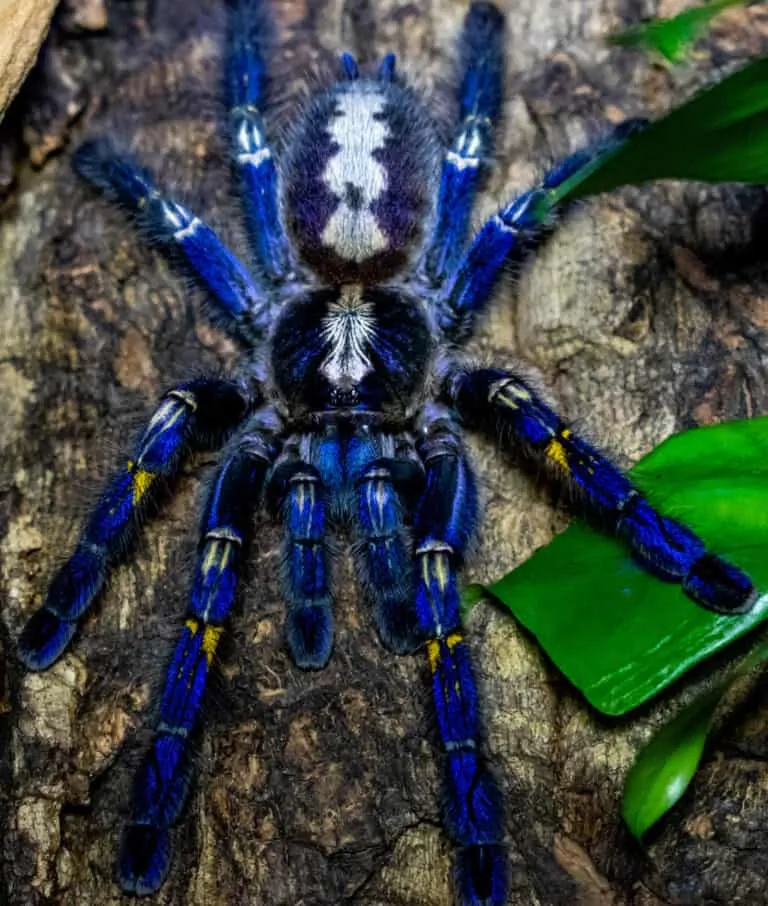
The Gooty Sapphire Tarantula (Poecilotheria metallica) is a stunning and highly sought-after species in the tarantula hobby. Its vibrant blue coloration and impressive size make it a captivating creature to observe. However, handling a Gooty Sapphire Tarantula requires a careful approach and understanding of its needs. This guide provides essential information and the top 7 tips for handling your Gooty Sapphire Tarantula safely and confidently, ensuring both your well-being and the tarantula’s.
Gooty Sapphire Tarantula Handling: Understanding the Basics
Before attempting to handle your Gooty Sapphire Tarantula, it’s crucial to understand its temperament and behavior. These tarantulas are known for their speed and skittishness, making them less ideal for frequent handling compared to some other species. While not inherently aggressive, they can deliver a painful bite if they feel threatened. Understanding their body language and recognizing signs of stress is paramount to a safe and positive handling experience.
Gooty Sapphire Tarantula Temperament and Behavior
Gooty Sapphires are arboreal tarantulas, meaning they are adapted to live in trees. This impacts their behavior, as they are typically more agile and faster than terrestrial species. They are also prone to fleeing if startled. They may display defensive postures such as raising their front legs, flicking urticating hairs (though less common in this species), or lunging in an attempt to ward off threats. They are not always the most docile and they are more often observed than handled. They are certainly not ‘beginner friendly’ tarantulas. Therefore, it is extremely important to take the time to observe the individual’s behaviour, this should dictate your approach to handling.
Identifying Signs of Stress

Recognizing stress in your Gooty Sapphire Tarantula is vital. Signs of stress include a defensive posture, rapid movement, or fleeing behavior. The tarantula may also flick its legs, indicating irritation. If your tarantula is exhibiting these signs, it is best to immediately cease any handling attempts and allow it to retreat to its enclosure. It’s also important to watch for other signs such as excessive grooming, loss of appetite, or hiding more than usual. Observing and acting on these signs is crucial for the tarantula’s welfare and for preventing potential defensive reactions.
Preparing for Handling
Proper preparation is key to a successful handling experience. This includes gathering the right equipment and setting up a safe environment to minimize stress for your tarantula. This pre-handling preparation ensures the safety of both you and your pet. Failing to prepare adequately can lead to a stressful situation for the tarantula and increase the likelihood of an unpleasant encounter. Careful setup also reduces the chance of escape, which can be very difficult for a tarantula, especially a fast one.
Essential Equipment for Handling
Before you begin handling, gather the following equipment. You will need a clear, escape-proof container (such as a deli cup or a small, secure enclosure) to move the tarantula into if needed. A soft brush, such as a paintbrush, can be used to gently guide the tarantula. Long, non-reflective tongs can be useful for moving the tarantula if absolutely necessary, but try to avoid this unless completely essential. Always ensure that any equipment you use is clean and free of any substances that could harm your tarantula. Also, keep a steady supply of your favorite tarantula treats in a safe place.
Setting Up the Handling Environment

Choose a location for handling that is free from distractions and potential hazards. A table or other flat surface, ideally close to the floor, is recommended. This will minimize the distance the tarantula could fall if it were to escape your grasp. Make sure the area is free from any small objects, pets, or other distractions that could startle the tarantula. Consider covering the surface with a soft material, like a towel, to cushion any accidental falls. Ensure all doors and windows are closed and other pets are secured before handling.
Handling Techniques 7 Key Tips
Handling a Gooty Sapphire Tarantula should be approached with caution and respect for the animal’s well-being. These top seven tips will help guide you in handling the tarantula safely, reducing stress for the tarantula, and ensuring a positive experience for both you and your pet.
Tip 1 Approach Slowly and Calmly
Approach the enclosure slowly and speak calmly. Avoid any sudden movements or loud noises that could startle the tarantula. Observe the tarantula’s behavior before proceeding. If it appears agitated or defensive, postpone the handling session. Patience and a calm demeanor are essential to a successful handling experience. Rushing or creating a stressful environment will likely result in the tarantula becoming defensive.
Tip 2 Use a Soft Brush for Guidance
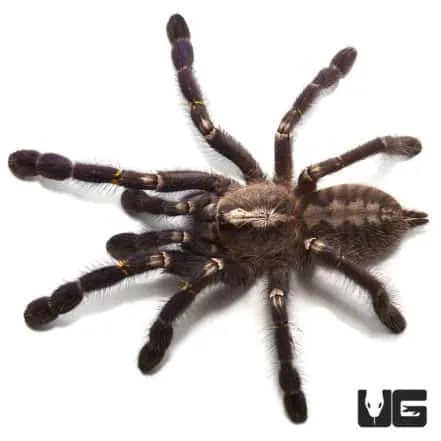
Use a soft brush, such as a paintbrush, to gently guide the tarantula. Never force the tarantula to move. Instead, gently encourage it to walk onto the brush or into the secure container. This method minimizes direct contact and reduces the risk of startling the tarantula. The brush provides a safe and familiar surface for the tarantula to grip and move on. Use the brush to direct the spider, rather than trying to herd it.
Tip 3 Encourage Movement to a Secure Container
The safest method is to gently encourage the tarantula to walk into a secure container. This allows you to move the tarantula without direct handling. Once inside the container, you can observe the tarantula or transport it to a different location. Make sure the container is escape-proof and has adequate ventilation. This method reduces stress and allows for greater control over the tarantula’s movement, especially beneficial if the tarantula is faster.
Tip 4 Never Grab or Restrain the Tarantula
Never attempt to grab or restrain the Gooty Sapphire Tarantula. This is a sure way to trigger a defensive reaction, such as a bite. Instead, allow the tarantula to move at its own pace. If it retreats, respect its boundaries and allow it to return to its enclosure. Forcing a tarantula to do anything will likely result in a negative experience and potential injury to you and the spider.
Tip 5 Handle Over a Soft Surface

Always handle your tarantula over a soft surface, such as a carpet or a padded surface. This will minimize the risk of injury if the tarantula were to fall. A fall from even a short distance can be fatal or cause serious damage. It is also far less stressful for the tarantula if it is not worried about its fall. Handling near the floor also means there is a shorter distance to fall.
Tip 6 Observe Body Language
Throughout the handling process, pay close attention to the tarantula’s body language. Defensive postures, such as raising its front legs or displaying fangs, are clear indicators that it is feeling threatened. If you observe these signs, immediately cease handling and allow the tarantula to retreat. The tarantula’s behavior is a direct indicator of its comfort level. Always act to keep the tarantula comfortable, and handling should be seen as a privilege for both of you.
Tip 7 Keep Handling Sessions Short
Keep handling sessions short and infrequent. Frequent handling can cause stress to the tarantula. Limit the time spent handling to a few minutes at a time, and only handle when necessary. Regular, lengthy handling is not required for Gooty Sapphire Tarantulas. Prioritize the tarantula’s well-being over your desire to handle it. If you want a pet you can handle more often, consider a different species.
Post-Handling Care

After a handling session, it is important to ensure that your tarantula returns safely to its enclosure and is monitored for any signs of stress or injury. Proper post-handling care can contribute to the overall health and happiness of your pet.
Returning the Tarantula to Its Enclosure
Gently return the tarantula to its enclosure. Place the secure container near the enclosure entrance and allow the tarantula to walk back in on its own. Avoid tipping or shaking the container. Once the tarantula is safely inside, carefully close the enclosure. Ensure the enclosure is secured properly to prevent escape.
Monitoring Your Tarantula After Handling
Monitor your tarantula for any signs of stress or injury after handling. Watch for changes in behavior, such as hiding more than usual, loss of appetite, or a defensive posture. Also, look for any physical injuries. If you notice anything unusual, consult with an experienced tarantula keeper or a veterinarian specializing in exotic pets. Remember, it’s better to observe your tarantula more and handle it less.
Handling Challenges and Troubleshooting

Even with careful preparation and the best intentions, challenges may arise when handling a Gooty Sapphire Tarantula. It is important to be prepared for these situations and know how to address them appropriately. This will ensure your safety and the well-being of your pet.
Dealing with Defensive Behavior
If your Gooty Sapphire Tarantula displays defensive behavior, such as raising its front legs, displaying fangs, or lunging, immediately stop handling. Allow the tarantula to retreat to its enclosure. Do not attempt to force it to move. Wait for the tarantula to calm down before attempting to interact with it again. If the tarantula continues to exhibit defensive behavior, it may be best to avoid handling altogether. Remember, the tarantula is an animal, and it can be unpredictable, regardless of experience.
Handling Molting Tarantulas
Never handle a Gooty Sapphire Tarantula that is in the process of molting or is about to molt. During this vulnerable period, the tarantula’s exoskeleton is soft and easily damaged. Any disturbance can be extremely stressful and potentially fatal. If you suspect your tarantula is about to molt, avoid any handling. Provide a stable environment with appropriate humidity and let the tarantula molt in peace. Handling during this process is dangerous for the tarantula.
In conclusion, handling a Gooty Sapphire Tarantula requires patience, respect, and a thorough understanding of its needs. By following these top 7 tips, you can minimize stress for your tarantula and ensure a safe and enjoyable experience. Always prioritize the tarantula’s well-being and remember that observation is often the best form of interaction. Enjoy the beauty and wonder of these amazing creatures from a safe distance.