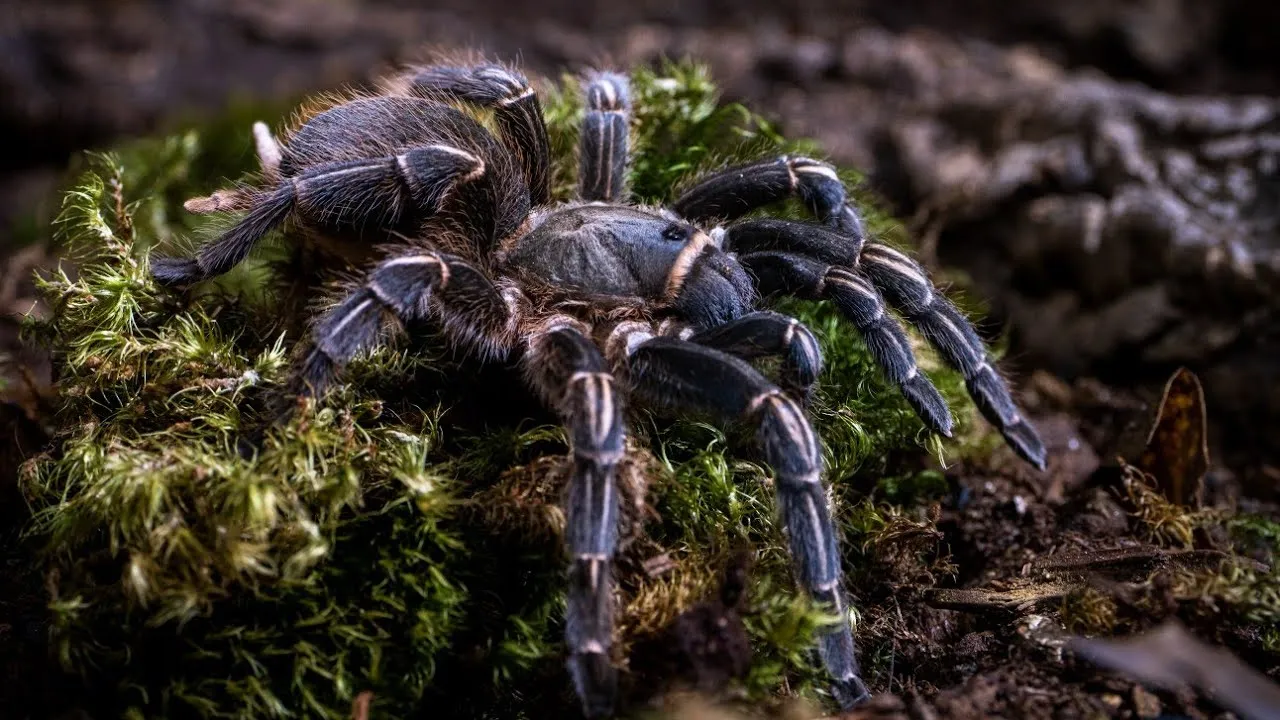
Costa Rican Stripe Knee Tarantula Overview
The Costa Rican Stripe Knee Tarantula (Aphonopelma seemanni) is a captivating species, popular among tarantula enthusiasts. Known for its striking black and white striped legs, this New World tarantula hails from the tropical dry forests of Costa Rica and other Central American countries. This comprehensive care sheet provides everything you need to know to successfully keep and care for this fascinating arachnid, ensuring its health and well-being in captivity. Understanding its natural environment is the first step in providing optimal care.
Origin and Habitat
In the wild, Costa Rican Stripe Knee Tarantulas are terrestrial spiders, meaning they live on the ground. They inhabit burrows and hideaways in the dry forests and grasslands of their native regions. These tarantulas are well-adapted to a climate with distinct wet and dry seasons, which influences their behavior and needs in captivity. Replicating these environmental conditions is key to their successful care. Careful observation of their natural habitat will help to understand their needs.
Appearance and Characteristics

The Costa Rican Stripe Knee Tarantula is easily recognizable by its distinctive black and white striped legs. The carapace is typically brown, and the abdomen is covered in hairs. As a medium-sized tarantula, adults can reach a leg span of up to 5-6 inches. Their coloration is a classic example of aposematism, warning potential predators of their defensive hairs. They are generally docile, but can kick urticating hairs as a defense mechanism if threatened. It is essential to be aware of this behavior when handling.
Creating the Perfect Enclosure
Setting up the right enclosure is critical for the health and happiness of your Costa Rican Stripe Knee Tarantula. A well-designed habitat replicates its natural environment, providing shelter, security, and the necessary conditions for survival. The size, substrate, furnishings, and environmental controls all play a significant role in their overall well-being. A proper enclosure reduces stress and promotes natural behaviors.
Choosing the Right Tank
For a juvenile tarantula, a small, secure enclosure like a clear plastic container with ventilation holes is ideal. As the tarantula grows, you’ll need to upgrade to a larger terrarium. A 10-gallon tank is suitable for an adult. Ensure the enclosure has a secure lid to prevent escapes and proper ventilation to maintain air quality and prevent mold growth. The enclosure should be escape-proof to prevent any accidental releases into your home.
Substrate Selection

The substrate should be deep enough for the tarantula to burrow, providing both security and a natural environment. A mixture of coco fiber, peat moss, and a small amount of vermiculite works well. This combination retains moisture, allows for burrowing, and helps maintain humidity levels. Avoid substrates with sharp edges or harmful chemicals. The substrate should be at least 4-6 inches deep for adults. Regular spot cleaning is essential to maintain the substrate’s quality.
Essential Furnishings
Provide several essential furnishings. A hide, such as a piece of cork bark or a half-log, offers a secure retreat where the tarantula can feel safe. A shallow water dish is crucial for hydration; it should be easily accessible and shallow enough to prevent accidental drowning. You can add a few fake plants or decorations for aesthetic appeal and to provide additional hiding spots. Ensure all decorations are nontoxic and do not have sharp edges.
Temperature and Humidity
Costa Rican Stripe Knee Tarantulas thrive in temperatures between 75-85°F (24-29°C). You can use a heat mat on the side of the enclosure to maintain this temperature range. Humidity levels should be kept between 60-70%. Regular misting of the enclosure with dechlorinated water, especially during the drier seasons, can help achieve this. Use a hygrometer to monitor humidity levels, and adjust misting frequency as needed. Avoid placing the enclosure in direct sunlight, which can overheat it.
Feeding Your Tarantula

Proper nutrition is essential for your tarantula’s growth, health, and longevity. Knowing what to feed, how often, and how to provide water will keep your tarantula thriving. The diet of a Costa Rican Stripe Knee Tarantula should closely match what they would eat in the wild. A balanced diet is key to their development and overall well-being. Careful monitoring of their feeding habits is also essential.
Diet and Feeding Frequency
The primary diet of a Costa Rican Stripe Knee Tarantula consists of live insects. Good choices include crickets, mealworms, and roaches. The size of the prey should be appropriate for the size of the tarantula; the insect should be no larger than the tarantula’s body. Feed juveniles 2-3 times a week, and adults once a week or every other week. Remove any uneaten prey within 24 hours to prevent stress and potential harm to the tarantula. Always dust feeder insects with a calcium and vitamin supplement.
Water and Hydration
Provide fresh water at all times in a shallow dish. Ensure the dish is easily accessible and not too deep to prevent drowning. Refill the water dish regularly and clean it to prevent bacterial growth. Misting the enclosure periodically can also provide additional hydration. Observe your tarantula to make sure it is drinking and staying hydrated. Dechlorinated water is essential to avoid potential health problems.
Molting and Growth

Molting is a natural process in which tarantulas shed their exoskeleton to grow. Understanding this process and how to support your tarantula during this time is crucial for its health. Molting is a sign of a healthy tarantula. Recognizing the signs and providing the right care during this time is essential to prevent any issues. The frequency of molting changes as they age.
Understanding the Molting Process
Before molting, your tarantula may become less active, refuse food, and may appear to be in a pre-molt state. It might also create a web mat or web itself. The tarantula will typically lay on its back during the molting process. This is a vulnerable time, and it’s essential to avoid disturbing the tarantula. Molting can take several hours. After molting, the tarantula’s new exoskeleton will be soft and vulnerable.
Caring for Your Tarantula During Molt
Avoid handling or disturbing your tarantula during the molting process. Ensure the humidity levels are appropriate. After molting, do not feed the tarantula for several days to allow the new exoskeleton to harden. Offer food after a week, starting with small prey items. Keep a close eye on the tarantula for any signs of problems, such as difficulty molting.
Handling and Safety

While Costa Rican Stripe Knee Tarantulas are generally docile, it’s crucial to handle them with caution and respect. Understanding their defensive behaviors and potential hazards is vital for both your safety and the well-being of your pet. Always prioritize your safety first when interacting with a tarantula. Minimize unnecessary handling to reduce stress.
Safe Handling Practices
Avoid handling your tarantula unless absolutely necessary. If you need to handle it, do so close to the ground or a soft surface. Always be gentle and never try to grab or startle the tarantula. Tarantulas can kick urticating hairs as a defense mechanism, which can cause skin irritation. Wash your hands thoroughly after handling the tarantula or any items in its enclosure. Use a soft brush to remove any hairs that may have come in contact with you. Always be aware of the tarantula’s movements.
Identifying Potential Health Issues
Regularly inspect your tarantula for any signs of illness or distress. Knowing what to look for can help you address problems early on. Early detection and intervention can make a huge difference in the tarantula’s health. Watch out for any behavioral changes that could signal illness.
Common Health Problems

Some common health issues include mites, fungal infections, and injuries. Mites can be identified as tiny, moving spots on the tarantula. Fungal infections can result from improper humidity levels. Injuries can occur if the tarantula falls or is mishandled. If you notice any of these issues, consult with a veterinarian or experienced tarantula keeper for advice.
Preventative Measures
Preventative measures include maintaining proper enclosure conditions, providing a balanced diet, and avoiding unnecessary handling. Clean the enclosure regularly to prevent the buildup of bacteria or fungi. Quarantine new tarantulas to prevent the spread of diseases. Provide a clean and stress-free environment. Always use clean tools when working in the enclosure.
Breeding Costa Rican Stripe Knee Tarantulas
Breeding Costa Rican Stripe Knee Tarantulas in captivity can be a rewarding experience for experienced keepers. However, it requires a good understanding of their behavior and specific needs. The process involves sexing, pairing, and providing the correct conditions for mating and egg sac production. Understanding the breeding process is important before you start. It is essential to be prepared for the commitment.
Identifying Sex
The sex of a tarantula can be determined by examining the exuvium (molted skin) or the tarantula itself. Look for the presence of spermathecae (in females) on the underside of the exuvium. Males have a small hook on their front legs, called tibial hooks. The spermathecae are a small pocket-like structure used for storing sperm. The tibial hooks are used to hold the female’s fangs during mating.
Mating and Egg Sac Care
Once you’ve identified the sexes, you can introduce a mature female to a mature male. Supervise the process carefully. The male will typically approach the female and begin courtship. After mating, the female will produce an egg sac, which she will protect. Remove the egg sac after a suitable time to incubate it yourself. The eggs typically hatch into spiderlings after several weeks. Raise the spiderlings separately and provide small prey items. This process can be complex, and you should research it further before attempting to breed your tarantulas.
Conclusion
Caring for a Costa Rican Stripe Knee Tarantula can be a fulfilling experience. By following this care sheet, you can provide your tarantula with the best possible environment and care, ensuring a long and healthy life. Remember to research thoroughly, observe your tarantula closely, and always prioritize its well-being. With the right care, you can enjoy the fascinating world of these incredible creatures. Always be prepared to learn and adapt your care practices based on your tarantula’s needs. Responsible pet ownership is key to their longevity.