Cobalt Blue Tarantula Po Polsku Top 5 Facts
The Cobalt Blue Tarantula, often referred to by its scientific name Cyriopagopus lividus, is a stunning and captivating arachnid that has gained popularity among tarantula enthusiasts. Its striking metallic blue coloration is a sight to behold, making it a prized possession for many. This article delves into the top 5 facts about the Cobalt Blue Tarantula Po Polsku, exploring its fascinating characteristics, care requirements, and more. Understanding these facts will help you appreciate this amazing creature and, if you’re considering acquiring one, provide essential insights into responsible ownership. This guide is designed to answer the most common questions and offer a comprehensive overview of this exotic pet, ensuring you have all the information needed to make informed decisions about its care and well-being.
What is a Cobalt Blue Tarantula Po Polsku?
The term “Po Polsku” translates to “In Polish”. Therefore, Cobalt Blue Tarantula Po Polsku is just a phrase used by Polish speakers for Cobalt Blue Tarantula. The Cobalt Blue Tarantula is a species of tarantula native to Myanmar and Thailand. Known for their vivid metallic blue legs and carapace, these spiders are a captivating species in the tarantula world. They are terrestrial spiders, meaning they primarily live on the ground, and they are known for their relatively fast growth rate compared to other tarantula species. While they are appreciated for their beauty, potential owners should be aware of their temperament and specific care requirements to ensure a healthy and comfortable environment for the tarantula.
Origin and Habitat

Cobalt Blue Tarantulas hail from the tropical rainforests of Myanmar and Thailand. Their natural habitat is characterized by high humidity, warm temperatures, and dense vegetation. These tarantulas typically burrow in the ground or find shelter in existing crevices, making their homes in the dark and humid environments of the forest floor. In captivity, replicating these environmental conditions is crucial for their well-being. This means providing a proper substrate that retains moisture, maintaining an appropriate temperature range, and ensuring adequate humidity levels. Understanding their origin allows keepers to create an optimal living space that mimics their natural habitat. The ideal enclosure should offer hiding places and a stable environment to minimize stress and encourage natural behaviors. The habitat of the cobalt blue tarantula is a critical element in their care.
Understanding the Natural Environment
In the wild, Cobalt Blue Tarantulas thrive in the undergrowth of tropical forests. They benefit from the cover provided by fallen leaves, rocks, and the roots of trees. The humidity in these environments is consistently high, and the temperature remains relatively stable. These spiders are ambush predators, waiting patiently for prey to come within reach. They are well-adapted to the challenges of their environment, including fluctuating food availability and the presence of other predators. The natural habitat provides all of the conditions they need to thrive, this information is used to help keep them healthy in a captive environment. Proper knowledge of their origin and habitat is essential for effective tarantula care.
Physical Characteristics
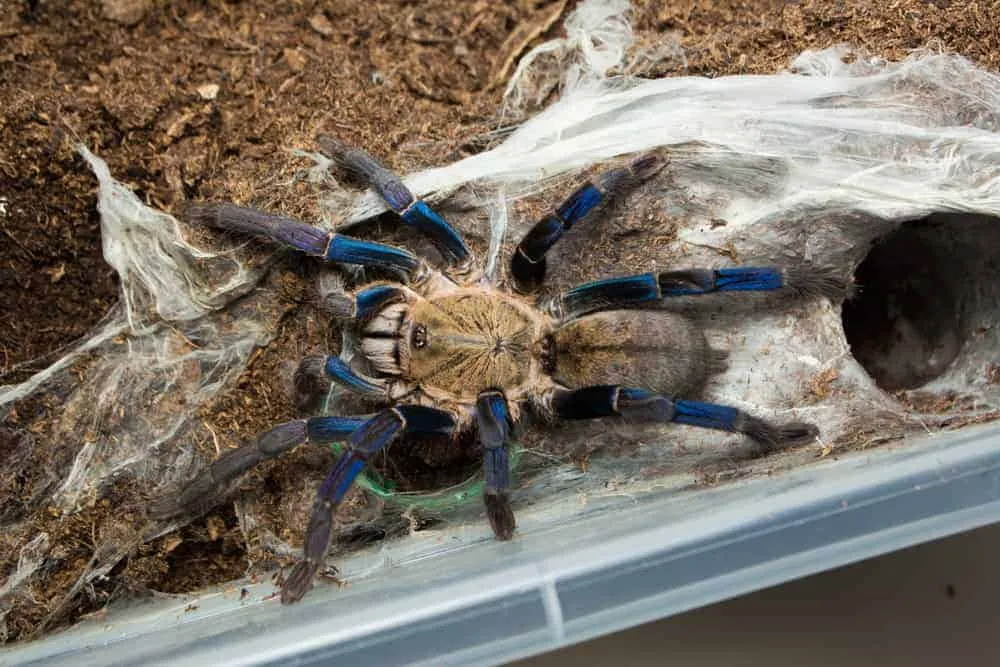
The Cobalt Blue Tarantula is immediately recognizable due to its striking coloration and robust build. They have a generally dark body, with the most notable feature being the vibrant metallic blue legs and sometimes the carapace, which create a stunning contrast. The females tend to be larger than the males, with the females reaching up to 6 inches in leg span. Their bodies are covered with fine hairs, which play a role in their sensory perception and defense. These spiders have eight eyes, though their vision is not very sharp, relying more on vibrations and other sensory inputs. The pedipalps, located near the mouth, are used for manipulating food and sensing their surroundings. These physical characteristics make the Cobalt Blue Tarantula one of the most visually appealing tarantula species.
Coloration

The cobalt blue coloration is arguably the most captivating aspect of this species. The vibrant blue hue is not a pigment, but a structural color, created by the way light interacts with the microscopic structures on their exoskeletons. This iridescent effect is most pronounced on the legs and carapace, though some individuals may exhibit blue coloration on other body parts. The intensity of the blue can vary slightly depending on the individual spider, its molt cycle, and environmental conditions. The metallic sheen adds to their striking appearance. As the tarantula grows, the coloration remains, making them a fascinating pet to observe. The unique color sets them apart from many other tarantula species.
Size and Lifespan
Female Cobalt Blue Tarantulas typically reach a leg span of up to 6 inches, while males tend to be slightly smaller. The females have a longer lifespan, living up to 12 years or more in captivity, making them a long-term commitment for pet owners. Male Cobalt Blues, on the other hand, have a significantly shorter lifespan, often only living for a few years after reaching maturity. Their size, combined with the female’s longevity, makes them a rewarding pet for those who enjoy observing their pet over an extended period. The growth rate of the Cobalt Blue Tarantula is moderately fast compared to other tarantula species, with molting occurring regularly during their younger years. The size and lifespan are key factors to consider before acquiring one.
Behavior and Temperament
Cobalt Blue Tarantulas are known for their defensive nature. They are typically not recommended for novice tarantula keepers due to their skittish behavior and potential for aggression. When threatened, they may exhibit several defensive behaviors, including raising their front legs, showing their fangs, and flicking urticating hairs, which can cause skin irritation. They are also quite fast, capable of darting away if they feel threatened. Despite their temperament, with proper handling and careful observation, they can be managed by experienced keepers. They are fascinating to observe when provided with a secure and suitable environment that reduces stress. It is important to understand that Cobalt Blue Tarantulas are not typically handleable pets and should be observed, rather than interacted with.
Defensive Behaviors

The primary defensive mechanisms of the Cobalt Blue Tarantula include threat postures, biting, and the release of urticating hairs. When feeling threatened, they will often rear up, showing their fangs and raising their front legs. This display is meant to deter potential predators. If the threat persists, they may bite, injecting venom that is not lethal to humans but can cause localized pain and discomfort. The release of urticating hairs is a defense strategy where the tarantula flicks tiny hairs from its abdomen towards a perceived threat. These hairs cause skin irritation, making them another effective deterrent. Awareness of these defensive behaviors is critical for responsible handling and care.
Diet and Feeding Habits
Cobalt Blue Tarantulas are carnivorous and primarily feed on insects. In captivity, they can be fed a diet of crickets, mealworms, roaches, and other commercially available feeder insects. The frequency of feeding depends on the spider’s age and size, with younger tarantulas needing to be fed more often than adults. It’s important to remove any uneaten food within 24 hours to prevent mold growth and maintain a clean enclosure. Water should be provided at all times, typically in a shallow dish. Observing the tarantula’s feeding behavior is a good way to assess its health and well-being. A healthy Cobalt Blue will readily eat and show no signs of lethargy or disinterest in food. Careful attention to feeding habits is essential for the tarantula’s growth.
Enclosure Requirements
Setting up the right enclosure is crucial for the Cobalt Blue Tarantula. A secure glass or plastic terrarium is necessary, providing adequate ventilation and preventing escape. The size of the enclosure should be appropriate for the tarantula’s size, with a larger enclosure needed as it grows. The substrate should be several inches deep, providing a comfortable place to burrow and retain humidity. Coconut fiber or a mix of peat moss and vermiculite are good substrate options. Hiding places, such as cork bark or artificial plants, are essential for reducing stress and providing a sense of security. The enclosure should be kept clean, with regular spot cleaning to remove any waste or uneaten food. With the right enclosure, the Cobalt Blue Tarantula can thrive in captivity.
Temperature and Humidity

Maintaining the proper temperature and humidity levels is vital for a Cobalt Blue Tarantula’s health. The ideal temperature range is between 75°F to 85°F (24°C to 29°C). A heat mat or ceramic heat emitter can be used to maintain this temperature, but it is important to avoid direct contact with the enclosure. Humidity levels should be kept around 70-80% by misting the enclosure regularly and providing a water dish. The use of a hygrometer is useful to monitor the humidity levels. Proper temperature and humidity ensure that the tarantula can molt successfully, stay hydrated, and remain healthy. Proper control of the environment is essential.
Substrate and Decor
The substrate is essential for the tarantula’s comfort and well-being. It should be deep enough to allow the tarantula to burrow and provide a suitable medium for maintaining humidity. Coconut fiber is a popular choice because it retains moisture well and is readily available. Peat moss and vermiculite can also be used, either on their own or mixed with other substrates. The decor should include hiding places, such as cork bark or artificial plants, to provide security and reduce stress. Make sure any decor is free from sharp edges or potential hazards. Providing a natural-looking environment that mimics their natural habitat will enhance the tarantula’s quality of life. Proper substrate and decor promote a healthy environment.
Handling and Safety
Handling a Cobalt Blue Tarantula is generally not recommended, particularly for novice keepers. They are quick, skittish, and can bite if they feel threatened. If handling is necessary (e.g., for enclosure maintenance), it should be done with extreme caution and care. It is crucial to always be aware of the tarantula’s movements and body language. Never try to force the tarantula to do anything or handle it when it is stressed. If bitten, clean the area thoroughly and monitor for any signs of allergic reaction or infection. To minimize the risk of bites, it’s best to keep handling to a minimum. Using tools to manage the enclosure and minimizing direct contact is advisable. Understanding the risks associated with these spiders is a must.
Venom Toxicity

Cobalt Blue Tarantulas possess venom, though it is not considered life-threatening to humans. The effects of a bite can vary depending on the individual and the amount of venom injected, but typically result in localized pain, redness, and swelling. The symptoms are similar to a bee sting, and usually subside within a few hours or days. While not deadly, it is important to be cautious. Anyone bitten by a tarantula should clean the affected area with soap and water, and monitor for any signs of infection or allergic reaction. Medical attention should be sought if the symptoms worsen. The effects of the venom should be understood for proper safety.
Availability and Cost
Cobalt Blue Tarantulas are available for purchase from reputable breeders and pet stores specializing in exotic pets. The cost of a Cobalt Blue Tarantula can vary depending on the size, age, and the seller. Due to their popularity and the limited availability, they can be moderately expensive compared to other tarantula species. When purchasing, it’s important to ensure the tarantula is healthy, properly sexed (if possible), and comes from a reliable source. Buying from a reputable breeder ensures that the spider has been properly cared for. The price of the tarantula is dependent on these factors, be sure to take this into consideration before purchasing one.
Where to Buy
Cobalt Blue Tarantulas are typically purchased from specialized reptile and exotic pet stores or directly from breeders. Online marketplaces and reptile shows are also common places to find them. When looking for a Cobalt Blue Tarantula, it’s crucial to choose a reputable seller who can provide information on the spider’s origin, care requirements, and health. Look for sellers who can answer your questions and offer support after the sale. Be wary of purchasing from sources that do not provide clear information or appear to be selling unhealthy specimens. Research the seller’s reputation and read reviews. Choosing a reliable source can make sure the spider has a healthy start. It also provides access to proper care and support.
Cost of a Cobalt Blue Tarantula

The cost of a Cobalt Blue Tarantula typically ranges from $75 to $200 or more, depending on its size, age, and the breeder. Spiderlings (young spiders) are generally less expensive than adult females. The overall cost will also include the initial setup, including the enclosure, substrate, decor, and necessary equipment. Ongoing expenses include food, water, and substrate replacement. Before acquiring a Cobalt Blue Tarantula, budget for both the initial cost of the spider and the ongoing care. Ensuring adequate funds is key to providing the best care for the tarantula and maintaining a suitable environment. Plan the financial aspects of tarantula ownership.
Responsible Ownership
Responsible ownership of a Cobalt Blue Tarantula involves understanding its specific needs, providing proper care, and ensuring its well-being. This includes maintaining a suitable environment, providing a proper diet, and minimizing stress. It also involves being aware of their temperament and handling them cautiously. Owners must educate themselves on the tarantula’s care requirements. Make sure to commit to the care needed to provide a good life. By following these guidelines, owners can provide a safe and comfortable environment for their tarantula.
Do Cobalt Blue Tarantulas Po Polsku Make Good Pets?
Whether or not Cobalt Blue Tarantulas make good pets is subjective and depends on the individual. They are undeniably beautiful and fascinating creatures to observe, but they are not typically handleable and can be defensive. They require specific environmental conditions and care, making them a more demanding pet than some other tarantula species. For experienced keepers who appreciate observing these animals from a distance and are prepared to meet their specialized needs, Cobalt Blue Tarantulas can be rewarding pets. They are an excellent choice for those who are committed to providing them with the best care and can appreciate their beauty and unique characteristics. They are not recommended for beginners.