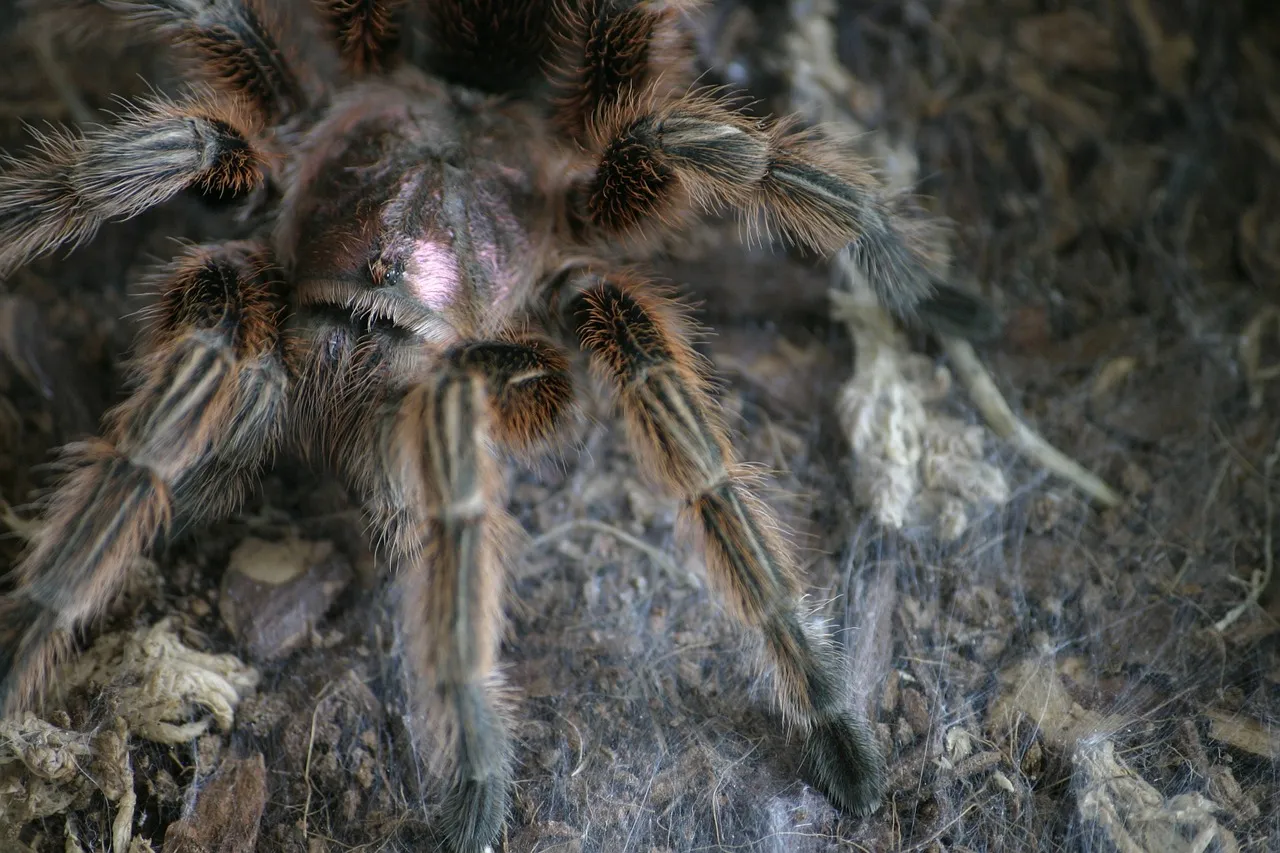
The Chilean Rose Tarantula Life Cycle
The Chilean Rose Tarantula, scientifically known as Grammostola rosea, is a popular pet tarantula known for its docile temperament and relatively easy care. Understanding its life cycle is crucial for providing the best possible care, ensuring its health and longevity. Unlike many insects, tarantulas don’t undergo complete metamorphosis; instead, they grow by molting their exoskeleton. This process is fundamental to their life cycle, allowing them to grow and regenerate lost limbs. The life cycle is a fascinating journey from a tiny egg sac to a mature adult, each stage presenting unique characteristics and needs. Knowing these stages will help you appreciate the intricate biology of this fascinating creature and provide the best care possible.
Egg Sac Stage
The life cycle begins with the egg sac, produced by a mature female tarantula. After mating, the female will create a silken egg sac to protect her eggs. The number of eggs can vary, typically ranging from a few hundred to over a thousand, depending on the female’s size and age. The egg sac is carefully guarded by the female, who diligently turns and protects it until the eggs hatch. The incubation period can last several weeks to a few months, contingent on environmental factors such as temperature and humidity. During this period, the eggs develop within the protective silk, preparing for the next stage. The egg sac stage is a vulnerable period, and the female’s care is critical for the survival of the developing spiderlings.
Spiderlings

Once the eggs hatch, the spiderlings emerge. These miniature tarantulas are essentially perfect replicas of the adults, albeit much smaller. Initially, the spiderlings remain within the egg sac for a short period, absorbing nutrients from the remnants of their yolk sacs. When they are ready, the spiderlings will disperse from the egg sac, ready to start their independent lives. At this stage, they are very small and vulnerable, requiring a safe environment with appropriate humidity and a readily available food source, such as flightless fruit flies or pinhead crickets. Spiderlings grow rapidly, molting frequently as they increase in size. This stage is crucial for their survival and development. Careful attention to their environment and feeding schedule is essential for healthy growth.
First Molt
The first molt is a significant milestone in the life cycle. It’s the process by which the spiderlings shed their old exoskeleton to allow for growth. Before molting, the spiderlings will typically stop eating and become less active. They may also create a silken mat where they will lie on their backs to molt. The actual molting process is a delicate and vulnerable time for the spiderling. Once the new exoskeleton hardens, the tarantula’s size increases, and it can continue growing. During this time, it’s crucial not to disturb the tarantula as it is very vulnerable. Maintaining proper humidity and temperature is essential to ensure a successful molt. The first molt is a sign of healthy development and signals the spiderling’s transition toward the juvenile phase.
Juvenile Stage
During the juvenile stage, the tarantula continues to molt and grow at a rapid pace. The frequency of molting decreases as they get older, but the tarantula still requires a spacious enclosure and regular feeding. Juvenile tarantulas become more independent during this period. They start to develop the distinct characteristics of their species. Their coloration becomes more vibrant, and their behaviors begin to reflect the adult tarantula. This is an exciting time to observe the spider’s development. Providing a varied diet and maintaining appropriate temperature and humidity levels are important. At this stage, the tarantula becomes increasingly resilient and robust, preparing for adulthood. Their growth rate slows as they approach maturity, and the molting frequency decreases further.
Adult Stage

The adult stage marks the end of the growth phase and the beginning of the reproductive phase for mature tarantulas. Adult males will eventually stop molting, while females continue to molt, though much less frequently, throughout their lives. In captivity, adult females can live for many years, often exceeding 20 years. Adult tarantulas require a well-maintained enclosure, a balanced diet, and a stable environment. Breeding the Chilean Rose Tarantula can be a rewarding experience, although it requires knowledge of the species’ mating behaviors. The adult stage is the culmination of the life cycle, and the tarantula’s care should be focused on maintaining its health and well-being. At this stage, their primary focus is on reproduction, which ensures the continuation of their species. They should be housed individually (unless breeding), to avoid competition for resources or cannibalism.