What Tarantulas Eat in the Wild
Tarantulas, with their impressive size and imposing fangs, are fascinating creatures. In the wild, their diet is a crucial aspect of their survival and behavior. Understanding what tarantulas naturally consume provides insights into their predatory instincts and the ecological roles they play. Their diet largely depends on their environment and the availability of prey. Different species of tarantulas have varying preferences and hunting techniques, but they are primarily opportunistic hunters, meaning they will eat whatever they can catch and overpower. This adaptability is a key factor in their success in diverse habitats around the world. They play an important role in controlling insect populations, which is one of the reasons they are so vital to the ecosystems where they live.
Common Tarantula Prey
The diet of a tarantula is incredibly diverse, but certain food groups consistently make up the bulk of their meals. Tarantulas are primarily insectivores, with insects being their most common prey. However, their diet can extend to other invertebrates and, in some cases, even small vertebrates. The size of the tarantula and the availability of prey in its environment greatly influence its dietary choices. A well-fed tarantula is a healthy tarantula, and understanding these dietary habits is important for the well-being of pet tarantulas and for conservation efforts.
Insects

Insects form the cornerstone of a tarantula’s diet, with crickets, mealworms, and roaches being popular choices. These insects are relatively easy to catch and provide the necessary nutrients for tarantula growth and development. The size of the insects offered should be proportional to the size of the tarantula, ensuring that the spider can handle and consume its prey without difficulty. Proper feeding practices, including the use of gut-loaded insects, can significantly improve the nutritional value of the tarantula’s diet. Regular feeding with a variety of insects also helps to satisfy the tarantula’s natural hunting instincts, which is critical for their overall well-being and the maintenance of their behavioral patterns.
Other Arthropods
Besides insects, tarantulas will also consume other arthropods, such as spiders, centipedes, and millipedes, when available. These creatures provide additional protein and variety to their diet. The presence of these alternative food sources is particularly important in the wild, where tarantulas must adapt to seasonal changes and fluctuations in prey populations. Feeding pet tarantulas with a mix of different arthropods can also help replicate the diversity found in their natural habitats, promoting a healthier and more balanced diet. This also satisfies the tarantula’s predatory drive and contributes to its overall behavioral enrichment.
Small Vertebrates
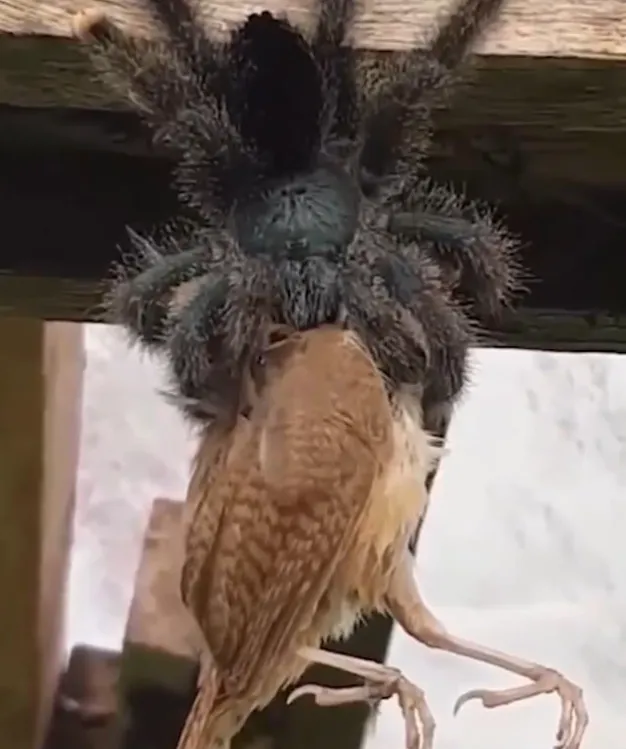
In certain circumstances, particularly when they are large or in environments with limited insect availability, tarantulas have been known to prey on small vertebrates. This can include lizards, small snakes, and occasionally, mice. The ability to consume vertebrates demonstrates the tarantula’s adaptability and predatory prowess. However, feeding vertebrates to pet tarantulas is a controversial topic, as it raises concerns about nutritional balance, potential health risks, and the ethical considerations of feeding live animals. The practice is less common than feeding insects, and it should be approached with caution and careful consideration.
Can Tarantulas Eat Mice?

The question of whether tarantulas can eat mice is complex. While it is certainly possible for tarantulas to consume mice under the right circumstances, it is not a common occurrence in their natural diet. Several factors, including the tarantula’s size, the size of the mouse, and the species of tarantula, play a crucial role in determining whether a tarantula can successfully hunt and consume a mouse. When tarantulas do consume mice, it is a dramatic event, requiring significant effort and posing certain risks. It is very important to consider all of these aspects before deciding to feed a mouse to a tarantula.
The Size Factor
The size of both the tarantula and the mouse is a critical determinant. A large, mature tarantula, such as a Goliath Birdeater, may be capable of overpowering and consuming a small mouse. However, smaller tarantula species, or even juveniles of larger species, would be unable to manage a mouse. The tarantula must be able to effectively subdue the mouse, which requires sufficient strength, venom, and fangs. Furthermore, the tarantula needs to be able to ingest the mouse, which depends on its ability to break down the mouse’s body. The size ratio between the tarantula and the mouse is very important. If the mouse is too big, the tarantula will not be able to effectively hunt the mouse.
Tarantula Species
Different species of tarantulas exhibit varying predatory behaviors and preferences. Some of the larger, more aggressive species, like the Goliath Birdeater (Theraphosa blondi), are more likely to attempt to take down a mouse. These tarantulas have powerful venom and large fangs, making them better equipped for the task. However, many smaller species may be intimidated by a mouse, or simply lack the physical capabilities to handle such prey. It’s crucial to research the specific needs of your tarantula species before considering feeding it a mouse. You must also understand its natural habitat and behavior, as this will inform your decision and feeding plan.
Mouse Size

Even for large tarantulas, the size of the mouse is important. A very small, juvenile mouse would be more manageable than a full-grown adult. Ideally, if you were to feed a mouse to a tarantula, it should be a pinkie mouse. This is a newborn mouse, typically hairless and small enough for the tarantula to handle. Adult mice are generally too large and can pose a danger to the tarantula. The mouse should be no bigger than the tarantula’s body. If the mouse is too big, it could potentially injure the tarantula. Be sure to consider the size of your tarantula before feeding a mouse to it.
The Process of Eating a Mouse
If a tarantula decides to consume a mouse, the process is a remarkable display of predatory behavior. It’s a series of steps that the tarantula must perform to successfully catch, subdue, and digest its prey. Tarantulas have evolved unique hunting strategies, which allow them to efficiently capture and consume their prey. The process highlights the tarantula’s physical adaptations and its venom’s critical role in incapacitating the mouse. This process requires a complex interplay of instinct, physical prowess, and specialized biological mechanisms.
Catching the Mouse
The tarantula’s first task is to catch the mouse. This often begins with an ambush. Tarantulas are not known for actively chasing their prey over long distances. Instead, they will often wait patiently for the mouse to come within striking range. The tarantula will then use its powerful legs to pounce on the mouse, delivering a bite with its fangs. The speed and precision of the attack are essential for success, preventing the mouse from escaping. The tarantula needs to catch the mouse quickly, since the mouse can be a threat if it is not handled correctly.
Subduing the Mouse

Once the tarantula has bitten the mouse, the next step is to subdue it. Tarantulas possess venom that helps to immobilize and kill their prey. The venom contains neurotoxins and digestive enzymes that quickly incapacitate the mouse. The tarantula will hold onto the mouse, allowing the venom to take effect. The strength and potency of the venom are crucial in this stage, as they determine how quickly the mouse is subdued and how effectively the tarantula can begin the digestion process. The process must be fast, as the mouse could cause harm to the tarantula during this stage.
Digestion
After subduing the mouse, the tarantula begins the digestive process. Tarantulas do not have teeth; they digest their food externally. The tarantula will inject digestive enzymes into the mouse’s body. These enzymes break down the tissues and organs into a liquid form, which the tarantula can then suck up. The digestion process can take several days, during which the tarantula will remain in close proximity to its meal. The tarantula will then leave behind the undigested remains, such as fur and bones. This digestive method is typical of spiders and is incredibly efficient, allowing them to extract maximum nutrients from their prey.
Risks & Benefits of Feeding Mice
Feeding mice to tarantulas is a topic with both potential benefits and significant risks. While mice can provide a different nutritional profile than insects, it is very important to consider the potential hazards before making this decision. Weighing the advantages and disadvantages is essential for ensuring the health and well-being of the tarantula. Always prioritize your tarantula’s safety and nutritional needs when considering its diet.
Nutritional Value

Mice can offer a higher fat and protein content compared to some insects, which may be beneficial for tarantulas under certain circumstances. They provide a different set of nutrients, which can contribute to a balanced diet. For species that are prone to getting too thin, or for tarantulas that are breeding, the additional nutrients from a mouse can be advantageous. However, the nutritional benefits depend on the size and age of the mouse. It is important to source healthy mice that are raised in a controlled environment to minimize the risk of disease or parasites.
Potential Health Risks
Feeding mice to tarantulas carries several potential health risks. Mice can carry parasites and diseases that can be transmitted to the tarantula. The use of pesticides on mice can also be very dangerous. Furthermore, the bones and fur of mice are not easily digestible, and the tarantula may have difficulty processing these. In some cases, the mouse may injure the tarantula if the tarantula is not able to kill and subdue the mouse quickly. The potential risks far outweigh the potential benefits, and it is best to avoid feeding mice to tarantulas altogether.
How to Properly Feed a Mouse
If you decide to feed a mouse to your tarantula, despite the risks, it is essential to take several precautions to ensure the safety of your pet. This includes the careful selection of the mouse, ensuring that it is the right size for your tarantula, and the feeding frequency. You must be aware of the risks and be ready to deal with them should they occur. Prioritizing safety will help you minimize any potential harm to your tarantula, which is important for its well-being.
Mouse Selection

If you choose to feed a mouse to your tarantula, source it from a reputable breeder or pet store. Avoid feeding wild-caught mice due to the high risk of disease and parasites. The mouse should be of appropriate size and age. Pinkie mice, or newborn mice, are the safest option as they are small, have not developed teeth, and pose less of a threat to the tarantula. Ensure the mouse is healthy and free from any signs of illness. Frozen and thawed mice can be used, but live mice are usually preferred, as they stimulate the tarantula’s natural hunting instincts. However, this poses an ethical dilemma that should be considered.
Feeding Frequency
The frequency of feeding a mouse should be very limited. Because mice are higher in fat and protein, they should be offered sparingly, perhaps only once or twice a year. Overfeeding can lead to health issues, such as obesity and accelerated growth. Observe your tarantula’s body condition and adjust the feeding frequency accordingly. If you observe any changes in your tarantula’s behavior or health, consult with a veterinarian or experienced tarantula keeper. Never feed the tarantula more than it can consume at one time. If it does not eat the mouse, remove it immediately. This will prevent it from injuring or stressing the tarantula.
Alternatives to Feeding Mice
Fortunately, there are many excellent alternatives to feeding mice to tarantulas, which are safer and provide a well-balanced diet. These alternatives not only eliminate the risks associated with feeding mice but also offer other benefits, such as ease of availability and nutritional diversity. Choosing alternative foods will provide your tarantula with a healthy and enriching diet, promoting its overall well-being. Making the right choice is critical to the health of the tarantula.
Consider these options
- Crickets Crickets are a staple food for tarantulas. They are readily available and provide a good source of protein. Gut-load the crickets with nutritious foods before feeding to enhance their nutritional value.
- Mealworms Mealworms are another popular choice. They are easy to raise and provide a convenient source of food, but they are lower in nutritional value than crickets.
- Roaches Roaches such as Dubia roaches, are excellent sources of protein and other nutrients. They are very easy to raise, and they are less prone to escaping compared to crickets.
- Other insects Waxworms, superworms, and other insects can be used to diversify the tarantula’s diet. Varying the diet will ensure that the tarantula is getting the nutrients it needs to stay healthy.
- Pre-killed prey If you want to feed your tarantula something more substantial, you can use pre-killed rodents that are sourced from a reputable breeder, such as a pinkie mouse. However, this is still risky, so you should feed this sparingly.
- Commercial tarantula food Some commercial tarantula foods are available that are specifically formulated to provide all the nutrients your tarantula needs. They are typically in the form of pellets or dried insects. Follow the instructions on the label.
By providing a diet rich in insects and other suitable alternatives, you can ensure that your tarantula receives the necessary nutrients without the risks associated with feeding mice. Prioritize your tarantula’s health and safety by making responsible dietary choices and giving the tarantula a happy, healthy life.