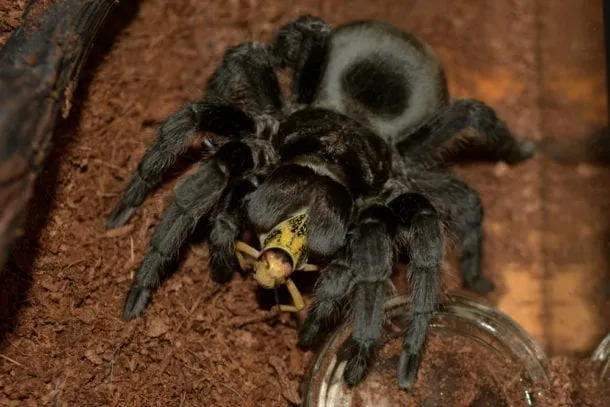
Why Buy a Juvenile Brazilian Black Tarantula?
The Brazilian Black Tarantula (Grammostola pulchra) is a captivating and relatively docile species, making a juvenile a fantastic choice for both novice and experienced tarantula enthusiasts. Buying a juvenile offers several advantages. Firstly, they are generally more adaptable to new environments and care routines than older specimens. Secondly, witnessing their growth and development is a rewarding experience, allowing you to build a stronger bond with your pet. Thirdly, juvenile tarantulas are often more affordable than fully grown adults, providing a cost-effective entry point into the hobby. They possess a striking, velvety black coloration that develops over time, adding a touch of exotic beauty to any home. Their manageable size and gentle temperament further enhance their appeal as captivating pets. Purchasing a juvenile allows you to experience the full life cycle of this fascinating creature, from its early stages to its mature form, creating a unique and educational pet ownership journey.
Appearance and Characteristics
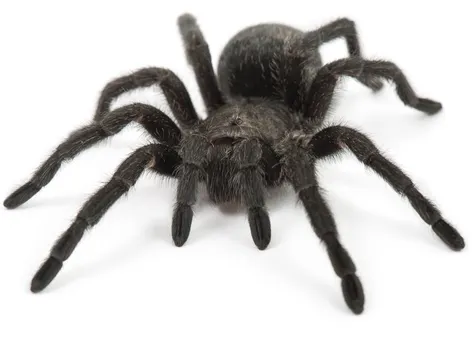
Juvenile Brazilian Black Tarantulas showcase a stunning appearance, characterized by a deep, velvety black coloration that intensifies as they mature. Their bodies are covered in fine hairs, giving them a soft, plush texture. As juveniles, their coloration may appear a slightly lighter shade of black compared to adults, but the overall effect is still striking. They possess eight legs, two pedipalps (used for sensing and manipulating prey), and two chelicerae (fangs) located near their mouth. Their bodies are divided into two main parts: the cephalothorax (fused head and thorax) and the abdomen. Their size, even at a juvenile stage, commands attention, and their overall aesthetic makes them a captivating spectacle to observe. Their appearance evolves subtly throughout their lifecycle, with each molt bringing a refined, more vibrant version of their characteristic black hue. These tarantulas do not possess urticating hairs, which contribute to their appeal among arachnid enthusiasts.
Size and Growth

Juvenile Brazilian Black Tarantulas start small, often around 1-2 inches in leg span, but they grow steadily with each molt. Their growth rate varies depending on factors like feeding frequency, temperature, and individual genetics. They typically reach a leg span of 5-7 inches as adults. Molting is a crucial process where they shed their exoskeleton to grow. During this time, they are vulnerable and should be left undisturbed. The frequency of molting decreases as they mature, but it’s an essential indicator of their health and development. Providing appropriate conditions, including a suitable enclosure, proper temperature, and consistent feeding, is vital for healthy growth. Monitoring their size and molting schedule allows you to track their progress and ensure they are thriving. Careful observation of the juvenile’s development is a fulfilling part of owning this species.
Temperament and Handling
Brazilian Black Tarantulas are known for their relatively docile temperament, making them a good choice for those new to tarantula ownership. However, it’s crucial to handle them with care and respect. They are generally not aggressive and tend to prefer fleeing over biting. Bites, though not medically significant, can still be painful. Always handle them over a soft surface, such as a bed or a low table, to minimize the risk of injury if they were to fall. Use a soft brush or a container to coax them onto your hand gently. Avoid sudden movements or loud noises, as these can startle them. Observe their behavior; if they appear agitated, it’s best to leave them alone. Building a relationship with your tarantula involves respecting their space and understanding their cues. Handling should be limited and done only when necessary for enclosure maintenance or observation.
Where to Buy Juvenile Brazilian Black Tarantula
Finding a juvenile Brazilian Black Tarantula for sale involves researching reputable sources. Several options exist, each with its advantages. Online retailers specializing in exotic pets offer a wide selection and often provide detailed information about the tarantulas. Local pet stores may carry them, but the selection can be limited. Attending reptile and exotic pet shows allows you to interact with breeders and see the tarantulas firsthand. The best place depends on your preferences and location. Careful consideration of the seller’s reputation, the tarantula’s health, and the shipping process is essential. Compare prices, read reviews, and ask questions before making a purchase to ensure a positive experience. It is important to make sure that the source of the tarantula has a great reputation for raising healthy specimens.
Reputable Breeders and Sellers

Choosing a reputable breeder or seller is paramount to acquiring a healthy and well-cared-for juvenile Brazilian Black Tarantula. Reputable sources prioritize the health and well-being of their tarantulas and offer transparent information about their care. Look for sellers with positive reviews, a strong online presence, and a willingness to answer your questions. They should be able to provide details about the tarantula’s origin, age, and feeding history. A reputable breeder or seller will also offer a guarantee of the tarantula’s health upon arrival. Avoid sellers who seem hesitant to provide information or who have a history of complaints. Checking for certifications or affiliations with respected reptile or arachnid organizations can also be a good indicator of their professionalism and ethical practices. Buying from a reputable source ensures you are getting a healthy specimen and supporting responsible animal care.
Online vs Local Pet Stores
When buying a juvenile Brazilian Black Tarantula, you must weigh the pros and cons of online retailers versus local pet stores. Online retailers often offer a wider selection, competitive prices, and the convenience of home delivery. However, you can’t see the tarantula in person before buying, and shipping can be stressful for the animal. Local pet stores allow you to see the tarantula firsthand and ask questions of the staff. You can also assess the tarantula’s health and the conditions it’s being kept in. The selection might be more limited, and the prices may be slightly higher. Consider factors such as the seller’s reputation, shipping costs and policies (for online purchases), and the availability of local support when making your decision. Both online and local stores have their benefits; the best choice depends on your individual preferences and priorities.
What to Consider Before Buying
Before buying a juvenile Brazilian Black Tarantula, it’s crucial to consider several factors. Firstly, research the species’ specific needs, including its ideal habitat, temperature, humidity, and feeding requirements. This knowledge will help you create a suitable environment for your new pet. Secondly, assess your ability to provide proper care. This includes the time and resources needed for daily or weekly tasks, such as feeding, watering, and enclosure maintenance. Thirdly, ensure you have the appropriate enclosure and supplies ready before bringing your tarantula home. This proactive approach will minimize stress for both you and your new pet. Furthermore, familiarize yourself with local regulations regarding exotic pet ownership. Consider the long-term commitment, as tarantulas can live for many years. Finally, budget for ongoing expenses, such as food, substrate, and occasional vet visits. Careful planning ensures a positive and rewarding experience for you and your Brazilian Black Tarantula.
Legality and Regulations

Before buying a juvenile Brazilian Black Tarantula, it’s essential to check the legality and regulations in your area. Regulations regarding exotic pet ownership vary by location, including state, and local ordinances. Some areas may restrict or prohibit owning certain species, while others may require permits or licenses. Research the specific regulations in your area by contacting your local animal control or wildlife department. Failure to comply with these laws can result in penalties or the confiscation of your pet. Ensure you are aware of any restrictions on selling, breeding, or transporting tarantulas. Purchasing from a reputable seller who is familiar with local regulations can provide guidance. Understanding and adhering to these legal requirements ensures responsible ownership and helps protect both you and your tarantula.
Choosing a Healthy Tarantula
Selecting a healthy juvenile Brazilian Black Tarantula is crucial for its well-being and your enjoyment. Observe the tarantula’s overall appearance. Look for a tarantula with a plump abdomen (not excessively thin), a shiny carapace, and no visible injuries. The tarantula should be alert and responsive to its surroundings. Check for any signs of parasites or diseases, such as mites or unusual growths. Examine its legs and pedipalps for any missing limbs or deformities. Request information about the tarantula’s feeding history, as a healthy tarantula should have a good appetite. If possible, observe the tarantula feeding to assess its appetite. Avoid tarantulas that appear lethargic, withdrawn, or have difficulty moving. A healthy tarantula will show a general alertness and willingness to explore its enclosure. Thoroughly inspecting a potential tarantula before purchasing ensures you bring home a thriving and well-cared-for pet.
Signs of a Healthy Tarantula
Identifying the signs of a healthy juvenile Brazilian Black Tarantula will enable you to provide the best care. A healthy tarantula will have a plump abdomen, indicating it is well-fed and hydrated. Its coloration will be vibrant, and its exoskeleton will be free of injuries or blemishes. It should be active and responsive to its environment, displaying exploratory behavior and a willingness to move around its enclosure. The tarantula’s chelicerae (fangs) should be clean and undamaged. Molting is a natural process, and a healthy tarantula will molt regularly, leaving behind a complete exoskeleton. A healthy tarantula will have a good appetite and readily accept food. Its enclosure should be clean, with proper humidity and temperature levels. Regularly checking for these signs helps you monitor your tarantula’s health and address any potential problems promptly. This care contributes to your tarantula’s longevity and overall well-being.
Signs of a Sick Tarantula

Recognizing signs of illness in a juvenile Brazilian Black Tarantula allows for timely intervention and can prevent serious health issues. Common signs include a shrunken or overly thin abdomen, which could indicate dehydration or malnutrition. Lethargy or a lack of movement, where the tarantula spends most of its time in one spot, may signal a problem. Loss of appetite or refusal to eat is another warning sign. Visible injuries, such as missing limbs or open wounds, require immediate attention. Abnormal behavior, like erratic movements or tremors, should not be ignored. The presence of parasites, such as mites, is an indication of potential health issues. A tarantula that appears sluggish, uncoordinated, or shows signs of distress requires veterinary consultation. Early detection and treatment are crucial for successful recovery. Consulting a veterinarian experienced in exotic pets is essential to get the correct diagnosis and to implement appropriate treatment.
Caring for Your New Tarantula
Caring for a juvenile Brazilian Black Tarantula involves providing a suitable environment, regular feeding, and careful observation. The enclosure should be appropriately sized, with a secure lid, ventilation, and appropriate substrate. Maintain the correct temperature and humidity levels based on the species’ needs, using a thermometer and hygrometer. Provide a water dish for hydration, and remove any uneaten food within 24 hours to prevent mold or mites. Feed your tarantula appropriately sized insects, such as crickets or roaches, based on its size and growth stage. Monitor its health by observing its behavior, appetite, and appearance. Avoid handling your tarantula excessively to minimize stress. Regularly clean the enclosure and remove any waste or molted exoskeletons. Following this detailed care plan ensures the well-being of your tarantula and creates a rewarding pet-keeping experience.
Setting Up the Enclosure
Setting up the enclosure is a fundamental step in caring for a juvenile Brazilian Black Tarantula. Choose an enclosure that is appropriately sized for its current and potential size. A secure lid is essential to prevent escape. The enclosure should be made of a material such as glass or clear plastic. The substrate should be a material like coconut fiber or peat moss, providing a suitable surface for burrowing and maintaining humidity. Add a water dish, and provide a hide, such as a piece of cork bark or a half-log, for security. Ensure proper ventilation to prevent mold growth, but avoid drafts. Arrange the enclosure with the tarantula’s comfort in mind. The enclosure should be placed in a quiet area, away from direct sunlight and excessive vibrations. Following these setup guidelines provides a suitable and safe environment for your tarantula, contributing to its well-being.
Substrate and Decor

The choice of substrate and decor significantly impacts the well-being of your juvenile Brazilian Black Tarantula. The substrate should retain moisture to maintain the correct humidity levels. Coconut fiber, peat moss, or a mix of both are popular choices. The substrate should be deep enough for the tarantula to burrow. Avoid using substrates that are toxic or can cause harm. The decor should provide a place to hide, such as a piece of cork bark or a half-log, and it should be non-toxic and free of sharp edges. Consider adding live or artificial plants for visual appeal and to help maintain humidity. Ensure the decor is secure and cannot collapse or fall on the tarantula. The enclosure should be easy to clean, with the substrate replaced or spot-cleaned regularly to remove waste and maintain hygiene. Carefully chosen substrate and decor create a natural and enriching environment for your tarantula.
Temperature and Humidity
Maintaining the correct temperature and humidity levels is crucial for the health of your juvenile Brazilian Black Tarantula. Brazilian Black Tarantulas thrive in a temperature range of 75-85°F (24-29°C). Use a heat mat or a low-wattage heat lamp to provide warmth, but avoid direct contact with the tarantula. The humidity level should be maintained between 65-75%. Regularly mist the enclosure or add a water dish to help maintain these humidity levels. Use a thermometer and hygrometer to monitor the temperature and humidity consistently. Place the enclosure away from direct sunlight or drafts. Adjust the heating and humidity sources as needed to ensure the tarantula remains comfortable. Providing the right temperature and humidity ensures proper molting and overall health, contributing to the longevity of your pet.
Feeding Your Tarantula
Proper feeding is essential for the growth and well-being of your juvenile Brazilian Black Tarantula. Feed your tarantula appropriately sized live insects, such as crickets, roaches, or mealworms. The size of the prey should be appropriate for the tarantula’s size, typically no larger than its body. The feeding schedule should be adjusted based on the tarantula’s age and growth rate. Juvenile tarantulas may need to be fed more frequently than adults. Remove any uneaten food within 24 hours to prevent mold or mites. Provide a source of fresh water, such as a shallow dish. Supplement the tarantula’s diet with occasional calcium or vitamin supplements, as directed by your veterinarian or experienced tarantula keeper. Avoid overfeeding, as this can lead to health problems. Monitor your tarantula’s abdomen to gauge its feeding needs; a plump abdomen is a good indicator that it is well-fed.
Types of Food
Selecting the right types of food is important for the health of your juvenile Brazilian Black Tarantula. Crickets, roaches, and mealworms are all suitable food choices. Crickets are readily available and easy to handle. Roaches, such as dubia roaches, are more nutritious but may be more challenging to obtain. Mealworms are a convenient option, but they have a harder exoskeleton, making them less suitable for juvenile tarantulas. The nutritional content of the food is important. Dust the insects with a calcium and vitamin supplement before feeding them to the tarantula. The variety can be introduced, however, ensure the food is appropriate in size, and that it is not larger than the tarantula’s body. Always ensure the food insects are healthy, parasite-free, and obtained from a reliable source. This will contribute to the nutritional needs of the tarantula and promote its overall well-being.
Feeding Schedule
Establishing a consistent feeding schedule is critical for the health of your juvenile Brazilian Black Tarantula. The feeding frequency should be adjusted based on its age and growth stage. Younger tarantulas may need to be fed 2-3 times a week, while older ones can be fed every 5-7 days. Observe the tarantula’s feeding response and adjust the schedule accordingly. A tarantula that readily eats and has a plump abdomen is likely being fed adequately. The feeding schedule must be consistent. Maintain a clear record of the feedings, noting any changes in its eating habits. Avoid overfeeding, as this can lead to health problems. Avoid feeding immediately before molting, as the tarantula may not eat. Regularly monitor the tarantula’s behavior and adjust the feeding schedule as needed to maintain optimal health and growth.
Common Health Issues and Solutions
Being aware of common health issues and their solutions will help you maintain the health of your juvenile Brazilian Black Tarantula. Dehydration is a common problem, and providing fresh water and maintaining proper humidity is crucial. Mites can infest tarantulas, causing irritation and potential health issues. Quarantine any new tarantulas and treat any infestations promptly. Fungal infections can occur if the enclosure is too humid or not cleaned properly. Clean the enclosure regularly and maintain appropriate humidity levels. Parasites such as nematodes can also affect tarantulas. Always purchase insects from a reliable source. Injuries, such as damaged legs or broken fangs, require veterinary attention. Consulting a veterinarian experienced in exotic pets for any health concerns is crucial. Regular health monitoring and prompt action can mitigate any health issues and promote a long and healthy life for your tarantula.
Molting
Molting is a natural and vital process for the growth and development of a juvenile Brazilian Black Tarantula. During molting, the tarantula sheds its exoskeleton to allow for growth. Prior to molting, the tarantula may stop eating, become less active, and may exhibit a darker coloration. Provide a safe and undisturbed environment during molting. Keep the humidity levels correct. Avoid handling the tarantula, as it is vulnerable during this time. After molting, the tarantula will be soft and its fangs will be especially vulnerable. The new exoskeleton will harden. The tarantula will resume its normal activities. It is normal for a tarantula to remain in its molted exoskeleton for several days. Ensure the enclosure is free of obstructions. Molting is a sign of growth and a healthy process for tarantulas.
Parasites and Diseases
Juvenile Brazilian Black Tarantulas can be susceptible to parasites and diseases. Mites are a common problem that can infest tarantulas. Quarantine new tarantulas and inspect them carefully. Disinfect the enclosure if you suspect mites. Fungal infections can result from high humidity or poor enclosure hygiene. Maintaining the correct humidity levels and regularly cleaning the enclosure are key to preventing this. Internal parasites, while less common, can still affect tarantulas. Provide a balanced diet and maintain clean housing conditions. Consult a veterinarian if you suspect a parasite or disease. Purchasing tarantulas from reputable sources and quarantining new arrivals will help prevent the spread of disease. Early detection and treatment are essential for a favorable outcome.
Handling and Safety
Handling a juvenile Brazilian Black Tarantula requires caution and respect. Although Brazilian Black Tarantulas are known to be relatively docile, it’s important to handle them with care. Always handle over a soft surface, such as a bed or a low table, to minimize the risk of injury if the tarantula were to fall. Avoid sudden movements or loud noises, as these can startle the tarantula. Coax the tarantula onto your hand using a soft brush or a container. Wash your hands thoroughly before and after handling the tarantula to prevent the spread of bacteria or other pathogens. Always be mindful of the tarantula’s behavior, and if it appears agitated or stressed, cease handling immediately. Teach children how to handle tarantulas correctly and safely. Practicing safe handling techniques is essential for the well-being of both you and your tarantula. Safety is a top priority.
Potential Dangers and Precautions
Owning a juvenile Brazilian Black Tarantula entails acknowledging potential dangers and taking appropriate precautions. Bites, although rare, can occur and can be painful. Though the venom is not considered medically significant, it is wise to exercise care while handling the tarantula. Ensure that the enclosure is escape-proof and located in a secure area. Some people are allergic to tarantula hairs, so it is important to avoid contact and watch for any reactions. Avoid exposing the tarantula to extreme temperatures. Regularly inspect the enclosure for signs of mites or other parasites. Properly dispose of any waste materials and maintain a clean environment to prevent contamination. Educate yourself about the species and potential risks to take proactive measures. Taking these precautions will ensure a safe and rewarding experience for both you and your tarantula.