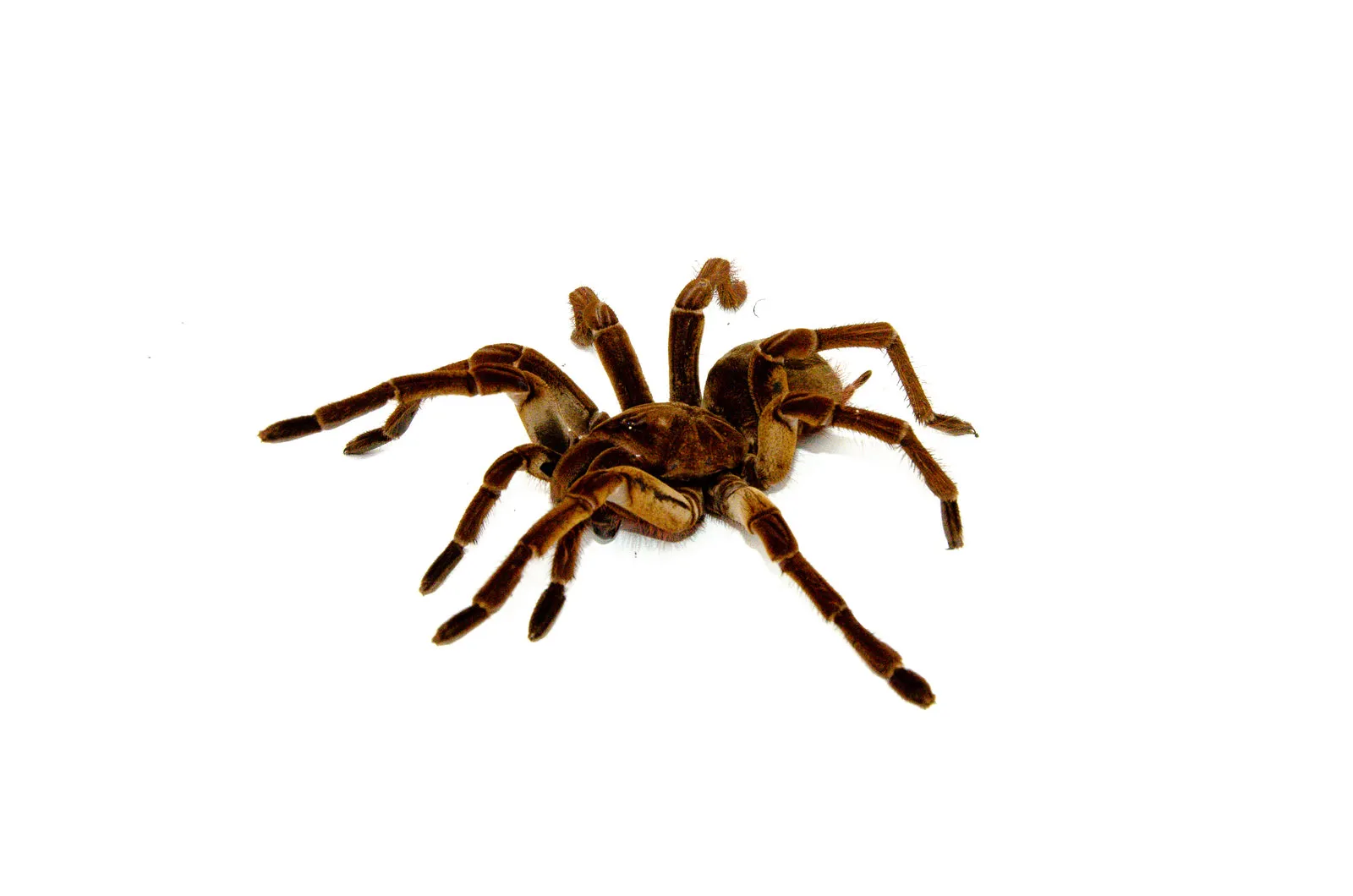
The Goliath Bird Eating Tarantula, Theraphosa blondi, is one of the largest spiders in the world, captivating enthusiasts with its impressive size and unique characteristics. This comprehensive guide provides everything you need to know if you are considering buying a Goliath Bird Eating Tarantula. From understanding their needs to finding a reputable source, we’ll cover all aspects of responsible ownership. Owning a Goliath Bird Eater is a serious commitment, and this guide will help you make an informed decision and ensure you can provide a safe and enriching environment for your new pet. Before buying, it is important to understand the spider’s requirements, potential costs, and legal considerations.
What is a Goliath Bird Eating Tarantula?
The Goliath Bird Eating Tarantula (Goliath) is a species of tarantula native to the rainforests of northern South America. Known for its extraordinary size and imposing appearance, it’s a fascinating creature for experienced arachnid keepers. Their name, while a bit misleading, reflects their size; although they primarily consume insects, they can occasionally prey on small vertebrates. They are a terrestrial species, meaning they live on the ground, and are known for their defensive behavior, including urticating hairs and a potential bite.
Appearance and Characteristics of Goliath Bird Eater
Goliaths are easily recognized by their massive size, often boasting a leg span that can reach up to 12 inches or more. They have a robust build, with a hairy body and legs. Their coloration varies, with a base color of brown to dark brown, often with reddish hairs. They possess large fangs, used for injecting venom, and are covered in urticating hairs on their abdomen, which they can flick off as a defense mechanism. The chelicerae, or mouthparts, are particularly powerful, reflecting their status as one of the largest spiders on Earth. Their overall appearance is intimidating but also beautiful.
Size and Lifespan

As the name suggests, the Goliath Bird Eating Tarantula is a giant among spiders. Females typically grow larger than males, and they can live for 15 to 25 years in captivity. Males have a shorter lifespan, usually around 3 to 6 years after reaching maturity. Their impressive size makes them a significant presence in any collection. The size of a Goliath also means they require a significant amount of space and careful handling. Their substantial size is a key factor to consider when buying, requiring adequate space and a commitment to long-term care.
Where to Buy a Goliath Tarantula
Finding a Goliath Bird Eating Tarantula for sale requires careful research and a commitment to responsible buying practices. It is essential to source your tarantula from a reputable breeder or dealer to ensure the spider is healthy, well-cared-for, and ethically sourced. This practice reduces the risk of purchasing a sick or improperly handled spider and contributes to the conservation of wild populations.
Reputable Breeders and Dealers
When searching for a Goliath, look for breeders who prioritize the health and welfare of their spiders. Reputable breeders are transparent about their practices, willing to answer questions, and provide information about the spider’s origin and lineage. They should also demonstrate a commitment to proper care, including providing appropriate enclosures, feeding, and environmental conditions. Check for reviews and testimonials from other customers to gauge the breeder’s reputation. Many online forums and social media groups dedicated to tarantulas can be valuable resources.
Online vs. Local Reptile Shops

Both online and local reptile shops offer options for purchasing a Goliath. Local shops allow you to see the spider in person and assess its health and behavior before buying. However, they may have a limited selection and potentially higher prices. Online dealers often offer a wider variety of species and may provide more detailed information and care instructions. However, it’s crucial to research the seller’s reputation and shipping practices. Ensure the seller uses proper packaging and shipping methods to protect the spider during transit. Regardless of where you buy, ensure the spider is healthy and that you are well-prepared to meet its needs.
Factors to Consider Before Buying
Before purchasing a Goliath Bird Eating Tarantula, it is essential to consider a range of factors to ensure you can provide adequate care. Evaluate your lifestyle, financial resources, and knowledge of tarantula care. A Goliath requires a significant commitment, including providing a suitable habitat, regular feeding, and specialized care. In addition, consider legal restrictions and regulations in your area.
Legality and Regulations
Before buying, check local and national laws regarding keeping exotic animals. Some areas may have restrictions or require permits for owning a Goliath Bird Eating Tarantula. Regulations vary depending on your location, so research the specific requirements in your area to avoid legal issues. Understanding the legal landscape is vital to ensure you can legally and ethically keep this species. Failure to comply with regulations can lead to fines or the confiscation of your pet.
Health and Temperament

Goliath Bird Eating Tarantulas are known for being defensive, and they are not typically recommended for frequent handling. Assess the spider’s health before purchasing, looking for signs of illness, such as lethargy or unusual behavior. Observe its overall appearance, including the condition of its legs, abdomen, and fangs. Consider the temperament of the species; they can be unpredictable and may bite if threatened. Always approach with caution and respect, and familiarize yourself with their defensive behaviors, such as flicking urticating hairs. Understanding these aspects is essential for ensuring a safe and positive experience.
Pricing and Cost of Ownership
The cost of a Goliath Bird Eating Tarantula can vary depending on factors such as size, age, and breeder. Be prepared for the costs associated with the spider itself, plus the ongoing expenses of care, which include the cost of a proper enclosure, substrate, feeding, heating, and other necessary supplies. The initial investment in the enclosure and equipment can be substantial, as well as the long-term expense of feeding and maintaining the habitat. Plan your budget carefully, and factor in potential veterinary costs if your tarantula becomes ill.
Setting Up Your Goliath Tarantula Habitat
Creating the proper habitat is crucial to the well-being of a Goliath Bird Eating Tarantula. They need a spacious enclosure that mimics their natural environment, including appropriate temperature, humidity, and substrate. A properly set up habitat will help your Goliath thrive and remain healthy.
Choosing the Right Enclosure

Goliaths require a large enclosure due to their size, ideally a glass or plastic terrarium. The enclosure should be well-ventilated but also able to retain humidity. A good rule of thumb is to provide an enclosure that is at least three times the spider’s leg span in width and length. Ensure the enclosure has a secure lid to prevent escape. The height of the enclosure doesn’t need to be excessive since they are terrestrial. Consider the adult size of the spider when selecting an enclosure, as they will need more space as they grow.
Substrate, Temperature, and Humidity
The substrate should be deep enough for burrowing, with a mix of peat moss, coconut fiber, and a bit of vermiculite being excellent choices. The substrate should be kept slightly moist but not soggy. Maintain a temperature between 75-85°F (24-29°C). Humidity levels should be between 70-80%, which can be achieved by misting the enclosure regularly. Use a hygrometer to monitor the humidity levels. Provide a water dish with fresh water at all times. Proper temperature and humidity are critical for the spider’s health and molting process.
Feeding and Care
Providing proper nutrition and care is essential to ensuring your Goliath Bird Eating Tarantula remains healthy. They are voracious eaters and require a diet that meets their nutritional needs. Regular monitoring and appropriate care will help ensure your spider’s well-being and longevity.
What to Feed Your Goliath

Goliaths are opportunistic feeders, and their diet should consist mainly of insects such as crickets, roaches, and mealworms. The size of the prey should be appropriate for the spider’s size; as they grow, they can eat larger insects. You can also offer small vertebrates, such as pinky mice, occasionally. Avoid overfeeding, and remove any uneaten prey within 24 hours. Feed juveniles more frequently than adults. Provide a varied diet to ensure they receive all the necessary nutrients.
Water and Hydration
A constant supply of fresh, clean water is essential for hydration. Use a shallow water dish that the spider cannot easily tip over. The water dish should be readily accessible. Regularly check and refill the water dish to prevent dehydration, especially in drier environments. Ensure the water source is clean. Proper hydration is crucial for their overall health, including their molting process.
Handling and Safety Precautions
Handling a Goliath Bird Eating Tarantula should be done with extreme caution, if at all. They are not typically handled as pets due to their defensive behavior and potential for a painful bite. Understanding the risks and taking necessary precautions is critical for both your safety and the well-being of the spider.
Venom and Bite

While the venom of a Goliath is not considered deadly to humans, their bite can be very painful due to the size of their fangs. The bite can cause local pain, muscle cramps, and other unpleasant symptoms. If bitten, wash the wound and seek medical attention if symptoms worsen. They are more likely to resort to flicking urticating hairs as a defense. These hairs can cause significant irritation and allergic reactions, so avoid contact with these hairs.
Handling Techniques
Due to their size and temperament, handling should be kept to a minimum. If handling is unavoidable, use a long, soft brush to gently coax the spider into a container. Never try to grab or force the spider. Always keep the spider close to the ground or a soft surface in case it falls. Wash your hands thoroughly before and after any interaction with the tarantula. Ensure you have a safe and controlled environment when handling.
Common Health Issues
Like any pet, Goliath Bird Eating Tarantulas can be susceptible to certain health issues. Regular monitoring and preventative care can help minimize the risk of illness and ensure your spider’s long-term health and well-being. Being aware of the signs of illness is essential for prompt treatment.
Parasites and Diseases
Goliaths can be affected by mites, which can infest the spider and the enclosure. Regularly inspect the spider and enclosure for signs of mites. Other diseases are rare, but fungal infections can occur if the enclosure is too humid. Signs of illness include lethargy, loss of appetite, and unusual behavior. If you suspect your tarantula is ill, consult a veterinarian specializing in exotic animals for diagnosis and treatment.
Preventive Care
Preventative care includes maintaining a clean and appropriate environment. Keep the enclosure clean by removing uneaten food and replacing the substrate periodically. Ensure the temperature and humidity levels are correct. Provide a balanced diet and fresh water. Regularly inspect the spider for signs of illness or parasites. Quarantine new spiders to prevent the spread of any potential diseases. Proper care will minimize the risks of health issues and promote a long, healthy life for your Goliath.
Owning a Goliath Bird Eating Tarantula is a significant commitment, but with careful research, preparation, and responsible care, you can enjoy the unique experience of keeping one of the world’s most impressive spiders. By understanding their needs, providing a suitable environment, and practicing safe handling, you can ensure your Goliath thrives. Remember to always prioritize the well-being of your pet and seek expert advice if needed. The journey of owning a Goliath Bird Eating Tarantula is not only rewarding, but also a learning experience in the captivating world of arachnids.