Brazilian Black Tarantula Facts
The Brazilian Black Tarantula, a sought-after species for sale in the UK, is a captivating creature that has garnered significant attention from arachnid enthusiasts. These spiders, known scientifically as Grammostola pulchra, are prized for their striking appearance and relatively docile temperament, making them a popular choice for both novice and experienced tarantula keepers. Before you consider buying a Brazilian Black Tarantula, understanding its characteristics, care requirements, and potential health issues is essential to ensure a healthy and fulfilling experience for both you and your new pet. This guide provides top facts to help you make an informed decision.
Appearance & Characteristics
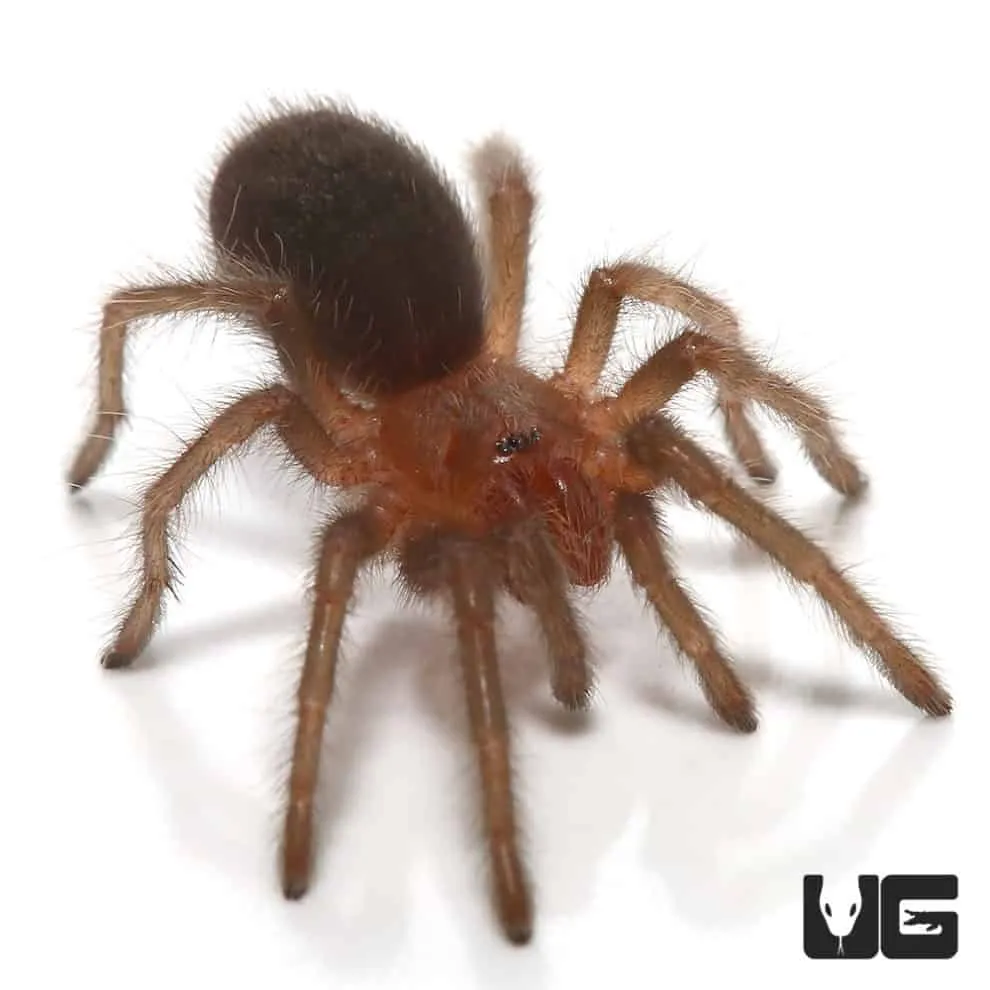
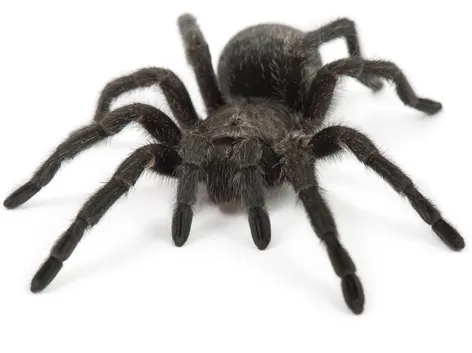
As the name suggests, the Brazilian Black Tarantula is predominantly black, with a velvety sheen that intensifies with age. Their bodies are covered in fine hairs, which contribute to their overall texture and appearance. The females are typically larger than the males, with the females reaching a leg span of up to 6-7 inches, making them impressive specimens to behold. The coloration of this tarantula is consistent, unlike some other species that may display color variations. The overall appearance of the Brazilian Black Tarantula is sleek and robust, making it a visually appealing choice for tarantula enthusiasts looking for a striking pet. They are known for their docile temperament compared to some other tarantula species.
Size and Lifespan

When considering a Brazilian Black Tarantula for sale in the UK, it is important to consider their size and lifespan. Females typically live for 20-30 years, while males have a shorter lifespan, living for about 5-10 years. The female’s longevity is one of the appealing aspects of owning this tarantula. In terms of size, the females can reach a leg span of up to 6-7 inches, making them a moderately large tarantula. The size of the tarantula and its long lifespan mean you’ll need to be prepared to care for it for an extended period and provide an appropriately sized enclosure as it grows. Consider the commitment before you buy.
Behavior and Temperament
The Brazilian Black Tarantula is known for its relatively docile temperament, which makes it a good choice for beginner tarantula keepers. They are generally not aggressive and tend to be slow-moving, making them easier to handle, though handling should be kept to a minimum to avoid stressing the spider. They may flick urticating hairs as a defense mechanism if they feel threatened. This behavior is common in many tarantula species. When you buy a Brazilian Black Tarantula, you are generally getting a pet that is quite calm compared to some other species. However, remember that each tarantula has its personality, and care should be taken at all times.
Habitat and Native Region
Native to the grasslands and scrublands of Southern Brazil, the Grammostola pulchra has adapted to a terrestrial lifestyle. They are burrowing tarantulas that like to create a safe haven underground. When you are looking to buy a Brazilian Black Tarantula, you should replicate their natural habitat as closely as possible within their enclosure. This means providing a deep substrate that allows the tarantula to burrow and hide. The enclosure should also maintain a moderate temperature and humidity level, which are essential for the tarantula’s health and well-being. A well-designed habitat will minimize stress and improve the overall quality of life for your tarantula.
Brazilian Black Tarantula Care

Caring for a Brazilian Black Tarantula is relatively straightforward, but it requires attention to detail. Providing the proper environment, including an appropriate enclosure, consistent feeding, and maintaining the correct temperature and humidity levels, is crucial. This will ensure the tarantula lives a long and healthy life. Make sure to research the correct methods before you buy a Brazilian Black Tarantula and understand what is needed. Regular monitoring of your tarantula’s behavior, health, and the enclosure conditions will allow you to identify and address potential issues quickly.
Enclosure Requirements
The enclosure should be appropriately sized for the tarantula’s leg span, with the minimum width and length being at least twice the tarantula’s leg span, and the height being at least 1.5 times the leg span. A secure lid is a must, as these tarantulas are capable climbers and escape artists. Ventilation is crucial; however, the enclosure must also be able to retain some humidity. Make sure that any decorations within the enclosure are secure and not easily tipped over, as this could injure the tarantula. It is very important to prepare the enclosure before you buy a Brazilian Black Tarantula. This provides an environment suitable for their needs.
Substrate and Decorations
The substrate should be deep enough to allow the tarantula to burrow. A mix of coco fiber, peat moss, and a little bit of vermiculite is often ideal, as it retains moisture well and allows for burrowing. Decorations can include cork bark, artificial plants, and hides. These provide the tarantula with places to retreat and feel secure. Avoid using anything that can easily mold or is chemically treated. Make sure to change the substrate regularly to keep the enclosure clean and hygienic. Using the correct substrate and decorations is a vital step in the tarantula’s care.
Temperature and Humidity

Maintain a temperature range between 75-85°F (24-29°C). You can use a heat mat or a low-wattage heat lamp, placing it on the side of the enclosure, not directly underneath. Humidity levels should be kept between 65-75%. You can achieve this by lightly misting the enclosure every few days, depending on the ventilation. Use a hygrometer to monitor humidity levels accurately. Ensure the enclosure does not become too humid, as this can lead to mold growth. Keeping the temperature and humidity in the right range is key to the health of the tarantula.
Feeding Your Tarantula
Feeding is a critical aspect of caring for your Brazilian Black Tarantula. These tarantulas are voracious eaters, and a proper feeding regime will ensure they stay healthy. Feeding your tarantula the correct foods and providing the appropriate frequency is critical. However, be careful to avoid overfeeding, as this can cause health issues. Always make sure the tarantula has access to clean water.
Diet and Frequency
The Brazilian Black Tarantula’s diet typically consists of insects, such as crickets, roaches, and mealworms. The frequency of feeding will depend on the tarantula’s age and size. Spiderlings should be fed two to three times a week, whereas adults can be fed once every one to two weeks. Remove any uneaten prey within 24 hours to prevent them from stressing your tarantula. Make sure to offer a variety of prey to ensure the tarantula gets all the nutrients needed for a healthy diet.
Water and Hydration

Always provide a shallow water dish with fresh water. It is essential to ensure that the water dish is not too deep. The tarantula could fall in and be unable to get out. Refill the water dish regularly and keep it clean. You can also mist the enclosure lightly to provide additional hydration, especially when the tarantula is about to molt. Clean water is very important to keep your tarantula healthy and hydrated.
Buying a Brazilian Black Tarantula
When looking to buy a Brazilian Black Tarantula in the UK, it is important to do thorough research. Many options are available. However, not all sellers are reputable, and some may not prioritize the health and well-being of their animals. Make sure to find a reputable seller before purchasing. This ensures you will receive a healthy tarantula and that you are supporting responsible breeding practices.
Finding a Reputable Seller
Look for sellers with a good reputation, and read online reviews. Check if they are members of any reputable pet-keeping associations. A good seller will be knowledgeable about the species and will be able to answer your questions. They will also provide you with information on how to care for the tarantula. Avoid sellers who appear to be solely focused on profit. Choose sellers who are passionate about their animals and committed to their health. Before you buy a Brazilian Black Tarantula, confirm that the seller is fully compliant with all UK laws and regulations.
Health and Condition Checks

Before buying, examine the tarantula carefully. Check for any signs of illness, such as a lethargic appearance, loss of appetite, or unusual behavior. The tarantula should have a full abdomen, indicating that it is well-fed. Inspect the tarantula for any injuries or missing limbs. Its body should look clean, and its legs should be strong and mobile. Make sure to ask the seller any questions you have about the tarantula’s health history. Make sure the tarantula looks healthy and in good condition before you buy it.
Legality and Regulations
In the UK, there are no specific regulations that prohibit the keeping of Brazilian Black Tarantulas. However, it’s crucial to ensure that the seller complies with all relevant animal welfare laws. It is your responsibility to ensure that the seller is licensed and that the tarantula is legally imported. Always purchase from a reputable seller who can provide the necessary documentation. Always make sure you are following all local and national laws before you buy a Brazilian Black Tarantula. Doing so ensures you do not inadvertently break any rules.
Potential Health Problems
Like all tarantulas, the Brazilian Black Tarantula can be susceptible to certain health issues. Familiarizing yourself with these potential problems will enable you to spot issues early. Early detection and appropriate treatment can significantly improve the outcome. Regularly monitoring your tarantula’s behavior and environment are the keys to ensuring its well-being. If you notice anything out of the ordinary, consult an experienced tarantula keeper or a veterinarian with experience with exotic animals.
Common Health Issues
Some common health problems include mites, which are tiny parasites that can infest the tarantula. These can be controlled with treatments available from specialist pet stores. Infections can occur due to injuries or poor enclosure hygiene. If your tarantula is not eating, this could be an indicator of stress or illness. If you spot anything out of the ordinary, seek advice from an expert. Molting problems can arise if the humidity or temperature is not correct. Make sure you have the correct setup to prevent issues. Look out for signs of problems so that you can resolve them quickly.
Preventative Measures
Maintaining a clean and well-maintained enclosure is crucial to preventing health problems. Regularly remove any uneaten food and clean the water dish. Provide a varied diet and the correct temperature and humidity levels. Quarantine new tarantulas before introducing them to your existing collection. Monitor the tarantula for any signs of illness or unusual behavior. Regular inspection of the enclosure and the tarantula is essential. Following these measures significantly decreases the likelihood of health issues.
Conclusion
The Brazilian Black Tarantula is a captivating pet that can bring joy to any arachnid enthusiast. By understanding its characteristics, the care requirements, and the potential health issues, you can provide the best environment for your new pet. Remember to purchase from a reputable seller. This ensures you get a healthy tarantula and that you are supporting responsible breeding practices. With proper care and attention, your Brazilian Black Tarantula can thrive and provide many years of enjoyment. Careful consideration and planning are vital before you buy a Brazilian Black Tarantula. Do your research to ensure you are ready.