What is a Blue Cobalt Tarantula?
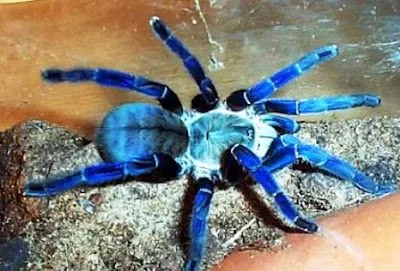
The Blue Cobalt Tarantula (Cyriopagopus lividus), often admired for its striking blue coloration, is a captivating species within the tarantula family. Originating from the tropical forests of Southeast Asia, this spider has gained popularity among arachnid enthusiasts. Its vibrant blue legs and carapace make it a sought-after pet, but potential owners must understand the commitment and care required to provide a healthy and fulfilling life for this fascinating creature. This guide is designed to equip you with all the necessary information to purchase, care for, and appreciate your Blue Cobalt Tarantula.
Appearance and Characteristics
The Blue Cobalt Tarantula’s most distinctive feature is, undoubtedly, its coloration. Mature individuals display a stunning metallic blue hue, particularly on their legs and carapace. Their abdomen is typically a darker shade, often with reddish or brown hairs. These spiders are medium-sized, with a leg span that can reach up to 5-6 inches. They are known for their relatively fast growth rate, especially during their juvenile stages. This species is a terrestrial tarantula, meaning it spends most of its time on the ground, and they are primarily nocturnal, becoming most active during the evening and night.
Origin and Habitat

Native to Myanmar and Thailand, the Blue Cobalt Tarantula thrives in humid, tropical environments. They are typically found in burrows or under cover in the forests, where they can hide from predators and ambush prey. Understanding their natural habitat is crucial for replicating these conditions in captivity, ensuring your tarantula’s well-being. Mimicking the temperature and humidity levels of their native environment is paramount for their health and longevity. This involves providing a substrate that retains moisture and maintaining the correct temperature range.
Where to Buy a Blue Cobalt Tarantula
Finding a Blue Cobalt Tarantula for sale requires careful research. You can find them at specialty reptile stores or from reputable breeders. Online sources offer a wide selection, but it’s crucial to choose sellers with a good reputation. Before purchasing, verify that the seller complies with local and international regulations regarding the sale and ownership of exotic animals. When selecting a Blue Cobalt Tarantula, consider factors such as size, age, and overall health. It is always a good idea to ask for detailed information about the tarantula’s origin and feeding history.
Reputable Breeders and Online Sources
Identifying reputable breeders and online sources is vital to ensure you get a healthy tarantula. Look for breeders who are knowledgeable, experienced, and transparent about their practices. Check online reviews and testimonials to gauge customer satisfaction. Reputable breeders typically provide detailed information about their tarantulas, including their origin, age, and feeding habits. Ensure the online source has clear policies on shipping and guarantee the health of the animal upon arrival. Always be wary of sellers offering unusually low prices, as this might indicate poor care or unethical practices.
Things to Consider Before Buying

Owning a Blue Cobalt Tarantula is a significant commitment. Before purchasing, assess whether you can meet its needs. Ensure you have the necessary space, equipment, and financial resources. Research the specific care requirements, including temperature, humidity, and feeding. Consider your lifestyle and how it will affect your ability to provide consistent care. Be prepared to handle the possibility of a venomous bite, although they are generally not considered highly dangerous to humans. Finally, determine if you are comfortable with handling live insects for feeding and the tarantula’s lifespan, which can be several years for females.
Health and Temperament
Blue Cobalt Tarantulas can exhibit varying temperaments. While some are docile, others may be more defensive. They are known to be fast and can sometimes be prone to bolting, so handling should be done with extreme caution. When buying, inquire about the tarantula’s temperament and behavior. Look for signs of good health, such as a full abdomen, active movement, and bright coloration. Avoid tarantulas that appear lethargic, have missing legs, or show signs of parasites. It is beneficial to observe the tarantula’s eating habits to ensure it’s feeding properly.
Legality and Ethical Considerations
Before purchasing, check local regulations regarding the ownership of exotic animals. Some areas may have restrictions or require permits. It is essential to ensure you comply with all applicable laws. Consider the ethical implications of keeping a wild animal in captivity. Support reputable breeders who prioritize the welfare of their tarantulas. Avoid purchasing tarantulas that have been wild-caught, as this can harm wild populations and contribute to unsustainable practices. Educate yourself about responsible pet ownership and be prepared to provide a high standard of care throughout the tarantula’s life.
Caring for Your New Blue Cobalt Tarantula

Providing proper care is essential for your Blue Cobalt Tarantula’s health and longevity. This involves setting up a suitable enclosure, maintaining the correct environmental conditions, and providing a balanced diet. Regular maintenance, including cleaning and monitoring the tarantula’s behavior, helps ensure it thrives in captivity. Preparing for your new pet before you even buy it will give it the best start in its new home. Understanding the tarantula’s needs and acting accordingly will create a comfortable and stimulating environment for your pet.
Setting Up the Perfect Enclosure
The enclosure should be appropriately sized for the tarantula’s size, as they need room to move around, but not so big that it makes it hard for them to catch their prey. A 10-gallon tank is generally suitable for juveniles, while adults may require a 20-gallon long tank. The enclosure should have a secure lid to prevent escapes. Ensure adequate ventilation to prevent mold growth and provide fresh air. Avoid using screen lids, as tarantulas can get their legs caught. Select a substrate, such as coco fiber or peat moss, that retains moisture. The enclosure should also include a hide, such as a piece of cork bark, for the tarantula to retreat to.
Substrate and Habitat Essentials
Choosing the right substrate is crucial for maintaining the appropriate humidity levels. Coco fiber, peat moss, or a mix of both is recommended. The substrate should be deep enough for the tarantula to burrow if it chooses. Provide a shallow water dish with fresh water at all times. Include a hide, such as a piece of cork bark or a hollow log, to provide a secure retreat. Decorate the enclosure with non-toxic plants and other items to enrich the environment, but avoid anything that could be harmful if ingested. Regular cleaning of the enclosure is crucial for maintaining a healthy environment for your tarantula.
Feeding and Hydration

Blue Cobalt Tarantulas are carnivores and primarily eat insects. Feed them a diet of appropriately sized crickets, roaches, mealworms, or other insects. The frequency of feeding depends on the tarantula’s age and size, but juveniles typically need to be fed more often than adults. Ensure the insects are gut-loaded with nutritious food before feeding them to your tarantula. Provide a shallow water dish with fresh water at all times. Observe the tarantula’s feeding behavior to ensure it is eating properly. Remove any uneaten insects after a day or two to prevent them from stressing the tarantula.
Common Health Issues and Prevention
Tarantulas are generally hardy, but they can be susceptible to certain health issues. Mites and parasites are a potential concern, so quarantine new tarantulas before introducing them to your collection. Improper humidity can lead to molting problems. Ensure the correct humidity levels are maintained to prevent these issues. Provide proper ventilation and hygiene to prevent mold growth. Monitor the tarantula’s behavior and appearance, and consult a veterinarian specializing in exotic animals if you notice any signs of illness or distress. Regular observation and preventative measures are essential for maintaining a healthy tarantula.
Handling and Safety
Handling Blue Cobalt Tarantulas is not generally recommended, as they can be fast and defensive. If handling is necessary, do so with extreme caution. Always handle them over a soft surface, like a bed or a carpet, to minimize the risk of injury if they fall. Avoid handling them during or shortly after molting. Be aware of the possibility of a bite and the potential for a venomous reaction, although it is usually mild. Wash your hands thoroughly after handling and avoid touching your face or eyes. Respect your tarantula’s space and avoid any actions that could startle or agitate it.
Long-Term Care and Maintenance

Long-term care involves consistent maintenance of the enclosure, regular feeding, and careful monitoring of the tarantula’s health. Clean the enclosure regularly, removing any uneaten food and waste. Replace the substrate periodically to maintain the correct humidity levels and prevent the build-up of bacteria. Observe the tarantula’s molting process, and avoid disturbing it during this vulnerable time. Provide a stable environment with consistent temperature and humidity levels. Continue to research and learn about tarantula care to ensure your pet’s well-being. Consistent care will contribute to the long and healthy life of your Blue Cobalt Tarantula.
The Cost of Owning a Blue Cobalt Tarantula
Owning a Blue Cobalt Tarantula involves both an initial investment and ongoing expenses. Understanding these costs will help you budget and ensure you can provide the care your pet requires. The cost is not just the price of the tarantula, but all the other things that it requires.
Initial Purchase Price
The purchase price of a Blue Cobalt Tarantula varies depending on the size, age, and breeder. Prices can range from $50 to over $200. Generally, juveniles are less expensive than adults. The breeder’s reputation and the tarantula’s overall health also influence the price. It’s essential to compare prices from different sources and consider the overall value, including the breeder’s support and the tarantula’s health guarantees. While the initial cost may seem small, it’s the start of a larger commitment.
Ongoing Costs

Ongoing costs include the expense of food, substrate, and any necessary equipment replacements. Insects can be bought in bulk. The cost of substrate depends on the type and the size of the enclosure. Expect to spend around $10-$30 per month on food and substrate. You should also factor in the cost of electricity to maintain the correct temperature and humidity levels. Consider the potential cost of veterinary care if your tarantula requires medical attention. Regular maintenance and care will reduce these costs over the long term.
Conclusion
Purchasing a Blue Cobalt Tarantula can be a rewarding experience for those who are prepared to provide the necessary care. By understanding the requirements, you can create a comfortable and stimulating environment for your tarantula. Remember to research reputable breeders, prepare your enclosure, and provide the proper diet and environmental conditions. With the right care, your Blue Cobalt Tarantula can thrive and provide years of fascination. Always prioritize the well-being of your tarantula. Enjoy the journey of owning this magnificent and fascinating species!