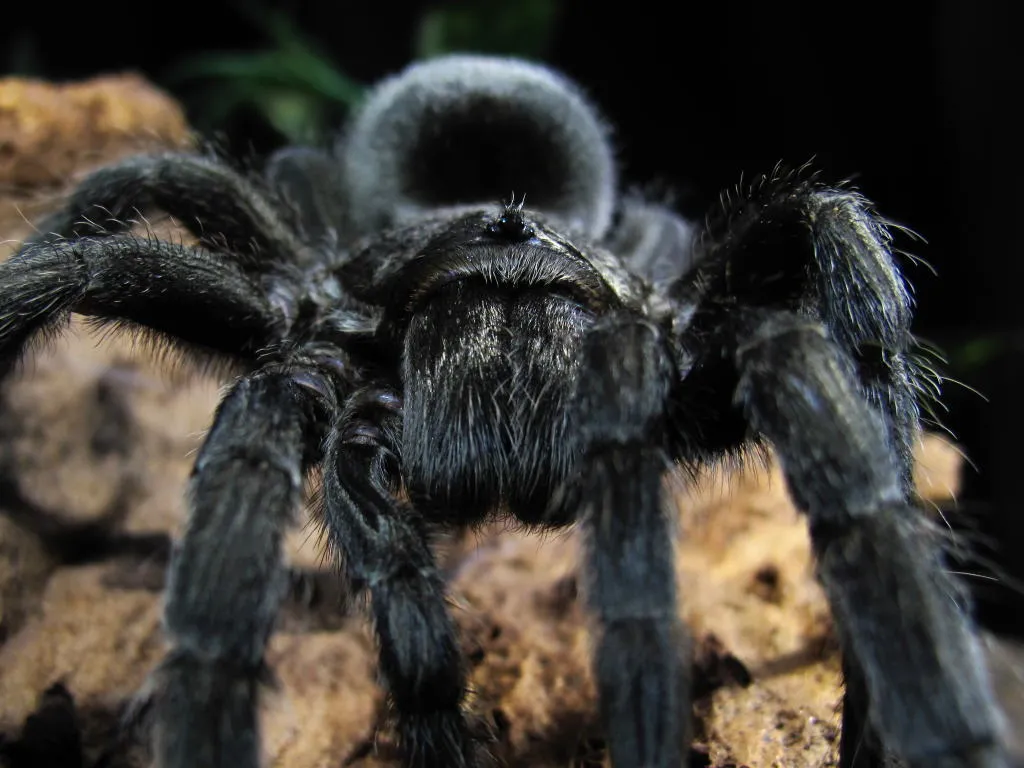
Understanding the Brazilian Black Tarantula (Grammostola pulchra)
The Brazilian Black Tarantula, scientifically known as Grammostola pulchra, is a captivating and relatively docile species that has gained popularity among tarantula enthusiasts. Native to the grasslands and forests of Southern Brazil, these terrestrial tarantulas are known for their striking black coloration and relatively calm demeanor. Understanding their natural environment is the first step towards creating a thriving habitat. In their natural habitat, these tarantulas typically burrow in the ground or utilize existing shelters, making them adaptable but with specific needs for captive care. They are a long-lived species, with females often reaching an impressive lifespan of 20 years or more, emphasizing the importance of a well-maintained, long-term habitat designed for their unique requirements.
Habitat Requirements for Brazilian Black Tarantulas
Creating a suitable habitat is crucial for the health and well-being of your Brazilian Black Tarantula. This involves replicating, as closely as possible, the conditions they would experience in their natural environment. The most important aspects to consider are the size of the enclosure, the type of substrate, temperature and humidity levels, the provision of appropriate hides and enrichment, and a consistent approach to feeding and watering. Neglecting any of these aspects can lead to stress, health problems, and a shortened lifespan for your tarantula. Furthermore, a well-designed habitat not only provides for their physical needs but also enhances their natural behaviors and provides you with an engaging and enjoyable pet.
Enclosure Size and Setup

The size of the enclosure should be appropriate for the size of your tarantula, with the general rule of thumb being that the enclosure should be at least twice as wide as the tarantula’s leg span. For juveniles, a 5-10 gallon tank is usually sufficient, while adults will need a larger enclosure, ideally a 10-20 gallon tank. Ensure the enclosure is well-ventilated, with a secure lid to prevent escape. The setup should be terrestrial, as these tarantulas are ground dwellers. Avoid overly tall enclosures, as falls can be dangerous. Incorporate essential elements such as a deep layer of substrate, a water dish, and a hide to create a comfortable and secure environment for your Brazilian Black Tarantula.
Substrate Selection and Depth
The substrate is the foundation of your tarantula’s habitat. It provides a surface for walking, burrowing, and maintaining humidity. A suitable substrate should hold moisture well, allow for burrowing, and be non-toxic. A mixture of substrates is often the best approach. Popular options include a blend of peat moss, coconut fiber (coco coir), and a small amount of vermiculite. The depth of the substrate is crucial, especially for younger tarantulas that may burrow extensively. Provide at least 4-6 inches of substrate for juveniles and up to 6-8 inches for adults. This allows them to create burrows and feel secure. The substrate should be slightly moist, but not saturated, to maintain the correct humidity levels.
Temperature and Humidity Control
Maintaining the correct temperature and humidity is vital for the health and well-being of your Brazilian Black Tarantula. The ideal temperature range is between 75-85°F (24-29°C). You can monitor the temperature using a digital thermometer. Heating can be achieved using a heat mat placed on the side of the enclosure, never under the enclosure, to prevent burns. Humidity should be maintained between 65-75%. Regular misting with dechlorinated water, especially in the enclosure’s corners, can help maintain humidity. Proper ventilation is also essential to prevent the buildup of mold and mildew. Use a hygrometer to accurately measure humidity levels and adjust as needed.
Providing Hides and Enrichment

Tarantulas are naturally secretive animals and require a secure hiding place to feel safe. Provide a hide that is appropriately sized for your tarantula. Suitable hides include cork bark, half logs, or commercially available tarantula hides. The hide should be large enough for the tarantula to comfortably retreat into. Besides hides, other forms of enrichment, such as artificial plants and decorations, can provide a more natural and stimulating environment. Avoid using anything that could be toxic or sharp. Regularly rearrange the habitat to provide environmental enrichment, stimulating the tarantula’s natural curiosity and behavior. This will help reduce stress and promote a healthier, happier tarantula.
Feeding and Water
Feeding your Brazilian Black Tarantula is relatively straightforward. They are opportunistic predators and will readily accept a variety of insects. Crickets, roaches, and mealworms are common food items. The size of the prey should be appropriate for the size of the tarantula; typically, the prey should be no larger than the tarantula’s body length. Feed juveniles 1-2 times a week, while adults can be fed every 1-2 weeks. Always provide fresh water in a shallow dish. The water dish should be easily accessible and shallow enough to prevent the tarantula from drowning. Clean the water dish regularly to prevent bacterial growth. Remove uneaten food items within 24 hours to prevent mold and mites from developing in the enclosure.
Maintaining a Clean Habitat
Regular maintenance is essential for a healthy and thriving habitat. Spot clean the enclosure as needed, removing any uneaten food, molted exoskeletons, or waste. The frequency of spot cleaning will depend on the size of the enclosure and the amount of waste produced. The substrate should be partially replaced every 6-12 months, or more frequently if it becomes heavily soiled. This will help to maintain proper humidity and prevent the buildup of harmful bacteria. Always wash your hands thoroughly before and after handling your tarantula or its habitat. Avoid using harsh chemicals or cleaning agents near the enclosure, as these can be toxic to your tarantula. Regularly inspect the enclosure for any signs of mold or pests.
Common Habitat Problems and Solutions

Several issues can arise in a tarantula habitat if not properly maintained. One common problem is insufficient humidity, which can lead to dehydration and difficulties molting. To resolve this, increase misting frequency and ensure adequate ventilation. Another issue is the presence of mites, often introduced through the substrate or food. If you see mites, you can try removing the infested substrate and replacing it, along with cleaning the enclosure thoroughly. Overly dry substrate can be addressed by misting or adding a small amount of water to the substrate. Finally, a stressed tarantula may spend all its time hiding. Ensure that the enclosure provides a comfortable environment to resolve this and to enhance your ability to enjoy your pet.
Observing and Enjoying Your Brazilian Black Tarantula
Caring for a Brazilian Black Tarantula can be a rewarding experience. These fascinating creatures offer a unique glimpse into the world of invertebrates. Observe your tarantula regularly, noting its behavior, feeding habits, and overall appearance. A healthy tarantula will be active, alert, and have a good appetite. Molting is a natural process and should not be disturbed. Avoid handling your tarantula unless absolutely necessary, as this can stress them. Spend time learning about your tarantula, and enjoy the unique experience of owning such a beautiful and intriguing pet. With proper care and attention to their habitat, your Brazilian Black Tarantula will thrive and provide years of enjoyment.