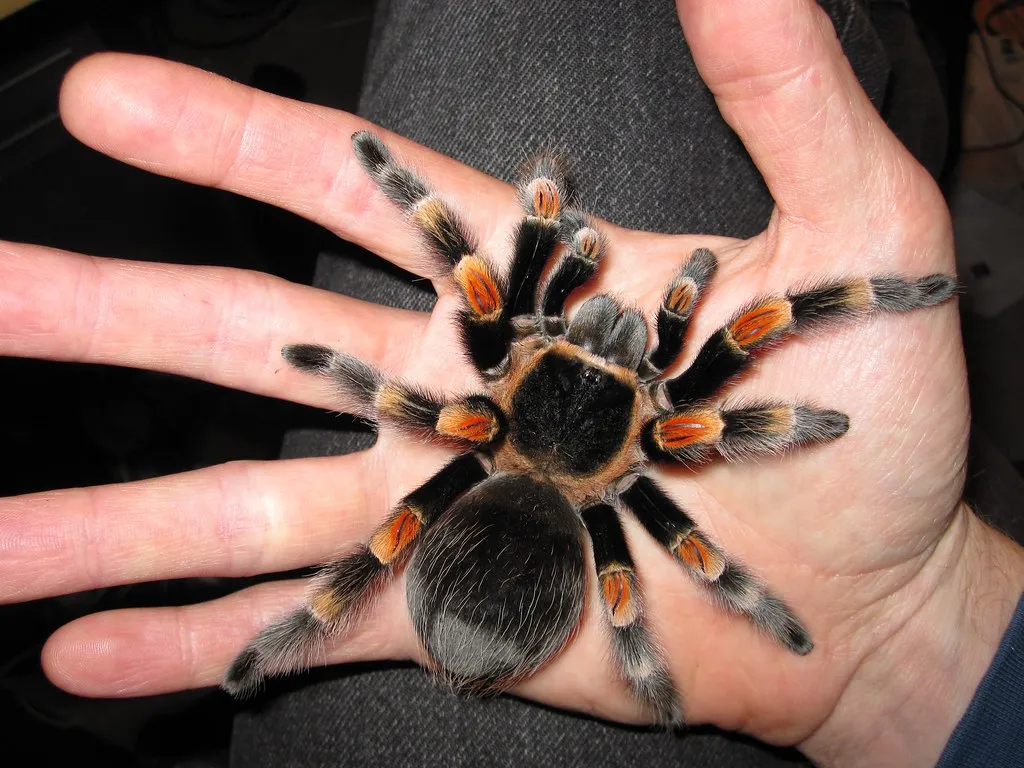
Brachypelma Tarantulas The Top 5 Facts You Need to Know
Brachypelma tarantulas are captivating creatures, and learning about them can be a rewarding experience. These spiders, native to the Americas, have gained popularity as pets due to their docile nature and striking appearance. Understanding their basic needs, behaviors, and conservation status is essential for anyone considering keeping one or simply fascinated by these arachnids. This guide will provide you with five essential facts about Brachypelma tarantulas, covering their identity, origin, physical traits, common species, and habitat necessities, alongside important aspects of their care and conservation.
What is a Brachypelma Tarantula
A Brachypelma tarantula is a genus of spiders belonging to the Theraphosidae family, commonly known as the New World tarantulas. These spiders are primarily found in Central America, specifically in regions of Mexico, Guatemala, and Honduras. They are characterized by their large size, ranging from a leg span of 5 to 7 inches, and their distinctive color patterns. Brachypelma tarantulas are known for their docile temperament compared to other tarantula species, making them a popular choice for beginner enthusiasts. Their life cycle involves molting, during which they shed their exoskeleton to grow, and they can live for several years, with females often living longer than males.
Origin and Habitat of Brachypelma Tarantulas

Brachypelma tarantulas originate from the tropical and subtropical regions of the Americas. Their natural habitats include grasslands, scrublands, and tropical forests, where they build burrows or find shelter under rocks and in crevices. They are terrestrial spiders, spending most of their time on the ground. The specific habitats vary depending on the species. For example, the Mexican redknee tarantula (Brachypelma hamorii) is found in the arid scrublands of the Pacific coast of Mexico, while the Mexican redleg tarantula (Brachypelma emilia) prefers the drier forests and scrublands of western Mexico. Understanding their native habitat is crucial for replicating their natural environment in captivity.
Appearance and Physical Characteristics
Brachypelma tarantulas are renowned for their striking appearance, which is one of the main reasons they are so popular as pets. They are generally large spiders, with a leg span that can reach up to 6 inches or more. Their bodies are covered in setae, or hairs, which can vary in color and density depending on the species. The coloration often includes a combination of black, orange, red, and white, creating intricate patterns on their carapace, legs, and abdomen. The legs are typically banded, and the abdomen can have distinct markings or a uniform color. Their physical features are not only beautiful but also play a critical role in their survival, such as sensory perception and defense.
Common Brachypelma Tarantula Species
Several species of Brachypelma tarantulas are well-known and sought after in the pet trade. Among these, the Mexican redknee (Brachypelma hamorii) and the Mexican redleg (Brachypelma emilia) are particularly popular. These species are admired for their striking coloration and relatively docile temperament, making them suitable choices for beginner tarantula keepers. Other species, such as the Mexican golden red rump (Brachypelma auratum), also exhibit attractive patterns. However, it’s crucial to be aware of their conservation status, as some species are endangered due to habitat loss and over-collection. Ensuring the ethical sourcing and responsible keeping of these tarantulas is vital.
Mexican Redknee (Brachypelma hamorii)

The Mexican redknee tarantula (Brachypelma hamorii) is one of the most recognizable and beloved tarantula species. Characterized by its black body and vibrant red-orange bands on its legs, this species is native to the Pacific coast of Mexico. They are relatively docile and slow-moving, making them suitable for beginner hobbyists. They are also known for their long lifespans, with females living up to 25 years in captivity. Their care requirements include a terrestrial setup with a burrowing substrate, adequate temperature, and humidity, and a diet consisting of insects such as crickets and mealworms. Their calm disposition and stunning appearance contribute to their popularity.
Mexican Redleg (Brachypelma emilia)
The Mexican redleg tarantula (Brachypelma emilia) is another striking species, similar in appearance to the redknee but with slightly different leg markings. This tarantula has black legs with red-orange bands and is also found in the drier regions of western Mexico. They are known for their docile behavior and are less likely to kick urticating hairs compared to some other species. Like the redknee, they are relatively easy to care for, requiring a similar setup with a terrestrial enclosure, appropriate substrate, temperature, and humidity. They primarily feed on insects and can live for many years, providing a long-term commitment for the owner. Their vibrant coloration makes them a visual highlight for any tarantula collection.
Habitat and Enclosure Setup
Creating a suitable habitat is crucial for the well-being of a Brachypelma tarantula. Replicating their natural environment as closely as possible will ensure they thrive. The setup should provide a safe, secure, and comfortable space, allowing them to exhibit their natural behaviors. This includes the appropriate enclosure size, substrate, temperature, and humidity levels. A well-designed habitat not only supports their physical health but also minimizes stress, which contributes to their longevity and overall quality of life. Proper setup is essential for the long-term health of your tarantula.
Enclosure Size and Type

The size and type of enclosure depend on the size of the tarantula. A juvenile Brachypelma tarantula can be housed in a smaller enclosure, such as a 5-10 gallon tank, while an adult will require a larger one, typically a 10-20 gallon tank or larger. The enclosure should be made of clear glass or plastic to allow for easy viewing and monitoring. The enclosure should be wider than it is tall, as these tarantulas are terrestrial and do not require significant vertical space. Ensure the enclosure has a secure lid to prevent escapes, and it should have adequate ventilation to maintain air quality and prevent mold growth. A well-sized enclosure provides enough space for them to move around and feel secure.
Substrate and Decor
The substrate, or bedding, in the enclosure is essential for providing a comfortable and natural environment for the tarantula. A suitable substrate should allow the tarantula to burrow, which is a natural behavior. A mixture of substrate that includes coco fiber, peat moss, and a bit of vermiculite is often ideal. The substrate should be deep enough, usually 4-6 inches, to allow for burrowing. Decorations such as a hide, pieces of bark, or artificial plants can be added to provide shelter and enrichment. Avoid sharp objects that could injure the tarantula. Regularly monitor and replace the substrate to maintain hygiene and prevent bacterial growth.
Temperature and Humidity
Maintaining the correct temperature and humidity levels is critical for the health of a Brachypelma tarantula. The ideal temperature range is between 75-85°F (24-29°C). A heat lamp or heat mat can be used to maintain the temperature, but care must be taken to avoid overheating. Humidity levels should be around 60-70%. This can be achieved by occasionally misting the enclosure with water, or by providing a shallow water dish. The substrate should be slightly moist but not soaking wet. Monitoring temperature and humidity with a thermometer and hygrometer is essential to ensure the comfort and health of your tarantula.
Feeding and Diet

Proper nutrition is vital for the growth, health, and overall well-being of Brachypelma tarantulas. They are insectivores and their diet should consist primarily of insects, such as crickets, mealworms, and roaches. The size of the prey should be appropriate for the tarantula’s size, with juveniles eating smaller insects. Providing a balanced diet is necessary to ensure they receive all the necessary nutrients. A well-fed tarantula will be more active and healthy. Understanding their dietary requirements is fundamental to responsible tarantula keeping.
What Do Brachypelma Tarantulas Eat
Brachypelma tarantulas are insectivores, meaning their diet consists primarily of insects. The most common food items include crickets, mealworms, and Dubia roaches. It is important to vary the diet to provide a range of nutrients. Gut-loading the insects before feeding them to the tarantula ensures that they are consuming a nutritionally rich meal. This involves feeding the insects high-quality food such as fresh vegetables, fruits, and commercial cricket food. This enhances the nutritional value of the insects and, in turn, improves the tarantula’s health and vitality. Avoid feeding wild-caught insects, as they may carry parasites or pesticides that can harm your tarantula.
Feeding Frequency and Portion Sizes
The feeding frequency for Brachypelma tarantulas varies based on their age and size. Spiderlings, or young tarantulas, should be fed more frequently, typically 2-3 times a week. As they grow older, the frequency can be reduced. Adults can be fed once a week or every other week. The portion size should be appropriate for the tarantula; the prey should be no larger than the size of the tarantula’s abdomen. Remove any uneaten insects within 24 hours to prevent them from stressing the tarantula. Ensure a fresh water source is always available for them to drink.
Handling and Safety

Handling a Brachypelma tarantula should be approached with caution and respect. While these tarantulas are known for their relatively docile temperament, it is essential to understand the risks involved. Handling can be stressful for the tarantula and increases the risk of accidental bites or the release of urticating hairs. Always prioritize the safety and well-being of the tarantula, and only handle them when necessary. Always wash your hands thoroughly before and after handling. It is better to observe than to handle them.
Handling Precautions
If handling is required (e.g., for enclosure maintenance), do so with extreme care and gentleness. Avoid sudden movements, and do not drop the tarantula, as this could cause serious injury. The tarantula might become defensive if startled. Always handle them over a soft surface, such as a bed or a carpet, to minimize the risk of injury if they fall. Avoid handling them if they are about to molt, as they are more vulnerable during this period. Constant vigilance is key to ensuring your safety and the tarantula’s.
Venom and Bite Information
Brachypelma tarantulas are venomous, but their venom is not considered medically significant to humans. A bite from a Brachypelma tarantula is typically similar to a bee sting. Symptoms might include localized pain, redness, and swelling at the bite site. In rare cases, individuals with allergies may experience more severe reactions. It is important to keep the bite area clean and monitor for any signs of infection. If the symptoms worsen or you experience any allergic reaction, seek medical attention. Be aware of the urticating hairs, which can cause irritation if they come into contact with the skin or eyes.
Lifespan and Molting

Understanding the lifespan and molting process of Brachypelma tarantulas is essential for providing proper care. These tarantulas can live for many years, with females generally living longer than males. The molting process is a natural and critical part of their growth. Knowing what to expect and how to support your tarantula during this time will ensure it remains healthy and stress-free. The lifespan and molting process are key indicators of a tarantula’s health and longevity.
The Molting Process
Molting is the process by which a tarantula sheds its exoskeleton to grow. During this time, the tarantula will typically stop eating and may appear lethargic. They will usually flip onto their back. It is crucial not to disturb the tarantula during this process. The new exoskeleton will be soft and vulnerable after molting; avoid handling the tarantula until its new exoskeleton has hardened, which typically takes a few days. Provide adequate humidity during this period. Successful molting is a sign of a healthy and thriving tarantula. Avoid handling your tarantula immediately after molting as they are very vulnerable.
Lifespan Expectations
The lifespan of Brachypelma tarantulas varies depending on their sex and species. Females typically live much longer than males, often up to 20-25 years, while males may only live for 5-10 years. Factors such as diet, enclosure conditions, and overall health can influence their lifespan. Providing optimal care, including a proper diet, appropriate temperature, humidity, and a stress-free environment, will increase the chances of your tarantula living a long and healthy life. The longer lifespan of females makes them a more significant commitment for keepers.
Conservation Status and Threats
Many Brachypelma tarantula species face conservation challenges due to habitat loss and over-collection for the pet trade. These threats have led to some species being listed as endangered or vulnerable. Raising awareness about their conservation status is critical. Supporting ethical sourcing and purchasing tarantulas from reputable breeders can help protect wild populations. Educating yourself about their conservation status and taking steps to support responsible pet ownership are crucial to help protect these incredible species. Supporting conservation efforts is key to ensuring their survival in the wild.