What is a Blue Tarantula?
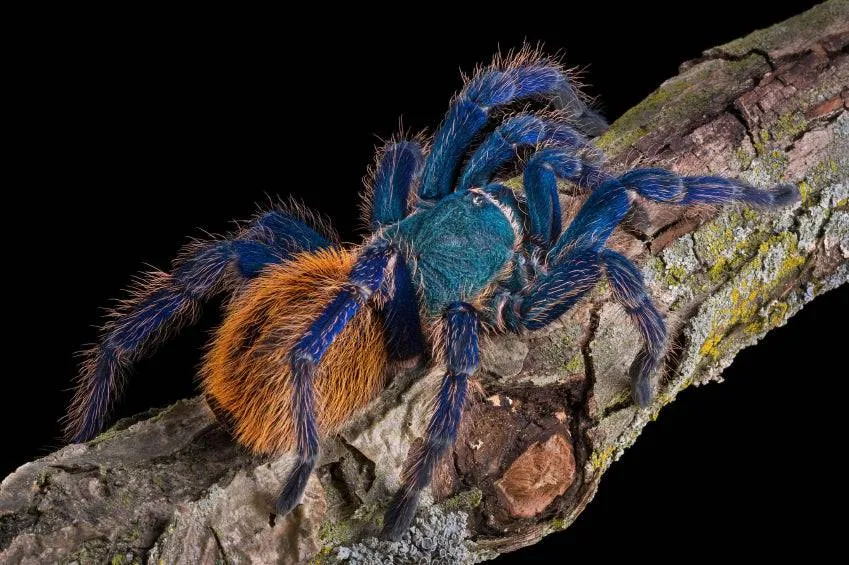
The term “Blue Tarantula” typically refers to several species of tarantulas known for their striking blue coloration, with the most commonly known being the Caribena versicolor, often called the Antilles Pinktoe Tarantula, and various Psalmopoeus species. These arachnids are highly sought after in the exotic pet trade due to their vibrant colors and relatively manageable care requirements. However, it is important to be aware of the specific species when considering buying a Blue Tarantula for sale in the UK, as care needs can vary slightly. Furthermore, understanding the origin and characteristics of these spiders is crucial for providing them with a suitable environment.
Species Identification
Identifying the exact species of Blue Tarantula is crucial, as it dictates the specific care requirements. While the Caribena versicolor displays a beautiful blue coloration on its legs and carapace, other species like Psalmopoeus irminia have a more muted blue hue with striking orange markings. Accurate species identification involves examining the spider’s overall appearance, including the color patterns, size, and any distinguishing features. If you are looking for a Blue Tarantula for sale in the UK, it is essential to inquire about the species and research its specific needs thoroughly. This includes understanding its natural habitat, preferred temperature and humidity levels, and dietary requirements to ensure a long and healthy life for your pet.
Habitat and Origin

Blue Tarantulas originate from tropical and subtropical regions. The Caribena versicolor, for instance, is native to the Lesser Antilles islands, specifically Martinique and Guadeloupe, thriving in humid, arboreal environments. Their natural habitat consists of trees and foliage, where they build webs and ambush prey. Psalmopoeus species are found in the rainforests of South America. When considering a Blue Tarantula for sale in the UK, replicating its natural habitat is essential. This involves providing a terrarium with appropriate substrate, temperature, humidity, and hiding places. The enclosure should mimic the conditions of their native environment to promote their well-being and natural behaviors. This knowledge is key for any responsible pet owner.
Appearance and Characteristics
Blue Tarantulas are renowned for their striking appearance. The intensity of their blue coloration can vary depending on the species and even the individual spider. Often, the blue is most prominent on the legs and carapace, creating a mesmerizing contrast. They typically possess a moderately sized body, covered with urticating hairs that they use for defense. These spiders are relatively active, especially during the evening and nighttime. It’s crucial to appreciate their beauty while also respecting their needs. If a Blue Tarantula for sale in the UK appeals to you, be prepared for a captivating pet that requires thoughtful care and handling.
Where to Find Blue Tarantulas in the UK
Finding a Blue Tarantula for sale in the UK involves exploring various avenues, including reputable breeders and online retailers. Always prioritize the health and welfare of the animal when selecting a supplier. The UK market offers several options; however, always ensure compliance with local regulations regarding the ownership of exotic pets. Researching the seller’s reputation, customer reviews, and ethical practices is crucial. Additionally, remember to gather all the necessary information about the specific species you are interested in, including its care requirements, lifespan, and temperament. Consider local reptile expos or specialized pet shops that cater to exotic animals, as they often have knowledgeable staff and well-cared-for specimens.
Reputable Breeders

Reputable breeders are an excellent source when looking for a Blue Tarantula for sale in the UK. These breeders typically specialize in tarantulas and can provide detailed information about the spider’s lineage, health, and care. They often prioritize ethical breeding practices and the well-being of their animals. When selecting a breeder, consider their experience, reputation, and the conditions in which they house their tarantulas. Visiting the breeder’s facility, if possible, can help you assess the cleanliness of the environment and the overall health of the spiders. Breeders can also offer ongoing support and advice for the care of your new pet.
Online Retailers
Online retailers offer convenience when searching for a Blue Tarantula for sale in the UK. However, it is crucial to exercise caution and conduct thorough research before purchasing from an online source. Review the retailer’s website, check customer reviews, and inquire about their shipping practices. Ensure that the retailer provides clear information about the species, including its origin, care requirements, and health guarantee. Verify that they comply with all relevant regulations for transporting live animals. Prioritize retailers with experience in handling and shipping exotic pets, who use secure packaging to minimize stress on the spider during transit.
Important Considerations Before Buying a Blue Tarantula
Before you buy a Blue Tarantula for sale in the UK, consider several crucial factors. These spiders are long-lived, requiring a commitment of several years, possibly even decades. You should be prepared for the financial responsibilities associated with their care, including the purchase of an appropriate enclosure, substrate, heating and lighting equipment, and food. Additionally, tarantulas require specific temperature and humidity levels, so you must be able to provide a suitable environment. Consider the potential impact of allergies and ensure that all household members are comfortable with keeping a tarantula. Thorough research and preparation will ensure you provide your Blue Tarantula with a happy, healthy life.
Legality and Regulations

Before buying a Blue Tarantula for sale in the UK, it’s vital to understand the legal aspects. Ensure the species you are interested in is legal to own in the UK. Research any specific permits or licenses required by local authorities. You must understand the regulations regarding the sale, transportation, and keeping of exotic animals. Failure to comply with these regulations can result in fines or legal complications. Always obtain the necessary documentation from the seller, including proof of origin and any required health certificates. Prioritize purchasing from reputable sellers who adhere to all relevant legal requirements.
Health and Care
Providing proper health and care is paramount for any Blue Tarantula. Maintain a clean and appropriate habitat by regularly removing uneaten food and waste. The temperature and humidity levels must be carefully monitored and adjusted according to the specific species’ needs. Provide a varied diet of appropriately sized insects, such as crickets, mealworms, or roaches. Always ensure a fresh water source is available. Be vigilant for signs of illness, such as lethargy, loss of appetite, or unusual behavior. If you suspect your tarantula is ill, seek advice from a veterinarian experienced with exotic animals or a knowledgeable arachnid expert.
Feeding and Housing
Feeding and housing are essential aspects of Blue Tarantula care. Provide a terrarium of appropriate size, allowing for ample space and ventilation. The enclosure should include substrate, such as coconut fiber or peat moss, which helps maintain humidity. Offer hiding places, such as cork bark or artificial plants, to allow your tarantula to feel secure. Feed your tarantula with appropriately sized insects, adjusting the frequency depending on the spider’s age and growth rate. Always provide a shallow dish of fresh water. It is crucial to avoid overfeeding, as this can lead to health problems. Ensure the enclosure is escape-proof, preventing your pet from leaving its habitat.
Handling and Safety

Handling Blue Tarantulas should be approached with caution. While some species are known for their docile temperament, they can still bite if they feel threatened. Therefore, avoid handling unless necessary. If handling is required, do so over a soft surface to prevent injury if the spider falls. Be aware of the urticating hairs, which can cause skin irritation. Avoid touching your eyes or face after handling a tarantula. Always wash your hands thoroughly before and after handling. Understanding the risks and practicing safe handling techniques are crucial for ensuring both your and your spider’s safety.
Top 5 Facts About Blue Tarantulas
Fact 1 Stunning Blue Coloration
The most captivating feature of Blue Tarantulas is their striking blue coloration. This vibrant hue, which can range from a deep azure to a lighter turquoise, is not a pigment but a result of structural coloration. This phenomenon occurs as light interacts with tiny structures on the spider’s body, scattering and reflecting specific wavelengths to create the illusion of blue. The intensity of the blue can vary depending on the species and individual spider, making each one unique and visually stunning. This characteristic is a primary reason why they are sought after in the pet trade.
Fact 2 Nocturnal Hunters

Blue Tarantulas are primarily nocturnal hunters, meaning they are most active during the night. This behavior is an adaptation to their natural environment, where they can avoid predators and ambush prey. During the day, they typically remain hidden in their burrows or under shelter. At night, they emerge to hunt, using their keen senses to detect vibrations and movement. Their nocturnal habits mean that you’ll need to adapt your observation and interaction accordingly. Providing a suitable hide is crucial to ensure they feel safe during the day.
Fact 3 Relatively Docile Temperament
Many Blue Tarantula species are known for their relatively docile temperament, particularly when compared to other tarantulas. This can make them appealing pets for experienced keepers. However, it’s essential to remember that each spider has its personality. While they are not typically aggressive, they can still bite if provoked or feel threatened. Careful handling and respect for their space are crucial. Researching the specific species’ temperament is crucial before considering a Blue Tarantula for sale in the UK. Avoid any sudden movements and respect their space to maintain a peaceful relationship.
Fact 4 Long Lifespan
One of the interesting facts about Blue Tarantulas is their impressive lifespan. Female Blue Tarantulas, depending on the species, can live for over a decade, sometimes even longer. Males, on the other hand, generally have a shorter lifespan, typically only living for a few years after reaching maturity. This long lifespan is a significant consideration for potential owners, as it represents a long-term commitment. The longevity of these arachnids means you need to be prepared to provide care and attention for many years, offering a fascinating and fulfilling pet ownership experience.
Fact 5 Requires Specific Humidity

Blue Tarantulas, particularly those from tropical environments, require specific humidity levels to thrive. Maintaining the correct humidity is critical for their health and well-being. This typically involves providing a humid substrate, such as coconut fiber, and regular misting. The humidity level must be carefully monitored using a hygrometer. If the humidity is too low, it can lead to dehydration and molting problems. Too much humidity can cause fungal growth. Researching the specific humidity requirements for the particular species you are considering is crucial. Proper humidity control is an essential aspect of their care.
Conclusion
Buying a Blue Tarantula for sale in the UK can be a rewarding experience, offering the chance to observe a fascinating creature. However, it requires commitment, knowledge, and responsibility. Thorough research on the specific species, its care requirements, and the legal aspects are paramount. Prioritizing the spider’s well-being by providing a suitable habitat, proper feeding, and safe handling techniques is essential. If you’re prepared to meet these requirements, a Blue Tarantula can become a captivating and unique pet, bringing the beauty of the natural world into your home. Always source your pet from a reputable source to ensure its health and ethical treatment.