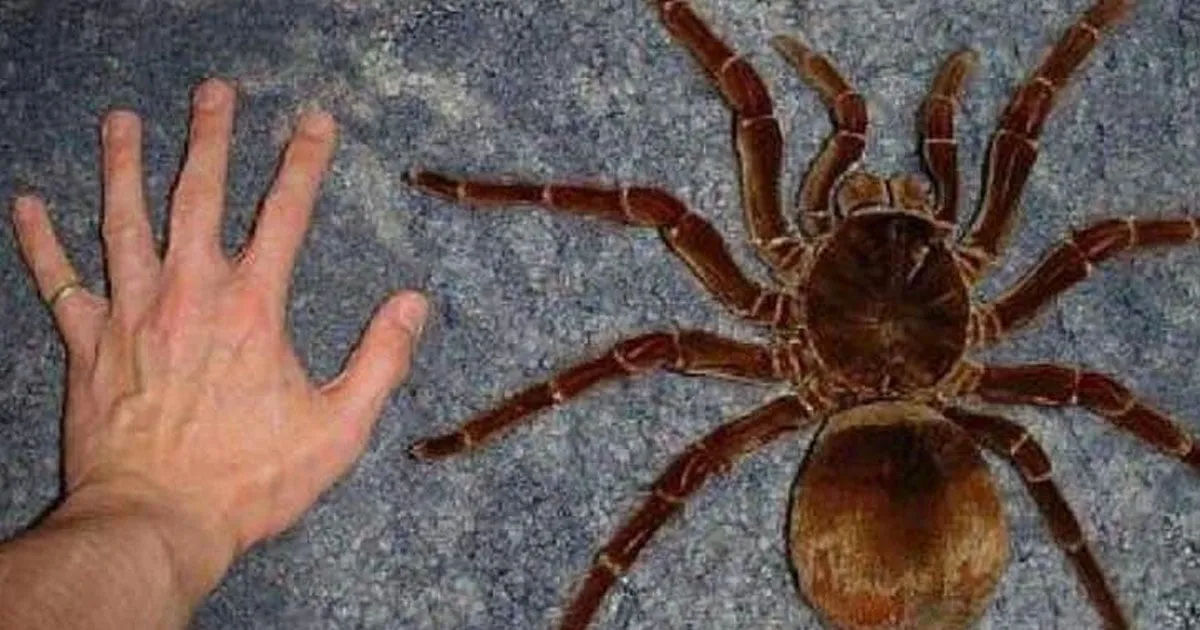
The world of arachnids is filled with fascinating creatures, but few capture the imagination quite like the Goliath Birdeater tarantula. This behemoth of the spider world is the largest tarantula on Earth, a title that comes with a host of impressive features and interesting facts. This article delves into the world of the biggest tarantula found alive, exploring its key characteristics, habitat, diet, and the conservation efforts surrounding this magnificent creature. Get ready to discover the top 5 facts about the Goliath Birdeater tarantula.
What Makes a Tarantula ‘Biggest’?
Defining the ‘biggest’ tarantula involves considering several factors, primarily its overall size and weight. While leg span is often the first measurement that comes to mind, the overall mass of the spider is equally important. The Goliath Birdeater (Theraphosa blondi) is typically measured by its leg span, which can reach up to 12 inches (30 cm) or more. However, it’s also recognized for its considerable weight, which can sometimes surpass that of other spiders with similar leg spans. This combination of size and mass makes the Goliath Birdeater the frontrunner.
Size and Weight of the Goliath Birdeater Tarantula
The Goliath Birdeater earns its name through its sheer size. The average Goliath Birdeater can weigh over 6 ounces (170 grams), which is comparable to the weight of a small puppy. Its body length can be up to 4 inches (10 cm), and when its legs are fully extended, it can span up to a foot. This massive size is a significant factor in its classification as the world’s largest tarantula. These spiders continue to grow throughout their lives, with females typically living longer and growing larger than males.
Physical Characteristics of the Biggest Tarantula

The Goliath Birdeater is not only large but also visually striking. Its body is covered in bristly hairs that range in color from dark brown to a lighter tan or even a reddish hue. These hairs serve a dual purpose; they provide sensory input, and they can also be flicked off as a defense mechanism, causing irritation to potential predators. The chelicerae, or fangs, are also notably large, capable of delivering a painful bite. The spider’s powerful legs are built for both walking and digging, enabling it to navigate its environment efficiently.
Where Does the Goliath Birdeater Live?
The Goliath Birdeater’s natural habitat is primarily located in the rainforests of northern South America. This includes countries like Brazil, Venezuela, Guyana, Suriname, and French Guiana. These regions provide the ideal conditions for the tarantula to thrive, offering a warm, humid environment and an abundance of potential prey. They are terrestrial spiders, meaning they spend the majority of their time on the ground, often burrowing in the earth or utilizing existing crevices and holes.
The Goliath Birdeater’s Natural Habitat
The rainforest environment is crucial to the Goliath Birdeater’s survival. The dense vegetation provides ample cover from predators and helps maintain the high humidity levels they require. The forest floor, rich with decaying leaves and organic matter, offers ideal conditions for burrowing and nesting. The presence of other invertebrates and small vertebrates in the rainforest ecosystem ensures a consistent food supply for these large spiders. Therefore, any threats to the rainforest also pose a threat to the tarantulas.
How is the Biggest Tarantula Found Alive?

Finding a Goliath Birdeater in the wild often involves careful observation and knowledge of its behavior. These tarantulas are nocturnal, which means they are most active at night. Scientists and researchers often employ techniques such as searching under logs, rocks, or in burrows. They also pay attention to the presence of shed exoskeletons, which can indicate the spider’s presence in an area. Careful handling and respect for the animal’s space are critical. The best way to find them involves understanding their habitat and behavior.
Recent Discoveries and Sightings
Recent discoveries and sightings of the Goliath Birdeater have provided valuable insights into their behavior and distribution. There have been observations of their nesting habits, mating rituals, and interactions with other species. Researchers have also been able to track the tarantulas’ movements within their natural habitats, helping to better understand their ecological roles. These observations contribute to our broader understanding of rainforest ecosystems and the conservation efforts needed to protect them. New discoveries continue to highlight the importance of studying these creatures.
The Goliath Birdeater’s Diet and Hunting
Despite its name, the Goliath Birdeater’s diet consists primarily of insects, although it is known to consume small vertebrates. These spiders are ambush predators, relying on their size and venom to subdue their prey. When hunting, they wait patiently for potential targets to come within range, then launch a rapid attack. Their powerful chelicerae are used to inject venom, which immobilizes and begins to digest the prey. The spider then uses its fangs to break down the food.
What Does a Giant Tarantula Eat?

The Goliath Birdeater’s diet in the wild is diverse and opportunistic. Their main source of food is large insects such as beetles, crickets, and grasshoppers. They may also consume small vertebrates, including frogs, lizards, and even small birds, especially when they are young or injured. Their ability to eat a wide variety of prey is an adaptation to the rainforest environment. The tarantula is also known to eat earthworms and small mammals, increasing their caloric intake for growth.
Conservation and Future of the Goliath Birdeater
While the Goliath Birdeater is not currently listed as endangered, its populations face threats from habitat loss and the pet trade. Deforestation, driven by agriculture and logging, is the primary concern. Their natural environment is shrinking due to human activity. The demand for the species in the exotic pet market can also pose a threat to wild populations. Conservation efforts include protecting their habitats, raising awareness about the importance of these spiders, and regulating the pet trade. Sustainable practices and ongoing research are essential to ensuring the survival of this magnificent species.
In conclusion, the Goliath Birdeater tarantula is an impressive creature that showcases the wonders of the natural world. From its imposing size to its vital role in the rainforest ecosystem, it’s a reminder of the biodiversity that deserves our utmost respect and protection. By understanding the Goliath Birdeater and supporting conservation efforts, we can help ensure that future generations have the chance to marvel at this incredible species.