Understanding Beginner Tarantulas
Venturing into the world of tarantula ownership can be an exciting experience for any aspiring arachnid enthusiast. However, with so many species available, selecting the right tarantula for a beginner is crucial for a positive and manageable experience. This guide provides a comprehensive look at the best tarantula choices for beginners, focusing on species that are generally docile, relatively easy to care for, and visually appealing. Understanding the specific needs and characteristics of each species will help ensure a successful and enjoyable experience as a first-time tarantula owner. Remember, responsible pet ownership begins with informed choices and a commitment to providing the best possible care for your new companion.
What Makes a Tarantula Beginner-Friendly
Several factors contribute to a tarantula being considered beginner-friendly. These factors ensure that the tarantula is manageable for new keepers, minimizing the risk of unexpected problems or difficulties. These include temperament, size and growth rate, and venom potency. Prioritizing tarantulas that excel in these areas will provide a foundation of success for the new tarantula owner.
Temperament

Temperament is perhaps the most critical factor. Beginner-friendly tarantulas tend to be docile and less prone to defensive behaviors like biting or flicking urticating hairs. While no tarantula is completely predictable, certain species are known for their calmer nature, making them easier to handle and care for, and reducing the stress on the keeper.
Size and Growth Rate
The size and growth rate of a tarantula impact the space requirements and overall maintenance. Tarantulas that grow slowly and reach a moderate size are often preferred by beginners. This allows for less frequent enclosure upgrades and reduces the initial investment in housing and equipment. This is especially important for those new to the hobby.
Venom Potency
Although all tarantulas are venomous, the potency of their venom varies. Beginner-friendly species typically have venom that causes only mild symptoms in humans, such as localized pain, swelling, and itching. This is a safety consideration to minimize the risk to the keeper in the event of a bite.
The Top 5 Beginner Tarantula Choices

Based on the criteria above, here are the top five tarantulas recommended for beginners. Each of these species offers a unique set of qualities that make them suitable for those new to tarantula keeping.
1. Chilean Rose Hair Tarantula
Appearance and Characteristics
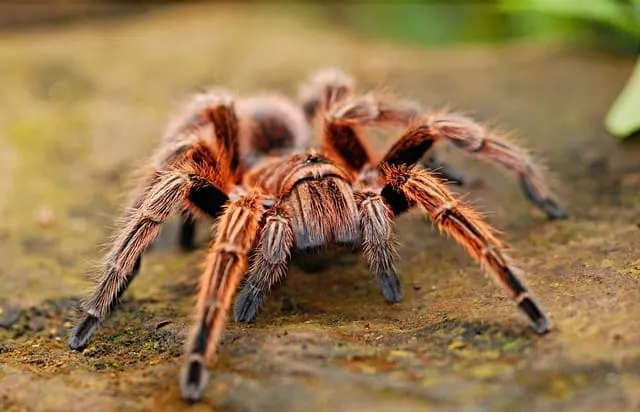
The Chilean Rose Hair (Grammostola rosea) is one of the most popular beginner tarantulas. They are known for their docile temperament, making them relatively easy to handle and observe. They typically have a brownish coloration with rose-colored hairs on their carapace. They are a terrestrial species, meaning they spend most of their time on the ground.
Care Requirements

Chilean Rose Hairs require a simple setup with a terrestrial enclosure, a substrate like coconut fiber or peat moss, a shallow water dish, and a hide. They thrive in moderate temperatures and humidity. They are slow growers, which reduces the frequency of enclosure upgrades. They are also known for their hardiness, tolerating minor fluctuations in their environment.
2. Mexican Red Knee Tarantula
Appearance and Characteristics
The Mexican Red Knee (Brachypelma hamorii) is another excellent choice for beginners. These tarantulas are famous for their striking appearance, with black bodies and vibrant red-orange bands on their legs. They are also known for their relatively docile temperament and slow growth rate. They are a terrestrial species, similar to the Chilean Rose Hair, and therefore, their care is comparable.
Care Requirements

The Mexican Red Knee’s care is quite straightforward. A terrestrial enclosure with a substrate like coconut fiber, a water dish, and a hide is adequate. They prefer moderate temperatures and humidity. Like Chilean Rose Hairs, they are relatively hardy and can withstand slight variations in their environment. Provide a secure enclosure to prevent escapes, as with any tarantula.
3. Pinktoe Tarantula
Appearance and Characteristics
The Pinktoe Tarantula (Avicularia avicularia) is an arboreal species, known for its beautiful coloration and gentle nature. They are typically dark in color with pink feet. They are not as handleable as other species, but they are fascinating to observe. They also tend to be a bit more skittish than some of the terrestrial species, but they are generally not aggressive.
Care Requirements

Pinktoes require an arboreal enclosure with vertical space, a substrate, and branches or other climbing decor. Higher humidity is required, so regular misting is essential. Keep a water dish available. They are a good choice for beginners who want to keep an arboreal species, but ensure that their humidity and ventilation needs are met.
4. Curly Hair Tarantula
Appearance and Characteristics
The Curly Hair Tarantula (Tliltocatl albopilosus), also known as the Honduran Curly Hair, is another popular species for beginners. They are recognizable for their brown bodies with long, curly hairs. These hairs give them a distinctive appearance. Their temperament is generally docile, and they are known to be hardy.
Care Requirements

Curly Hairs have straightforward care requirements. A terrestrial enclosure with a substrate, a water dish, and a hide is generally adequate. They tolerate a wide range of temperatures and humidity levels, making them one of the easiest species to care for. Make sure their enclosure is secure.
5. Striped Knee Tarantula
Appearance and Characteristics
The Striped Knee Tarantula (Aphonopelma seemanni) is a great choice for beginners, known for its striking black and white striped legs. They possess a docile temperament, are relatively easy to care for, and offer an attractive appearance. They are a terrestrial species and therefore will spend most of their time on the ground.
Care Requirements

They require a standard terrestrial setup, including a substrate, water dish, and a hide. They thrive at moderate temperatures and humidity. Their care needs are very similar to the other terrestrial species listed above. They are generally a hardy species, perfect for a beginner.
Essential Care Tips for Beginner Tarantulas
Proper care is essential for ensuring your tarantula thrives. Here are some key tips to keep in mind.
Choosing the Right Enclosure
The enclosure should be appropriately sized for the tarantula’s adult size. It should be escape-proof, with a secure lid and ventilation holes. The type of enclosure depends on the species (terrestrial or arboreal). For terrestrial species, a wider enclosure is preferable; for arboreal species, a taller enclosure is more suitable. Clear enclosures allow for better viewing. Ensure the enclosure material is durable and doesn’t have any potentially dangerous features.
Substrate and Habitat Setup
The substrate is crucial for maintaining humidity and providing a comfortable environment. Appropriate substrates include coconut fiber, peat moss, or a mix of both. The substrate should be deep enough for the tarantula to burrow if it’s a burrowing species. Provide a hide, such as a piece of cork bark or a plastic hide, for the tarantula to retreat to. Include a water dish, ensuring it’s shallow enough to prevent drowning, but large enough for the tarantula to access water easily. Decorations should be non-toxic and safe.
Feeding Your Tarantula
Tarantulas eat insects like crickets, mealworms, and roaches. The size of the prey should be appropriate for the tarantula’s size, generally, prey should be no larger than the tarantula’s body. Feed juveniles 1–2 times a week, and adults every 1–2 weeks. Remove any uneaten prey within 24 hours. Always provide fresh water in the water dish. Overfeeding can lead to obesity, so adjust feeding frequency based on the tarantula’s body condition. Consider calcium supplementation, especially for juveniles.
Water and Humidity
Water is essential for tarantulas. Always provide a water dish with fresh, clean water. Humidity levels vary depending on the species. Terrestrial species typically need moderate humidity, while arboreal species may require higher humidity. Monitor humidity using a hygrometer. Mist the enclosure regularly for arboreal species to maintain appropriate humidity levels. Avoid over-misting, which can lead to mold and other problems.
Handling and Safety
Tarantulas should be handled as little as possible. If you do handle a tarantula, do so with care and be prepared for any sudden movements. Always handle tarantulas close to the ground, just in case they jump or fall. Avoid handling after molting, as the exoskeleton is soft and vulnerable. Wash your hands thoroughly before and after handling a tarantula. Keep children and other pets away from the tarantula’s enclosure to prevent accidents.
Conclusion
Choosing the right tarantula is the first step towards a rewarding experience. The species listed above offer an excellent starting point for beginners, providing a manageable and enjoyable introduction to tarantula keeping. By understanding the specific needs of each species and adhering to basic care guidelines, you can provide a safe and enriching environment for your tarantula. With patience, research, and a commitment to responsible pet ownership, you can enjoy the unique beauty and fascinating behavior of these amazing creatures. Consider starting with one of the recommended species and enjoy the journey of tarantula keeping. Good luck, and enjoy your new pet